Transfrontier ParkUNESCO World Heritage
Ai-Ais Richtersveld
Southern Africa (transboundary)Designated in 20036,045 km²
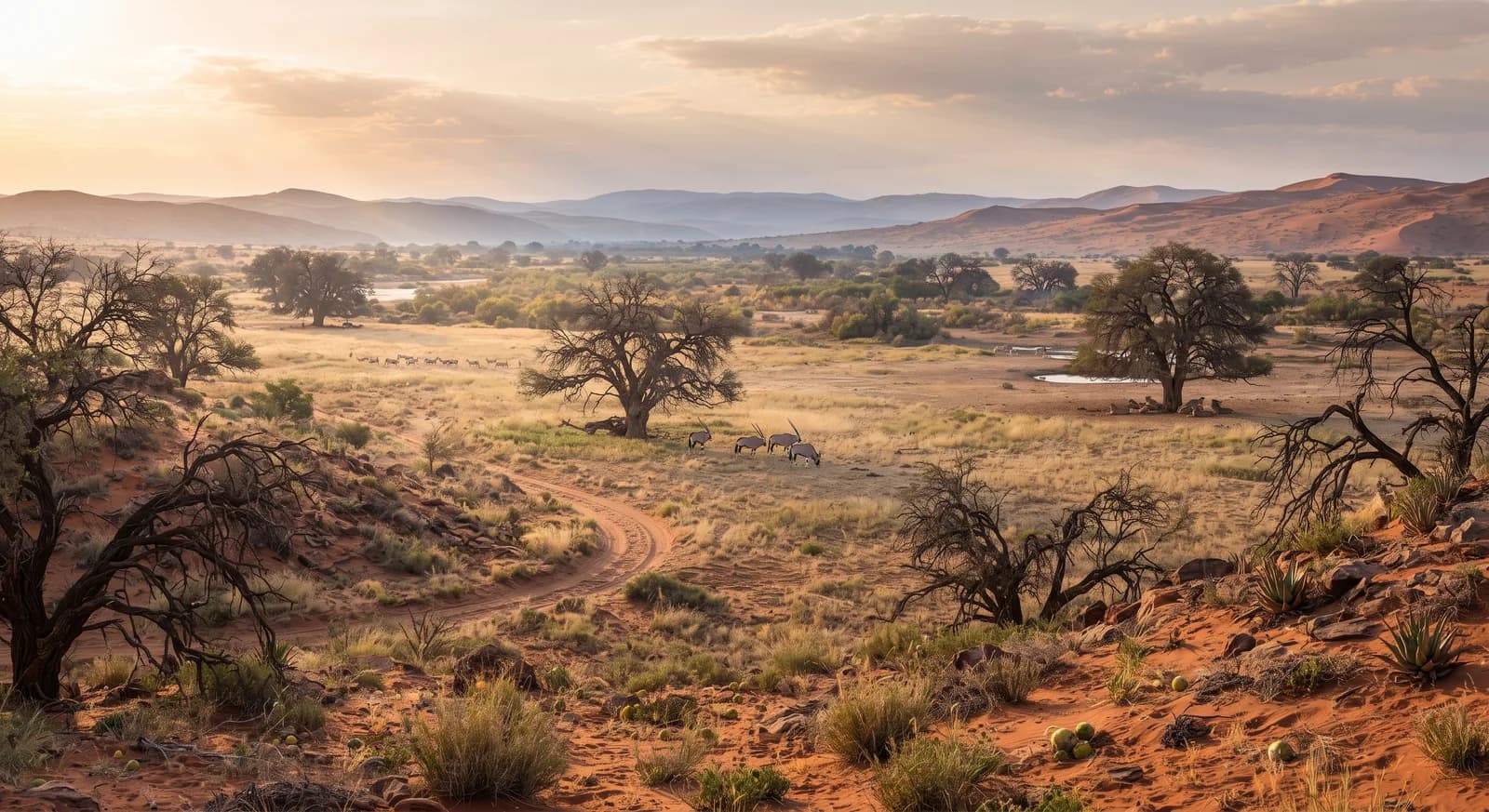
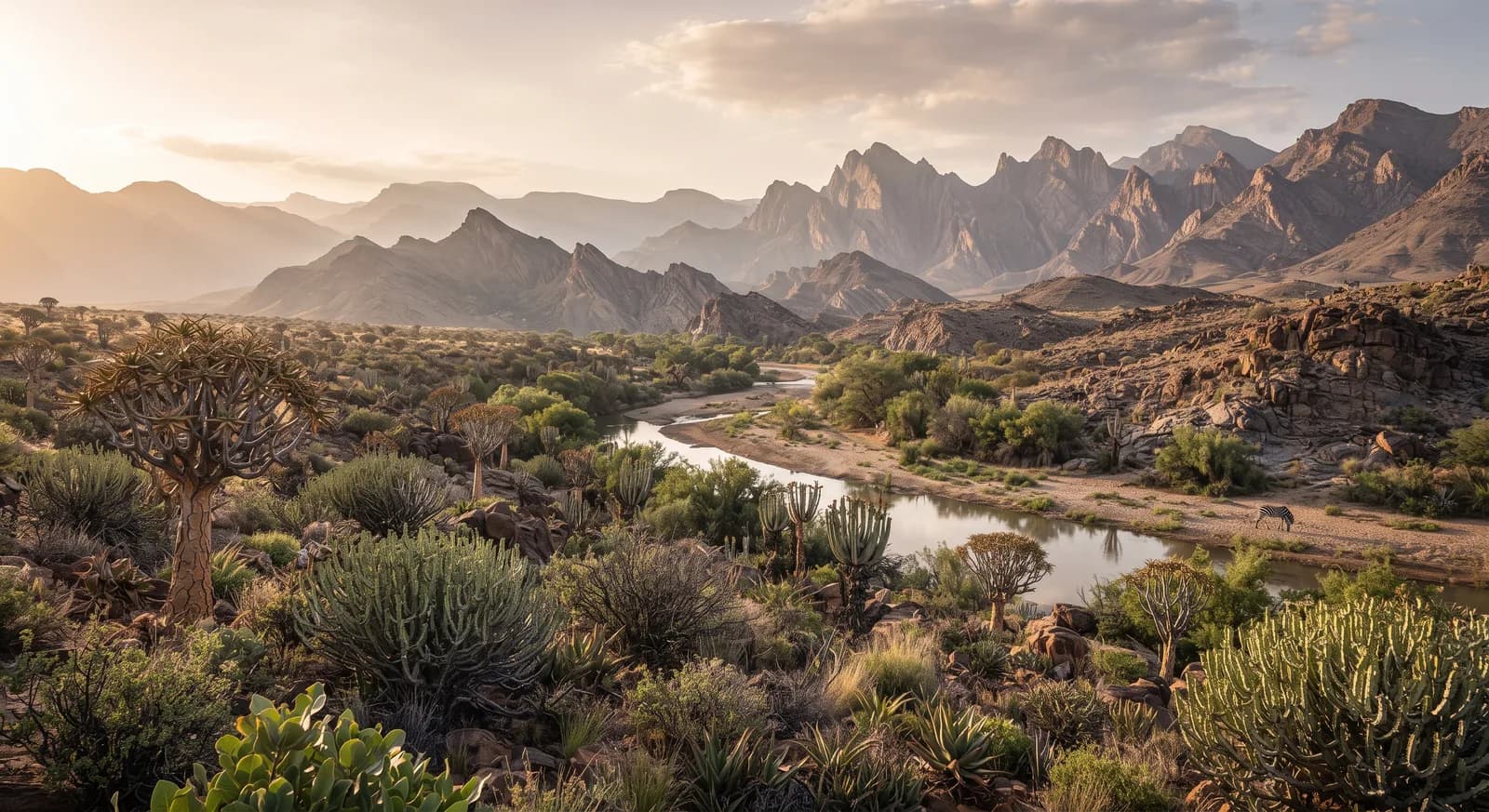
One of the few hot deserts in the world inscribed as a UNESCO World Heritage Site, with the greatest diversity of succulent plants on the planet
Area
6,045 km²
Protection category
IUCN II
Parque nacional —
Designated in
2003
Formed in 2003 by joining the South African park with its Namibian counterpart, ǀAi-ǀAis, it has been a UNESCO World Heritage Site since 2007 — one of the few hot deserts in the world so recognised — celebrated for holding the greatest diversity of succulent plants on the planet, with thousands of species adapted to extreme aridity, many of them endemic to this stretch of Atlantic coast shared between South Africa and Namibia.
Location
Loading map…
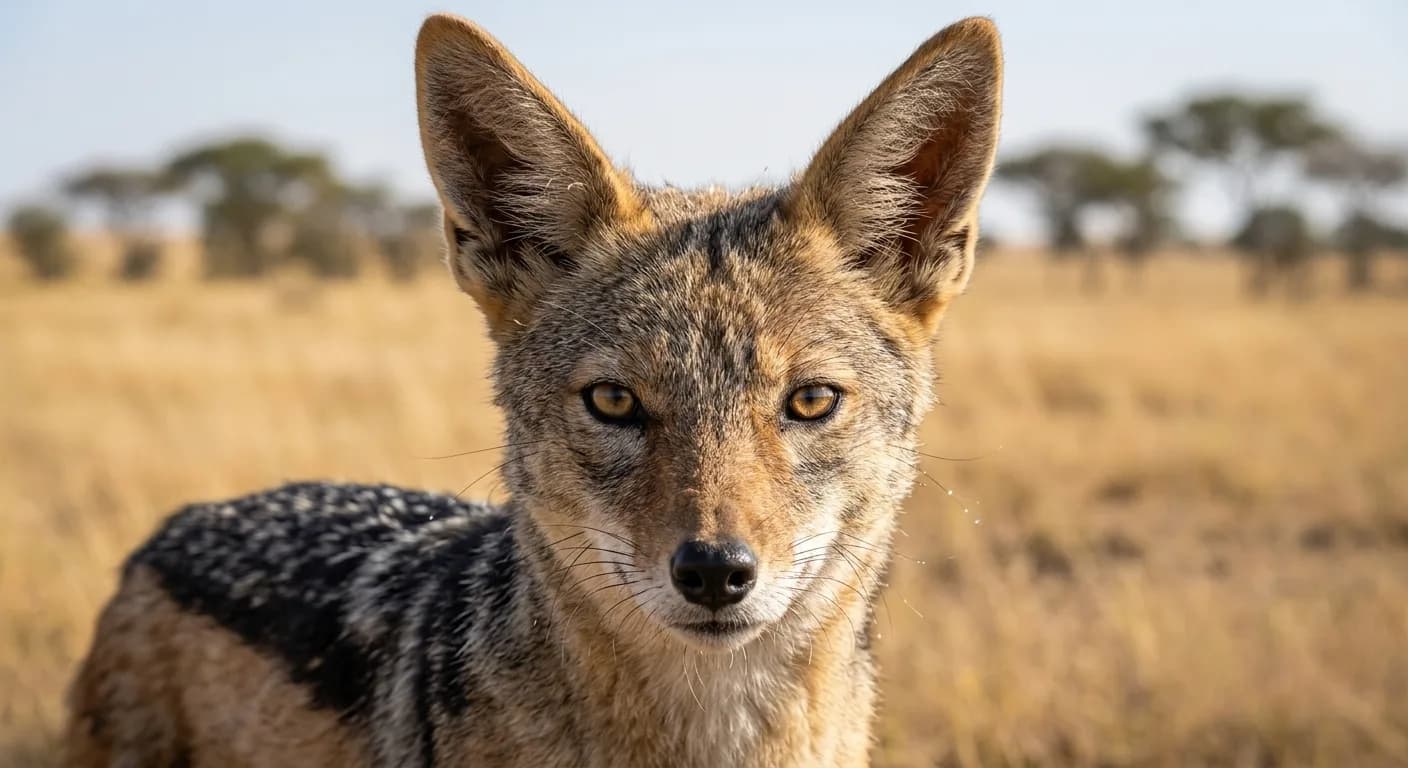
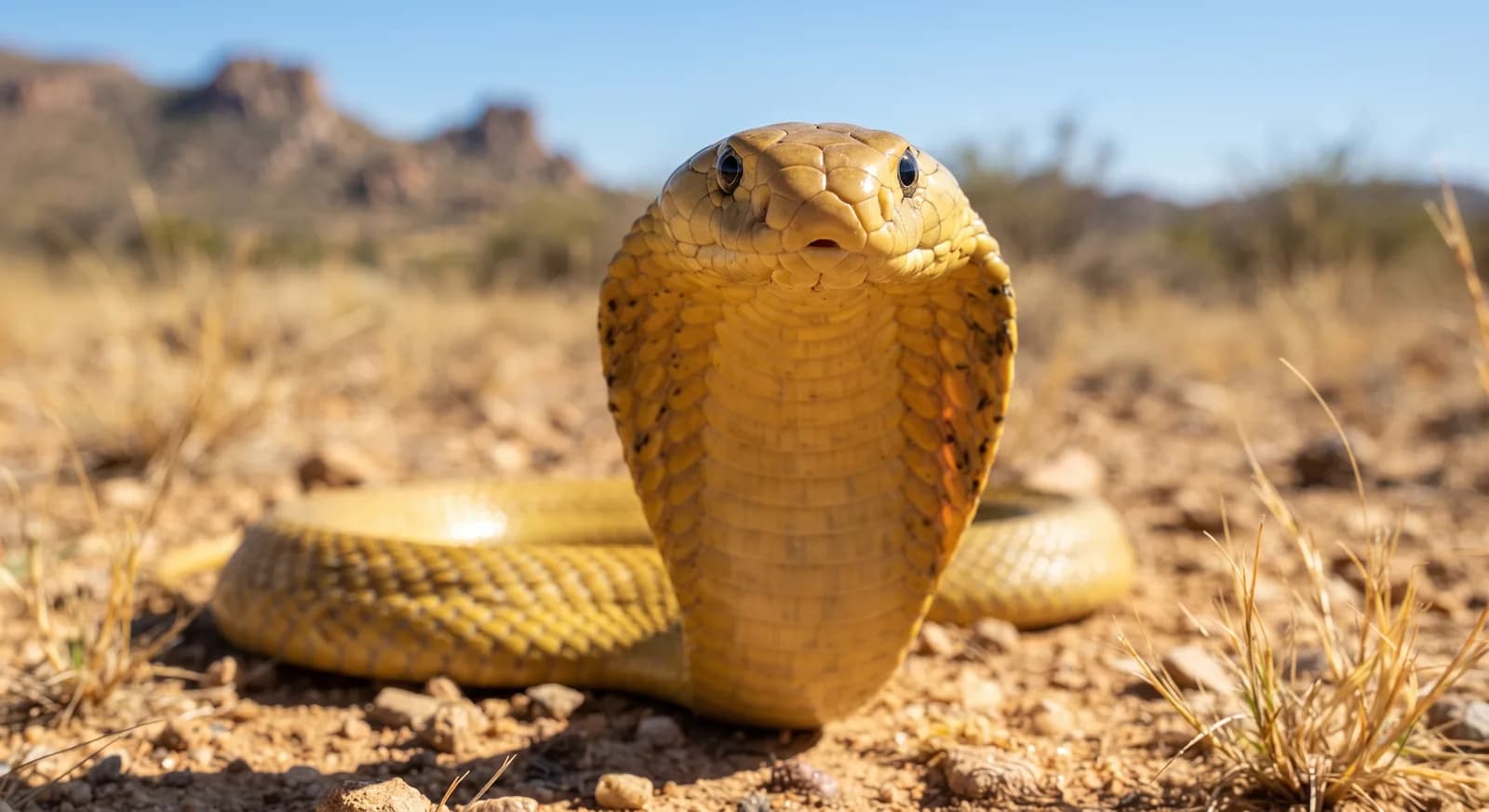
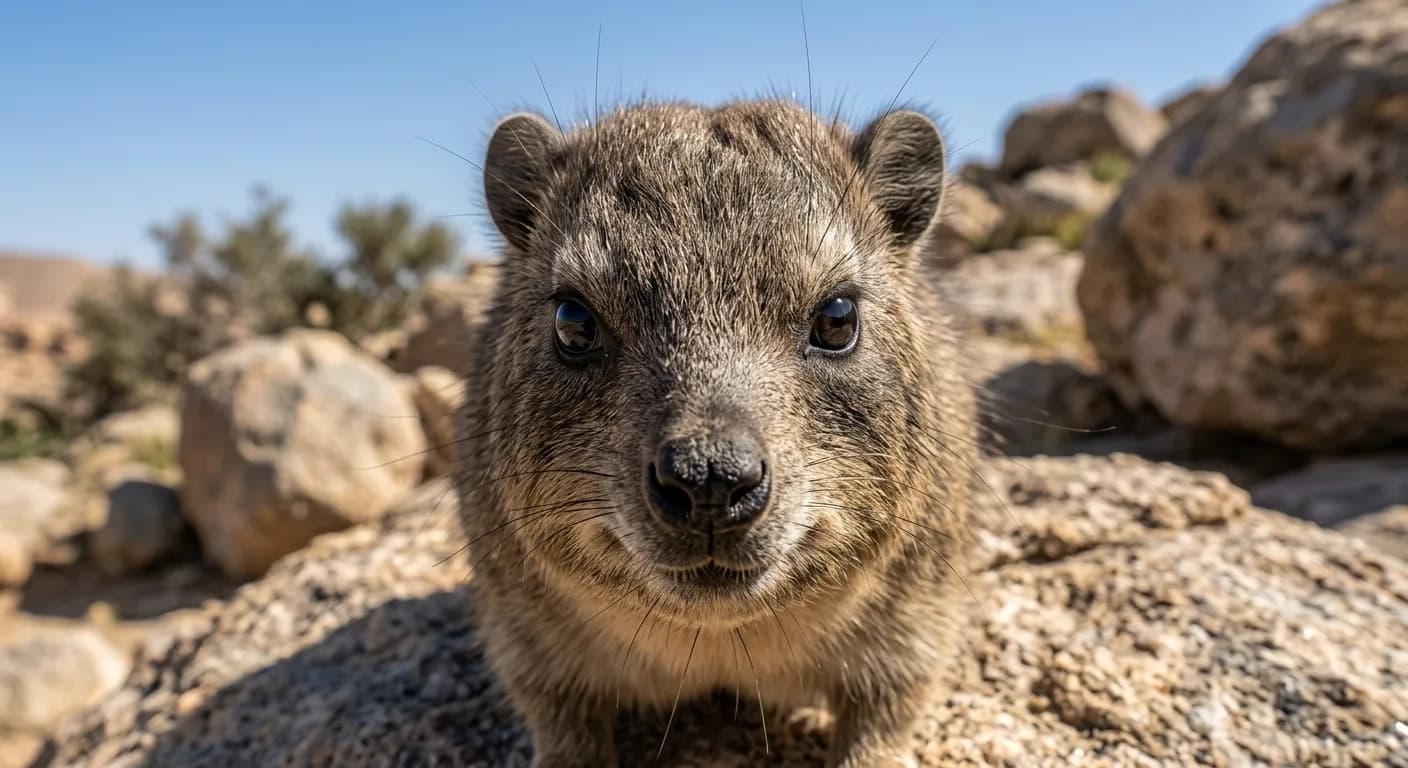
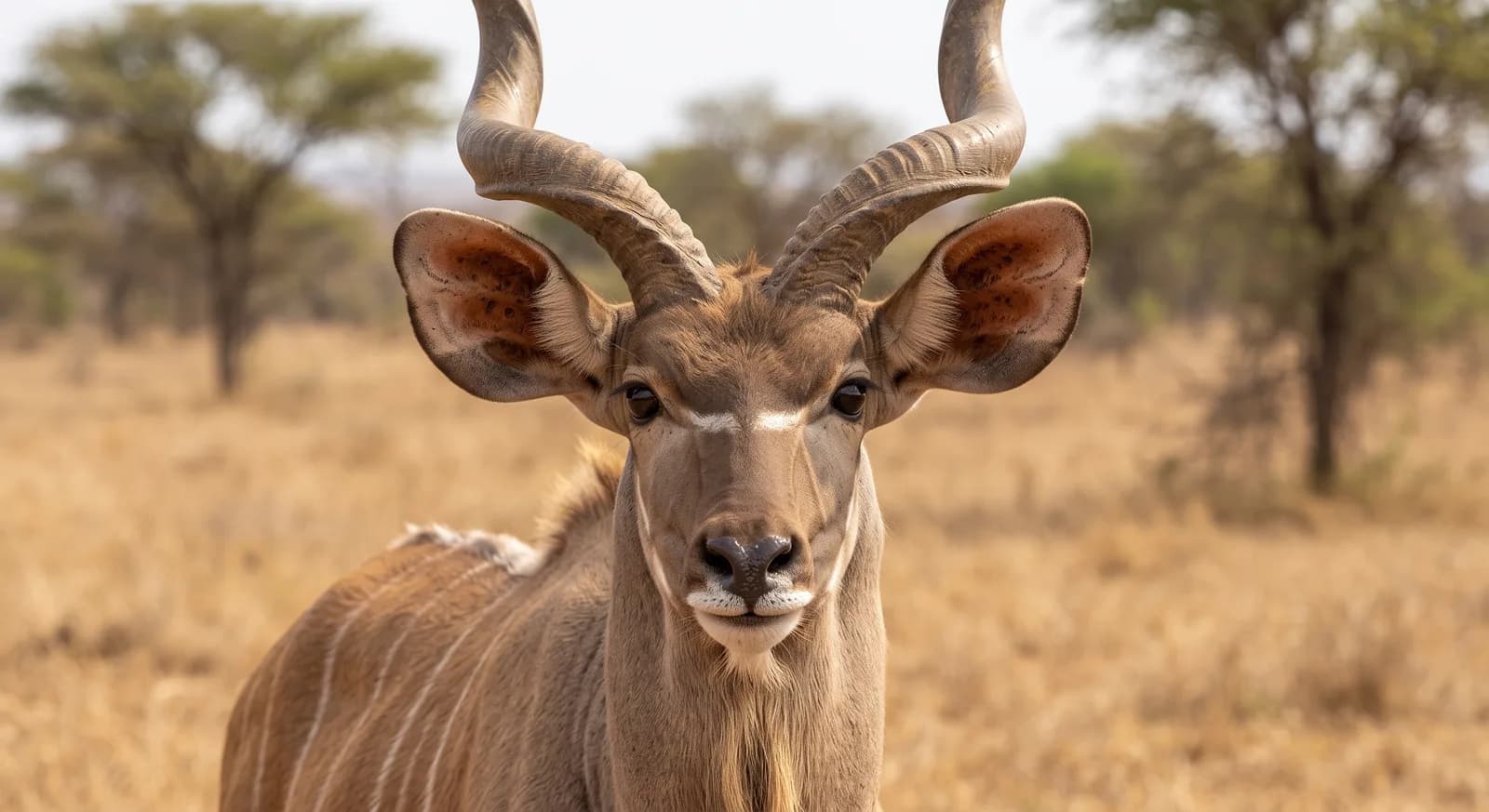
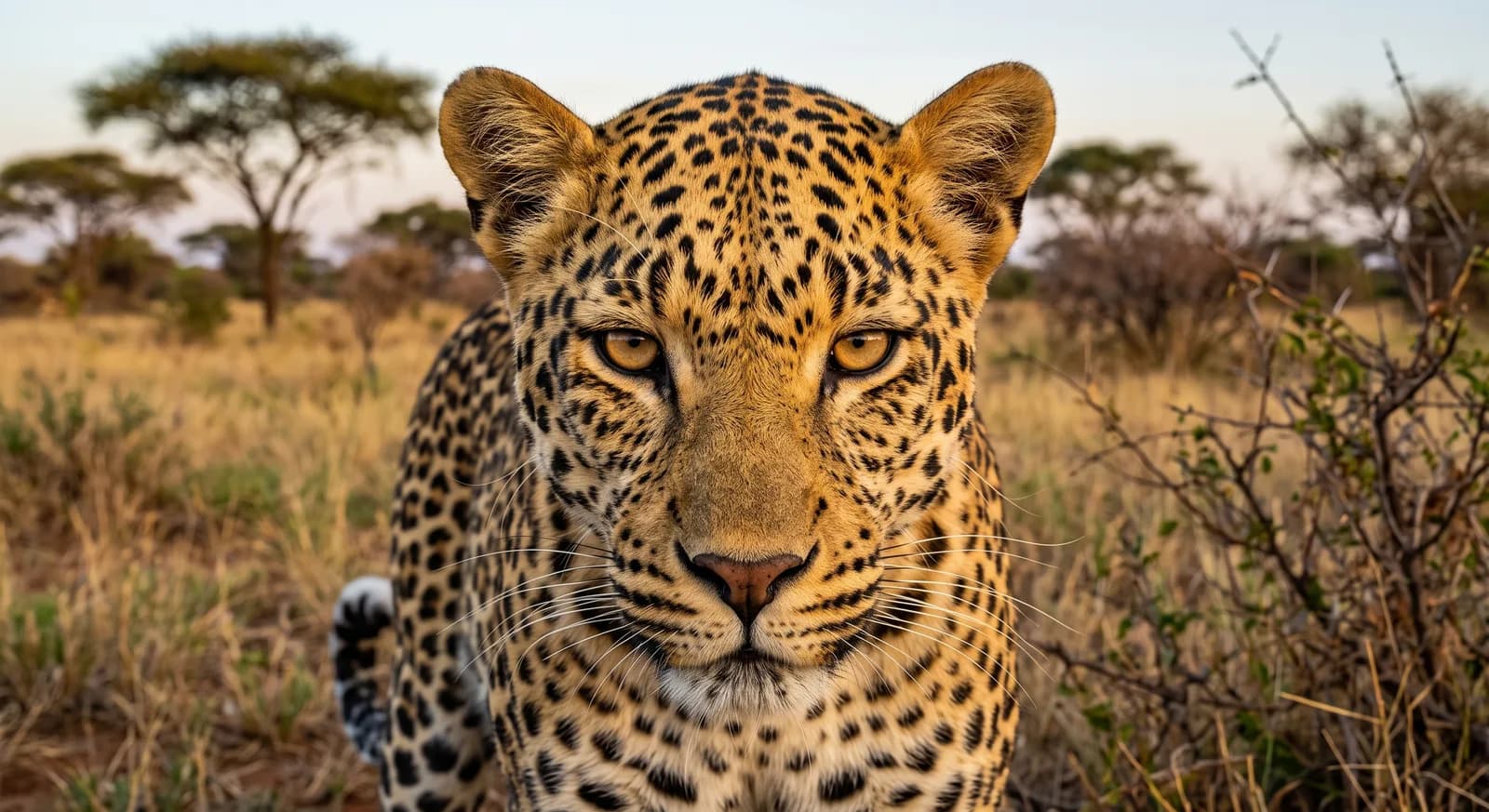
Ai-Ais Richtersveld: 24 documented species
Mammals15Birds5Reptiles3Amphibians
Flora and ecosystems
Ecosystems found in South Africa, where Ai-Ais Richtersveld lies.
SavannahDesertMarine / coastal
Experiences in this park
Birdwatching
Wildlife you can see now
What is worth looking out for this month in South Africa?
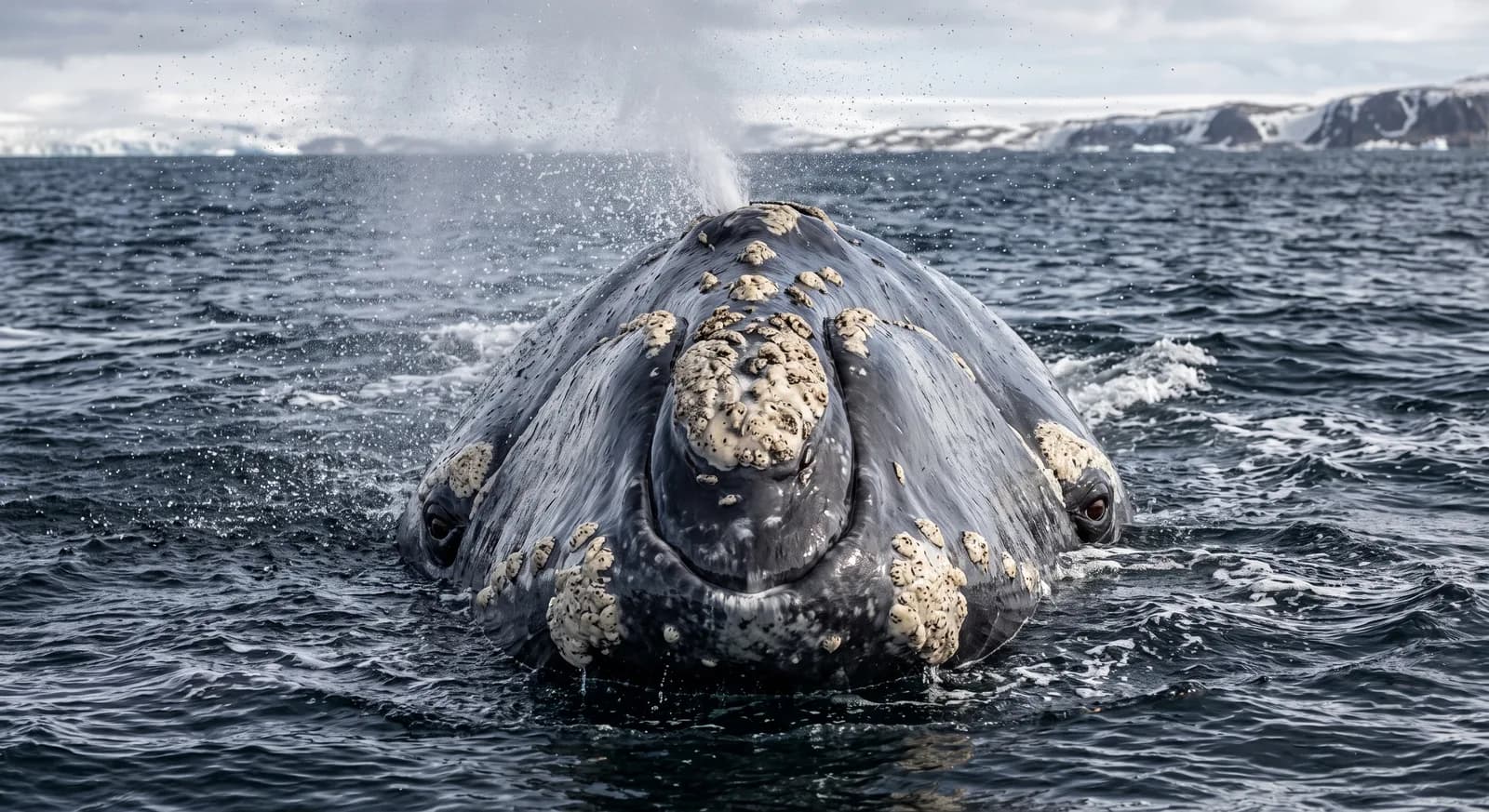
Now is a good time: Southern right whales at Hermanus (June to November (peak August to October))
Similar parks
Which other parks are like this one?
Same country: South Africa
Same country: South Africa
Same country: South Africa
Same country: South Africa
Keep exploring
Based on what we already know about this park.
Comments
Share your experience visiting Ai-Ais Richtersveld, or a tip for other travellers.
Be the first to comment.

 South Africa