The best-preserved cork oak forest on the Iberian Peninsula, with relict fog forests in its canutos.
Area
1,677 km²
Declared in
1989
Region
Southern Europe
Climate
Árido / desértico, Templado, Mediterráneo, Montañoso
Best time
All year round
Highlight
Cork oak woodland and relict laurel forest in the canutos
Los Alcornocales Natural Park was declared on 28 July 1989 and protects 167,767 hectares at the western end of the Baetic Range, spread across seventeen municipalities in the province of Cádiz and one in Málaga. It forms a south-to-north strip running from the coast at Tarifa, on the Strait of Gibraltar itself, to the inland ranges, and borders the Sierra de Grazalema to the north and the Strait Natural Park to the south. It holds the largest preserved and productive stand of cork oak woodland on the Iberian peninsula and one of the most important in the world, worked continuously for cork.
The relief is one of sandstone and slate ranges with sharp slopes and summits around 1,000 m; the highest is El Aljibe, at 1,092 m. Its most singular feature is the canutos: narrow, deep, north-facing valleys where the moisture arriving from the sea gathers and forms genuine cloud forests. In them survives a subtropical laurel forest unique in continental Europe, with bay laurel, rhododendron, the shrub known in Spanish as avellanillo, laurustinus and alder, accompanied by holly and numerous fern species that are extremely rare at these latitudes. It is relict vegetation: this kind of forest covered much of central and southern Europe during the Tertiary and here escaped the glaciations. In some canutos even Psilotum nudum grows, one of the most primitive types of vascular plant in existence, whose other populations are thousands of kilometres away, in subtropical parts of the planet.
Water is the determining factor behind all that richness: the Barbate, Guadalete, Guadiaro, Guadarranque, Palmones and Jara rivers run through the park, and there is a dense network of streams, aquifers and reservoirs. The wildlife includes a notable amphibian community in the streams, carnivores such as the Egyptian mongoose, the badger, the otter, the genet and the wildcat, and the roe deer, known in Spanish as corzo morisco, as its characteristic ungulate. Its position beside the Strait also makes it a key point on the migration route of raptors and other soaring birds between Europe and Africa.
Location
See on the interactive map1 dive site within 300 km is also shown.
201 species documented in Los Alcornocales
At conservation risk:Capricornio del roble,Lince ibérico,Murciélago de cueva (murciélago de alas largas),Perdiz roja,Sapo de espuelas ibérico,Sapo partero bético,Víbora hocicuda
Endemic to Spain:Lince ibérico
Abeja albañil
Osmia bicornis
Abeja carpintera violeta
Xylocopa violacea
Abeja del sudor europea
Lasioglossum malachurum
Abeja minera fulva
Andrena fulva
Abejaruco europeo
Merops apiaster
Abejorro común
Melolontha melolontha
Abejorro terrestre
Bombus terrestris
Abubilla
Upupa epops
Águila calzada
Hieraaetus pennatus
Águila perdicera
Aquila fasciata
Aguilucho cenizo
Circus pygargus
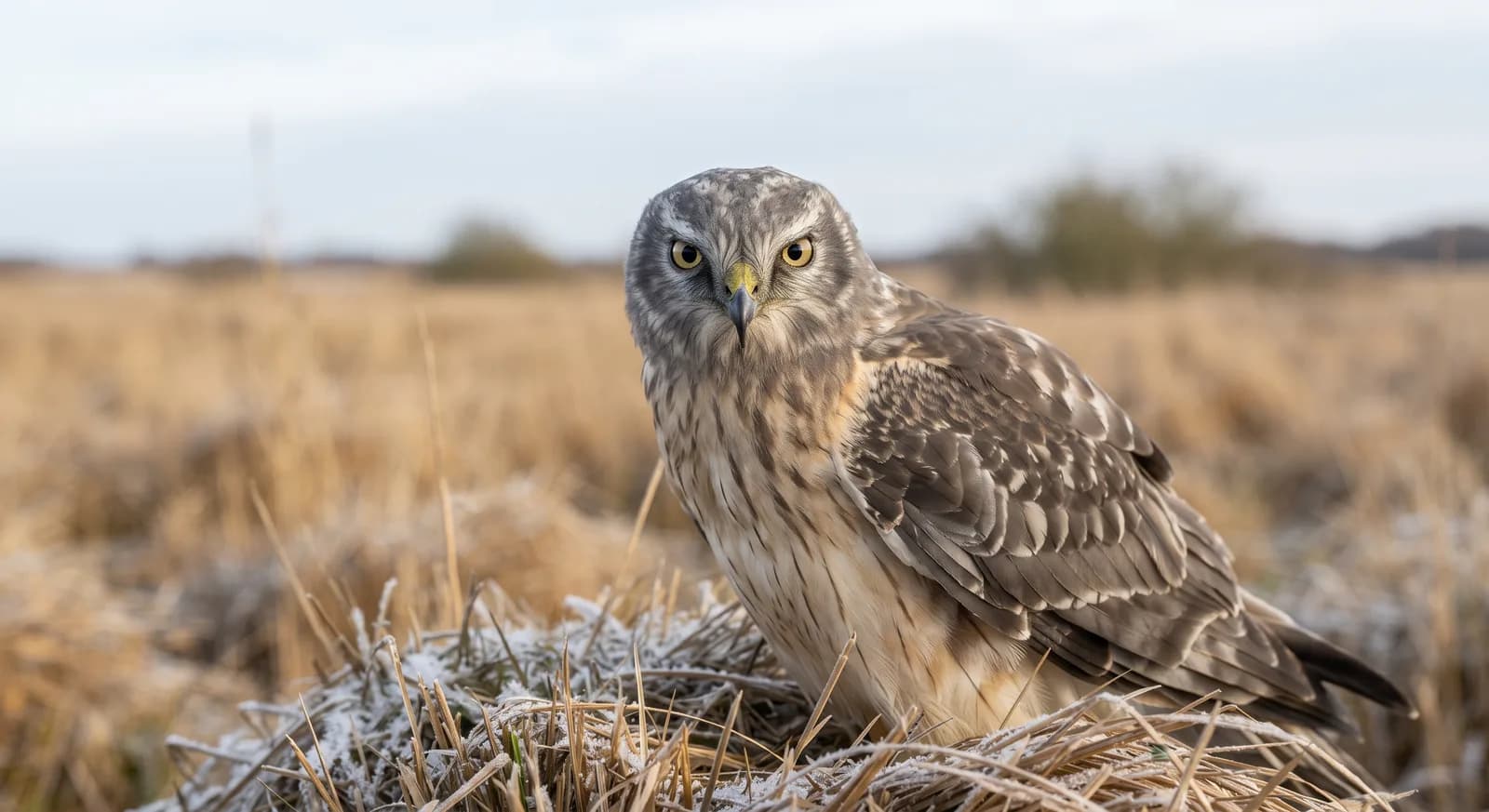 Least Concern
Aguilucho pálido
Circus cyaneus
Flora and ecosystems
Ecosystems found in Spain, where Los Alcornocales lies.
Experiences in this park
Nearby dive sites
Where can I dive near here?
Alboran Island
231 km away
Similar parks
Which other parks are like this one?
Keep exploring
Based on what we already know about Los Alcornocales.
Your rating
How many stars would you give Los Alcornocales?
Comments
Share your experience visiting Los Alcornocales, or a tip for other travellers.
Be the first to comment.