Skip to content
WAnimals
  • Map
  • Species
  • Parks
  • Diving
Log inCreate account
WAnimals

The guide for travellers and animal lovers: discover, plan and share your wild adventures around the world.

Discover wildlife

  • Species
  • Ecosystems
  • Glossary
  • Tags

Explore places

  • Map
  • Countries
  • Parks
  • Diving

Plan experiences

  • Guides

Learn

  • Blog

Resources

  • About us
  • How we build our profiles
  • Help centre
  • Contact
  • Install the app

Follow us

Account

  • Log in
  • Create account

© 2026 WAnimals. All rights reserved.

Terms of servicePrivacyCookiesLegal notice
MapSpeciesParksDiving
  1. Home
  2. Species
  3. Andean Gull

One of the 9 gulls on WAnimals

Andean Gull (Chroicocephalus serranus)

Birds · Charadriiformes · Laridae

Andean Gull

Chroicocephalus serranus

Least Concern

The species is abundant and widely distributed; it faces no significant short-term risk.

Spotted something wrong?

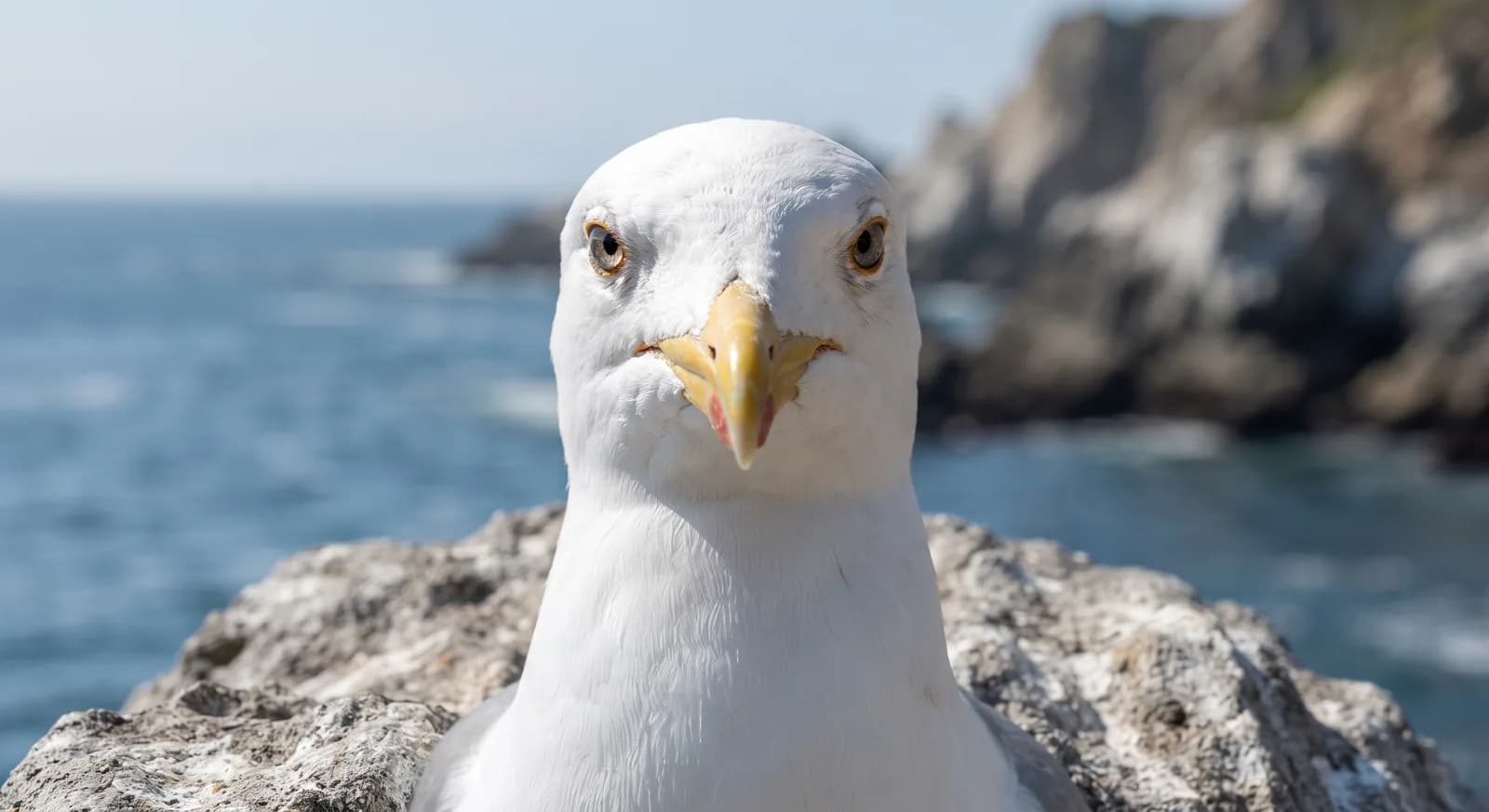
The Andean gull is a high-mountain gull that breeds on the lagoons of the high Andean puna, far from any sea. In the breeding season it has a black hood and a red eye-ring. It descends partly to the Pacific coast in winter, but many populations stay at altitude all year, on lagoons that freeze overnight.

Weight

300 g – 450 g

Size

45 cm – 50 cm

Life expectancy

15 years
Diet

Omnivore

Combines animal and plant food depending on availability.

Activity

Diurnal

Active mainly during the day.

Social structure

Colony

Lives in large concentrations, often for breeding reasons.

MountainOceanFreshwater
5countries10parks19same family

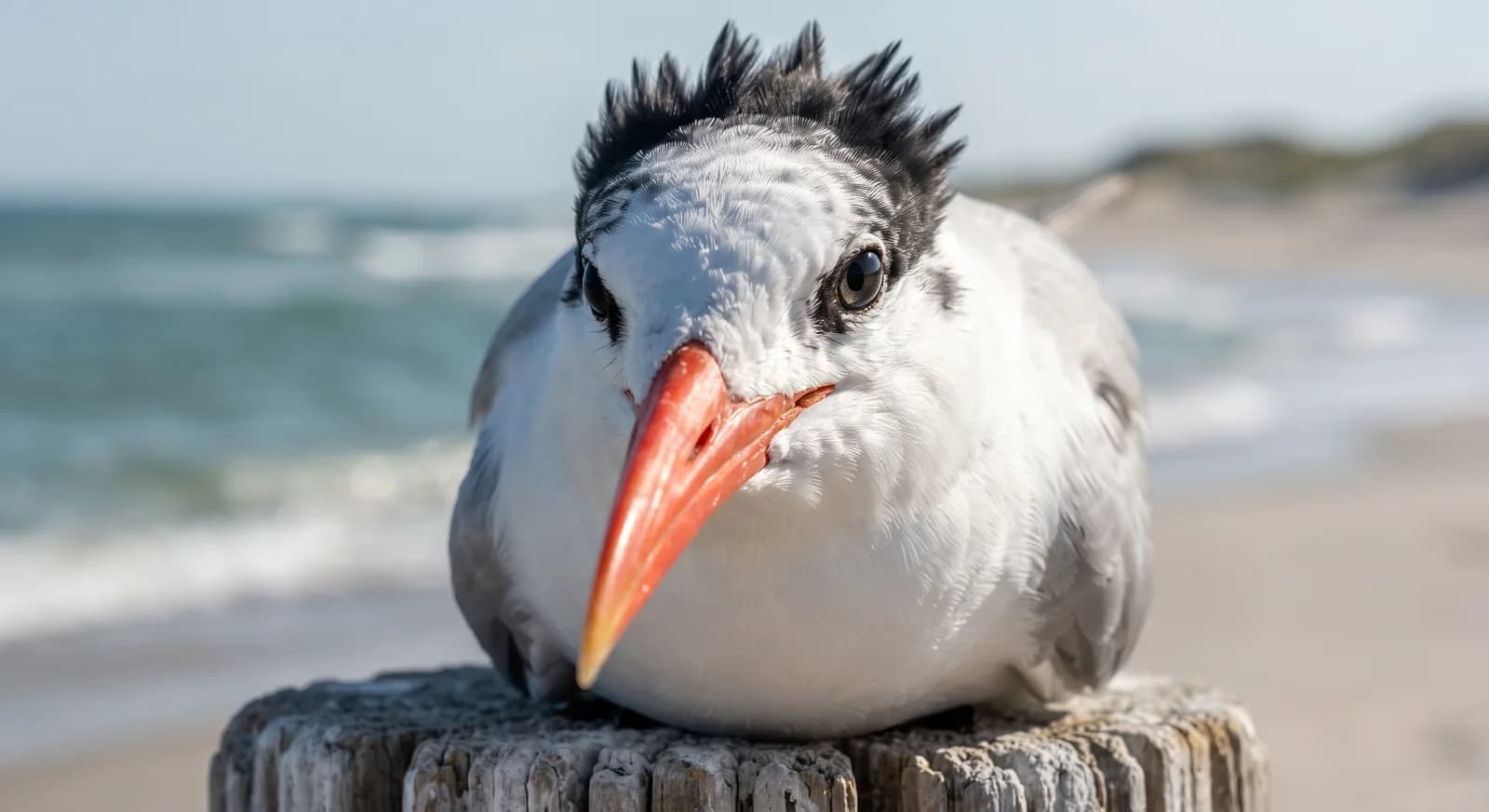
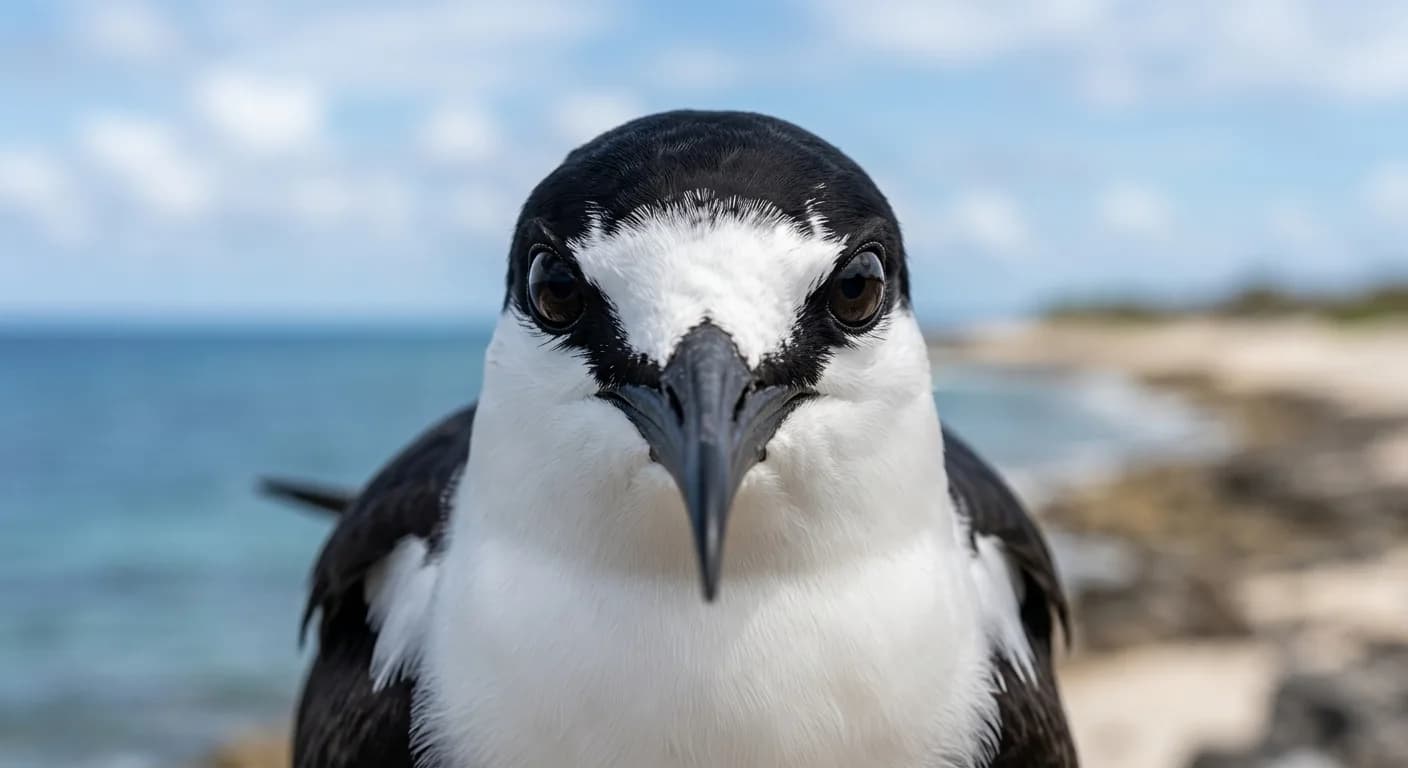
AI-generated images: illustrations, not photographs.

Fun facts

  • It breeds above 4,000 metres, on puna lagoons that freeze overnight: it is one of the highest-living gulls on the planet.
  • Many populations never see the sea: they feed on invertebrates from the high-altitude bogs and on Andean cropland, and only some descend to the Peruvian and Chilean coast in winter.
  • It shares the puna lagoons with the Andean flamingos and the giant coot, an assemblage of high-altitude waterbirds found nowhere else in the world.

Life cycle and biology

Skeleton type
Vertebrate - internal bony skeleton (bird)
Habitat and environment
High Andean lagoons, bogs and wetlands of the puna, between 3,000 and 5,000 metres
Sexual maturity
3 years
Gestation / incubation
25 days of incubation
Litter / clutch size
3 eggs

Sources consulted: IUCN Red List · Animal Diversity Web · Wikipedia (es)

Where to find it

Loading map…

The pins mark the parks where its presence is documented.

Where to see it

Parks and dive sites where this species has been documented.

Related species

Other species in the catalogue with the most in common with Andean Gull — same habitat, park, country, tags or family.

Same taxonomic family
Shares a park
Shares a park

Keep exploring

Based on what we already know about andean gull.

Share an experience, a fun fact or a tip for seeing the andean gull.
See full glossary
This page in other languages: Español · Deutsch · Français · Português · Italiano
See its range on the interactive map→
LaucaChile
HuascaránPeru
CotopaxiEcuador
Eduardo AvaroaBolivia
SajamaBolivia
AntisanaEcuador
TorotoroBolivia
San GuillermoArgentina
Historic Sanctuary of Machu PicchuPeru
Nevado Tres CrucesChile
Least Concern

Gray Gull

Leucophaeus modestus

Kelp GullLeast Concern

Kelp Gull

Larus dominicanus

Royal TernLeast Concern

Royal Tern

Thalasseus maximus

Sooty TernLeast Concern

Sooty Tern

Onychoprion fuscatus

Least Concern

Collared Trogon

Trogon collaris

Least Concern

Green Jay

Cyanocorax yncas

CountriesBolivia
ParksLaucaChile
TagsOmnivore
Omnivore
Diurnal
Colonial
Bird
Mountain
Ocean
Freshwater
Bolivia
Chile
Ecuador
Peru
Argentina