Skip to content
WAnimals
  • Map
  • Species
  • Parks
  • Diving
Log inCreate account
WAnimals

The guide for travellers and animal lovers: discover, plan and share your wild adventures around the world.

Discover wildlife

  • Species
  • Ecosystems
  • Glossary
  • Tags

Explore places

  • Map
  • Countries
  • Parks
  • Diving

Plan experiences

  • Guides

Learn

  • Blog

Resources

  • Help centre
  • Contact
  • Install the app

Follow us

Account

  • Log in
  • Create account

© 2026 WAnimals. All rights reserved.

About usHow we build our profilesTerms of servicePrivacyLegal notice
MapSpeciesParksDiving
  1. Home
  2. Species
  3. Black-and-gold Flat Millipede

One of the 4 millipedes on WAnimals

Millipedes · Polydesmida · Xystodesmidae

Black-and-gold Flat Millipede

Apheloria virginiensis

Not Evaluated

It has not yet been assessed against the IUCN criteria.

Spotted something wrong?

A cyanide millipede, black with strongly contrasting yellow or orange markings, which lives in the leaf litter of the forests of eastern North America feeding on decaying leaves and wood. Its colouring advertises its chemical defence.

Size

3 cm – 5 cm

Diet

Herbivore

Feeds mainly on plants.

Activity

Nocturnal

Active mainly at night.

Social structure

Solitary

Lives and hunts alone, joining others only to breed.

Sighting difficulty

Unknown

Temperate forest
1countries6parks

Fun facts

  • It manufactures hydrogen cyanide: it mixes two compounds stored separately in lateral glands and releases a gas smelling of bitter almonds, enough to kill an insect shut in with it.
  • Several species in the group, all toxic, share the same colour pattern in a case of Müllerian mimicry: predators learn a single signal and avoid them all.
  • Its sixty or so legs are not for running but for pushing: millipedes are burrowers that force their way through compacted leaf litter.
  • It manufactures cyanide. When disturbed, it secretes from lateral pores a mixture that releases hydrogen cyanide, in a quantity sufficient to kill a mouse shut in a container with it.
  • It does not store it ready-made, which would be suicidal: it keeps a precursor, mandelonitrile, in a chamber separate from the enzyme that breaks it down, and only when the two are secreted together is the cyanide released. It is a two-component system, like an epoxy glue.
  • Its smell gives the process away: it smells strongly of bitter almonds, which is the characteristic smell of cyanide.
  • Its yellow and black colours are aposematic, and several species in the group form Müllerian mimicry rings, sharing the same warning pattern.
  • It is harmless if left unhandled, but it is wise to wash your hands after touching one, because the secretion irritates the skin and stains.
  • It is an important decomposer of the leaf litter of the Appalachian forests.

Life cycle and biology

Skeleton type
Invertebrate - chitin exoskeleton (myriapod)
Habitat and environment
Leaf litter and decaying wood of the deciduous forests of eastern North America

Sources consulted: Marek et al., trabajos sobre mimetismo y defensa química en Xystodesmidae; Universidad de Virginia Tech; Eisner, For Love of Insects

Where to find it

Loading map…

The pins mark the parks where its presence is documented.

Where to see it

Parks and dive sites where this species has been documented.

Related species

Other species in the catalogue with the most in common with Black-and-gold Flat Millipede — same habitat, park, country, tags or family.

Shares a park
Shares a park
Shares a park
Shares a park
Shares a park
Shares a park

Keep exploring

Based on what we already know about black-and-gold flat millipede.

Comments

Share an experience, a fun fact or a tip for seeing the black-and-gold flat millipede.

Be the first to comment.
See full glossary
This page in other languages: Español · Deutsch · Français · Português · Italiano
See its range on the interactive map→
Great Smoky MountainsUnited States
Mammoth CaveUnited States
CongareeUnited States
ShenandoahUnited States
Cuyahoga ValleyUnited States
New River GorgeUnited States
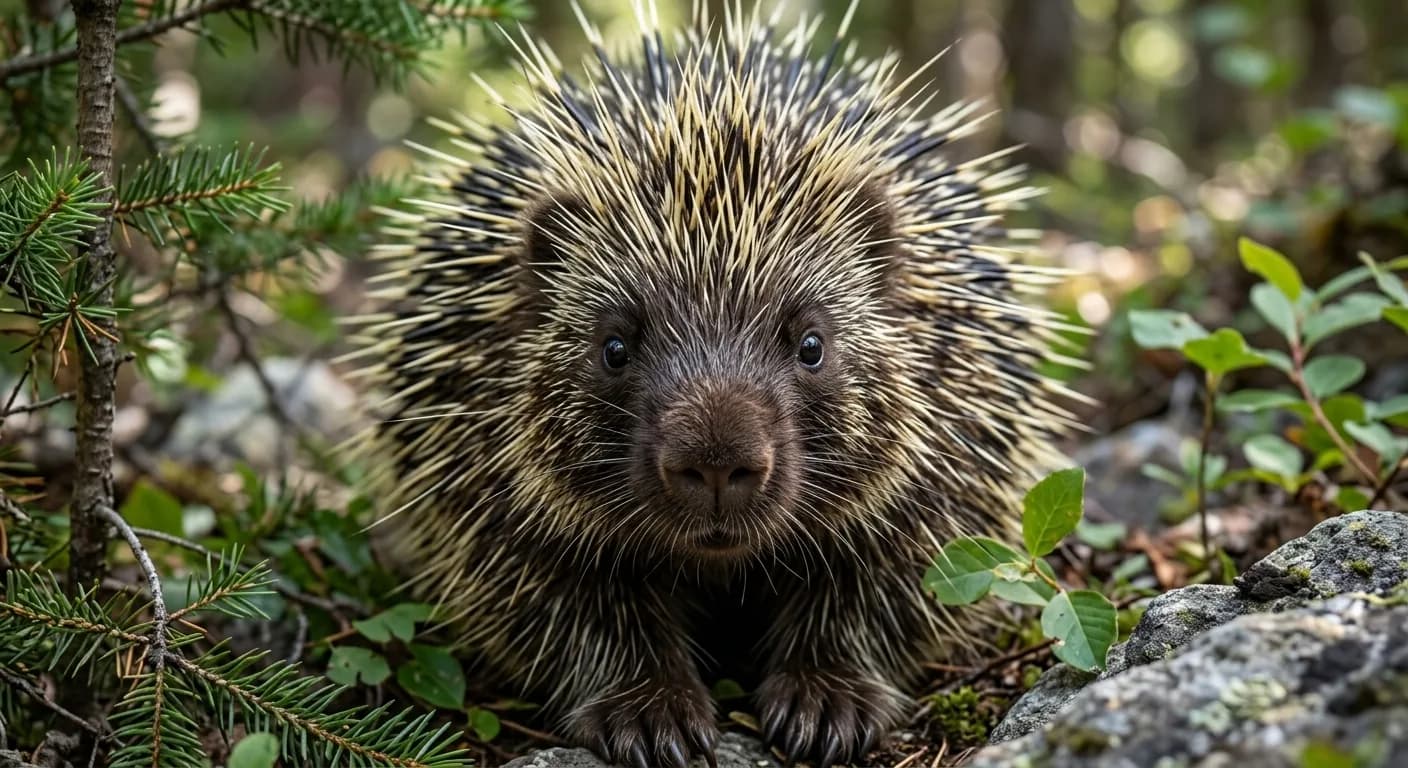
North American PorcupineLeast Concern

North American Porcupine

Erethizon dorsatum

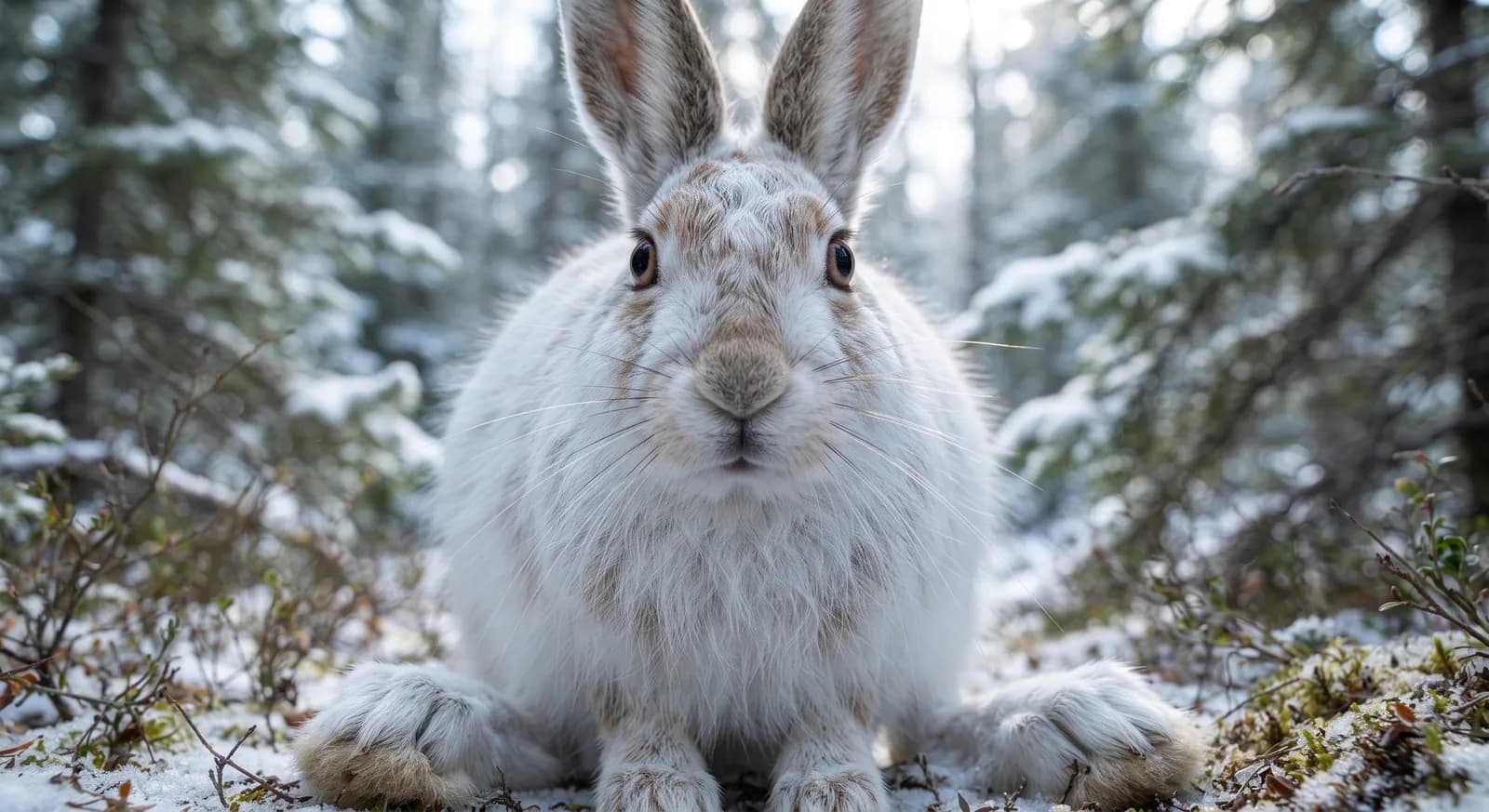
Snowshoe HareLeast Concern

Snowshoe Hare

Lepus americanus

Not Evaluated

North American Luna Moth

Actias luna

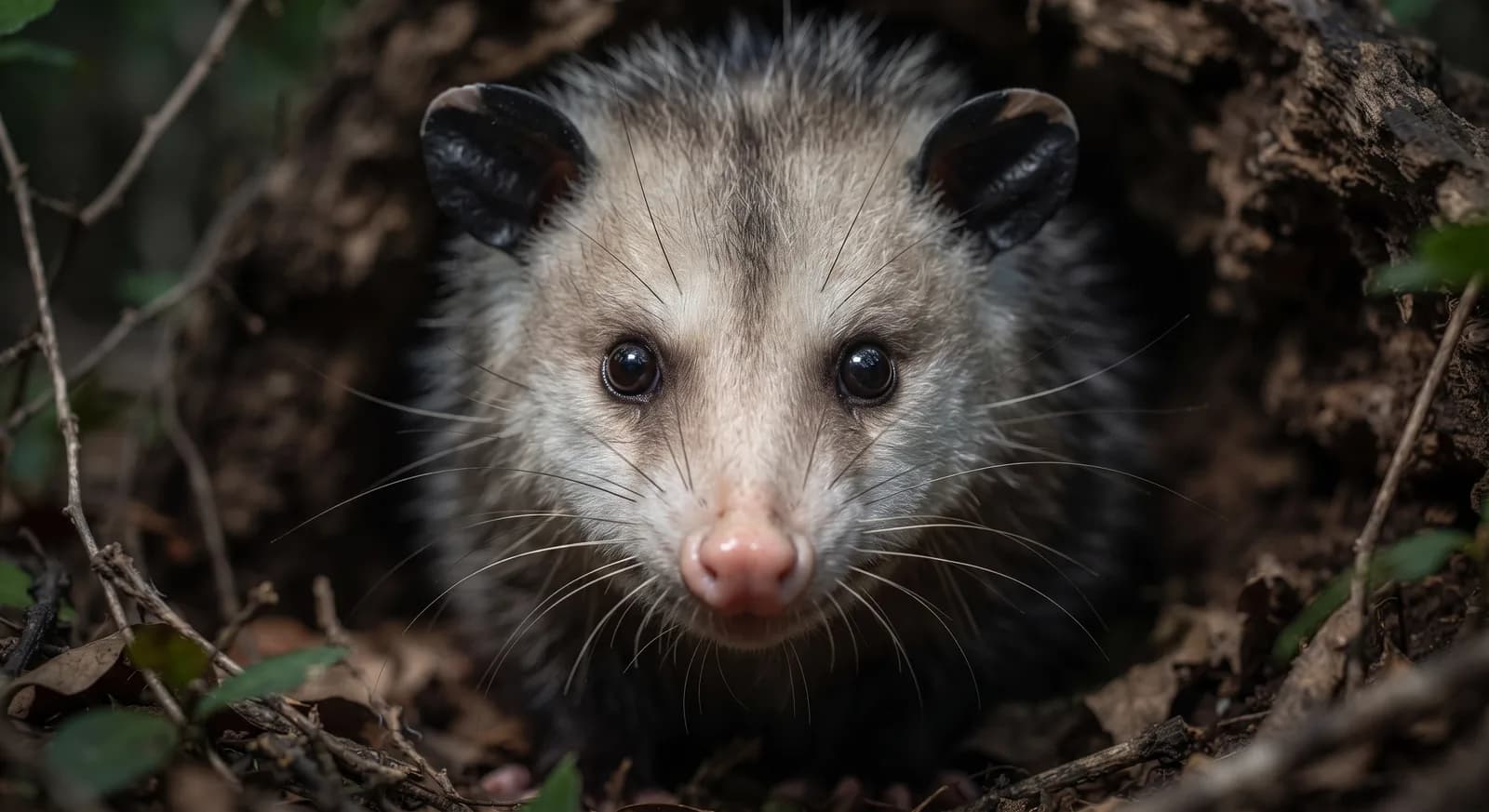
Virginia OpossumLeast Concern

Virginia Opossum

Didelphis virginiana

Least Concern

Southern Flying Squirrel

Glaucomys volans

Least Concern

Eastern Cottontail

Sylvilagus floridanus

CountriesUnited States
ParksGreat Smoky MountainsUnited States
TagsHerbivore
Herbivore
Nocturnal
Solitary
Temperate forest
Myriapod
United States