Skip to content
WAnimals
  • Map
  • Species
  • Parks
  • Diving
Log inCreate account
WAnimals

The guide for travellers and animal lovers: discover, plan and share your wild adventures around the world.

Discover wildlife

  • Species
  • Ecosystems
  • Glossary
  • Tags

Explore places

  • Map
  • Countries
  • Parks
  • Diving

Plan experiences

  • Guides

Learn

  • Blog

Resources

  • About us
  • How we build our profiles
  • Help centre
  • Contact
  • Install the app

Follow us

Account

  • Log in
  • Create account

© 2026 WAnimals. All rights reserved.

Terms of servicePrivacyCookiesLegal notice
MapSpeciesParksDiving
  1. Home
  2. Species
  3. Calandra Lark
Calandra Lark (Melanocorypha calandra)

Birds · Passeriformes · Alaudidae

Calandra Lark

Melanocorypha calandra

Least Concern

The species is abundant and widely distributed; it faces no significant short-term risk.

Spotted something wrong?

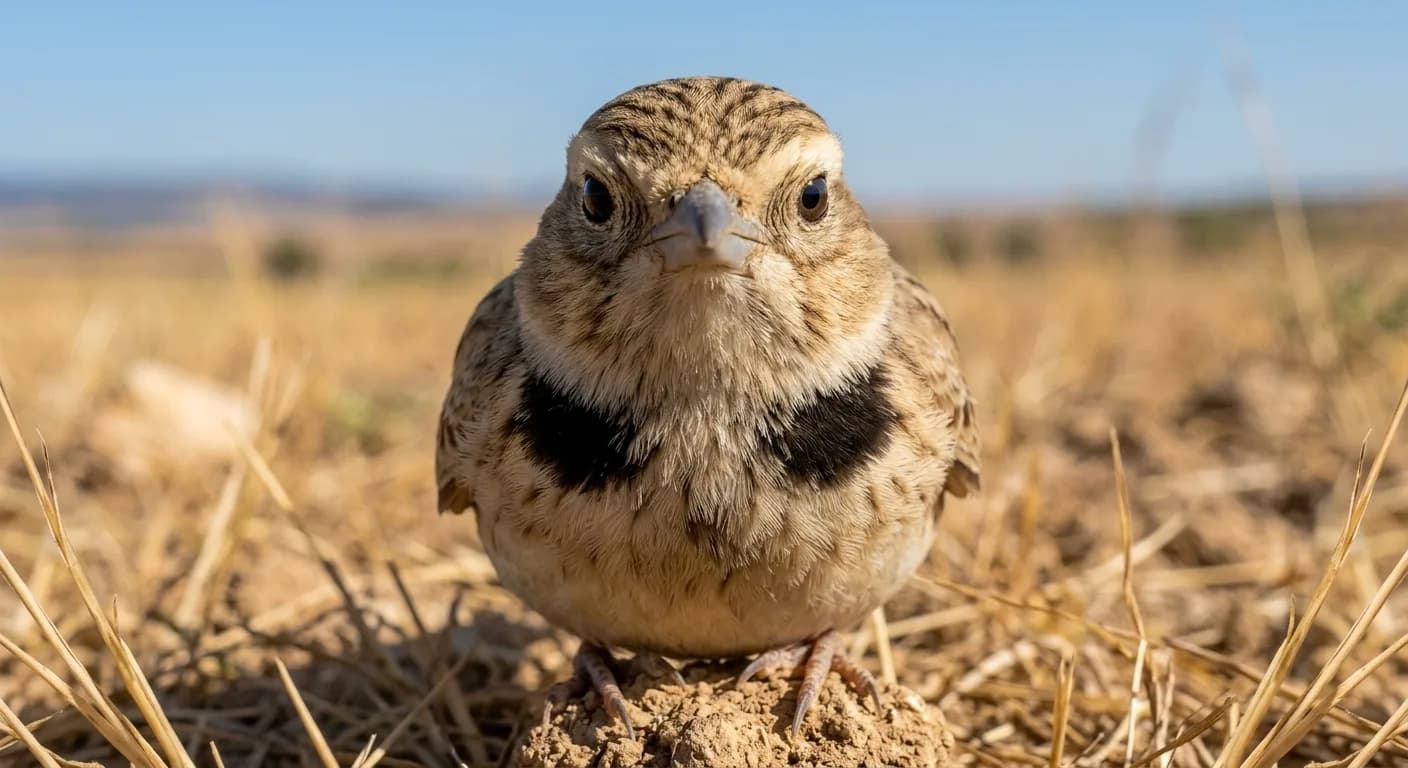
The largest of the Iberian larks, with brown plumage, a white belly and a striking black patch on either side of the neck. The claw of the hind toe is elongated. The sexes look alike. In flight the white trailing edge of the wings stands out, a feature it shares with the skylark.

Weight

55 g – 63 g

Size

25 cm – 27 cm

Life expectancy

4 years
Diet

Omnivore

Combines animal and plant food depending on availability.

Activity

Diurnal

Active mainly during the day.

Social structure

In pairs

Usually lives in pairs, sometimes for life.

Grassland
5countries13parks4same family

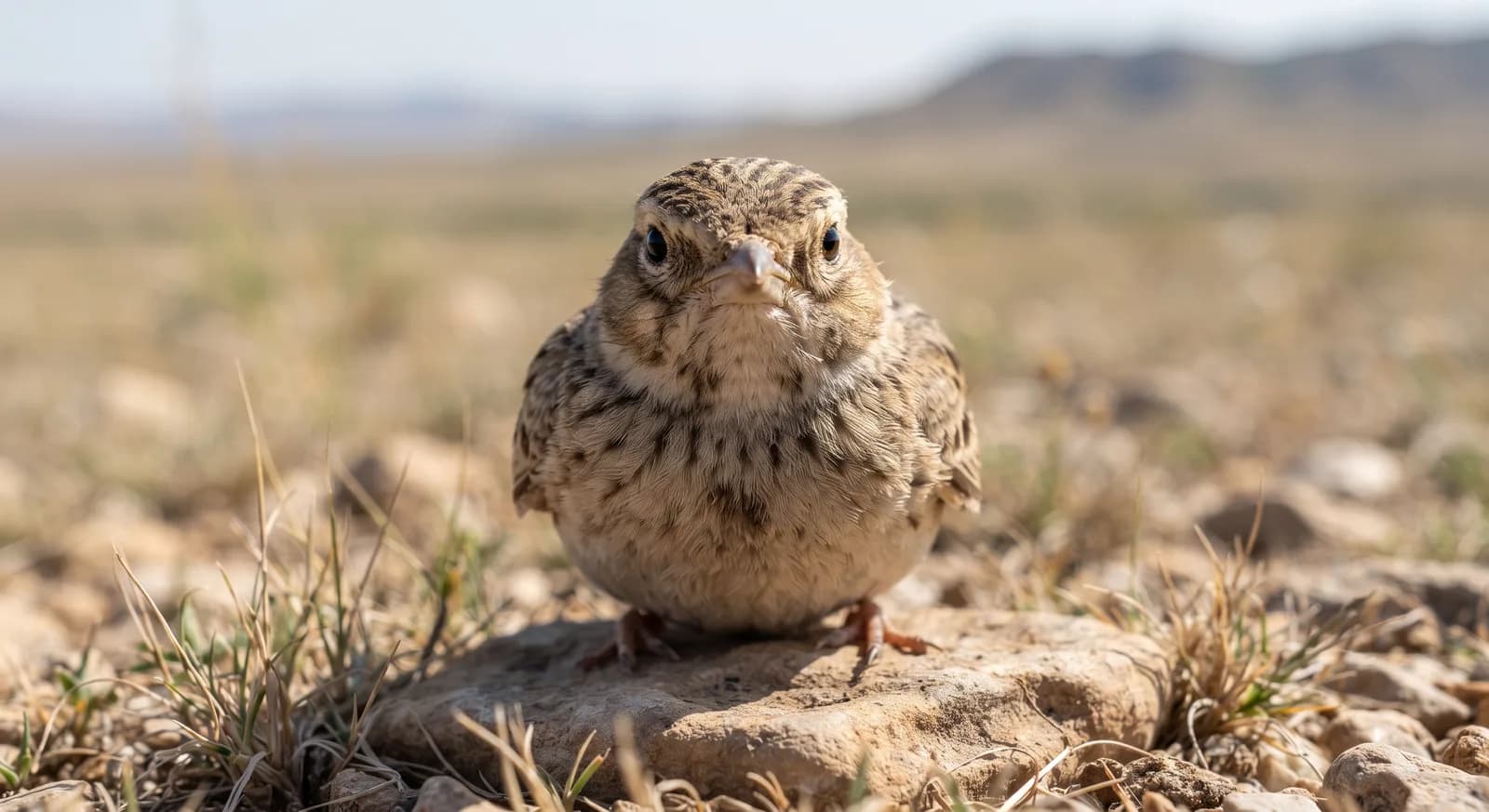
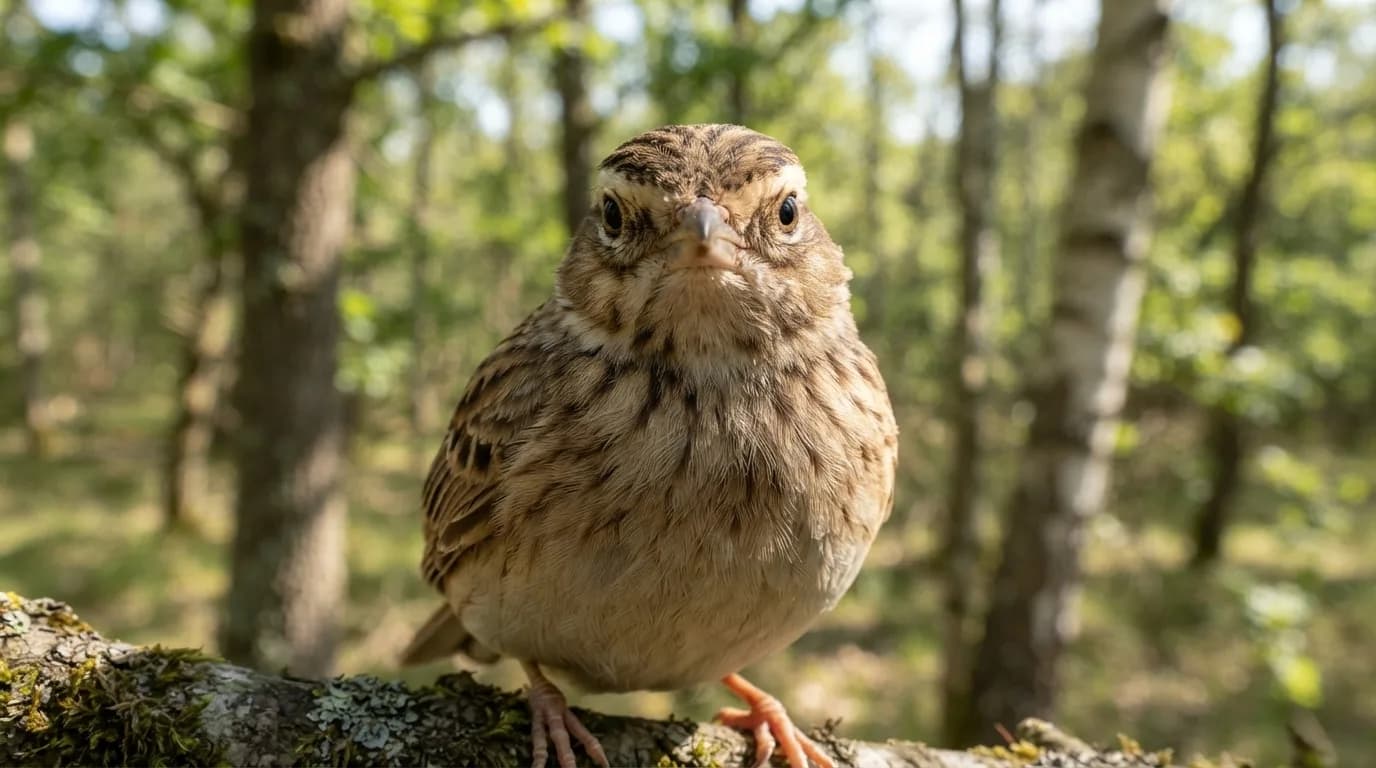
AI-generated images: illustrations, not photographs.

Fun facts

  • GeneralA great mimic: it works the calls of other steppe birds into its own song.
  • It has an extraordinary facility for imitating the songs of other birds, and the males are far more skilled than the females.
  • Its courtship dance consists of gliding slowly with the wings held at an angle and the tail well spread, singing as it rises and falls.
  • Its name comes from the Greek kalandros, the name the ancients gave to this very bird.

Life cycle and biology

Skeleton type
Vertebrate - internal bony skeleton (bird)
Habitat and environment
Cereal steppe and dry farmland plains
Birth weight
Altricial: born blind, naked or with sparse down and entirely dependent
Size at birth
Altricial: born blind, naked or with sparse down and entirely dependent
Sexual maturity
1 year
Gestation / incubation
11-12 days of incubation
Litter / clutch size
It builds its nest sheltered in small shrubs or among cereal crops, from twigs and grass, and rarely in the open

Sources consulted: IUCN Red List · SEO/BirdLife (programa Sacre y campaña sobre aves agrarias) · Wikipedia (Melanocorypha calandra) · Anexo Aves de España · Linnaeus 1766 · Boie 1828

Where to find it

Best time: The mating season, when the males sing almost all day

Loading map…

The pins mark the parks where its presence is documented.

Where to see it

Parks and dive sites where this species has been documented — showing 10 of 13.

Related species

Other species in the catalogue with the most in common with Calandra Lark — same habitat, park, country, tags or family.

Same taxonomic family
Shares a park
Shares a park

Keep exploring

Based on what we already know about calandra lark.

Share an experience, a fun fact or a tip for seeing the calandra lark.
See full glossary
This page in other languages: Español · Deutsch · Français · Português · Italiano
See its range on the interactive map→
Doñana National ParkSpain
Alta MurgiaItaly
CabañerosSpain
MonfragüeSpain
Tablas de DaimielSpain
Sierra de GuadarramaSpain
Ebro DeltaSpain
Douro InternacionalPortugal
Kuş CennetiTürkiye
Köprülü KanyonTürkiye
See all 13 parks
WoodlarkLeast Concern

Woodlark

Lullula arborea

Least Concern

Eurasian Skylark

Alauda arvensis

Least Concern

Crested Lark

Galerida cristata

Greater Short-toed LarkLeast Concern

Greater Short-toed Lark

Calandrella brachydactyla

Least Concern

Eurasian Collared Dove

Streptopelia decaocto

Least Concern

Black-bellied Sandgrouse

Pterocles orientalis

CountriesSpain
ParksDoñana National ParkSpain
TagsOmnivore
Omnivore
Diurnal
In pairs
Bird
Grassland
Spain
Italy
Türkiye
Portugal
Russia