Skip to content
WAnimals
  • Map
  • Species
  • Parks
  • Diving
Log inCreate account
WAnimals

The guide for travellers and animal lovers: discover, plan and share your wild adventures around the world.

Discover wildlife

  • Species
  • Ecosystems
  • Glossary
  • Tags

Explore places

  • Map
  • Countries
  • Parks
  • Diving

Plan experiences

  • Guides

Learn

  • Blog

Resources

  • Help centre
  • Contact
  • Install the app

Follow us

Account

  • Log in
  • Create account

© 2026 WAnimals. All rights reserved.

About usHow we build our profilesTerms of servicePrivacyLegal notice
MapSpeciesParksDiving
  1. Home
  2. Species
  3. Crested Lark

Birds · Passeriformes · Alaudidae

Crested Lark

Galerida cristata

Least Concern

The species is abundant and widely distributed; it faces no significant short-term risk.

Spotted something wrong?

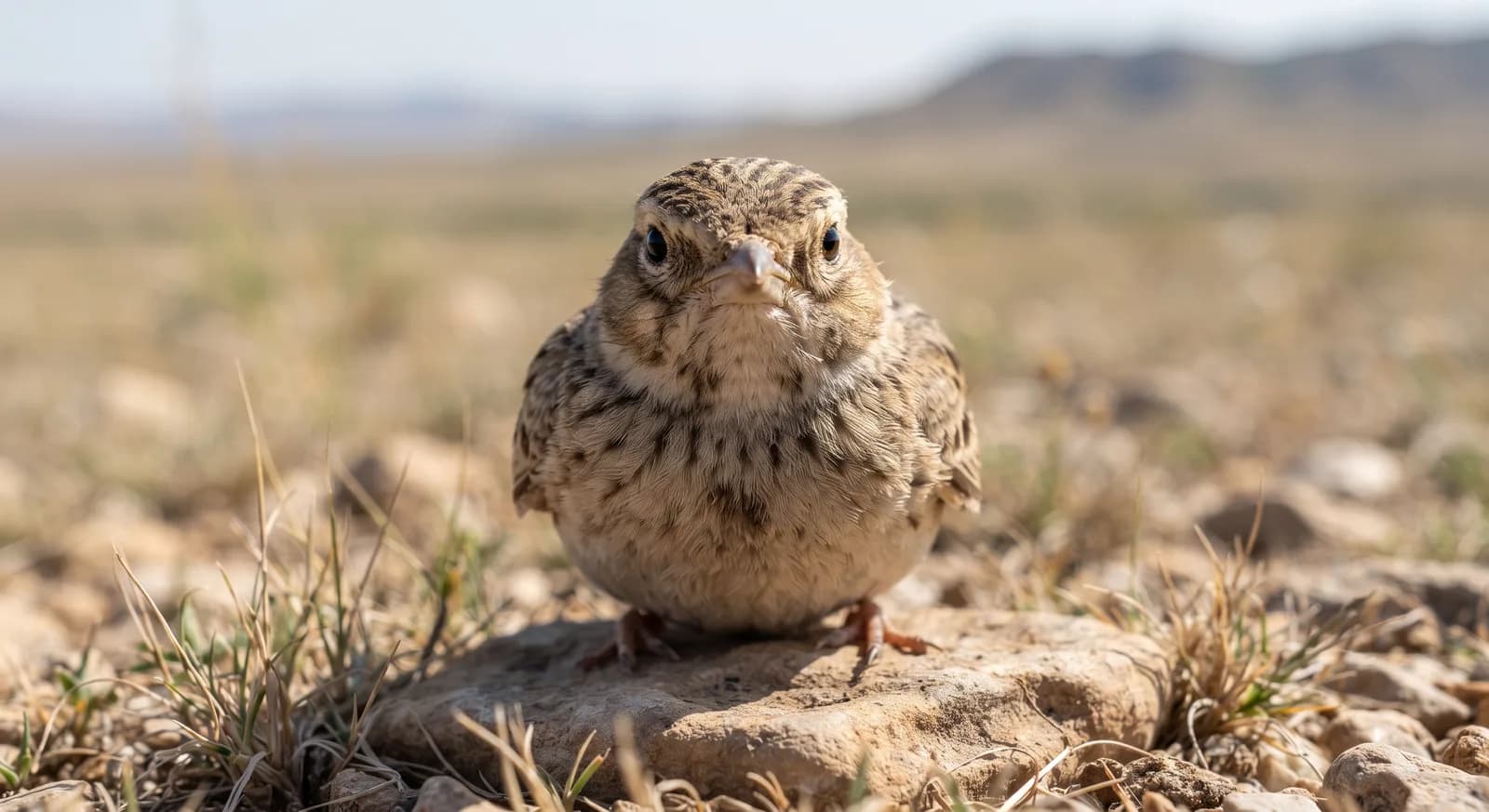
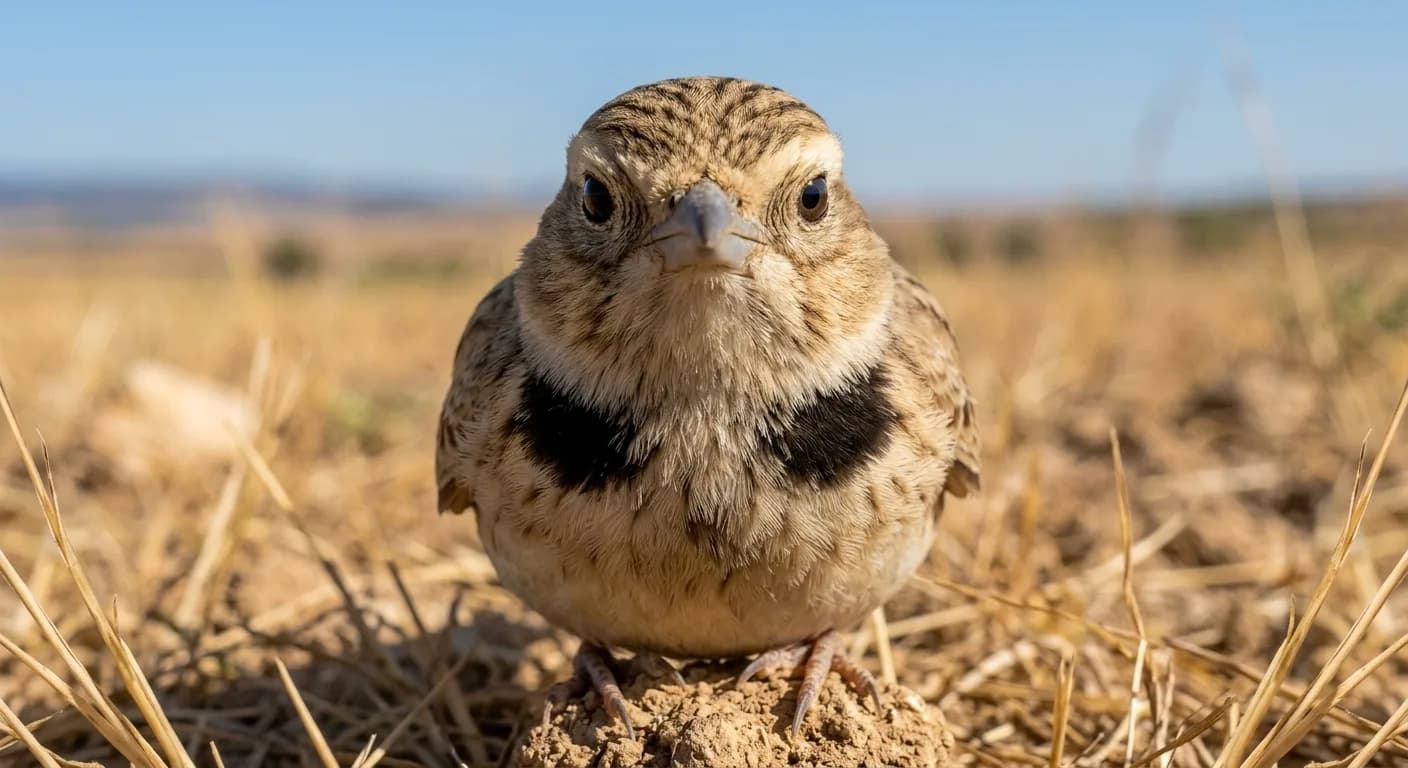
A lark with highly cryptic plumage, sandy brown with brown lengthwise streaks, adapted to blending in on dry farmland and steppe. Its distinguishing feature is a long, narrow, pointed crest formed of fine, almost black feathers at the back of the head. The underparts are brownish white with the throat and breast densely spotted.

Weight

42 g – 45 g

Size

16 cm – 18 cm

Life expectancy

5 years

Diet

Omnivore

Combines animal and plant food depending on availability.

Activity

Diurnal

Active mainly during the day.

Social structure

In pairs

Usually lives in pairs, sometimes for life.

Sighting difficulty

Easy

59countries144parks4same family

Fun facts

  • GeneralIts pointed crest is always up, which sets it apart from the other larks.
  • It is told apart from the skylark by its longer, more pointed crest; that is the most practical field criterion between the two.
  • It often nests on the verges of country tracks, a habit that leaves it very vulnerable to traffic and to clearance.
  • Linnaeus described it within the genus Alauda; it did not move to Galerida until 1821, and in 1865 there was a proposal to return it to Alauda for lack of clear diagnostic characters.

Life cycle and biology

Skeleton type
Vertebrate - internal bony skeleton (bird)
Habitat and environment
Waste ground, verges, fallow land and open lots
Gestation / incubation
About 12 days, with the female doing most of the incubating
Litter / clutch size
3-6 pale eggs with heavy dark speckling, in a hollow on the ground lined with dry grass under the shelter of a small shrub. It may have two clutches a year and the chicks become independent a few days after hatching

Sources consulted: IUCN Red List; Catálogo Nacional de Especies Amenazadas; Sierra de Baza (ficha técnica); Wikipedia (Crested lark); Linnaeus 1758; Boie 1821

Where to find it

Best time: All year round: it is resident and does not migrate

Loading map…

Where to see it

Parks and dive sites where this species has been documented — showing 10 of 144.

Related species

Other species in the catalogue with the most in common with Crested Lark — same habitat, park, country, tags or family.

Same taxonomic family
Shares a park
Shares a park

Keep exploring

Based on what we already know about crested lark.

Comments

Share an experience, a fun fact or a tip for seeing the crested lark.

Be the first to comment.

See full glossary
This page in other languages: Español · Deutsch · Français · Português · Italiano

The pins mark the parks where its presence is documented.
See its range on the interactive map→
Doñana National ParkSpain
Gran ParadisoItaly
VanoiseFrance
Stelvio (Stilfserjoch)Italy
EcrinsFrance
MercantourFrance
TriglavSlovenia
Sierra de las NievesSpain
Peneda-GeresPortugal
CévennesFrance
See all 144 parks
Calandra LarkLeast Concern

Calandra Lark

Melanocorypha calandra

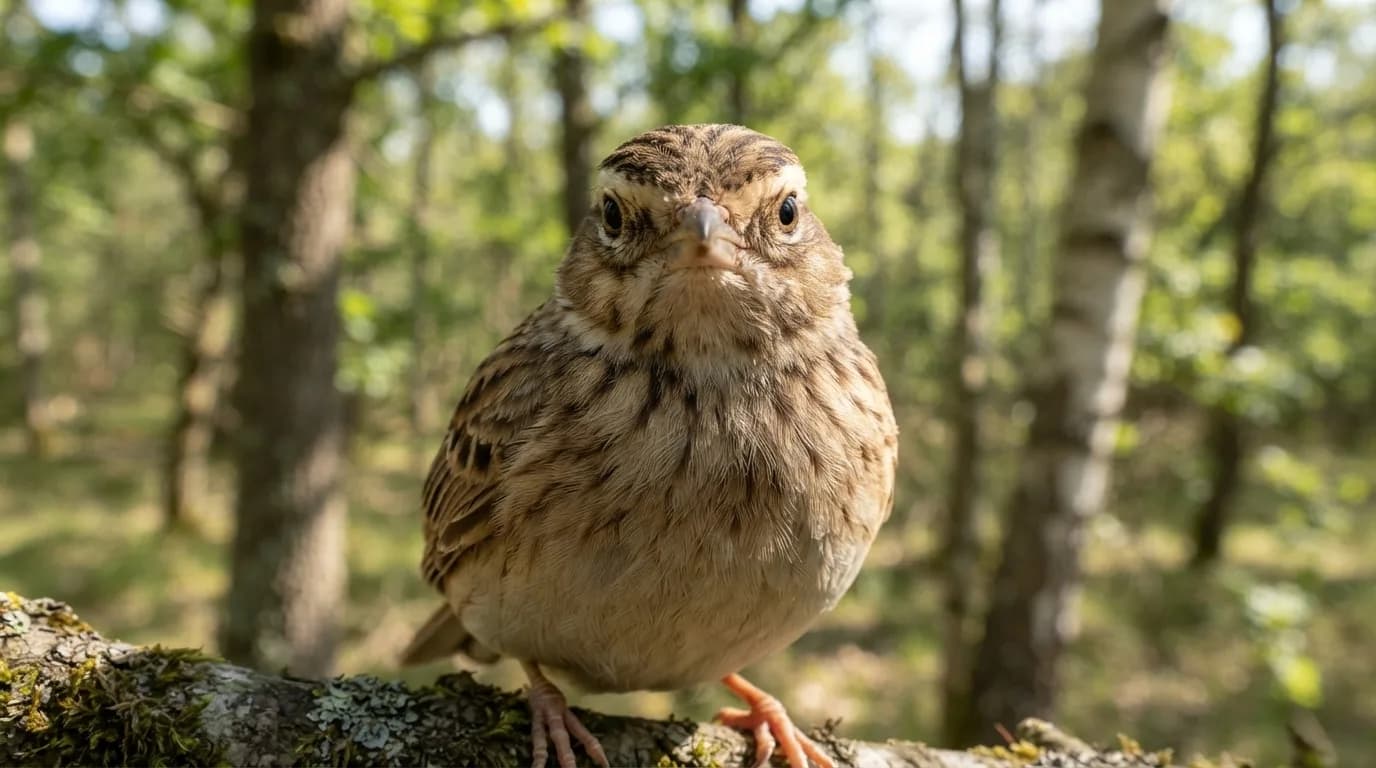
WoodlarkLeast Concern

Woodlark

Lullula arborea

Least Concern

Eurasian Skylark

Alauda arvensis

Greater Short-toed LarkLeast Concern

Greater Short-toed Lark

Calandrella brachydactyla

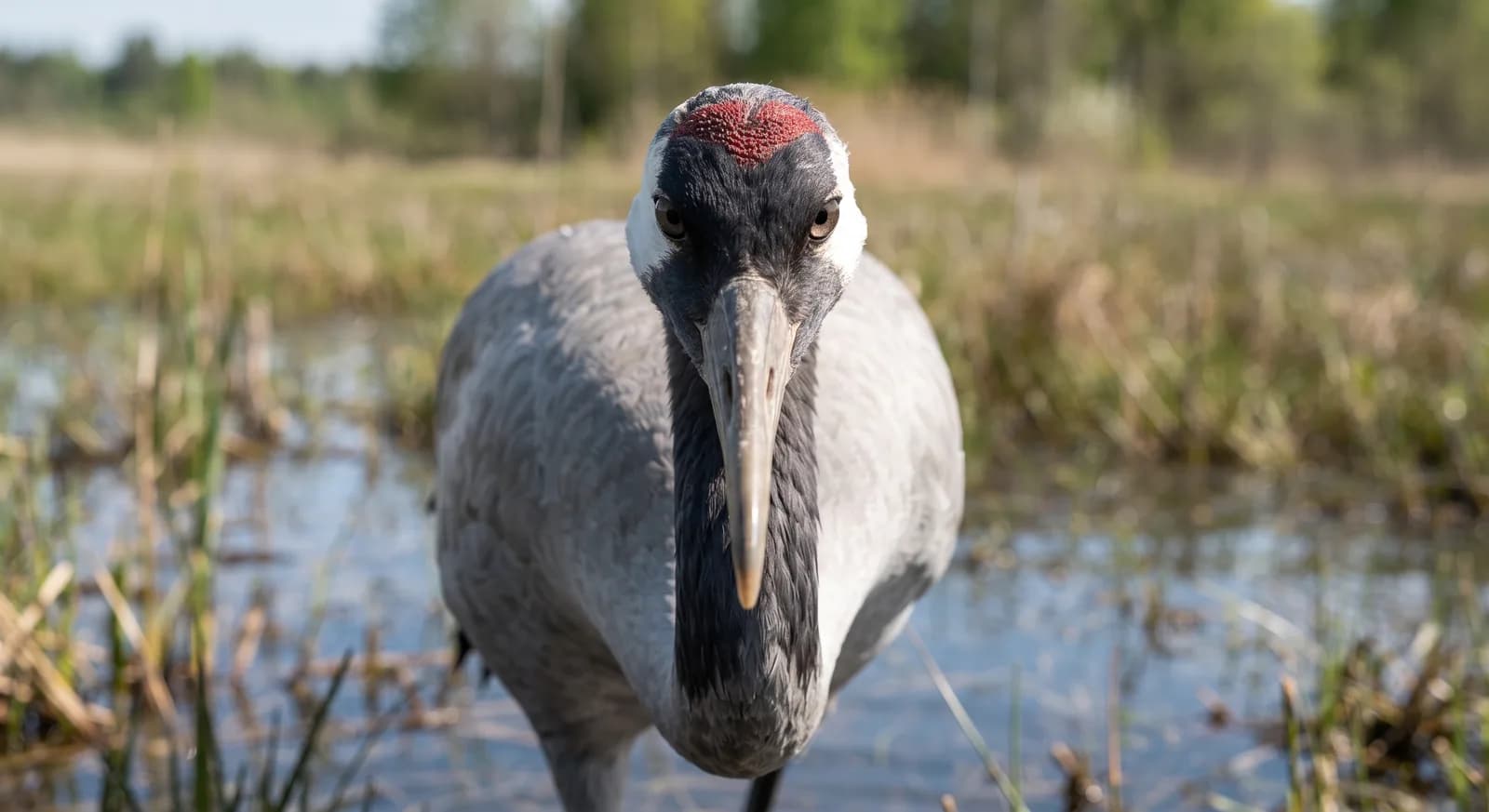
Common CraneLeast Concern

Common Crane

Grus grus

Least Concern

Common Moorhen

Gallinula chloropus

CountriesItaly
ParksDoñana National ParkSpain
TagsOmnivore
Omnivore
Diurnal
In pairs
Bird

Europe44

Asia12

Africa3

Italy
Spain
France
Greece
Hungary
Portugal
Albania
Andorra
Austria
Belarus
Belgium
Bosnia and Herzegovina
Bulgaria
Croatia
Cyprus
Czechia
Denmark
Estonia
Finland
France
Germany
Gibraltar
Greece
Hungary
Ireland
Italy
Kosovo
Latvia
Liechtenstein
Lithuania
Luxembourg
Malta
Moldova
Monaco
Montenegro
Netherlands
North Macedonia
Norway
Poland
Portugal
Romania
San Marino
Serbia
Slovakia
Slovenia
Spain
Sweden
Switzerland
Ukraine
United Kingdom
Armenia
Azerbaijan
China
Georgia
India
Israel
Jordan
Lebanon
Palestine
Russia
Syria
Türkiye
Algeria
Morocco
Tunisia