Skip to content
WAnimals
  • Map
  • Species
  • Parks
  • Diving
Log inCreate account
WAnimals

The guide for travellers and animal lovers: discover, plan and share your wild adventures around the world.

Discover wildlife

  • Species
  • Ecosystems
  • Glossary
  • Tags

Explore places

  • Map
  • Countries
  • Parks
  • Diving

Plan experiences

  • Guides

Learn

  • Blog

Resources

  • Help centre
  • Contact
  • Install the app

Follow us

Account

  • Log in
  • Create account

© 2026 WAnimals. All rights reserved.

About usHow we build our profilesTerms of servicePrivacyLegal notice
MapSpeciesParksDiving
  1. Home
  2. Species
  3. Eurasian Skylark

Birds · Passeriformes · Alaudidae

Eurasian Skylark

Alauda arvensis

Least Concern

The species is abundant and widely distributed; it faces no significant short-term risk.

Spotted something wrong?

A typical lark of brown tones with dark streaking, an elongated, robust body, a strong bill and long legs, wings and tail. It combines a small crest, a pale face mask, a streaked breast, a white trailing edge to the wings and white outer tail feathers. Its flight is fast and highly manoeuvrable, with prolonged hovering and dizzying ascents.

Weight

30 g on average

Size

18 cm – 19 cm

Life expectancy

3 years

Diet

Omnivore

Combines animal and plant food depending on availability.

Activity

Diurnal

Active mainly during the day.

Social structure

In pairs

Usually lives in pairs, sometimes for life.

Sighting difficulty

Easy

Estimated population

2.32-2.54 million breeding individuals in Spain according to the Third Atlas

Grassland
59countries272parks4same family

Fun facts

  • It sings in flight, sometimes so high that it can barely be made out as a speck in the sky, and strings trills together without pause for minutes on end.
  • Like almost all larks it is barely visible on the ground: it is detected by voice before sight.
  • It is confused with Thekla's lark, although its crest is somewhat smaller and less pointed.

Life cycle and biology

Skeleton type
Vertebrate - internal bony skeleton (bird)
Habitat and environment
Open habitats: grassland, cereal crops, pasture, moorland, saltmarsh and airfields. It occupies almost every bioclimatic belt and reaches 3,000 m; it is commonest on the high plateaus of Castile and León and in mountain pasture. It tolerates a temperature range from -14.8 °C to 36.3 °C
Birth weight
Altricial: born blind, naked or with sparse down and entirely dependent
Size at birth
Altricial: born blind, naked or with sparse down and entirely dependent
Sexual maturity
12 months
Gestation / incubation
11 days
Litter / clutch size
3

Sources consulted: SEO/BirdLife (ficha y III Atlas: Del Moral y Molina 2022); Libro Rojo de las Aves de España 2021 (Pérez-Granados et al.); Asturnatura; MITECO (Inventario Nacional); programa Sacre; eBird

Where to find it

Best time: All year round in the northern half of the peninsula; it is far easier to detect by song than by sight

Loading map…

Where to see it

Parks and dive sites where this species has been documented — showing 10 of 272.

Related species

Other species in the catalogue with the most in common with Eurasian Skylark — same habitat, park, country, tags or family.

Same taxonomic family
Shares a park
Shares a park

Keep exploring

Based on what we already know about eurasian skylark.

Comments

Share an experience, a fun fact or a tip for seeing the eurasian skylark.

Be the first to comment.

See full glossary
This page in other languages: Español · Deutsch · Français · Português · Italiano

The pins mark the parks where its presence is documented.
See its range on the interactive map→
Doñana National ParkSpain
SarekSweden
PadjelantaSweden
JotunheimenNorway
HardangerviddaNorway
Pallas-YllastunturiFinland
Urho KekkonenFinland
Lake DistrictUnited Kingdom
CairngormsUnited Kingdom
Snowdonia (Eryri)United Kingdom
See all 272 parks
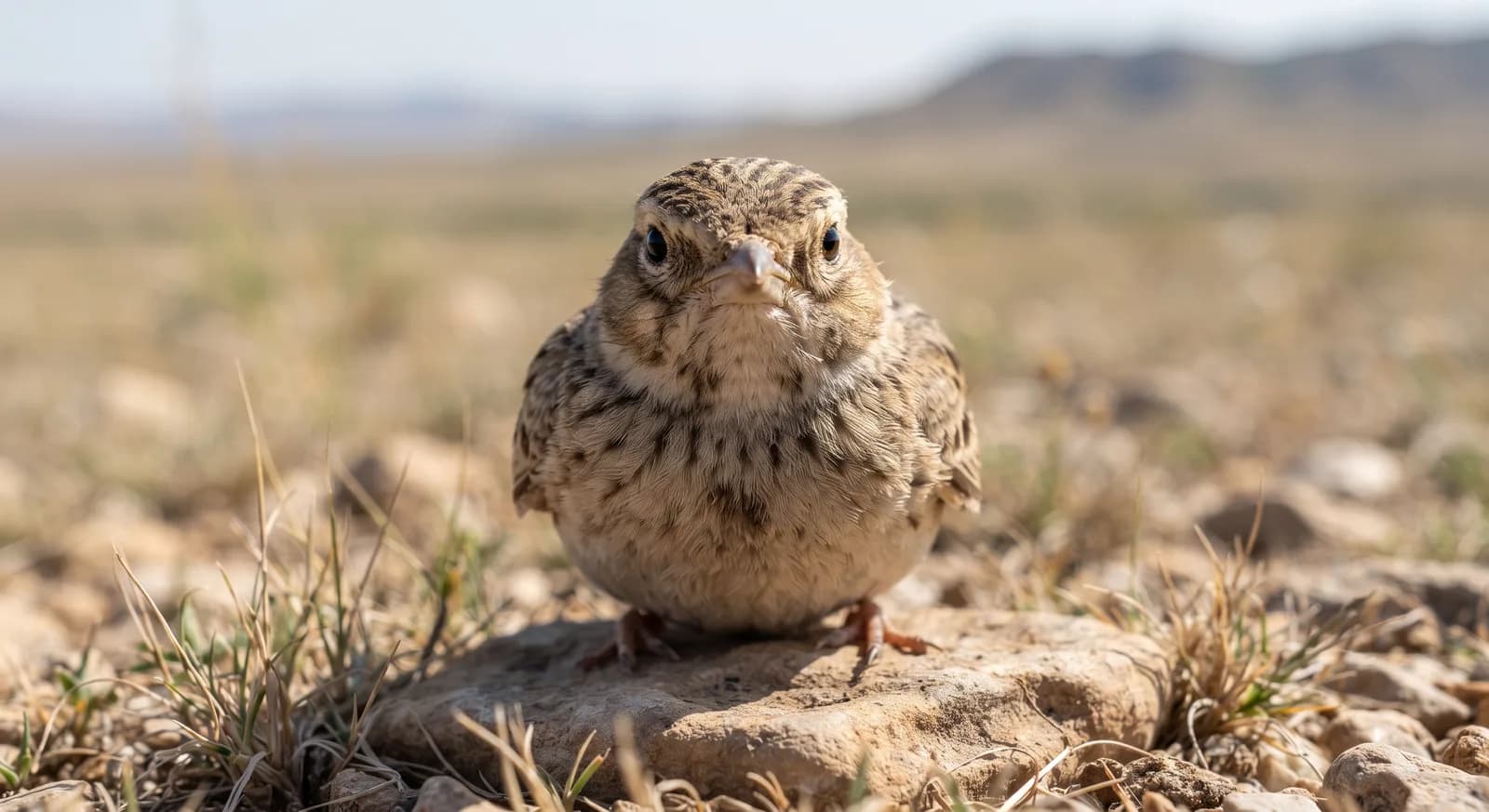
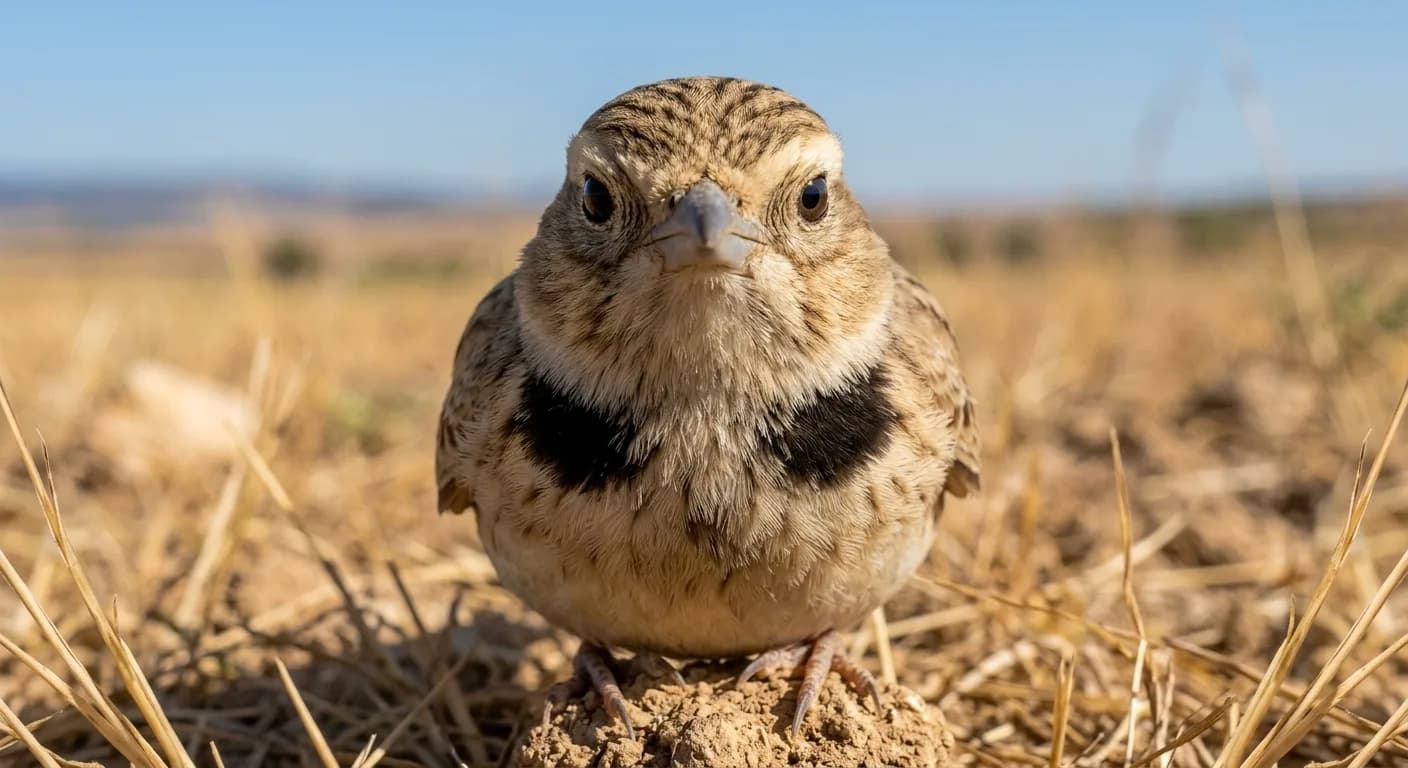
Calandra LarkLeast Concern

Calandra Lark

Melanocorypha calandra

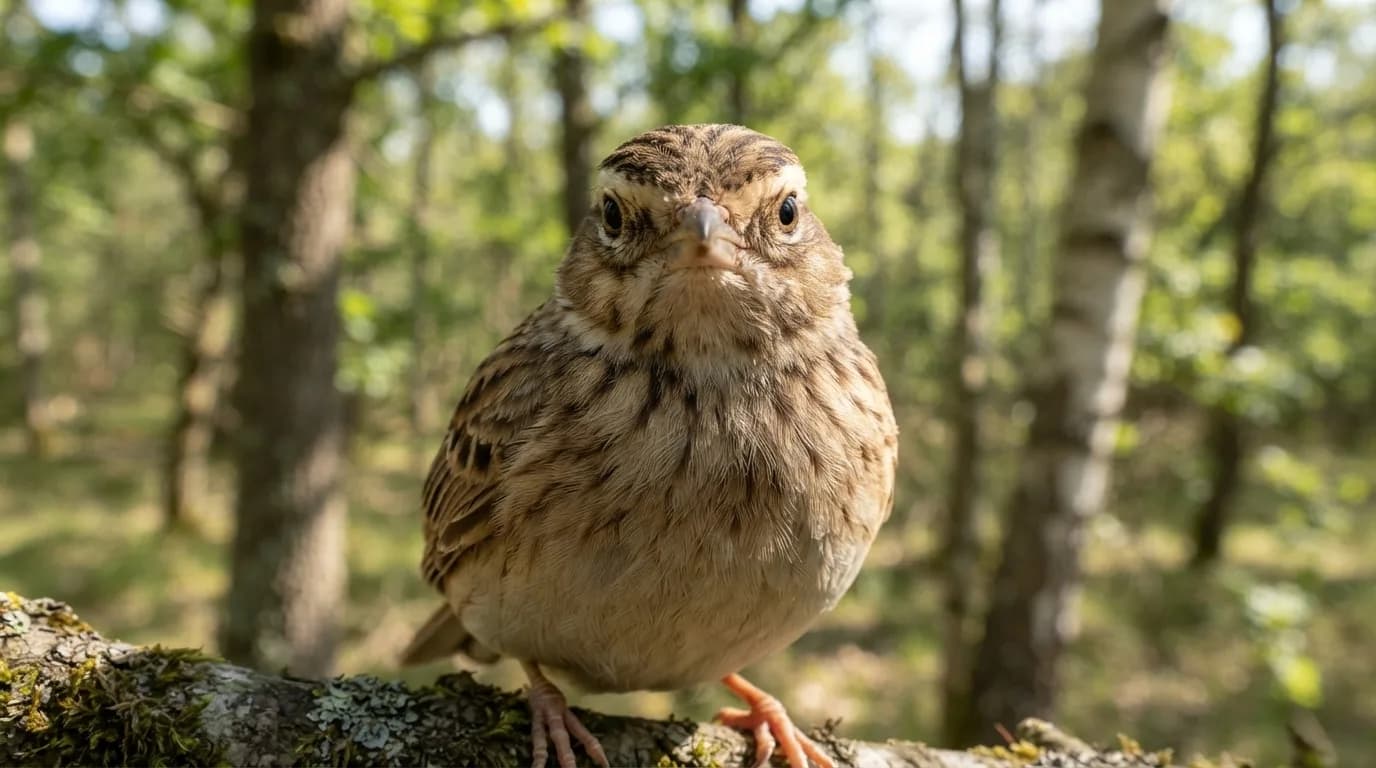
WoodlarkLeast Concern

Woodlark

Lullula arborea

Least Concern

Crested Lark

Galerida cristata

Greater Short-toed LarkLeast Concern

Greater Short-toed Lark

Calandrella brachydactyla

Least Concern

Eurasian Collared Dove

Streptopelia decaocto

Least Concern

Black-bellied Sandgrouse

Pterocles orientalis

CountriesSpain
ParksDoñana National ParkSpain
TagsOmnivore
Omnivore
Diurnal
In pairs
Bird
Grassland

Europe40

Africa12

Asia7

Spain
Poland
Finland
Italy
Sweden
United Kingdom
Albania
Andorra
Austria
Belarus
Belgium
Bosnia and Herzegovina
Bulgaria
Croatia
Czechia
Denmark
Estonia
Finland
France
Germany
Greece
Hungary
Ireland
Italy
Kosovo
Latvia
Liechtenstein
Lithuania
Luxembourg
Moldova
Montenegro
Netherlands
North Macedonia
Norway
Poland
Portugal
Romania
San Marino
Serbia
Slovakia
Slovenia
Spain
Sweden
Switzerland
Ukraine
United Kingdom
Algeria
Burkina Faso
Chad
Egypt
Libya
Mali
Mauritania
Morocco
Niger
Senegal
Sudan
Tunisia
Armenia
Azerbaijan
Georgia
Mongolia
Russia
Türkiye
Uzbekistan