Birds · Passeriformes · Alaudidae
Calandrella brachydactyla
The species is abundant and widely distributed; it faces no significant short-term risk.
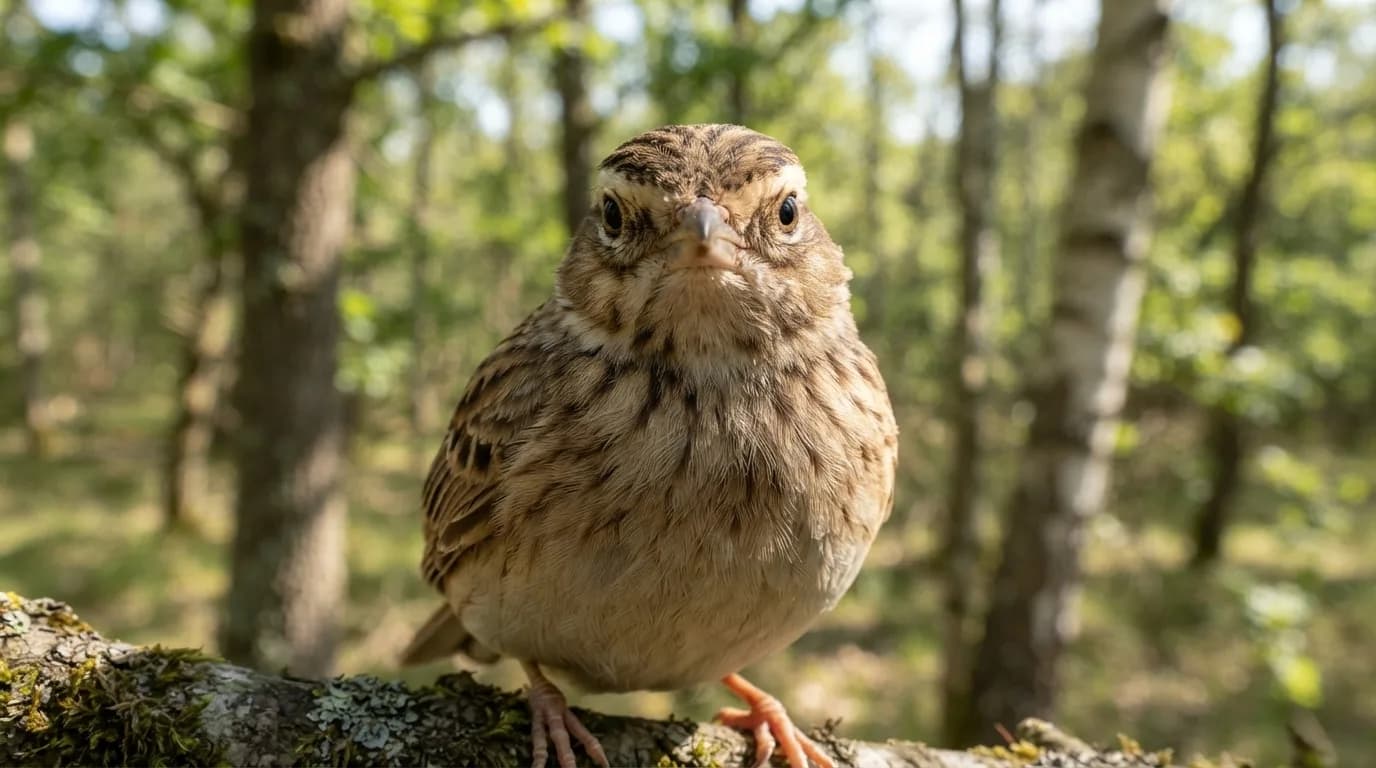
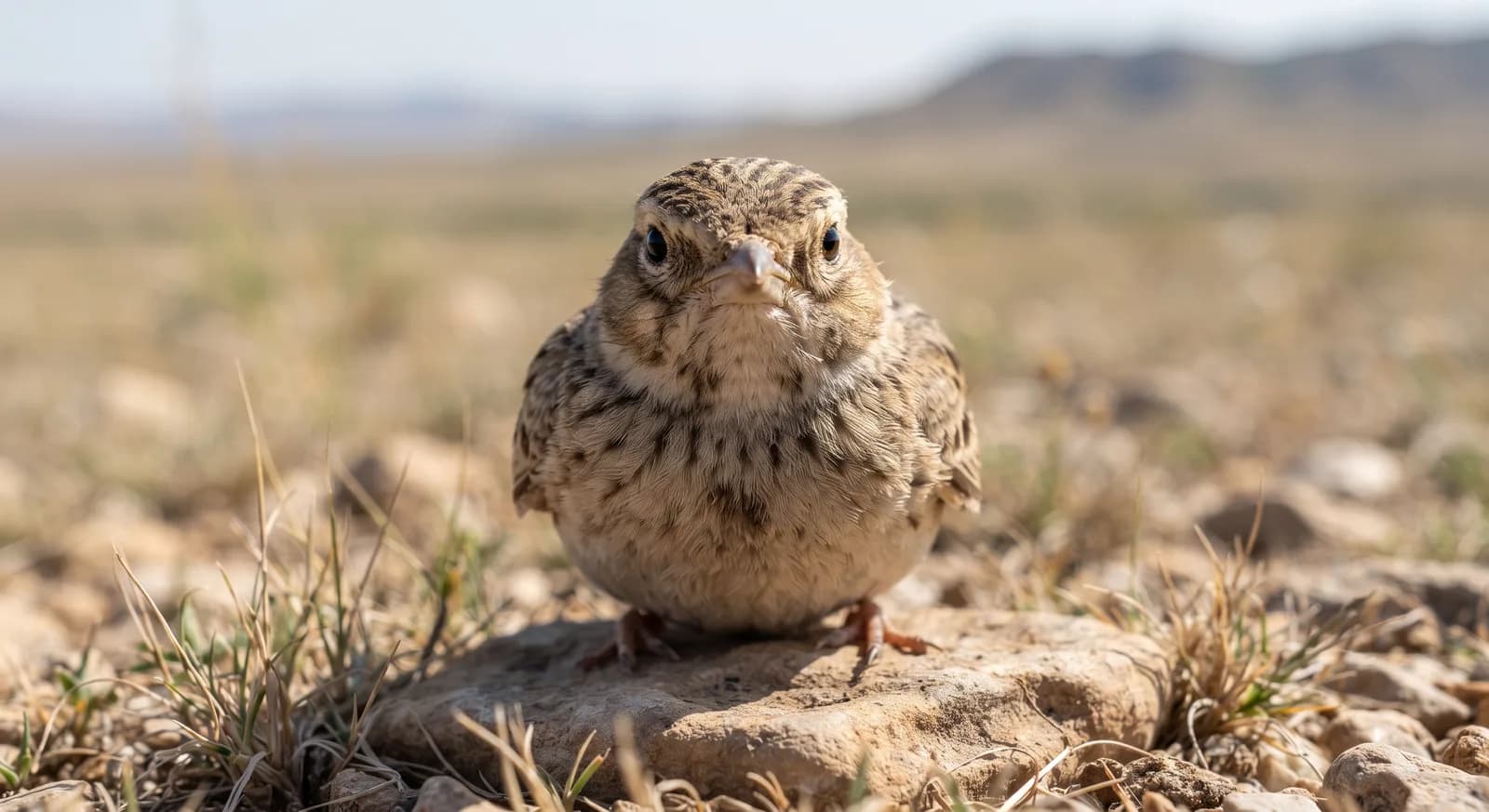
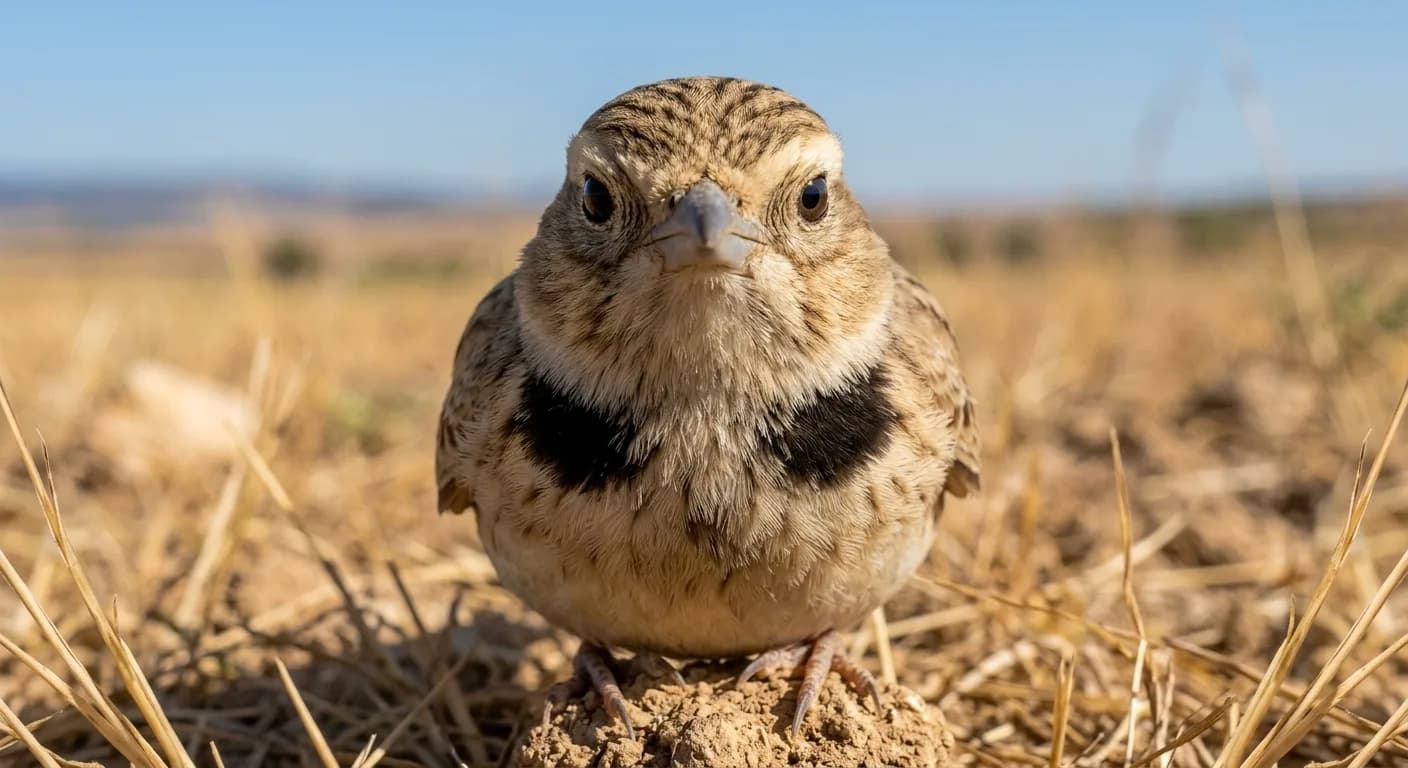
A small, pale, round-headed lark that spends almost all its time on the ground, running between sparse vegetation. Its best identification mark is a small dark patch on each side of the neck, above a largely unmarked belly.
Weight
20 g – 25 g
Size
13 cm – 15 cm
Life expectancy
5 years
Diet
Herbivore
Feeds mainly on plants.
Activity
Diurnal
Active mainly during the day.
Social structure
Solitary
Lives and hunts alone, joining others only to breed.
Estimated population
Between 9.30 and 17.4 million individuals in Europe according to the 2021 European Red List of Birds
AI-generated images: illustrations, not photographs.
Sources consulted: SEO/BirdLife (ficha y III Atlas, Herranz 2022) · Lista Roja Europea de Aves 2021 · Suárez, Garza y Morales 2002 · Serrano y Astrain 2005 · Carrascal y Palomino 2008
Best time: From late March to September in Spain, when it is a summer visitor
Parks and dive sites where this species has been documented — showing 10 of 35.
Other species in the catalogue with the most in common with Greater Short-toed Lark — same habitat, park, country, tags or family.
Based on what we already know about greater short-toed lark.
The pins mark the parks where its presence is documented.