Skip to content
WAnimals
  • Map
  • Species
  • Parks
  • Diving
Log inCreate account
WAnimals

The guide for travellers and animal lovers: discover, plan and share your wild adventures around the world.

Discover wildlife

  • Species
  • Ecosystems
  • Glossary
  • Tags

Explore places

  • Map
  • Countries
  • Parks
  • Diving

Plan experiences

  • Guides

Learn

  • Blog

Resources

  • About us
  • How we build our profiles
  • Help centre
  • Contact
  • Install the app

Follow us

Account

  • Log in
  • Create account

© 2026 WAnimals. All rights reserved.

Terms of servicePrivacyCookiesLegal notice
MapSpeciesParksDiving
  1. Home
  2. Species
  3. Clown Loach

Bony fish · Cypriniformes · Botiidae

Clown Loach

Chromobotia macracanthus

Least Concern

The species is abundant and widely distributed; it faces no significant short-term risk.

Spotted something wrong?

The clown loach is an orange bottom-dwelling fish with three broad vertical black bands, native to the rivers of Borneo and Sumatra. It lives in groups in moderate currents and roots among stones and leaf litter for invertebrates and snails. In the wild it grows far larger than it does in aquariums.

Size

15 cm – 30 cm

Life expectancy

20 years

Diet

Omnivore

Combines animal and plant food depending on availability.

Activity

Nocturnal

Active mainly at night.

Social structure

Colony

Lives in large concentrations, often for breeding reasons.

Freshwater
13countries

Fun facts

  • GeneralIt makes audible clicks and will sometimes lie on its side as though dead.
  • It has an erectile spine below each eye that it raises in defence and that can snag in nets; it should be handled with care.
  • It is one of the most heavily exported species in the ornamental fish trade and is still taken almost entirely from the wild, because breeding it in captivity is very difficult.
  • It lives twenty years or more and reaches 30 cm, a far cry from the few centimetres at which it is sold in shops.
  • It has an erectile spine beneath each eye that it deploys when it feels threatened; it can snag in nets and must be handled with care.
  • It makes audible clicking sounds when feeding or when interacting with others of its kind.
  • It is genuinely gregarious: kept alone it becomes timid and stops eating, and it needs groups of at least five.
  • Almost all the specimens in the trade are still wild-caught in Indonesia, because breeding it in captivity is difficult and depends on hormonal induction.

Life cycle and biology

Skeleton type
Vertebrate - internal bony skeleton (fish)
Habitat and environment
Tropical rivers of moderate flow

Sources consulted: Wikipedia (es): Chromobotia macracanthus

Where to find it

Loading map…

Related species

Other species in the catalogue with the most in common with Clown Loach — same habitat, park, country, tags or family.

Related to
Related to
Related to
Related to
Related to
Related to

Keep exploring

Based on what we already know about clown loach.
Share an experience, a fun fact or a tip for seeing the clown loach.
See full glossary
This page in other languages: Español · Deutsch · Français · Português · Italiano
See its range on the interactive map→
Least Concern

African Catfish

Clarias gariepinus

Least Concern

Green Swordtail

Xiphophorus hellerii

Least Concern

Pond Loach

Misgurnus anguillicaudatus

Least Concern

Giant River Prawn

Macrobrachium rosenbergii

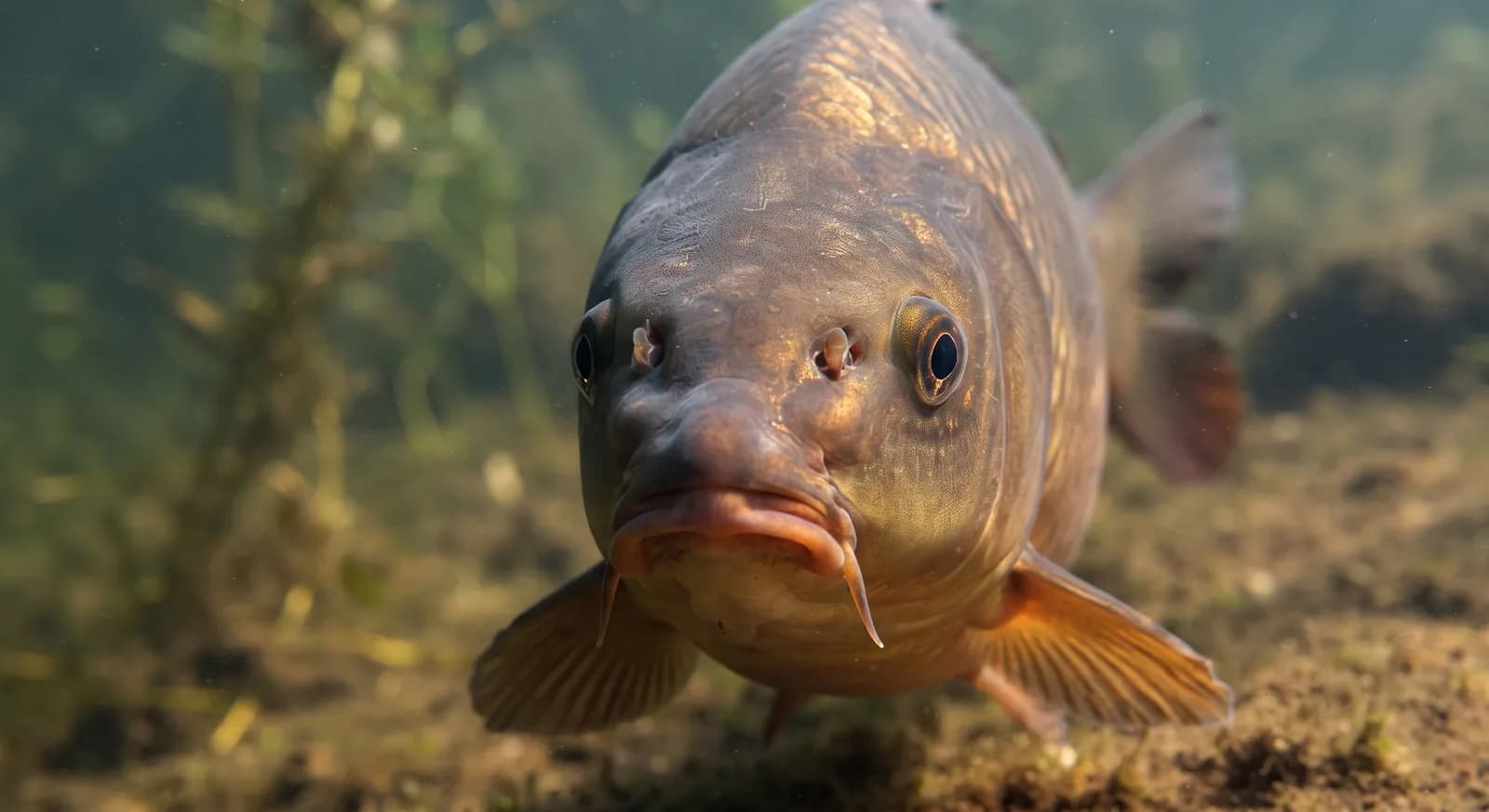
KoiLeast Concern

Koi

Cyprinus rubrofuscus

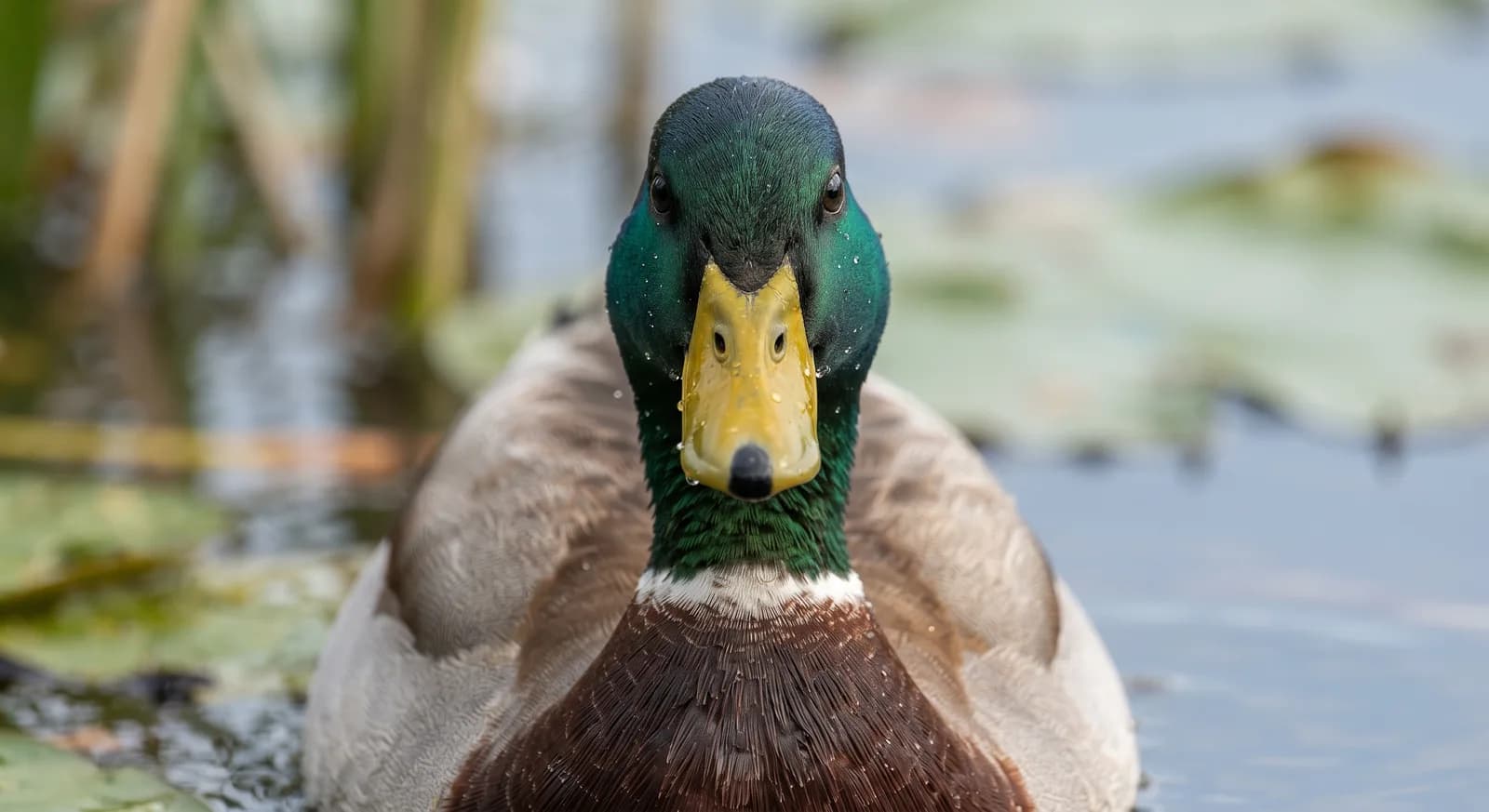
MallardLeast Concern

Mallard

Anas platyrhynchos

CountriesBrunei
TagsOmnivore
Omnivore
Nocturnal
Colonial
Fish
Freshwater
Brunei
Cambodia
China
Indonesia
Laos
Malaysia
Brunei
Cambodia
China
Indonesia
Laos
Malaysia
Myanmar
Philippines
Singapore
Taiwan
Thailand
Timor-Leste
Vietnam