Skip to content
WAnimals
  • Map
  • Species
  • Parks
  • Diving
Log inCreate account
WAnimals

The guide for travellers and animal lovers: discover, plan and share your wild adventures around the world.

Discover wildlife

  • Species
  • Ecosystems
  • Glossary
  • Tags

Explore places

  • Map
  • Countries
  • Parks
  • Diving

Plan experiences

  • Guides

Learn

  • Blog

Resources

  • About us
  • How we build our profiles
  • Help centre
  • Contact
  • Install the app

Follow us

Account

  • Log in
  • Create account

© 2026 WAnimals. All rights reserved.

Terms of servicePrivacyCookiesLegal notice
MapSpeciesParksDiving
  1. Home
  2. Species
  3. Pond Loach

Bony fish · Cypriniformes · Cobitidae

Pond Loach

Misgurnus anguillicaudatus

Least Concern

The species is abundant and widely distributed; it faces no significant short-term risk.

Spotted something wrong?

The pond loach, or weather loach, has an eel-like body covered in mucus and barbels around the mouth. It lives buried in the mud of rice paddies and canals across eastern Asia, stirring the sediment in search of invertebrates. Introduced into Europe, the Americas and Australia, it has naturalised in many rivers.

Size

15 cm – 28 cm

Diet

Omnivore

Combines animal and plant food depending on availability.

Activity

Nocturnal

Active mainly at night.

Social structure

Colony

Lives in large concentrations, often for breeding reasons.

Freshwater
25countries15parks

Fun facts

  • It becomes agitated and swims in circles when the air pressure drops before a storm, behaviour that earned it the name of weather loach and that was used for centuries as a household barometer in Japan.
  • It breathes through its gut: it gulps air at the surface, absorbs the oxygen through the intestinal wall and expels the rest through the anus.
  • It can survive buried in the mud for weeks if the pool dries out.
  • It breathes air through its intestine, just like the bronze cory, which lets it hold out in almost oxygen-free water and survive buried in the mud when the water disappears.
  • It is known as the weather loach because it grows restless when atmospheric pressure falls before a storm: it is sensitive to barometric changes.
  • It has been introduced into Europe, North America and Australia, and in several of those places it is listed as invasive.
  • It is farmed and eaten in Japan, Korea and China, where it is a traditional freshwater food fish.

Life cycle and biology

Skeleton type
Vertebrate - internal bony skeleton (fish)
Habitat and environment
Soft bottoms of rice paddies, canals, ponds and slow-flowing rivers

Sources consulted: FishBase (Froese & Pauly, eds.) · Lista Roja de la UICN · Nico y Fuller, USGS

Where to find it

Loading map…

The pins mark the parks where its presence is documented.

Where to see it

Parks and dive sites where this species has been documented — showing 10 of 15.

Related species

Other species in the catalogue with the most in common with Pond Loach — same habitat, park, country, tags or family.

Shares a park
Shares a park
Shares a park
Shares a park
Shares a park
Shares a park

Keep exploring

Based on what we already know about pond loach.
Share an experience, a fun fact or a tip for seeing the pond loach.
See full glossary
This page in other languages: Español · Deutsch · Français · Português · Italiano
See its range on the interactive map→
Danube DeltaRomania
Hortobágy National ParkHungary
Donau-AuenAustria
Rusenski LomBulgaria
Munții MăcinuluiRomania
Porțile de FierRomania
Fruška GoraSerbia
ĐerdapSerbia
PodyjíCzechia
AggtelekHungary
See all 15 parks
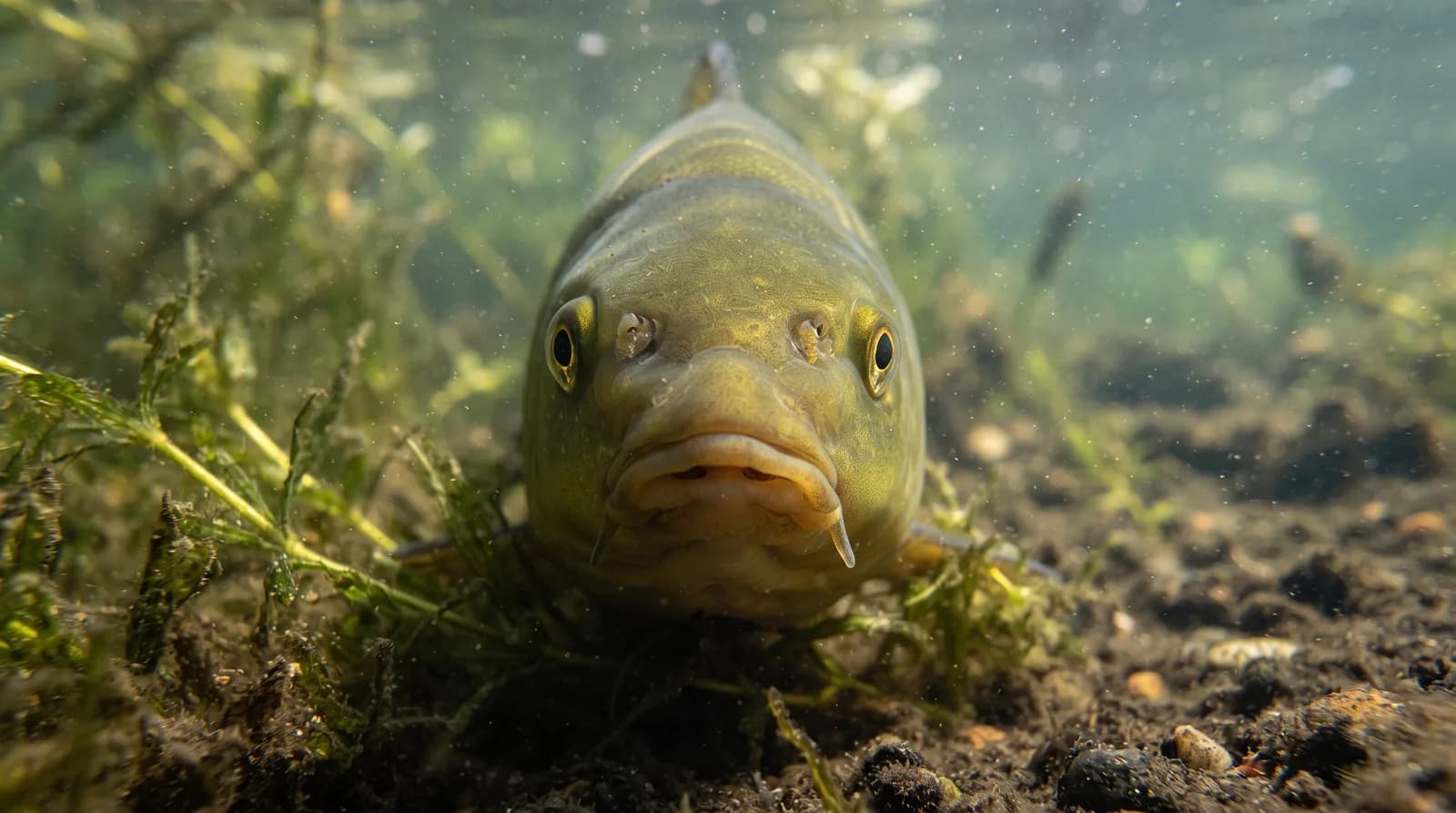
TenchLeast Concern

Tench

Tinca tinca

Least Concern

Common Bream

Abramis brama

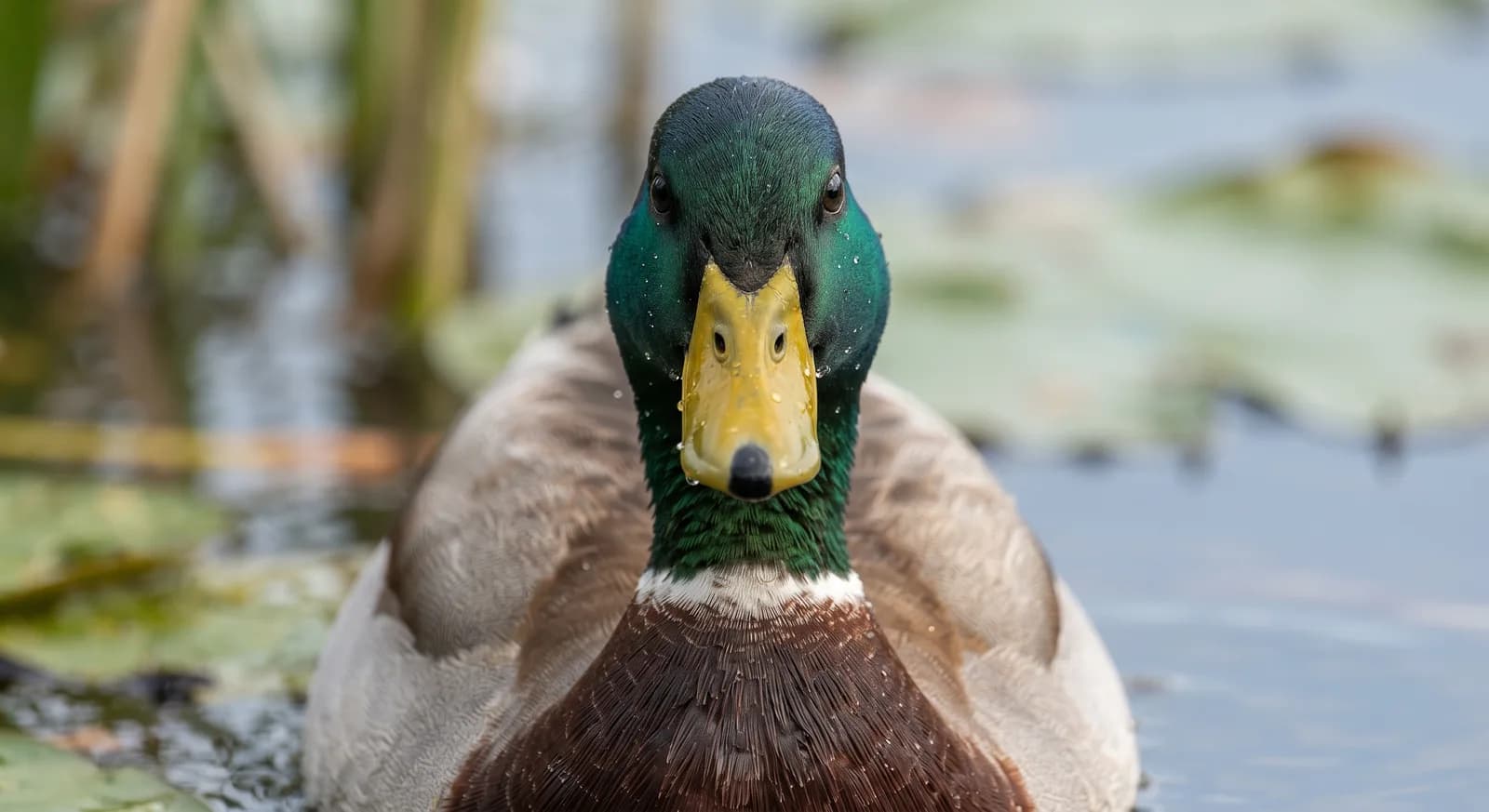
MallardLeast Concern

Mallard

Anas platyrhynchos

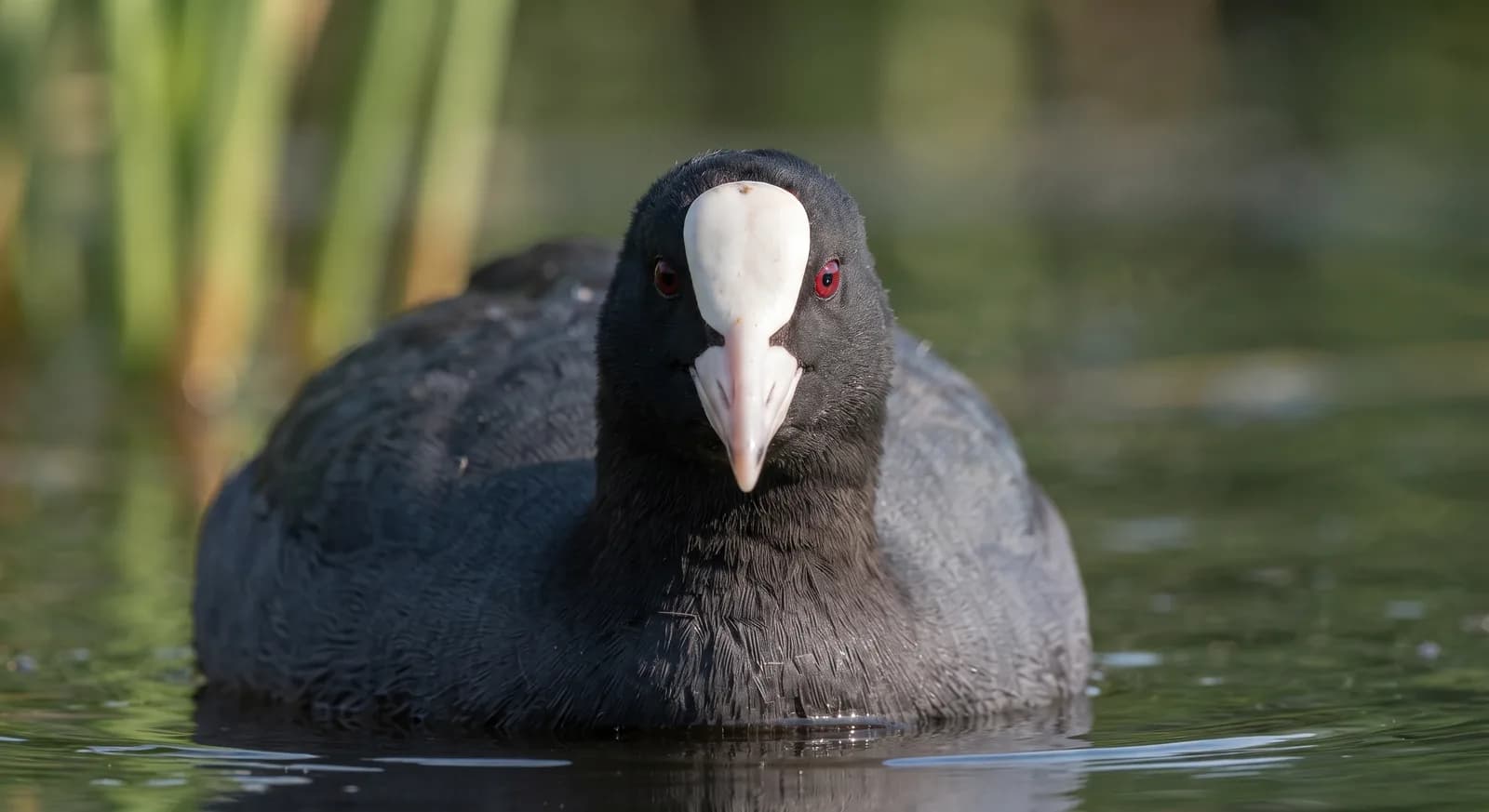
Eurasian CootLeast Concern

Eurasian Coot

Fulica atra

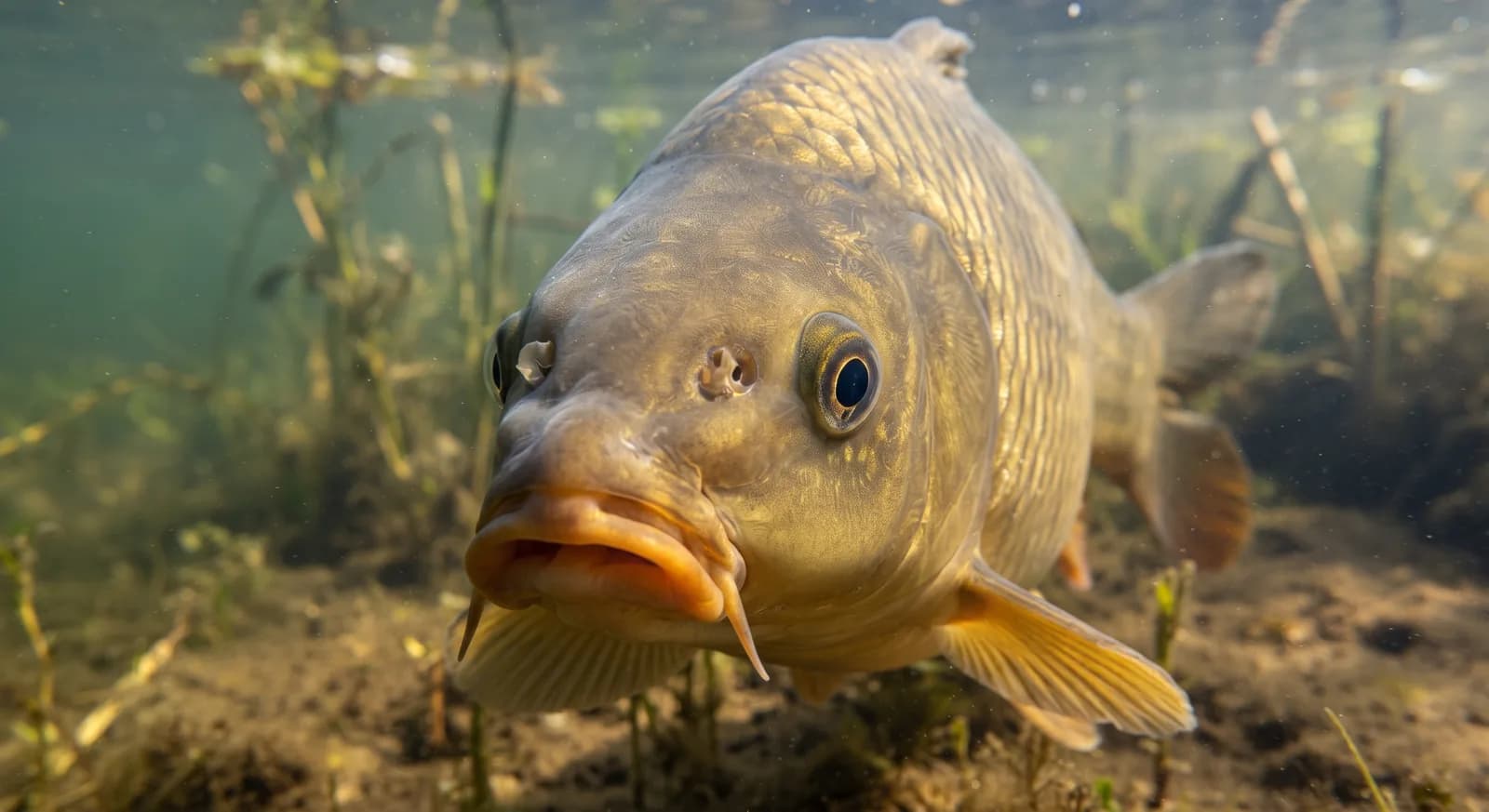
Common CarpLeast Concern

Common Carp

Cyprinus carpio

Least Concern

Barbel

Barbus barbus

CountriesHungary
ParksDanube DeltaRomania
TagsOmnivore
Omnivore
Nocturnal
Colonial
Fish
Freshwater

Europe21

Asia4

Hungary
Romania
Austria
Serbia
Bulgaria
Czechia
Austria
Belarus
Belgium
Bulgaria
Croatia
Czechia
Denmark
Estonia
France
Germany
Hungary
Latvia
Lithuania
Moldova
Netherlands
Poland
Romania
Serbia
Slovakia
Slovenia
Ukraine
China
Japan
Russia
South Korea