Skip to content
WAnimals
  • Map
  • Species
  • Parks
  • Diving
Log inCreate account
WAnimals

The guide for travellers and animal lovers: discover, plan and share your wild adventures around the world.

Discover wildlife

  • Species
  • Ecosystems
  • Glossary
  • Tags

Explore places

  • Map
  • Countries
  • Parks
  • Diving

Plan experiences

  • Guides

Learn

  • Blog

Resources

  • About us
  • How we build our profiles
  • Help centre
  • Contact
  • Install the app

Follow us

Account

  • Log in
  • Create account

© 2026 WAnimals. All rights reserved.

Terms of servicePrivacyCookiesLegal notice
MapSpeciesParksDiving
  1. Home
  2. Species
  3. Desert Night Lizard

One of the 15 lizards on WAnimals

Reptiles · Squamata · Xantusiidae

Desert Night Lizard

Xantusia vigilis

Least Concern

The species is abundant and widely distributed; it faces no significant short-term risk.

Spotted something wrong?

The desert night lizard is a tiny lizard that lives almost exclusively under the fallen leaves of the yuccas of the Mojave Desert. Despite its name it is not truly nocturnal but crepuscular. It is live-bearing and, most remarkably, lives in stable family groups: parents and young from several litters share the same refuge for years.

Weight

1 g on average

Size

4 cm – 7 cm

Life expectancy

10 years

Diet

Insectivore

Feeds mainly on insects and other invertebrates.

Activity

Diurnal

Active mainly during the day.

Social structure

Family group

Lives in small family groups with close bonds.

Desert
2countries10parks

Fun facts

  • It lives in families: parents and offspring from several litters share the same refuge under a yucca leaf for years, and genetic studies have confirmed that these are genuine kin groups, a social life very rare among lizards.
  • Its whole life can be spent under the same fallen yucca leaf: marked individuals have been recaptured on the same fallen trunk years later.
  • It is live-bearing and produces one or two young a year, an extremely slow rate for a lizard less than seven centimetres long.

Life cycle and biology

Skeleton type
Vertebrate - internal bony skeleton (reptile)
Habitat and environment
Beneath fallen yucca and agave leaves in the deserts of the south-western United States and northern Mexico
Size at birth
About 2.5 cm of body at birth; it is viviparous
Sexual maturity
2 years
Gestation / incubation
3 months of gestation
Litter / clutch size
2 live young

Sources consulted: Wikipedia (en): Desert night lizard

Where to find it

Best time: All year in the south-western United States, though very hard to see: it lives under leaf litter and fallen yucca trunks.

Loading map…

The pins mark the parks where its presence is documented.

Where to see it

Parks and dive sites where this species has been documented.

Related species

Other species in the catalogue with the most in common with Desert Night Lizard — same habitat, park, country, tags or family.

Shares a park
Shares a park
Shares a park
Shares a park
Shares a park
Shares a park

Keep exploring

Based on what we already know about desert night lizard.
Share an experience, a fun fact or a tip for seeing the desert night lizard.
See full glossary
This page in other languages: Español · Deutsch · Français · Português · Italiano
See its range on the interactive map→
Grand CanyonUnited States
Death ValleyUnited States
ZionUnited States
El VizcainoMexico
El Pinacate and Gran Desierto de AltarMexico
Joshua TreeUnited States
PinnaclesUnited States
SaguaroUnited States
Constitución de 1857Mexico
Sierra de San Pedro MártirMexico
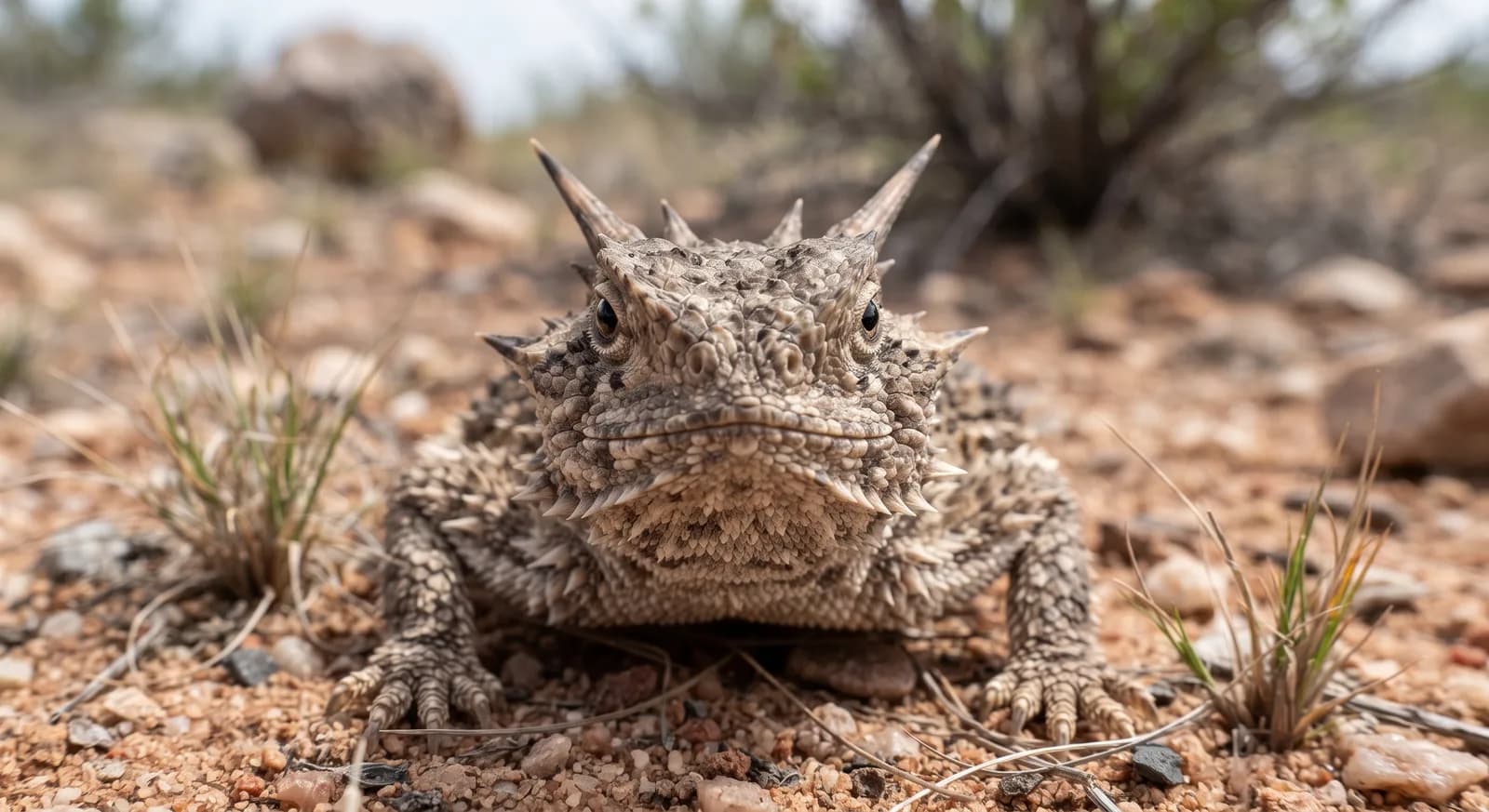
Texas Horned LizardLeast Concern

Texas Horned Lizard

Phrynosoma cornutum

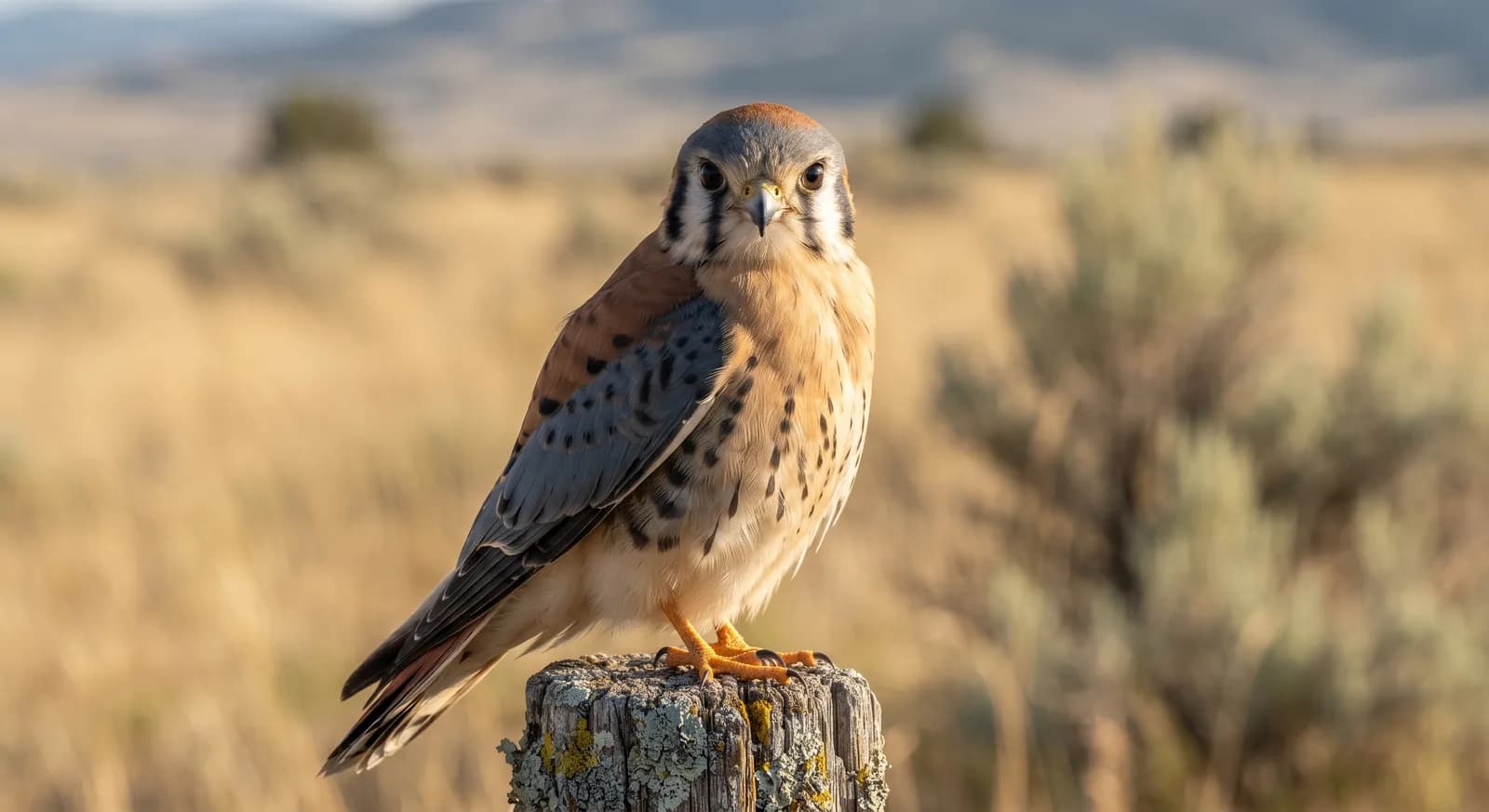
American KestrelLeast Concern

American Kestrel

Falco sparverius

Least Concern

Common Desert Iguana

Dipsosaurus dorsalis

Least Concern

California Kingsnake

Lampropeltis californiae

Common ChuckwallaLeast Concern

Common Chuckwalla

Sauromalus ater

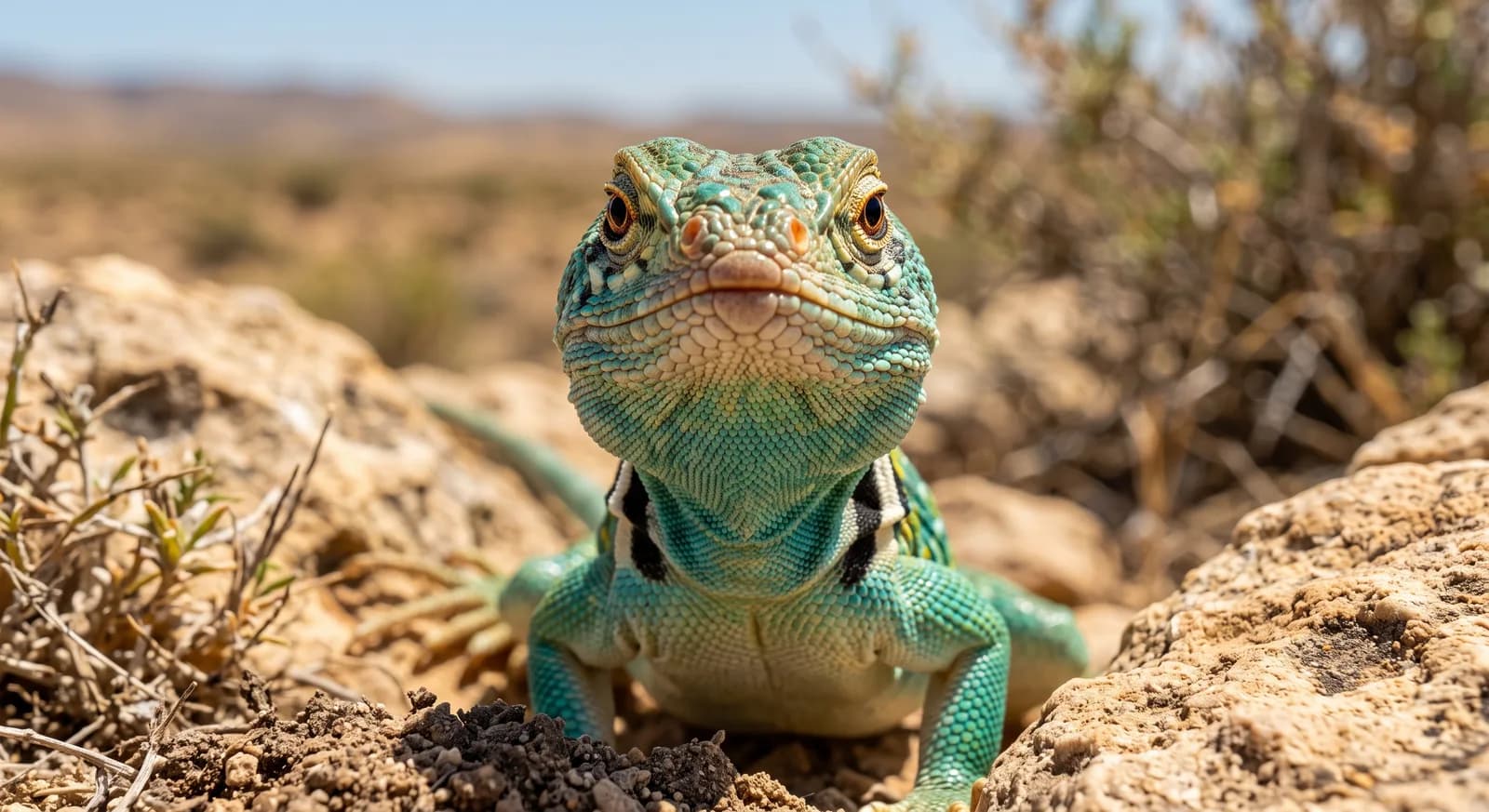
Collared LizardLeast Concern

Collared Lizard

Crotaphytus collaris

CountriesUnited States
ParksGrand CanyonUnited States
TagsInsectivore
Insectivore
Diurnal
Family group
Reptile
Desert
United States
Mexico