Least Concern
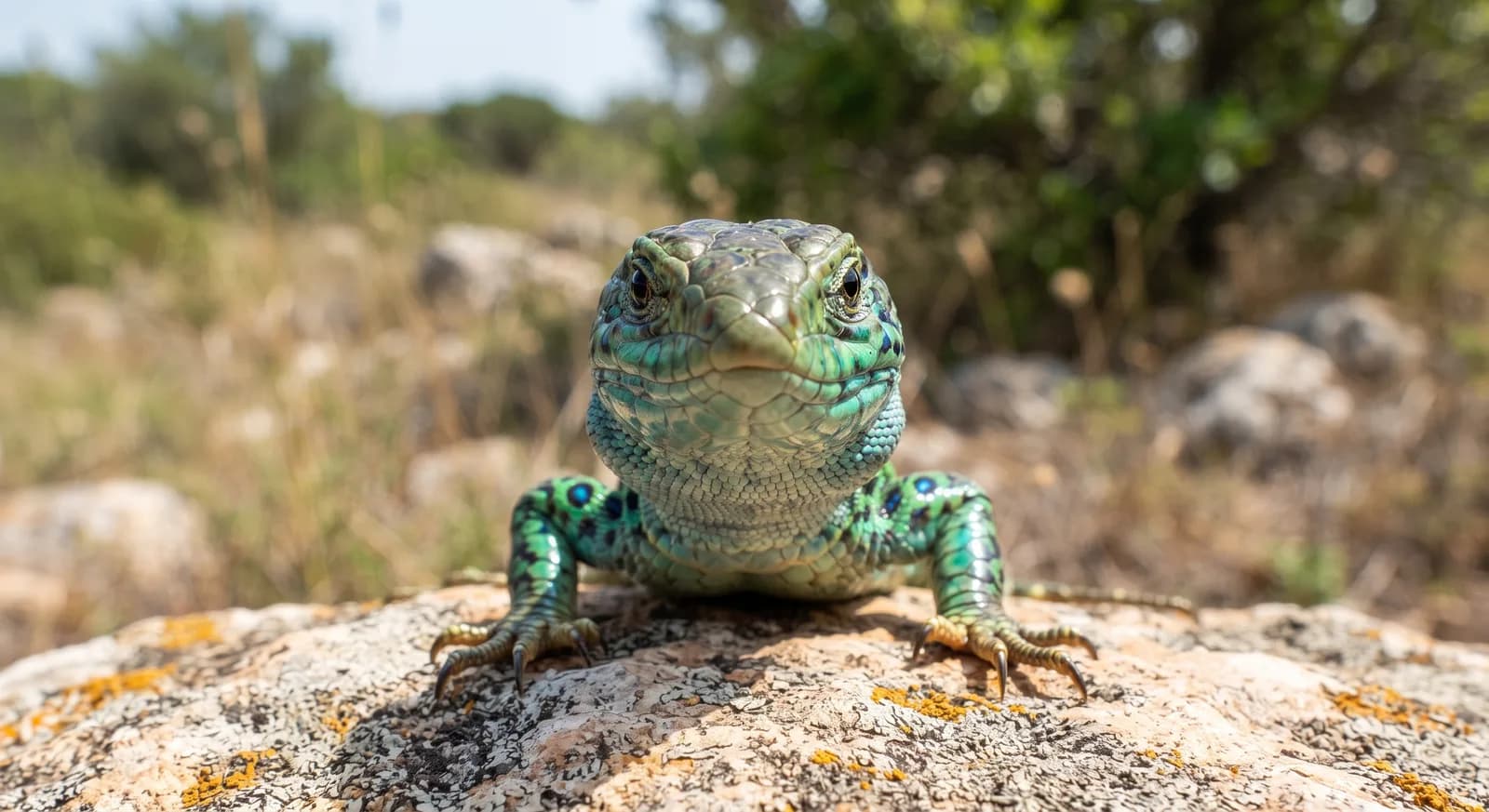
Western Green Lizard
Lacerta bilineata
7 countries33 parks
Species group · Reptiles
WAnimals has 15 species of lizard, spread across 9 families (Agamidae, Cordylidae, Crotaphytidae, Lacertidae, Liolaemidae, Phrynosomatidae, Shinisauridae, Teiidae, Xantusiidae).
Each one has its own full profile. This group does not replace them: it brings them together.
2 species in this group are in a threatened category according to the IUCN.
Recorded in 67 countries. The ones with the most species in the group:
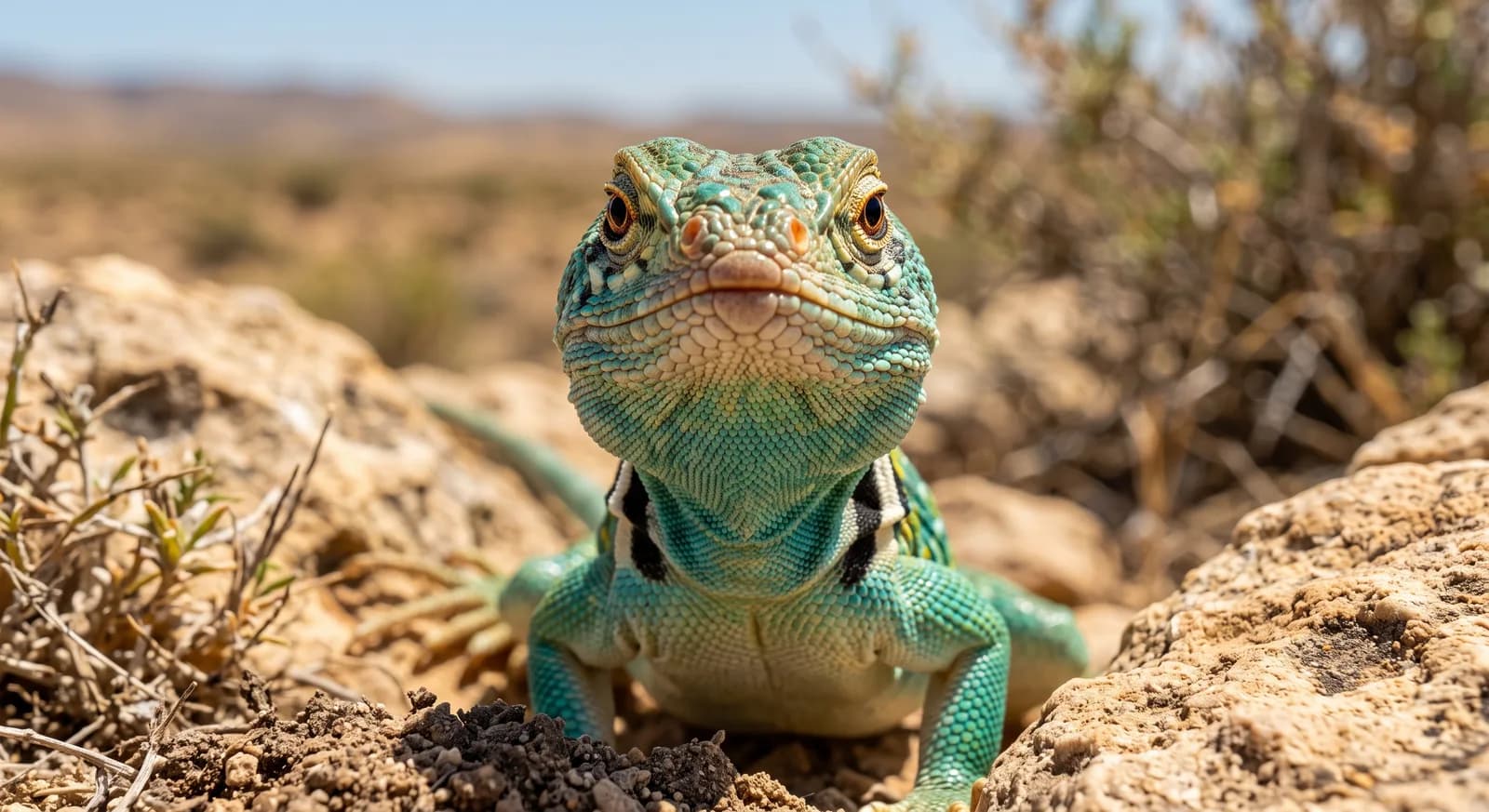
The males develop a deep blue throat in the breeding season, a visual signal of genetic quality to the females.
From
In the breeding season the male's throat turns an intense turquoise blue, and in some populations the female's does too, a feature that has been linked to signalling physical condition.
From
In Spain its distribution is limited to a strip across the north of the peninsula, and its populations depend on the hedgerows and margins between fields, a habitat in continual decline.
From
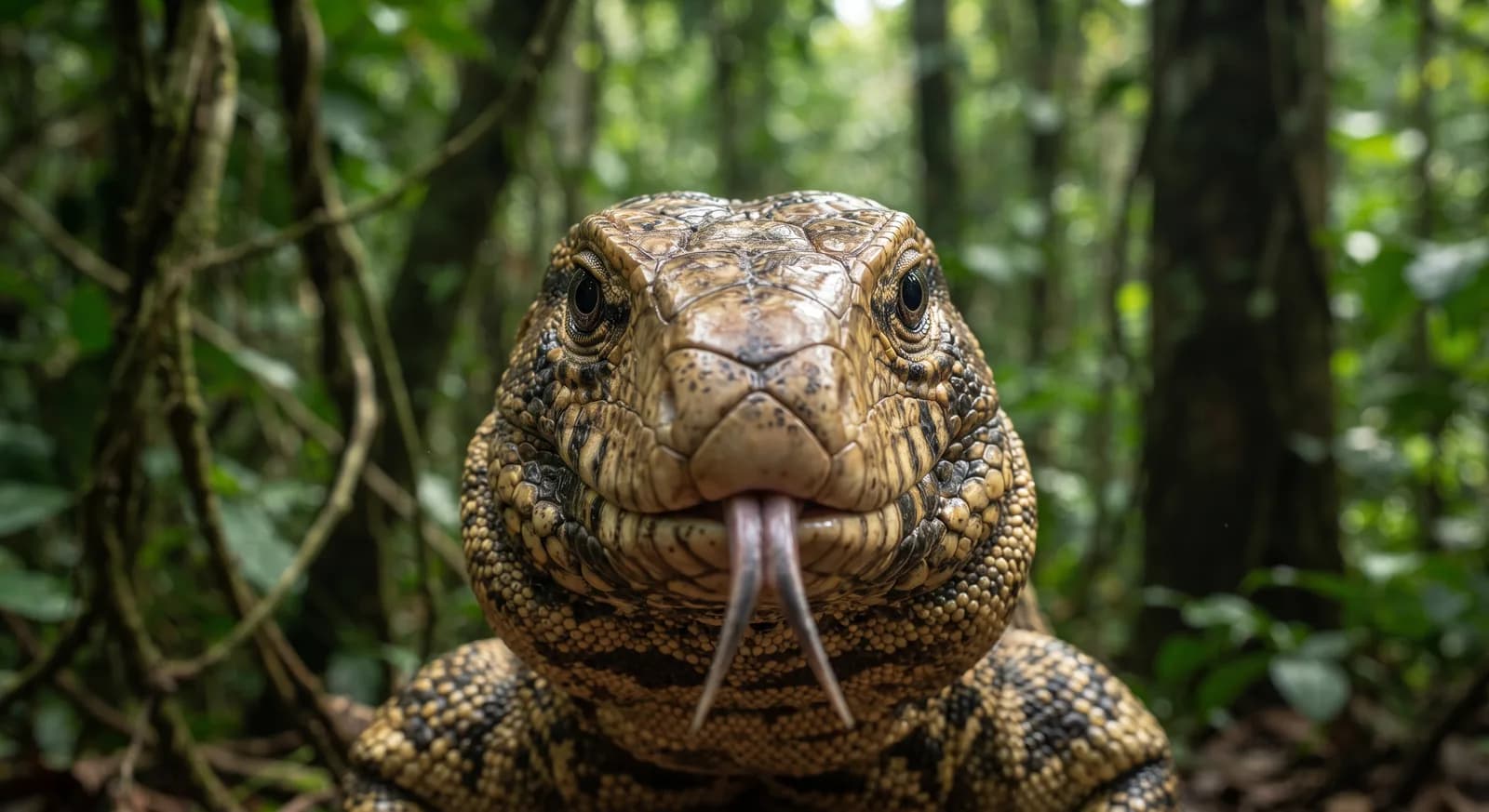
It is one of the main predators of turtle and caiman nests in Amazonia: it locates buried clutches by smell and digs up dozens of eggs in a single session.
From
Its forked tongue works as a directional chemical detector: it picks up particles from the air and carries them to the Jacobson's organ, comparing the signal from each tip to work out which side the trail is coming from.
From
It has established itself as an invasive species in Florida alongside the Argentine black and white tegu, and both are subject to active removal programmes.
From
The striking blue spots along its flanks form a pattern of interlocking rosettes, at their most vivid in adult males during the breeding season.
·
Ranges calculated from the profiles that record the figure, not from all 15.
From
It eats large insects, snails and spiders, and occasionally small vertebrates, eggs and fruit.
From