Skip to content
WAnimals
  • Map
  • Species
  • Parks
  • Diving
Log inCreate account
WAnimals

The guide for travellers and animal lovers: discover, plan and share your wild adventures around the world.

Discover wildlife

  • Species
  • Ecosystems
  • Glossary
  • Tags

Explore places

  • Map
  • Countries
  • Parks
  • Diving

Plan experiences

  • Guides

Learn

  • Blog

Resources

  • Help centre
  • Contact
  • Install the app

Follow us

Account

  • Log in
  • Create account

© 2026 WAnimals. All rights reserved.

About usHow we build our profilesTerms of servicePrivacyLegal notice
MapSpeciesParksDiving
  1. Home
  2. Species
  3. Gooseneck Barnacle
Gooseneck Barnacle (Pollicipes pollicipes)

Barnacles · Scalpellomorpha · Pollicipedidae

Gooseneck Barnacle

Pollicipes pollicipes

Not Evaluated

It has not yet been assessed against the IUCN criteria.

Spotted something wrong?

The gooseneck barnacle is a cirripede crustacean of the family Pollicipedidae that grows on wave-beaten rocks. It feeds by filtration, since, having no limbs for moving about, it stays fixed to the rocks throughout its adult life.

Life expectancy

20 years

Diet

Omnivore

Combines animal and plant food depending on availability.

Social structure

Solitary

Lives and hunts alone, joining others only to breed.
Sighting difficulty

Unknown

Ocean
9countries20parks11dive sites

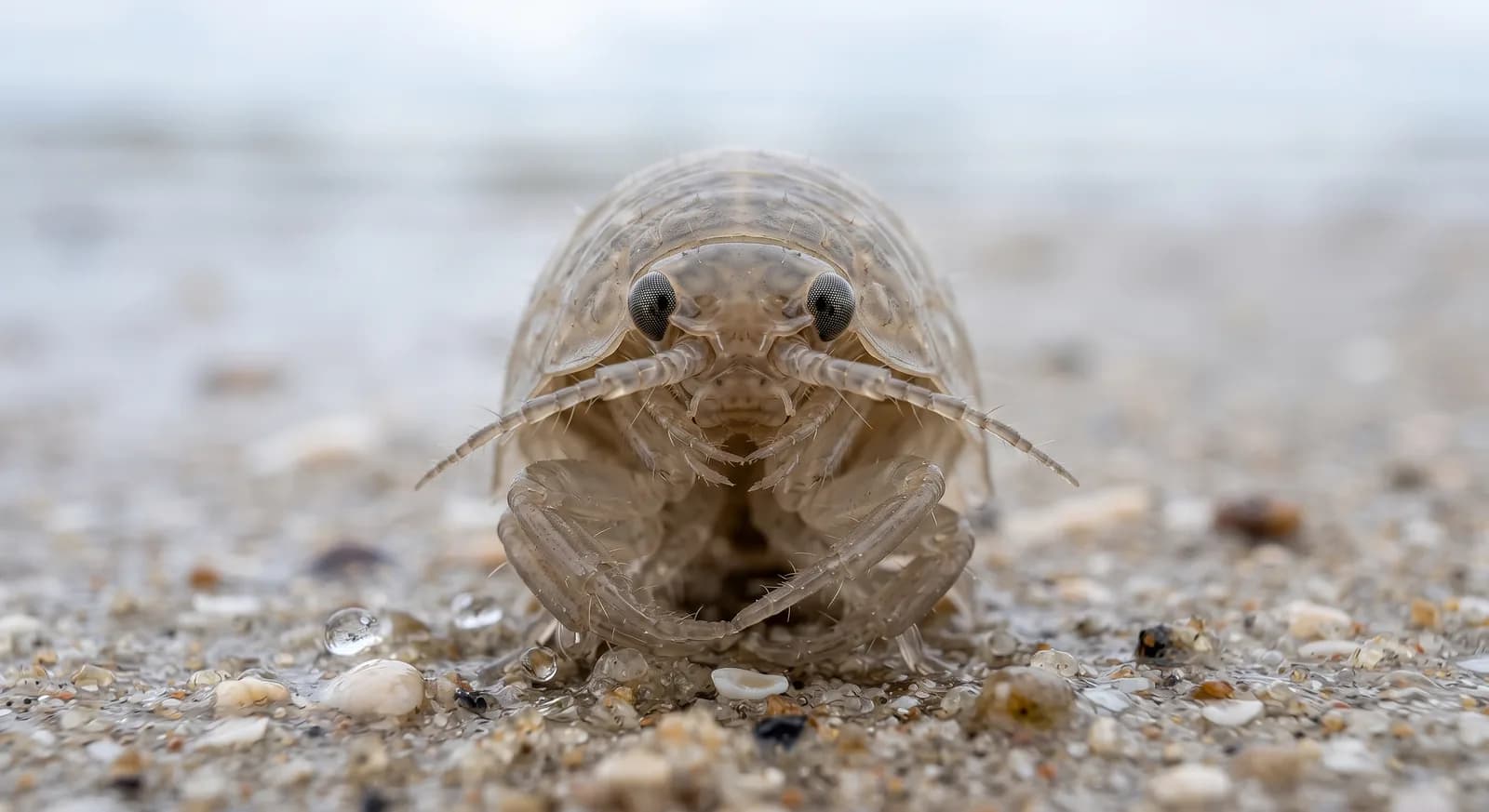
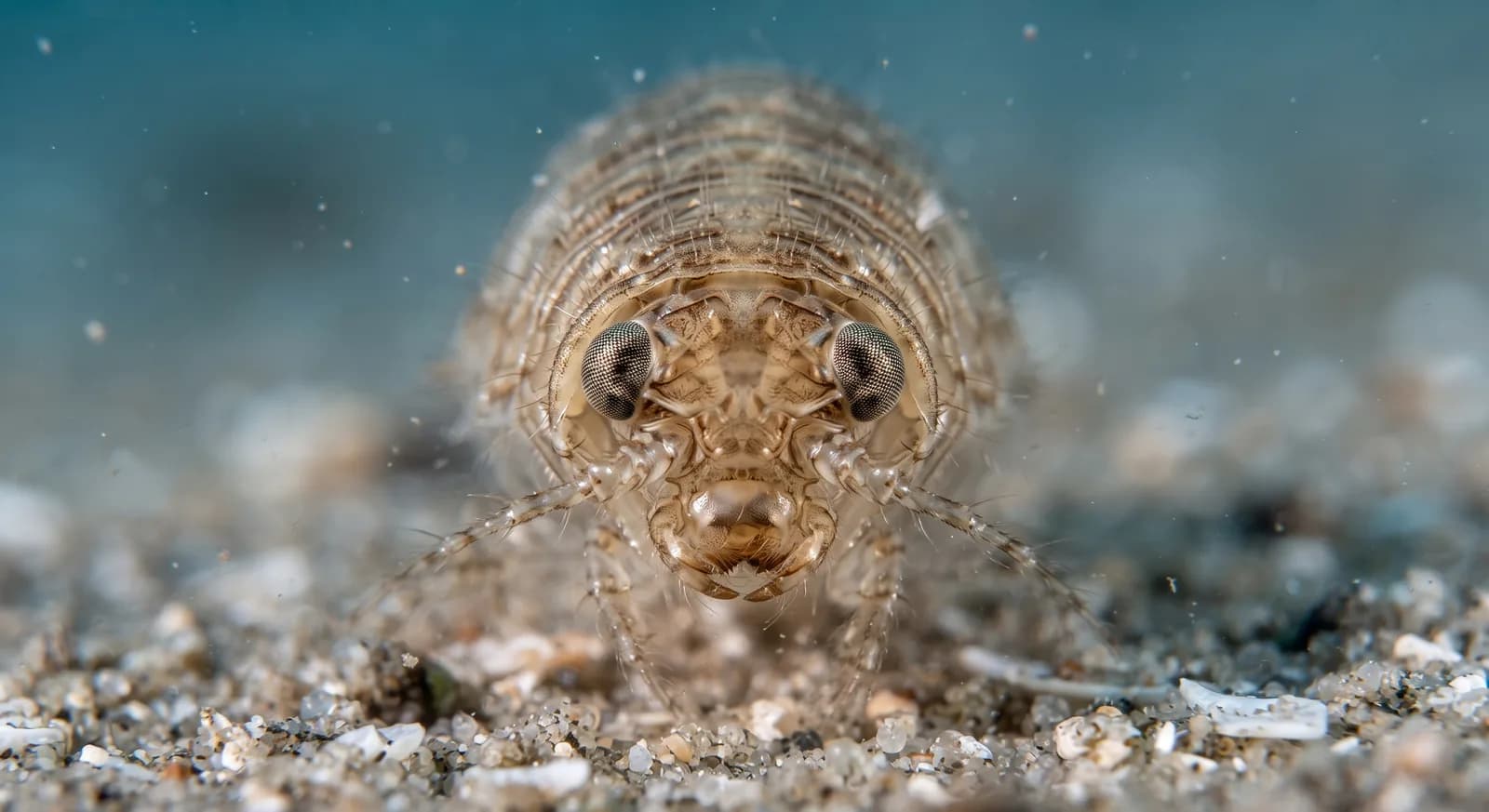
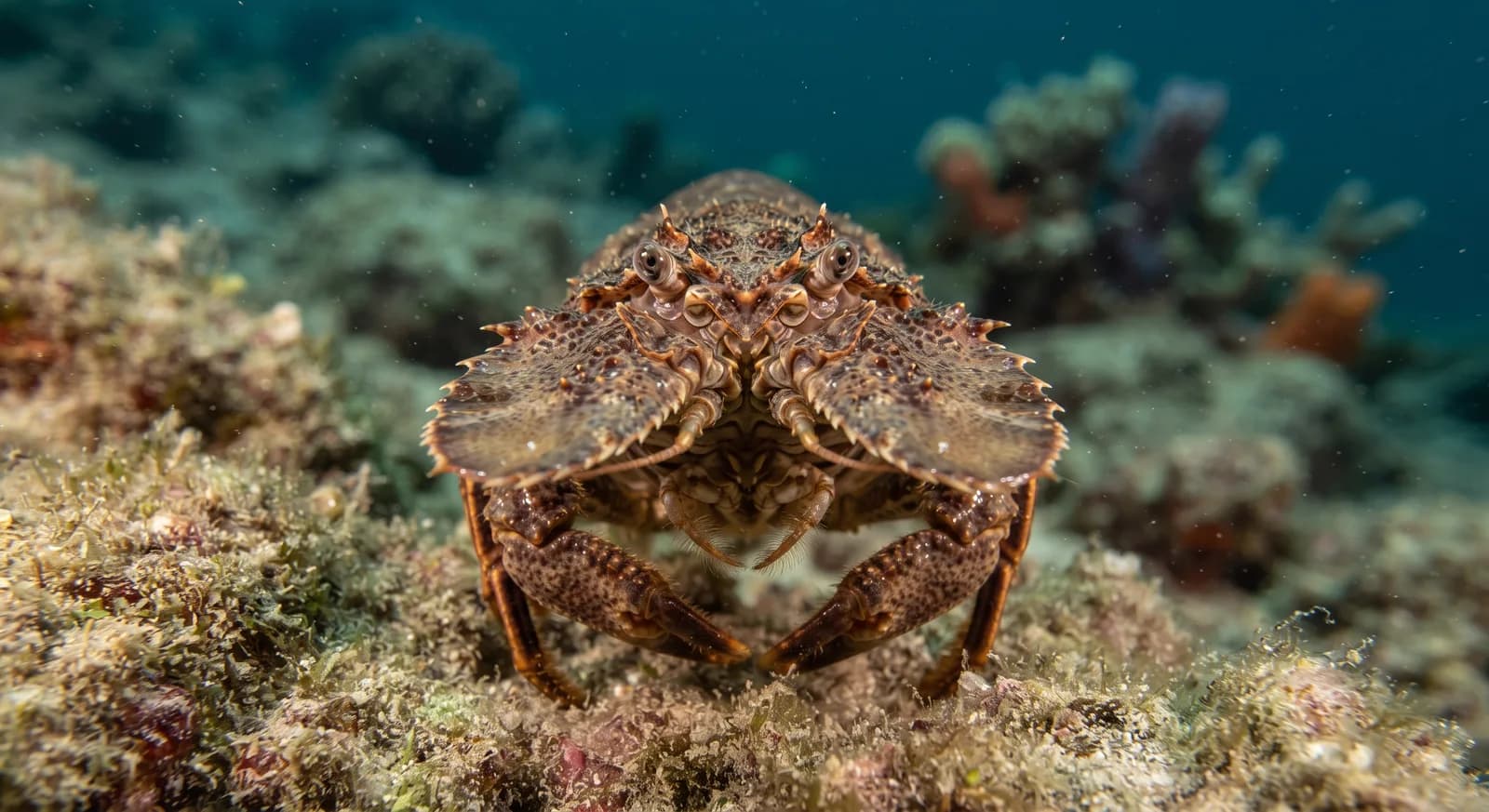
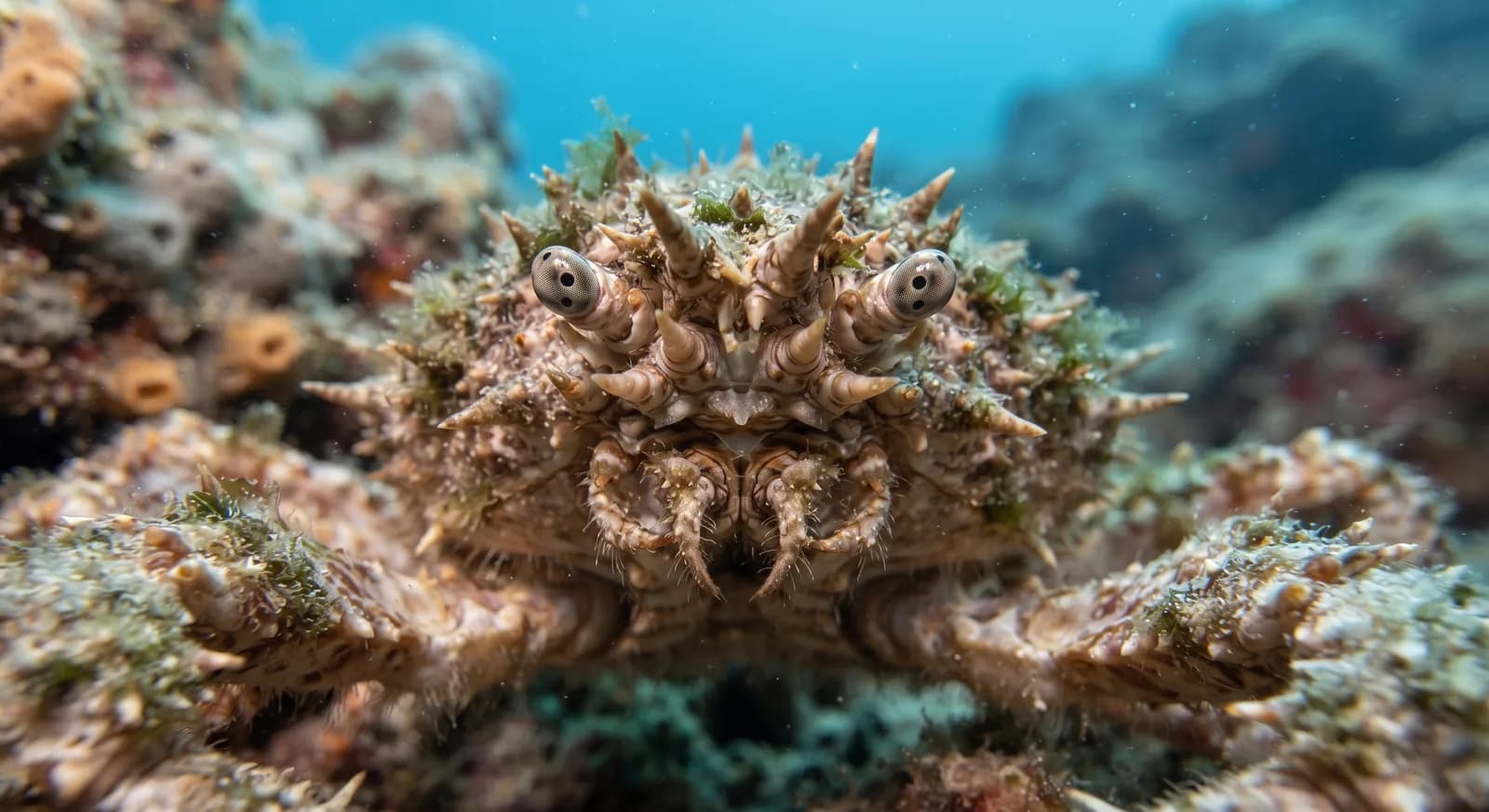
AI-generated images: illustrations, not photographs.

Fun facts

  • GeneralIt is not a mollusc but a barnacle, a crustacean, and it filter-feeds with legs modified into cirri.
  • It is a crustacean, not a mollusc: it is related to crabs and prawns, even though it looks like a shell stuck to the rock. Charles Darwin proved it, devoting eight years to the study of barnacles.
  • It lives head down, attached to the rock by a stalk, and feeds by extending its cirri — its modified legs — to filter the plankton carried by the waves.
  • It depends on wave action: it thrives only on the most exposed points, and that makes harvesting it one of the most dangerous jobs at sea. Galician percebeiros work roped up and against the tide.
  • It is hermaphroditic and needs cross-fertilisation, so it only grows in dense aggregations where individuals can reach one another.
  • In Galicia the harvest is regulated by annual plans with closed seasons, quotas and rotating zones managed by the fishermen's guilds, a co-management model cited as an international example.

Life cycle and biology

Skeleton type
Invertebrate - articulated calcareous exoskeleton (crustacean)
Habitat and environment
Intertidal rock in the full force of the surf

Sources consulted: https://es.wikipedia.org/wiki/Pollicipes_pollicipes; ScienceDirect (Hughes 1989); Science Advances, How colonial animals evolve; Wikipedia, Zooid

Where to find it

Loading map…

The pins mark the parks and dive sites where its presence is documented.

Where to see it

Parks and dive sites where this species has been documented — showing 20 of 31.

Related species

Other species in the catalogue with the most in common with Gooseneck Barnacle — same habitat, park, country, tags or family.

Shares a park
Shares a park
Shares a park
Shares a park
Shares a park
Shares a park

Keep exploring

Based on what we already know about gooseneck barnacle.

Comments

Share an experience, a fun fact or a tip for seeing the gooseneck barnacle.

Be the first to comment.

See full glossary
This page in other languages: Español · Deutsch · Français · Português · Italiano
See its range on the interactive map→
TeideSpain
Pembrokeshire CoastUnited Kingdom
NorthumberlandUnited Kingdom
ConnemaraIreland
Cíes IslandsSpain
Ria FormosaPortugal
Caldera de TaburienteSpain
Fragas do EumeSpain
UrdaibaiSpain
ArrábidaPortugal
El Hierro / La RestingaSpain
Museo Atlántico (Lanzarote)Spain
Azores (Princess Alice Bank)Portugal
Berlengas IslandsPortugal
Garajau Marine Reserve (Madeira)Portugal
Cíes IslandsSpain
SesimbraPortugal
Isles of ScillyUnited Kingdom
Plymouth Sound (wrecks)United Kingdom
Lundy IslandUnited Kingdom
See all 20 parks
See all 11 dive sites
Common Spider CrabNot Evaluated

Common Spider Crab

Maja squinado

Not Evaluated

Mediterranean Hermit Crab

Clibanarius erythropus

Sand HopperNot Evaluated

Sand Hopper

Talitrus saltator

European Sand CumaceanNot Evaluated

European Sand Cumacean

Cumopsis goodsir

Mediterranean Slipper LobsterData Deficient

Mediterranean Slipper Lobster

Scyllarides latus

Not Evaluated

Ghost Shrimp

Caprella linearis

CountriesPortugal
ParksTeideSpain
TagsOmnivore
Omnivore
Colonial
Ocean
Crustacean

Europe6

Africa3

Portugal
Spain
United Kingdom
Ireland
Morocco
France
France
Gibraltar
Ireland
Portugal
Spain
United Kingdom
Mauritania
Morocco
Senegal