Skip to content
WAnimals
  • Map
  • Species
  • Parks
  • Diving
Log inCreate account
WAnimals

The guide for travellers and animal lovers: discover, plan and share your wild adventures around the world.

Discover wildlife

  • Species
  • Ecosystems
  • Glossary
  • Tags

Explore places

  • Map
  • Countries
  • Parks
  • Diving

Plan experiences

  • Guides

Learn

  • Blog

Resources

  • About us
  • How we build our profiles
  • Help centre
  • Contact
  • Install the app

Follow us

Account

  • Log in
  • Create account

© 2026 WAnimals. All rights reserved.

Terms of servicePrivacyCookiesLegal notice
MapSpeciesParksDiving
  1. Home
  2. Species
  3. Sand Hopper
Sand Hopper (Talitrus saltator)

Malacostracans · Amphipoda · Talitridae

Sand Hopper

Talitrus saltator

Not Evaluated

It has not yet been assessed against the IUCN criteria.

Spotted something wrong?

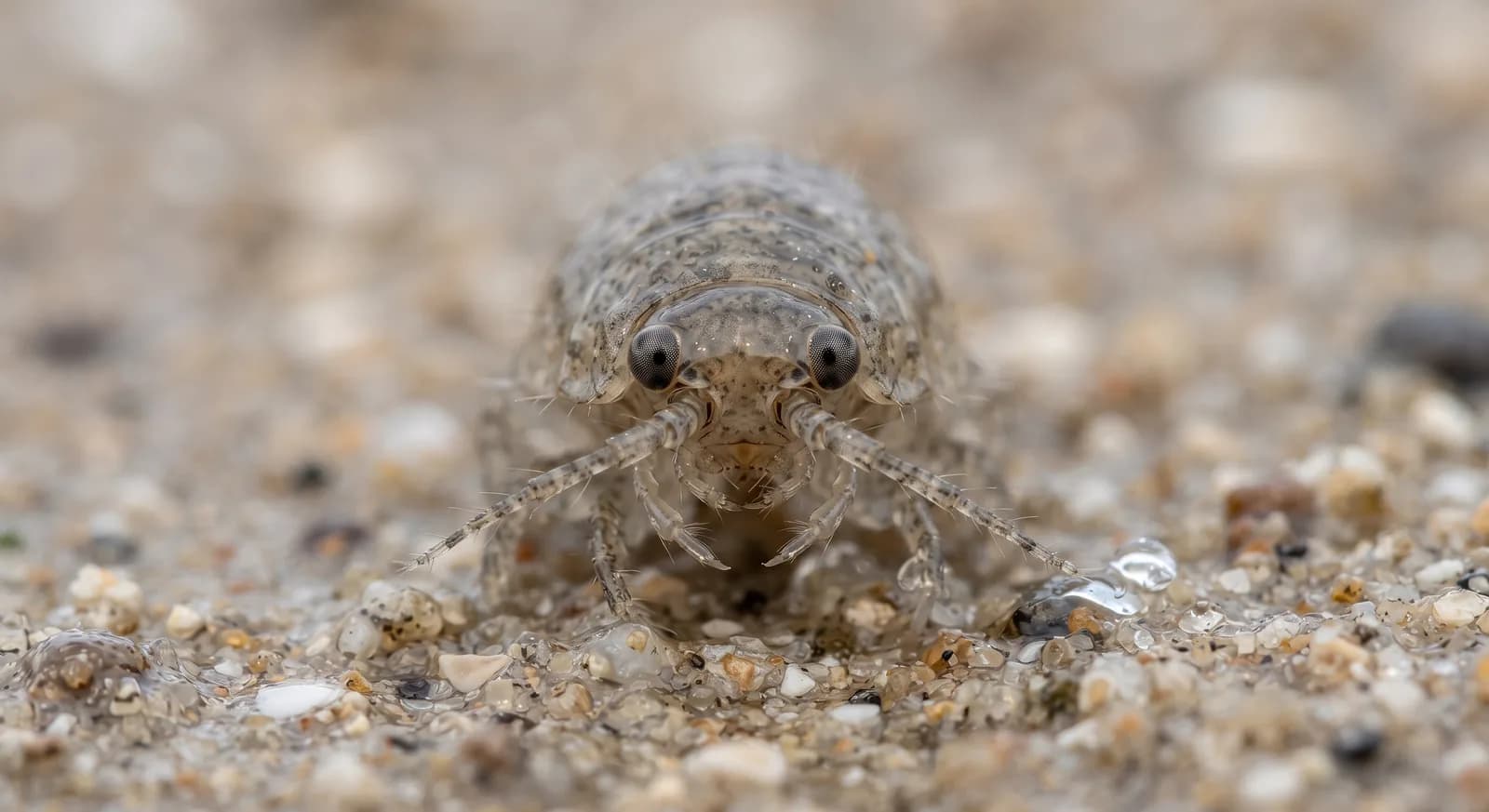
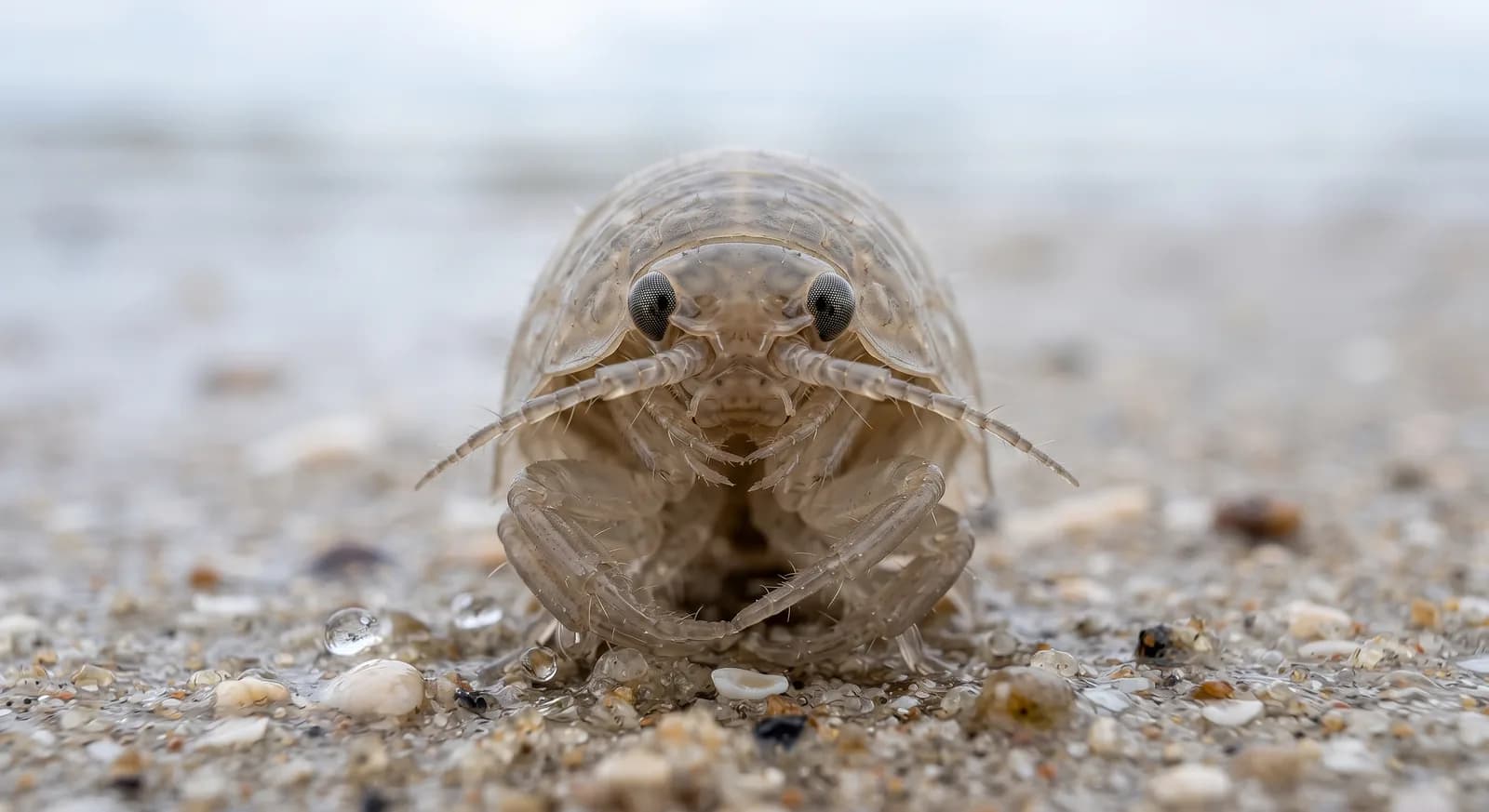
The sand hopper is an amphipod crustacean of the family Talitridae. It owes its common name to the great, unmistakable leaps it makes when it believes itself to be in danger or is disturbed.

Size

up to 2 cm

Life expectancy

2 years

Diet

Omnivore

Combines animal and plant food depending on availability.
Activity

Nocturnal

Active mainly at night.

Social structure

Colony

Lives in large concentrations, often for breeding reasons.

Ocean
31countries46parks83dive sites

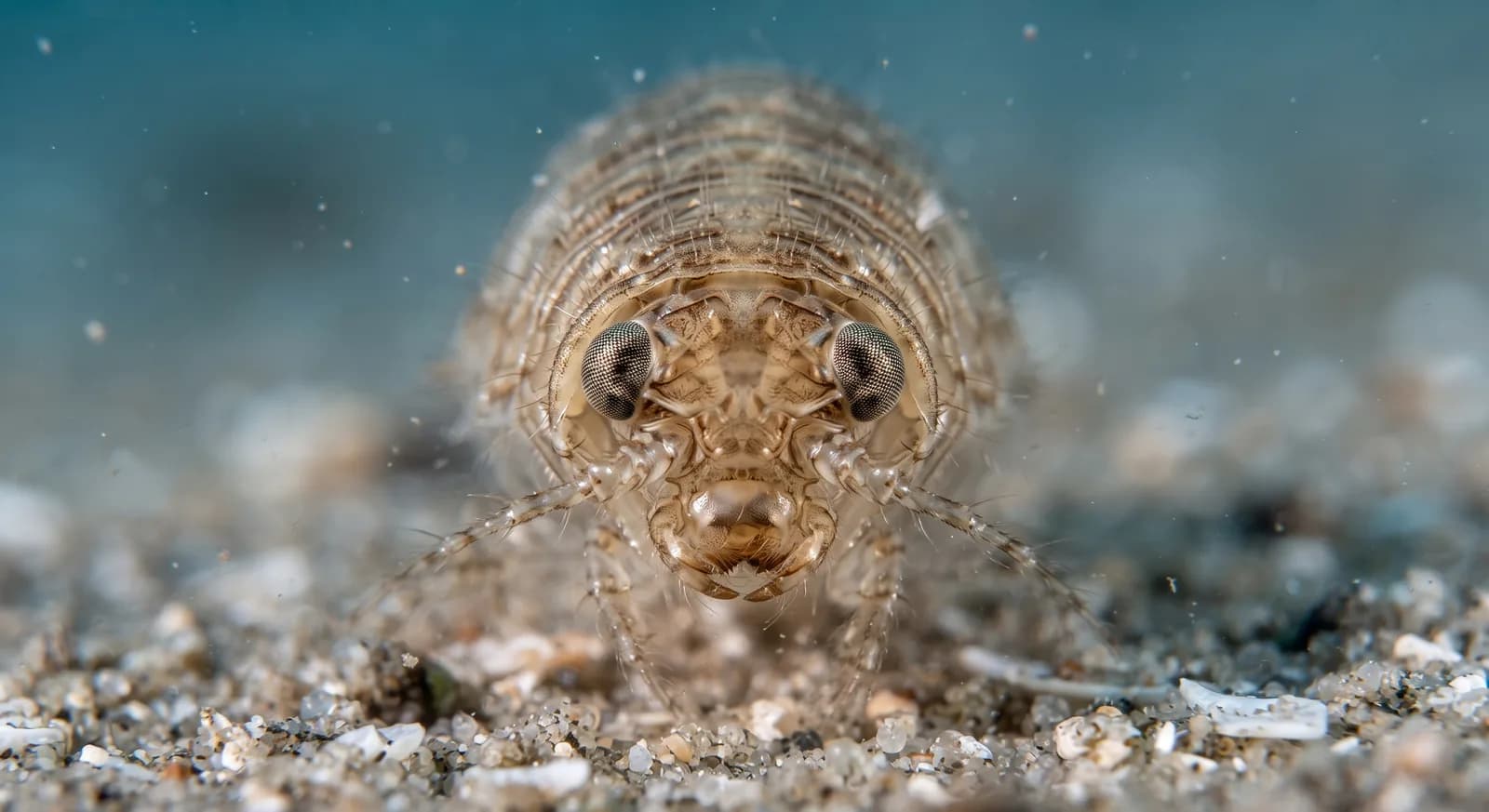
AI-generated images: illustrations, not photographs.

Fun facts

  • It orients itself towards the sea or towards the dune using the position of the sun and the moon, and also the earth's magnetic field, with an internal clock that corrects for the passing hours.
  • Its role in breaking down stranded seaweed is so important that the mechanical cleaning of beaches, by removing the wrack, wipes out its populations.
  • It is a standard bioindicator of the environmental quality of beaches.
  • It is one of the classic models in the study of animal orientation: since the 1950s it has been known that, if moved from its band of sand, it returns by the shortest route using the sun as a compass.
  • It has two anatomically separate compasses: a solar one, probably in the brain, and a lunar one in the antennae. If the antennae are removed or painted over it still orients by day, but at night it can no longer navigate by the moon.
  • In its antennae and brain it rhythmically expresses circadian clock genes such as period and cryptochrome 2, which points to an antennal clock involved in lunar orientation.
  • It also uses the polarisation gradient of skylight, and adults perceive colour gradients better under polarised light.
  • Its nocturnal habits are an adaptation to reduce predation and the swings in temperature, salinity and humidity on the beach.

Life cycle and biology

Habitat and environment
Damp sand of the upper beach, beside stranded seaweed

Sources consulted: Wikipedia (es): Talitrus saltator

Where to find it

Loading map…

Where to see it

Parks and dive sites where this species has been documented — showing 20 of 129.

Related species

Other species in the catalogue with the most in common with Sand Hopper — same habitat, park, country, tags or family.

Shares a park
Shares a park
Shares a park
Shares a park
Shares a park
Shares a park

Keep exploring

Based on what we already know about sand hopper.

Share an experience, a fun fact or a tip for seeing the sand hopper.
See full glossary
This page in other languages: Español · Deutsch · Français · Português · Italiano

The pins mark the parks and dive sites where its presence is documented.

See its range on the interactive map→
Doñana National ParkSpain
CalanquesFrance
Cinque TerreItaly
Alonissos and the Northern SporadesGreece
Wadden Sea National ParkDenmark
Majjistral ParkMalta
Wadden SeaGermany
Port-CrosFrance
Pembrokeshire CoastUnited Kingdom
NorthumberlandUnited Kingdom
Scapa FlowUnited Kingdom
Zenobia WreckCyprus
Medes IslandsSpain
Cap de CreusSpain
El Hierro / La RestingaSpain
Museo Atlántico (Lanzarote)Spain
Zakynthos (loggerhead turtle)Greece
Kastellorizo (Blue Cave)Greece
Malta (Blue Hole Gozo / Um El Faroud)Malta
Tavolara (Sardinia)Italy
See all 46 parks
See all 83 dive sites
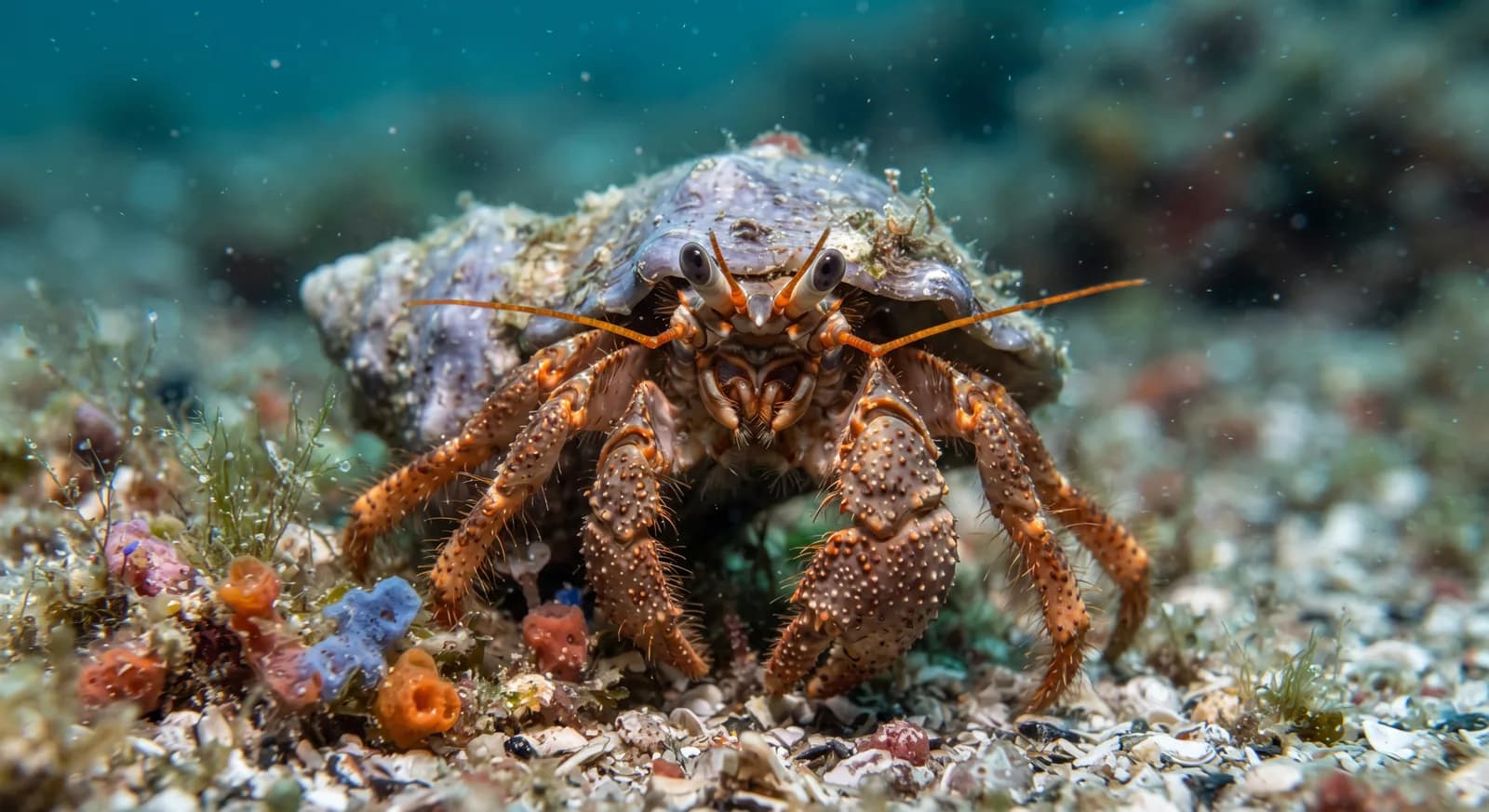
Common Spiny LobsterVulnerable

Common Spiny Lobster

Palinurus elephas

Common Hermit CrabNot Evaluated

Common Hermit Crab

Pagurus bernhardus

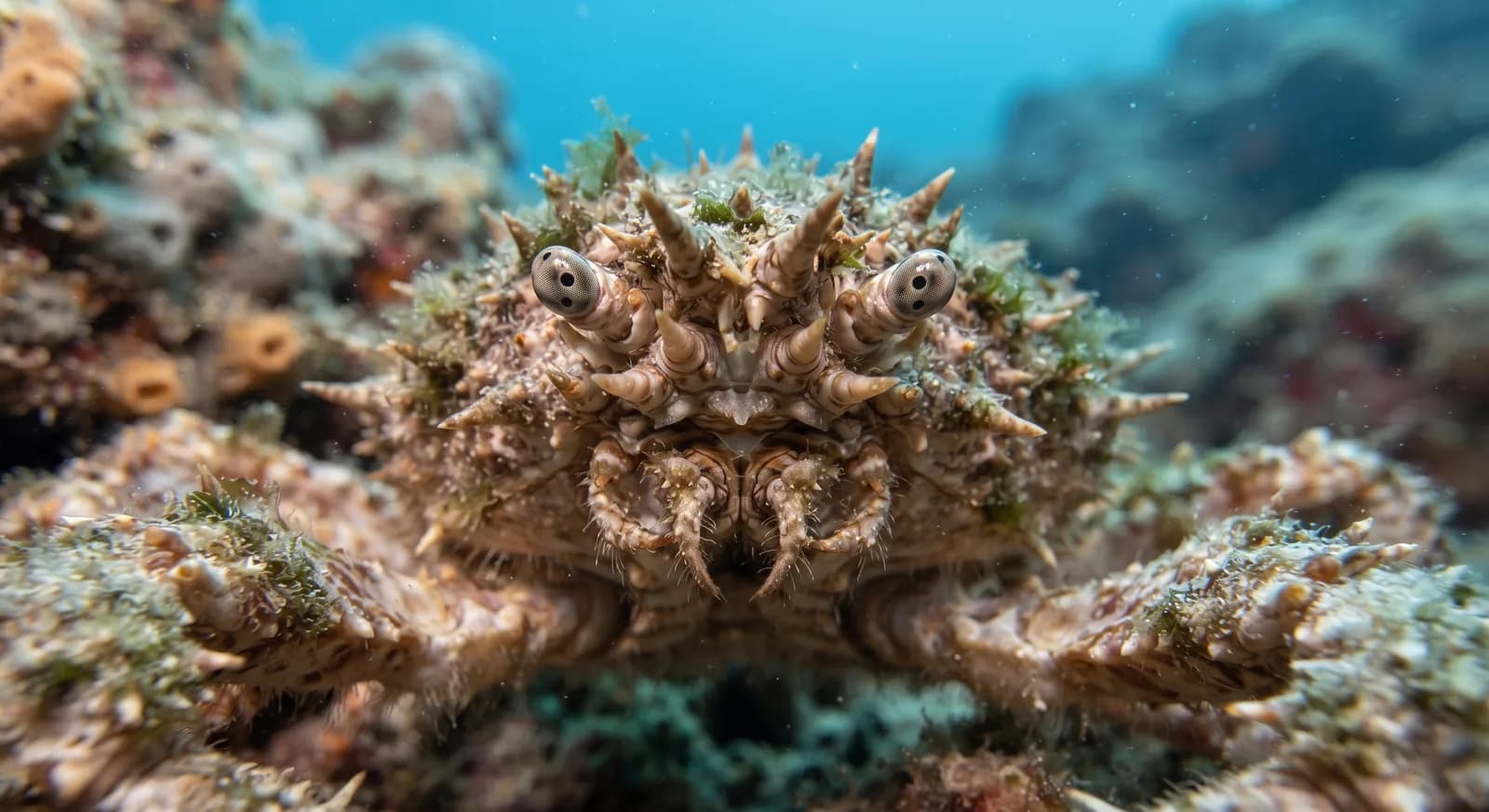
Common Spider CrabNot Evaluated

Common Spider Crab

Maja squinado

Not Evaluated

Mediterranean Hermit Crab

Clibanarius erythropus

Speckled Sea LouseNot Evaluated

Speckled Sea Louse

Eurydice pulchra

European Sand CumaceanNot Evaluated

European Sand Cumacean

Cumopsis goodsir

CountriesSpain
ParksDoñana National ParkSpain
TagsOmnivore
Omnivore
Nocturnal
Colonial
Ocean
Crustacean

Europe22

Africa5

Asia4

Spain
Italy
Greece
United Kingdom
Croatia
Portugal
Albania
Belgium
Bosnia and Herzegovina
Croatia
Cyprus
Denmark
France
Germany
Greece
Iceland
Ireland
Italy
Malta
Monaco
Montenegro
Netherlands
Norway
Portugal
Slovenia
Spain
Sweden
United Kingdom
Algeria
Egypt
Libya
Morocco
Tunisia
Israel
Lebanon
Syria
Türkiye