Skip to content
WAnimals
  • Map
  • Species
  • Parks
  • Diving
Log inCreate account
WAnimals

The guide for travellers and animal lovers: discover, plan and share your wild adventures around the world.

Discover wildlife

  • Species
  • Ecosystems
  • Glossary
  • Tags

Explore places

  • Map
  • Countries
  • Parks
  • Diving

Plan experiences

  • Guides

Learn

  • Blog

Resources

  • About us
  • How we build our profiles
  • Help centre
  • Contact
  • Install the app

Follow us

Account

  • Log in
  • Create account

© 2026 WAnimals. All rights reserved.

Terms of servicePrivacyCookiesLegal notice
MapSpeciesParksDiving
  1. Home
  2. Species
  3. Mimic Octopus

One of the 7 octopuses on WAnimals

Mimic Octopus (Thaumoctopus mimicus)

Cephalopods · Octopoda · Octopodidae

Mimic Octopus

Thaumoctopus mimicus

Least Concern

The species is abundant and widely distributed; it faces no significant short-term risk.

Spotted something wrong?

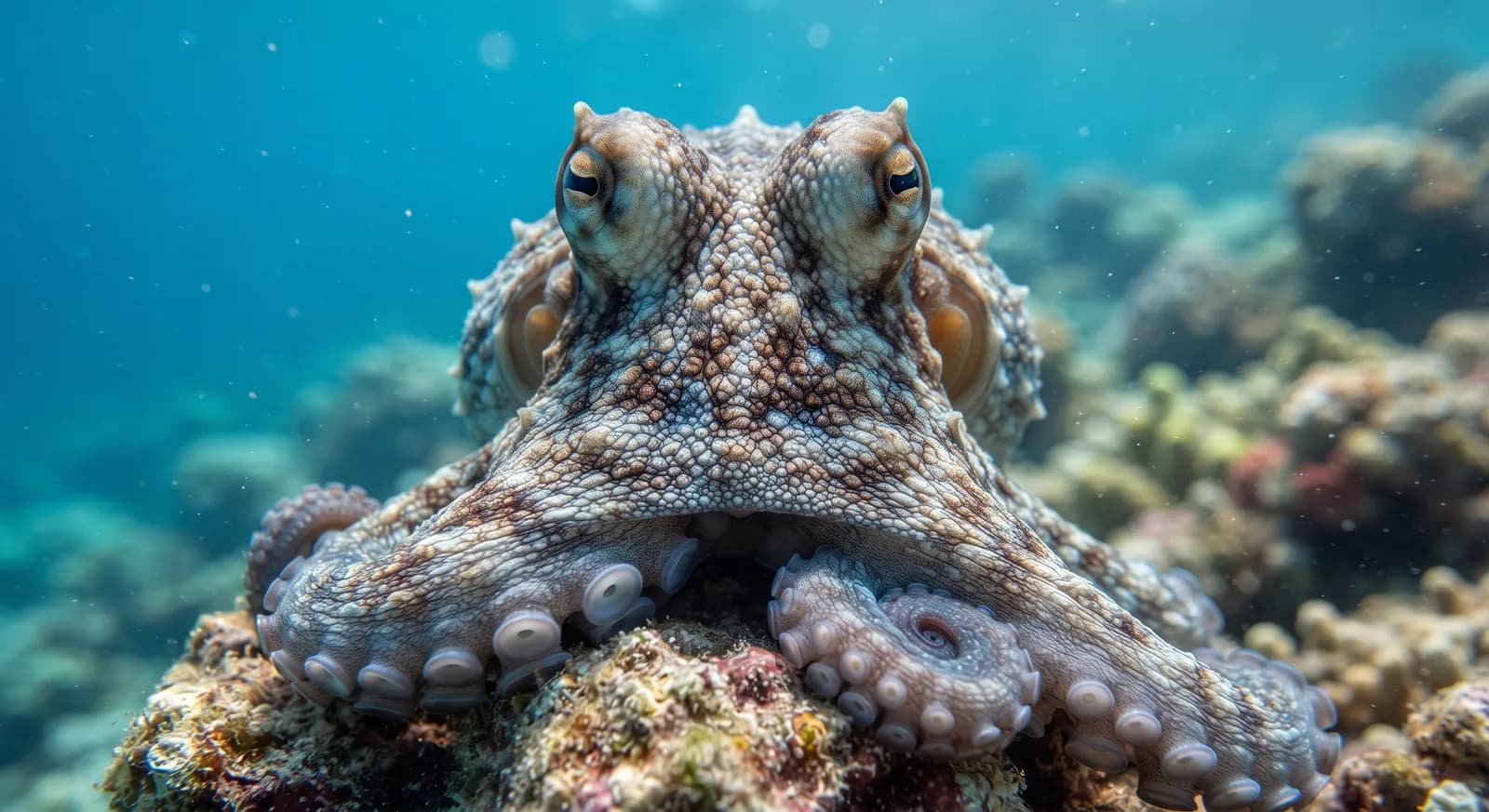
The mimic octopus is a cephalopod mollusc of the order Octopoda. This octopus is known for its astonishing ability to imitate at least 15 other marine animals.

Size

up to 60 cm

Diet

Carnivore

Feeds mainly on other animals.

Activity

Diurnal

Active mainly during the day.
Social structure

Solitary

Lives and hunts alone, joining others only to breed.

Ocean
6countries6parks20dive sites4same family

AI-generated images: illustrations, not photographs.

Fun facts

  • GeneralIt mimics the shape and movement of flatfish, sea snakes and lionfish.
  • It mimics other animals, and not in a general way: impersonations of as many as fifteen species have been documented, among them the lionfish, the banded sea snake, flatfish, jellyfish, anemones and mantis shrimps. Almost all of them venomous or inedible.
  • The impersonation is matched to the threat. When a territorial damselfish attacks it, it switches to a banded sea snake, which is precisely a predator of damselfish. That is what led researchers to describe the mimicry as dynamic and targeted rather than simply aposematic.
  • Together with its relative the wunderpus, it is the only animal in which this ability has been documented.
  • It does the opposite of almost every other octopus: it forages in broad daylight, on open sand and in full view of hunting fish. It has no shell and nothing to defend it; only the disguise.
  • It was first seen in 1998 off Sulawesi. The founding paper was published by Norman, Finn and Tregenza in 2001, and the species was not formally named until 2005.
  • It measures about 60 cm in total length, but the mantle is barely 5.8 cm: almost all of it is arms, as thin as a pencil.

Life cycle and biology

Skeleton type
Invertebrate - no rigid skeleton (mollusc)
Habitat and environment
Shallow sandy and muddy bottoms

Sources consulted: Wikipedia (es): Thaumoctopus mimicus · Anatomia de Cephalopoda · Wikipedia (Cuttlebone, Gladius) · FAO, terminos tecnicos de cefalopodos

Where to find it

Loading map…

The pins mark the parks and dive sites where its presence is documented.

Where to see it

Parks and dive sites where this species has been documented — showing 16 of 26.

Related species

Other species in the catalogue with the most in common with Mimic Octopus — same habitat, park, country, tags or family.

Same taxonomic family
Shares a park
Shares a park
Shares a park
Shares a park

Related guides

Keep exploring

Based on what we already know about mimic octopus.

Share an experience, a fun fact or a tip for seeing the mimic octopus.
See full glossary
This page in other languages: Español · Deutsch · Français · Português · Italiano
See its range on the interactive map→
KomodoIndonesia
Tubbataha ReefsPhilippines
Bali BaratIndonesia
BunakenIndonesia
KarimunjawaIndonesia
WakatobiIndonesia
Komodo National ParkIndonesia
Bunaken Marine ParkIndonesia
USAT Liberty (Tulamben)Indonesia
Amed and Jemeluk BayIndonesia
Lembeh StraitIndonesia
Wakatobi National ParkIndonesia
Alor ArchipelagoIndonesia
Mabul IslandMalaysia
AnilaoPhilippines
Halmahera (walking sharks)Indonesia
See all 20 dive sites
Day OctopusLeast Concern

Day Octopus

Octopus cyanea

Greater Blue-ringed OctopusLeast Concern

Greater Blue-ringed Octopus

Hapalochlaena lunulata

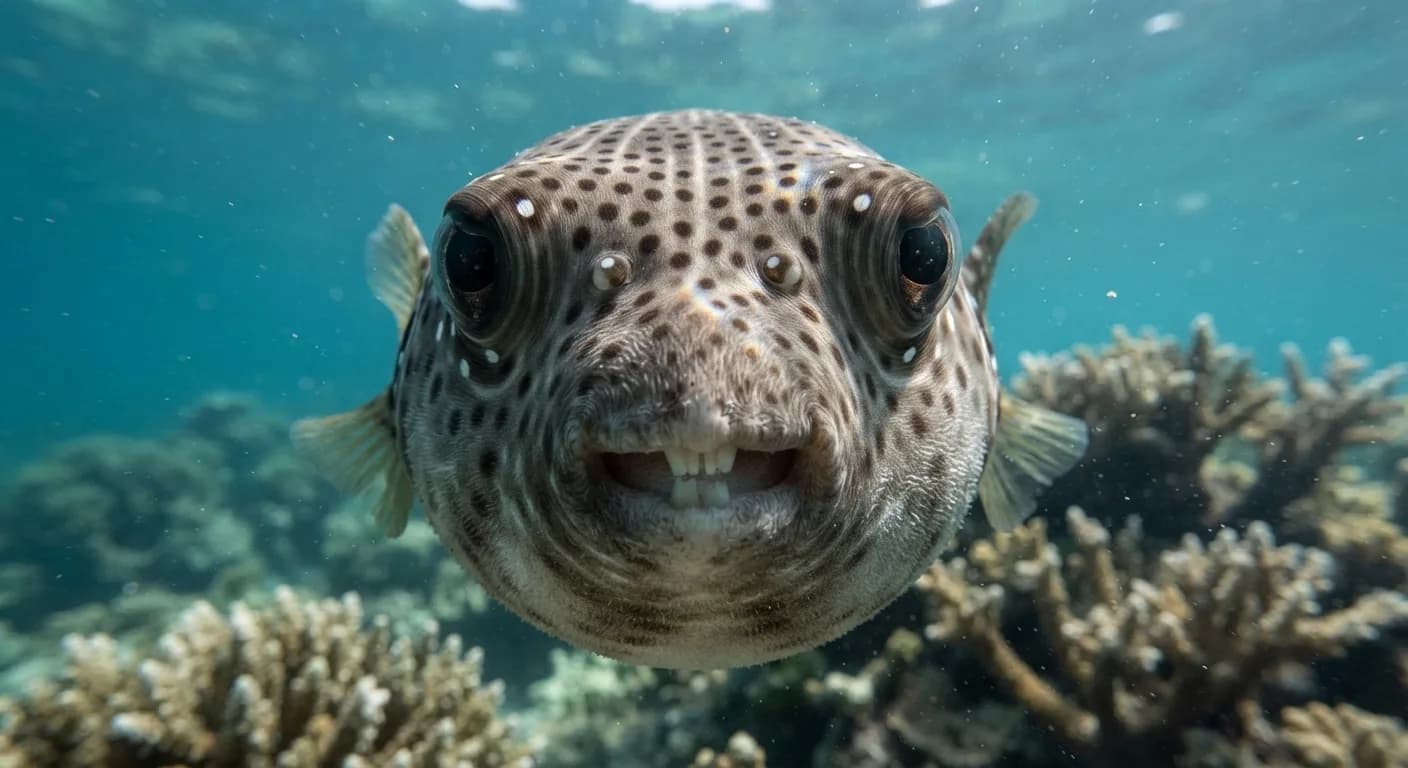
White-spotted PufferLeast Concern

White-spotted Puffer

Arothron hispidus

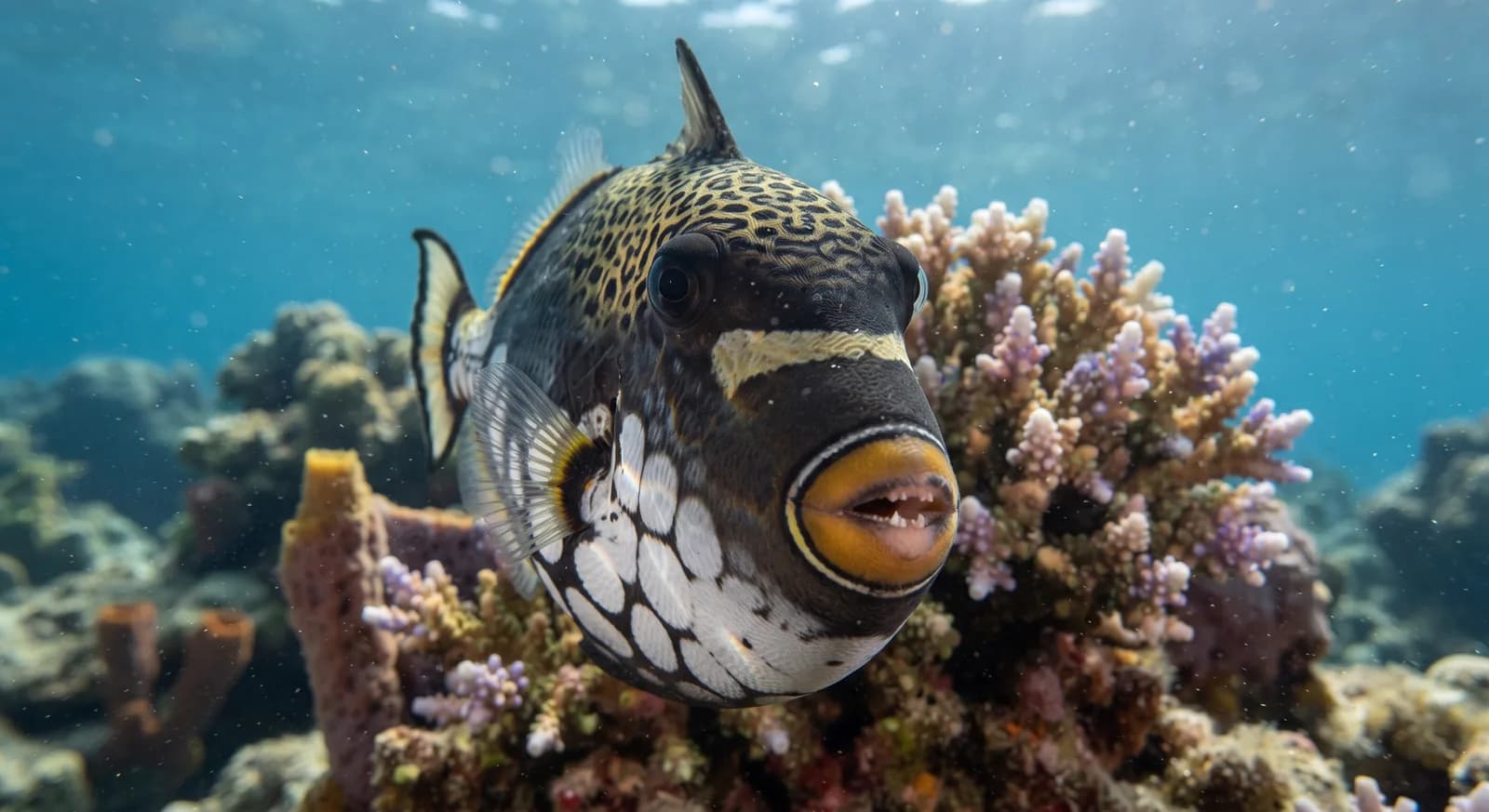
Clown TriggerfishLeast Concern

Clown Triggerfish

Balistoides conspicillum

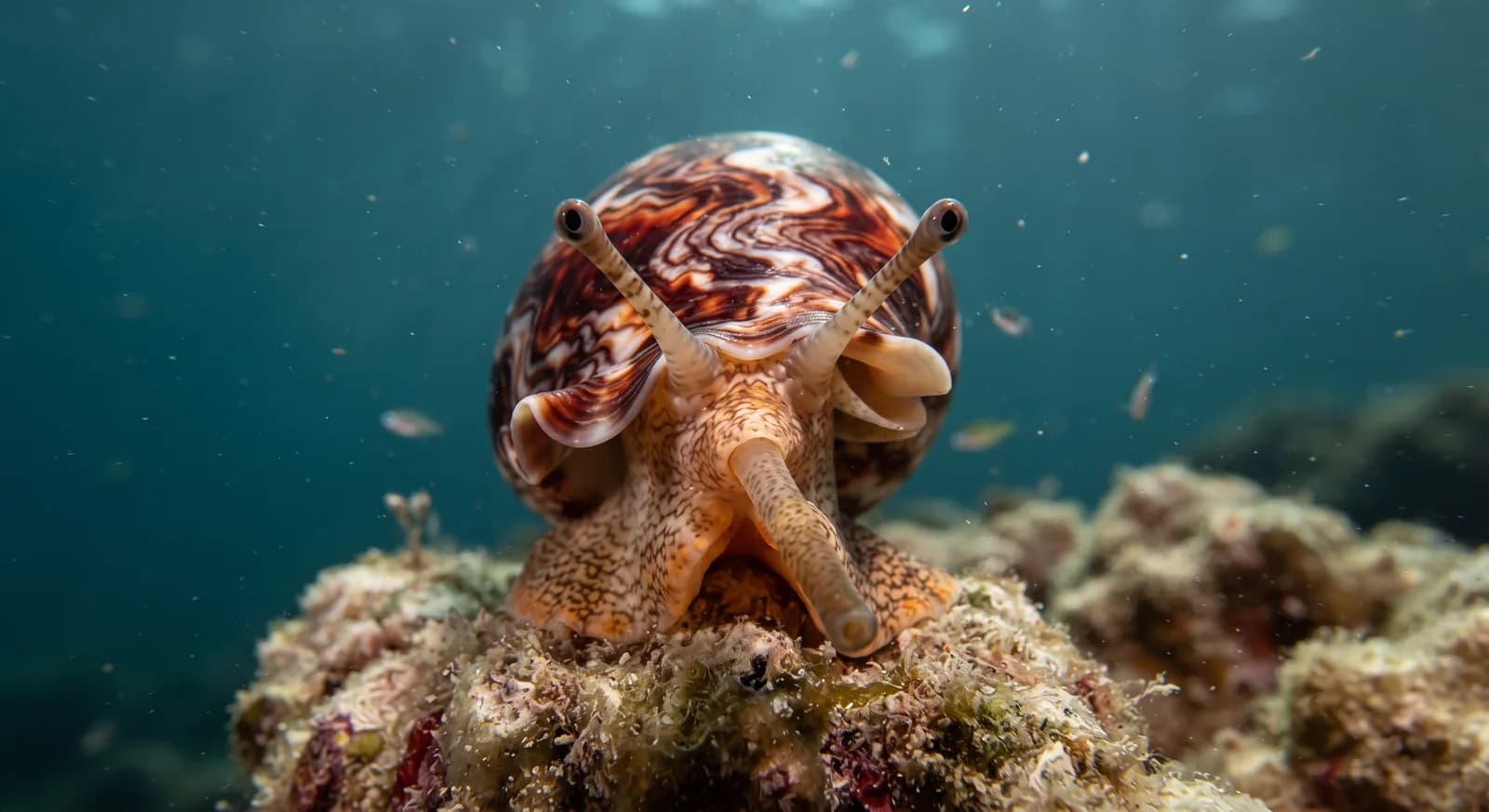
Geography ConeLeast Concern

Geography Cone

Conus geographus

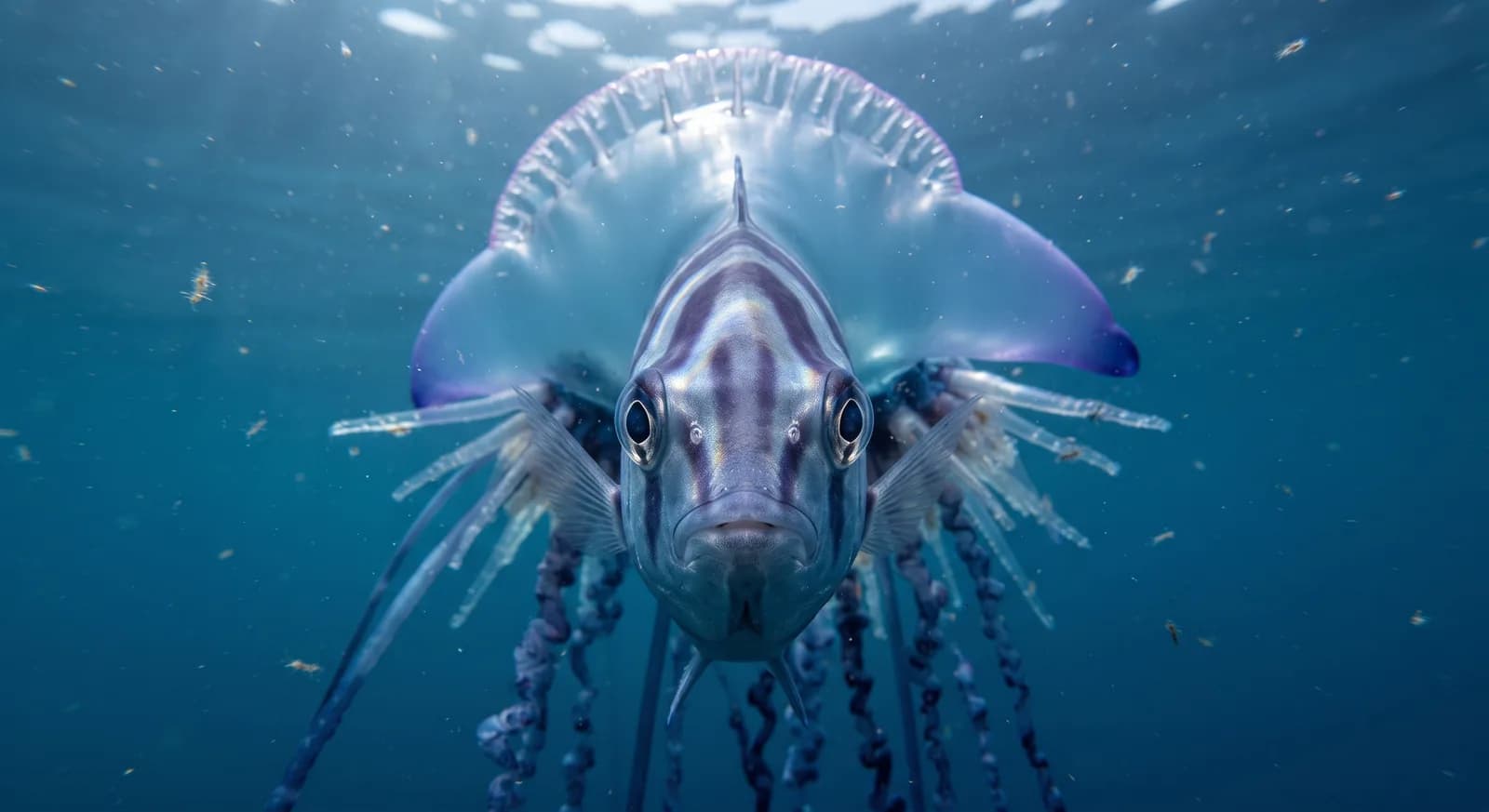
Man-of-war FishLeast Concern

Man-of-war Fish

Nomeus gronovii

Where to dive with Mimic Octopus5 places
CountriesIndonesia
ParksKomodoIndonesia
TagsCarnivore
Carnivore
Diurnal
Solitary
Ocean
Mollusc
Indonesia
Philippines
Malaysia
Papua New Guinea
Australia
Thailand