Skip to content
WAnimals
  • Map
  • Species
  • Parks
  • Diving
Log inCreate account
WAnimals

The guide for travellers and animal lovers: discover, plan and share your wild adventures around the world.

Discover wildlife

  • Species
  • Ecosystems
  • Glossary
  • Tags

Explore places

  • Map
  • Countries
  • Parks
  • Diving

Plan experiences

  • Guides

Learn

  • Blog

Resources

  • Help centre
  • Contact
  • Install the app

Follow us

Account

  • Log in
  • Create account

© 2026 WAnimals. All rights reserved.

About usHow we build our profilesTerms of servicePrivacyLegal notice
MapSpeciesParksDiving
  1. Home
  2. Species
  3. Nyala
Nyala (Tragelaphus angasii)

Mammals · Artiodactyla · Bovidae

Nyala

Tragelaphus angasii

Least Concern

The species is abundant and widely distributed; it faces no significant short-term risk.

Spotted something wrong?

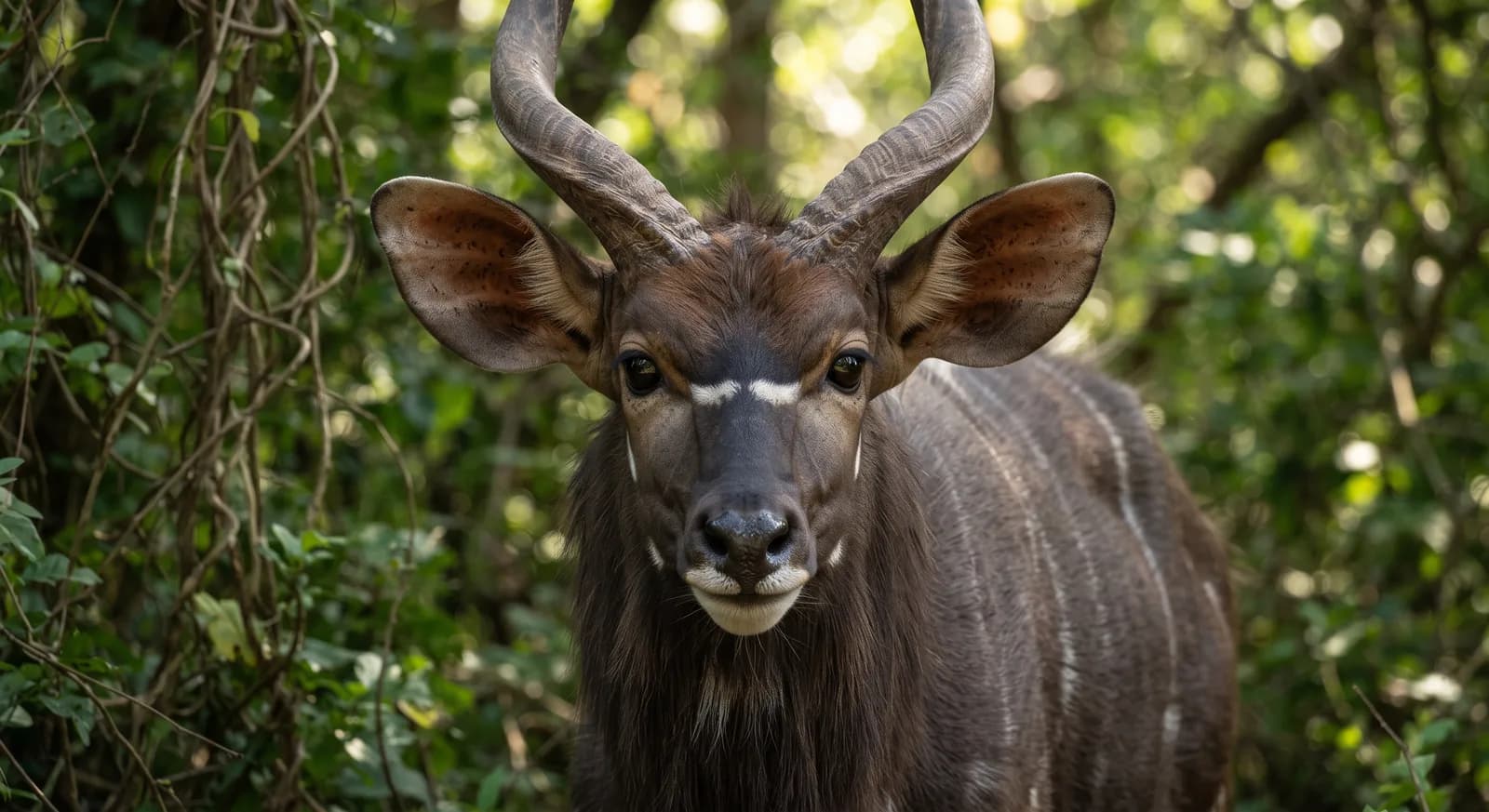
The nyala is an antelope of south-eastern Africa with one of the most marked cases of sexual dimorphism in the family. The male is slate grey, with a long mane along the back and belly, spiral horns with pale tips and intensely orange legs; the female is chestnut, striped with white and hornless, to the point of looking like a different species. It lives in dense scrub near water and browses leaves and fruit, often beneath the trees where monkeys are feeding, taking what they drop.

Weight

55 kg – 140 kg

Size

1.4 m – 2 m

Life expectancy

16 years
Diet

Herbivore

Feeds mainly on plants.

Activity

Crepuscular

Active mainly at dawn and dusk.

Sighting difficulty

Easy

SavannaTemperate forest
11countries5parks86same family

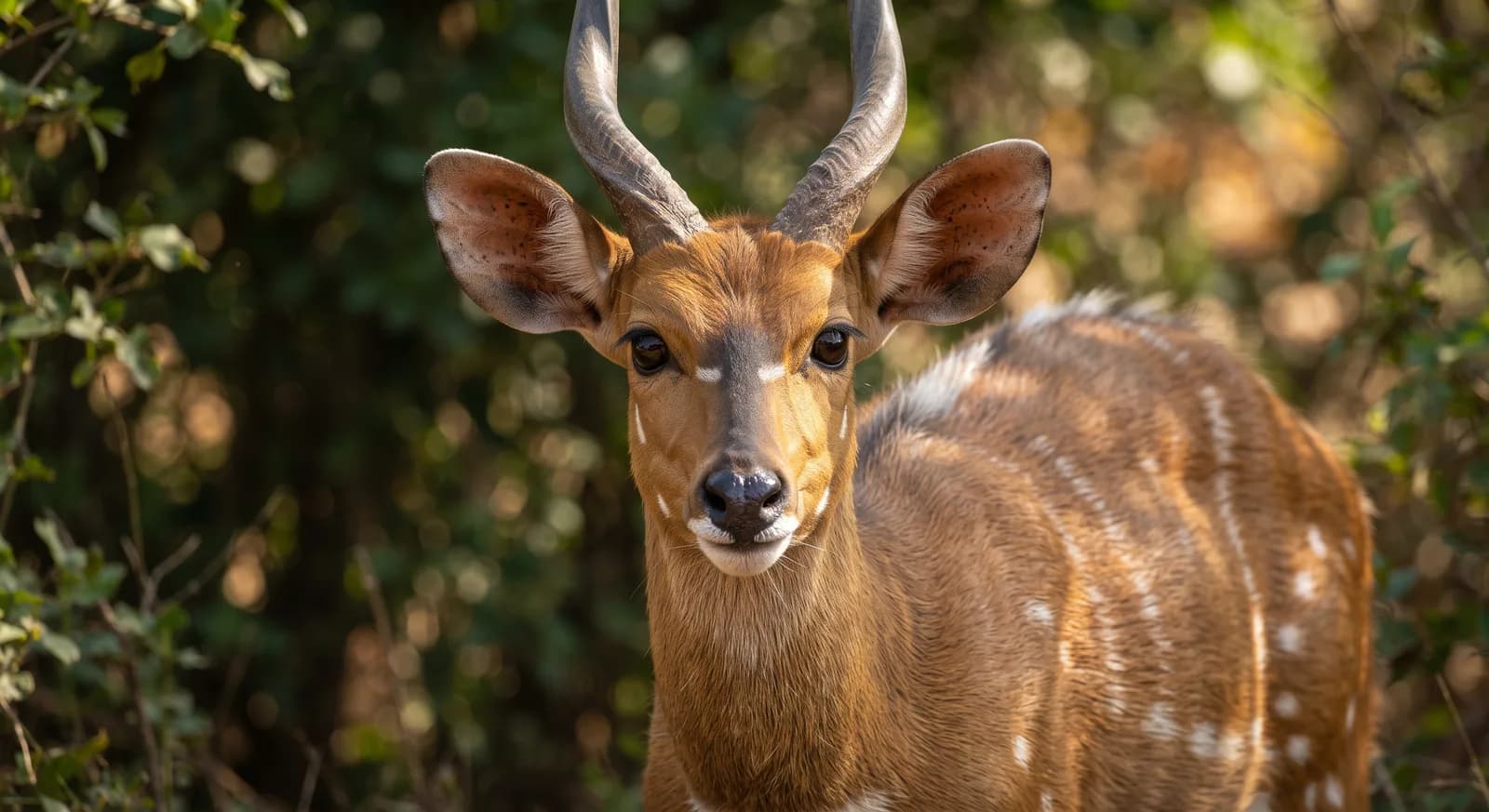
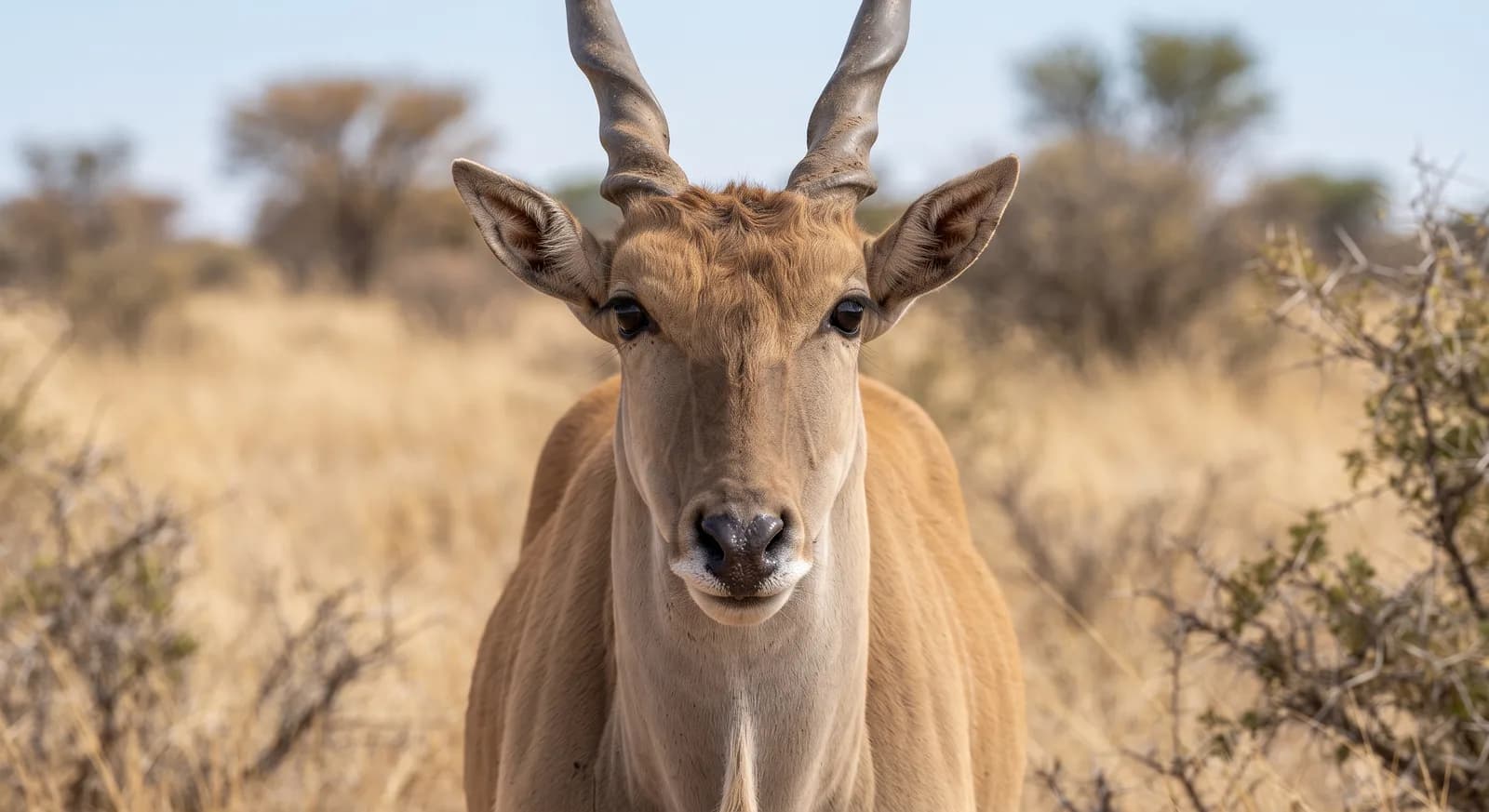
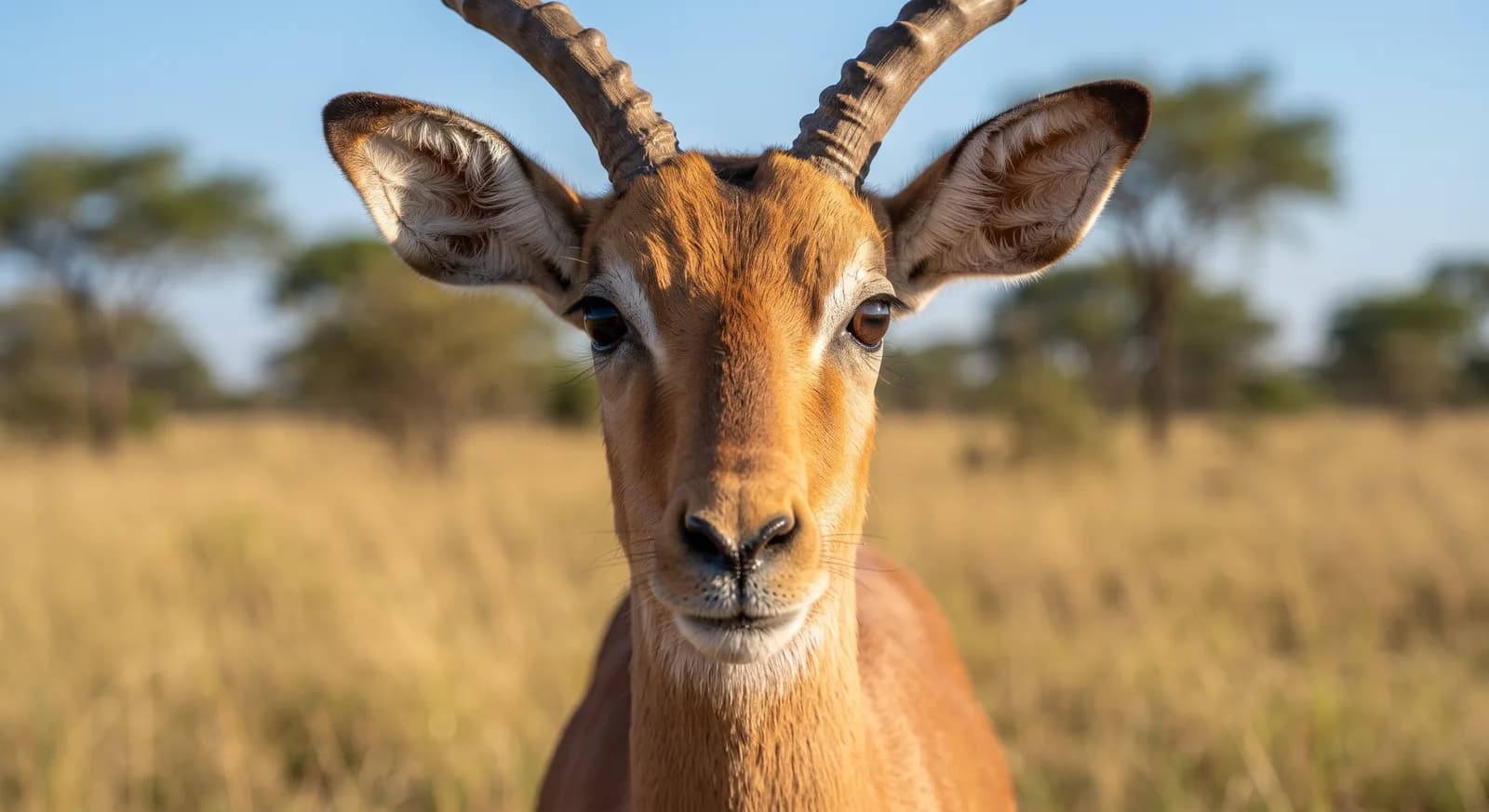
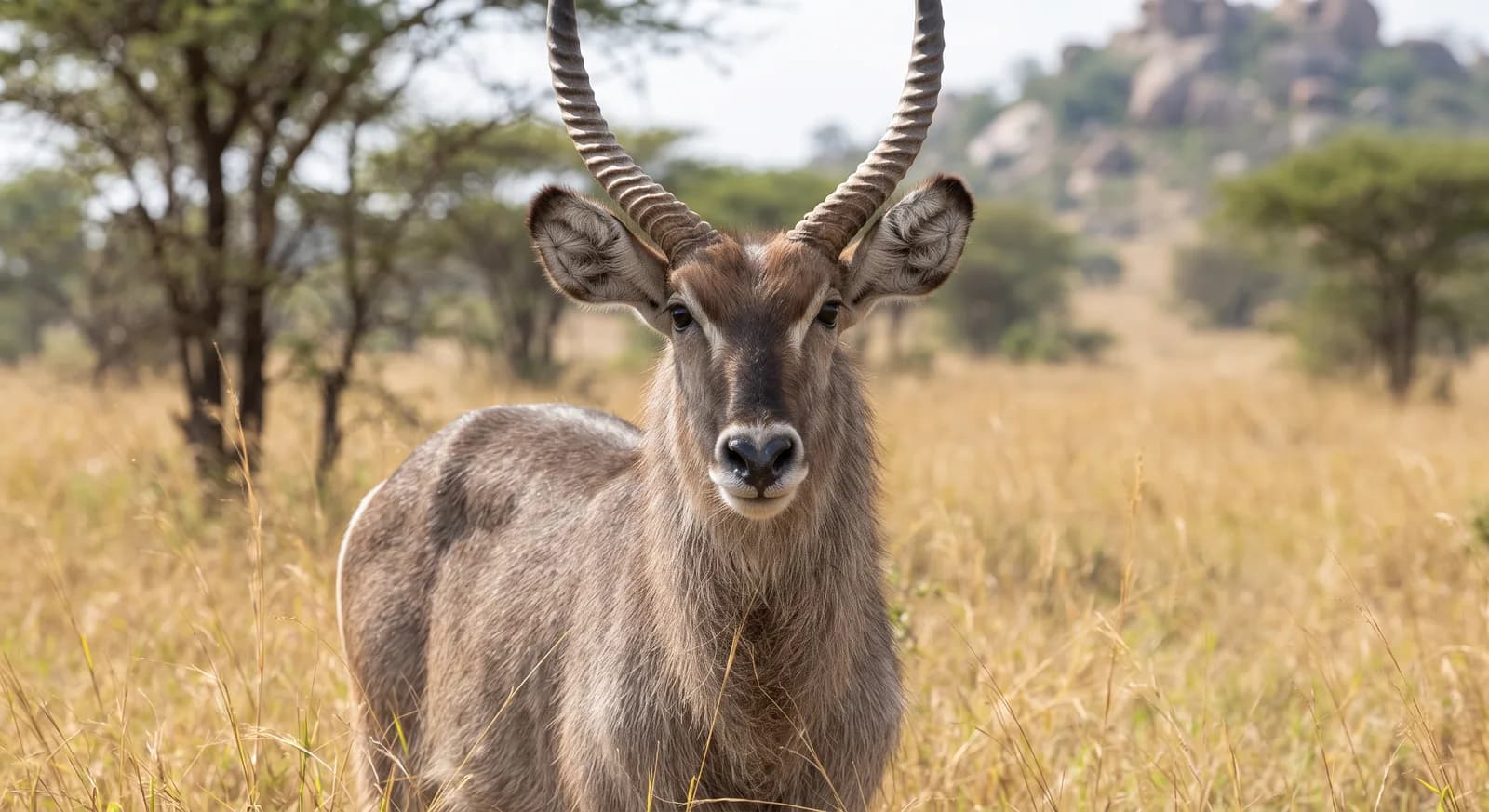
AI-generated images: illustrations, not photographs.

Fun facts

  • GeneralOne of the most sexually dimorphic antelopes: only the males have horns, and a dark grey coat with a mane.
  • Male and female look like different species: he is slate grey, maned and horned; she is chestnut, striped and hornless, and less than half his weight.
  • It often feeds beneath the trees where baboons and vervet monkeys are eating, taking the fruit and leaves they drop from the canopy.

Life cycle and biology

Skeleton type
Vertebrate - internal bony skeleton (mammal)
Habitat and environment
Dense thicket, dry forest and riverine undergrowth of south-eastern Africa
Sexual maturity
14.8 months
Gestation / incubation
7.4 months
Litter / clutch size
1

Sources consulted: https://es.wikipedia.org/wiki/Tragelaphus_angasii

Where to find it

Loading map…

The pins mark the parks where its presence is documented.

Where to see it

Parks and dive sites where this species has been documented.

Related species

Other species in the catalogue with the most in common with Nyala — same habitat, park, country, tags or family.

Same taxonomic family

Keep exploring

Based on what we already know about nyala.

Comments

Share an experience, a fun fact or a tip for seeing the nyala.

Be the first to comment.

See full glossary
This page in other languages: Español · Deutsch · Français · Português · Italiano
See its range on the interactive map→
GorongosaMozambique
Hluhluwe-iMfoloziSouth Africa
iSimangalisoSouth Africa
Mana PoolsZimbabwe
GonarezhouZimbabwe
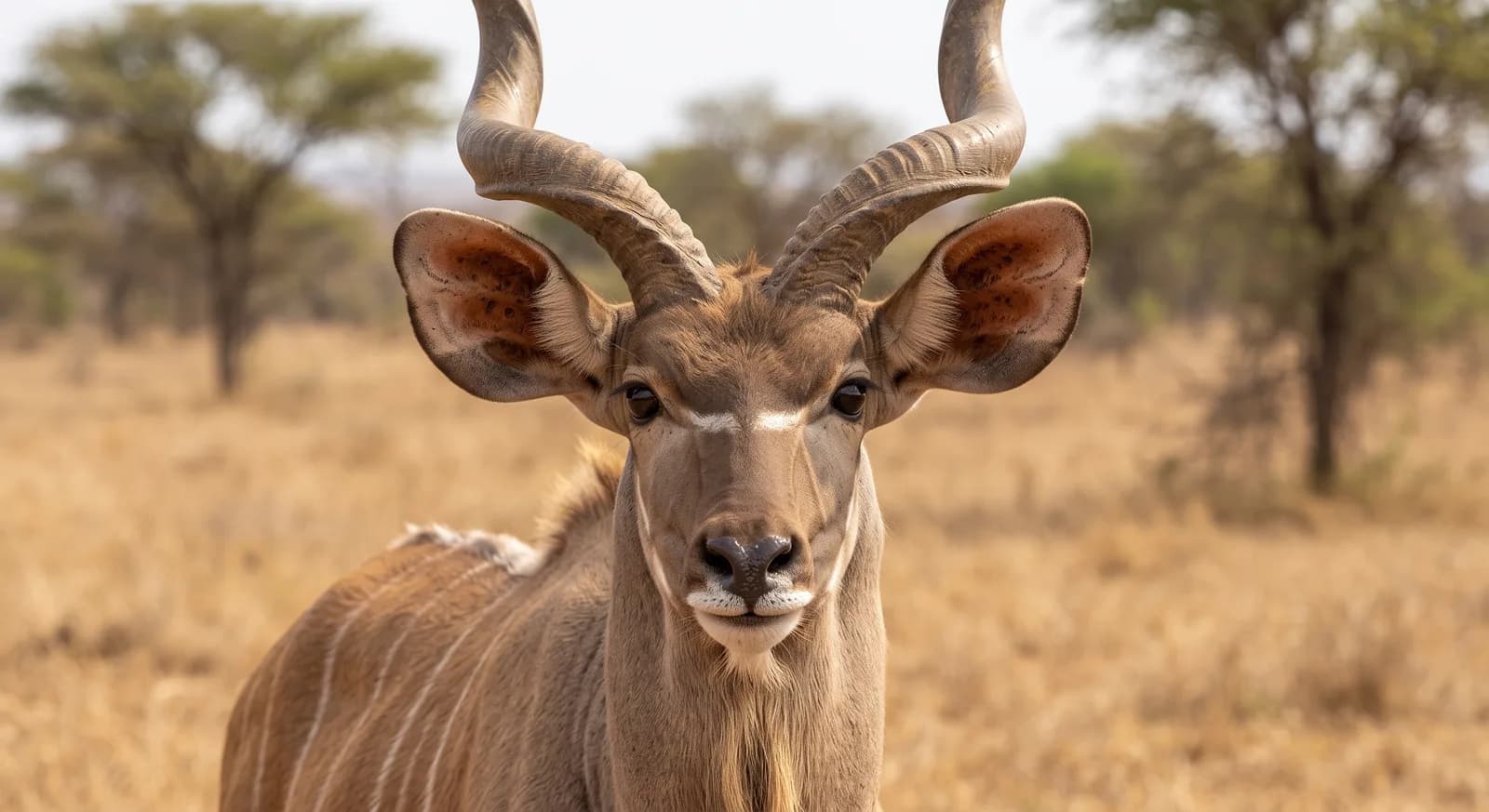
Greater KuduLeast Concern

Greater Kudu

Tragelaphus strepsiceros

BushbuckLeast Concern

Bushbuck

Tragelaphus scriptus

Common ElandLeast Concern

Common Eland

Taurotragus oryx

Least Concern

Klipspringer

Oreotragus oreotragus

ImpalaLeast Concern

Impala

Aepyceros melampus

WaterbuckLeast Concern

Waterbuck

Kobus ellipsiprymnus

CountriesSouth Africa
ParksGorongosaMozambique
TagsHerbivore
Herbivore
Crepuscular
Savanna
Temperate forest
Mammal
South Africa
Zimbabwe
Mozambique
Angola
Botswana
Eswatini
Angola
Botswana
Eswatini
Ethiopia
Lesotho
Malawi
Mozambique
Namibia
South Africa
Zambia
Zimbabwe