Skip to content
WAnimals
  • Map
  • Species
  • Parks
  • Diving
Log inCreate account
WAnimals

The guide for travellers and animal lovers: discover, plan and share your wild adventures around the world.

Discover wildlife

  • Species
  • Ecosystems
  • Glossary
  • Tags

Explore places

  • Map
  • Countries
  • Parks
  • Diving

Plan experiences

  • Guides

Learn

  • Blog

Resources

  • Help centre
  • Contact
  • Install the app

Follow us

Account

  • Log in
  • Create account

© 2026 WAnimals. All rights reserved.

About usHow we build our profilesTerms of servicePrivacyLegal notice
MapSpeciesParksDiving
  1. Home
  2. Species
  3. Velvet-belly

One of the 26 sharks on WAnimals

Cartilaginous fish · Squaliformes · Etmopteridae

Velvet-belly

Etmopterus spinax

Least Concern

The species is abundant and widely distributed; it faces no significant short-term risk.

Spotted something wrong?

The velvet belly lanternshark is a small deep-water shark of the Atlantic and the Mediterranean, present in Spanish waters. It is bioluminescent: its belly is covered in thousands of photophores that emit a bluish light. That light is not for seeing but for disappearing: it matches the dim light coming from above and erases its outline.

Weight

300 g – 1 kg

Size

30 cm – 60 cm

Life expectancy

20 years

Diet

Carnivore

Feeds mainly on other animals.

Activity

Nocturnal

Active mainly at night.

Social structure

School

Gathers in coordinated schools, typical of fish.

Sighting difficulty

Easy

Ocean
11countries2dive sites

Fun facts

  • It lights itself up in order to become invisible: the photophores on its belly emit exactly the same intensity of bluish light as reaches it from the surface, erasing its outline for any predator looking up from below. It is called counter-illumination.
  • It adjusts the brightness with hormones: it can regulate the intensity of its light to match the changing gloom with depth and time of day.
  • It lives in Spanish waters, on the slopes of the Bay of Biscay, Galicia and the Mediterranean, and is a frequent bycatch of deep-sea trawling.

Life cycle and biology

Skeleton type
Vertebrate - cartilaginous skeleton (fish)
Habitat and environment
Continental slopes of the eastern Atlantic and the Mediterranean, between 200 and 2,000 metres
Birth weight
12 - 14 cm at birth
Size at birth
12-14 cm at birth; it is ovoviviparous
Sexual maturity
5 years
Gestation / incubation
Internal gestation
Litter / clutch size
6.8 (average)

Sources consulted: https://es.wikipedia.org/wiki/Etmopterus_spinax

Where to find it

Best time: All year round on the continental slope of the eastern Atlantic and the Mediterranean, between 200 and 1,000 m; it gives off light from photophores on its underside.

Loading map…

The pins mark the dive sites where its presence is documented.

Where to see it

Parks and dive sites where this species has been documented.

Related species

Other species in the catalogue with the most in common with Velvet-belly — same habitat, park, country, tags or family.

Shares a dive site
Shares a dive site
Shares a dive site
Shares a dive site
Shares a dive site
Shares a dive site

Keep exploring

Based on what we already know about velvet-belly.

Comments

Share an experience, a fun fact or a tip for seeing the velvet-belly.

Be the first to comment.
See full glossary
This page in other languages: Español · Deutsch · Français · Português · Italiano
See its range on the interactive map→
SaltstraumenNorway
Trondheimsfjord (cold-water corals)Norway
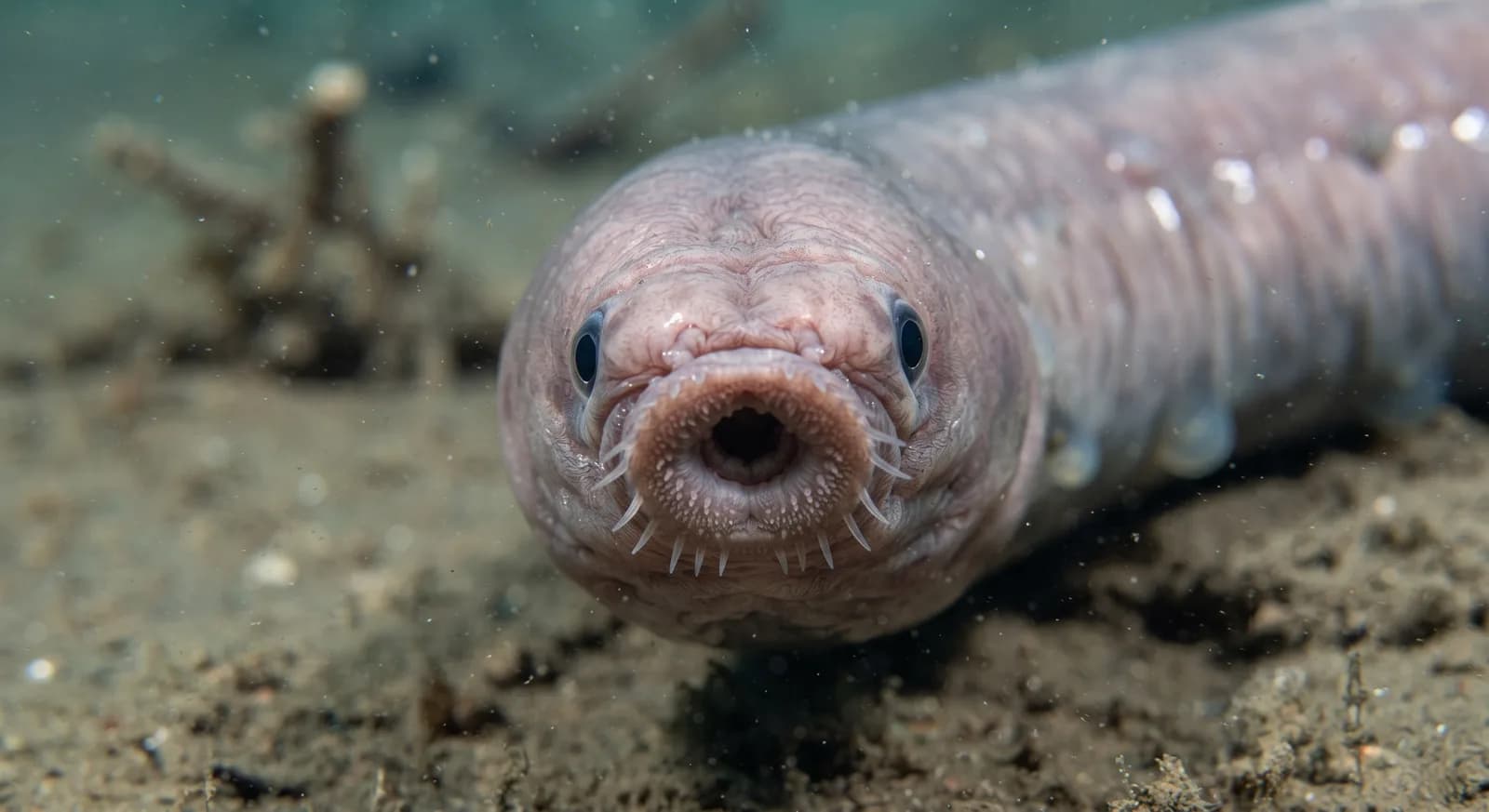
HagfishLeast Concern

Hagfish

Myxine glutinosa

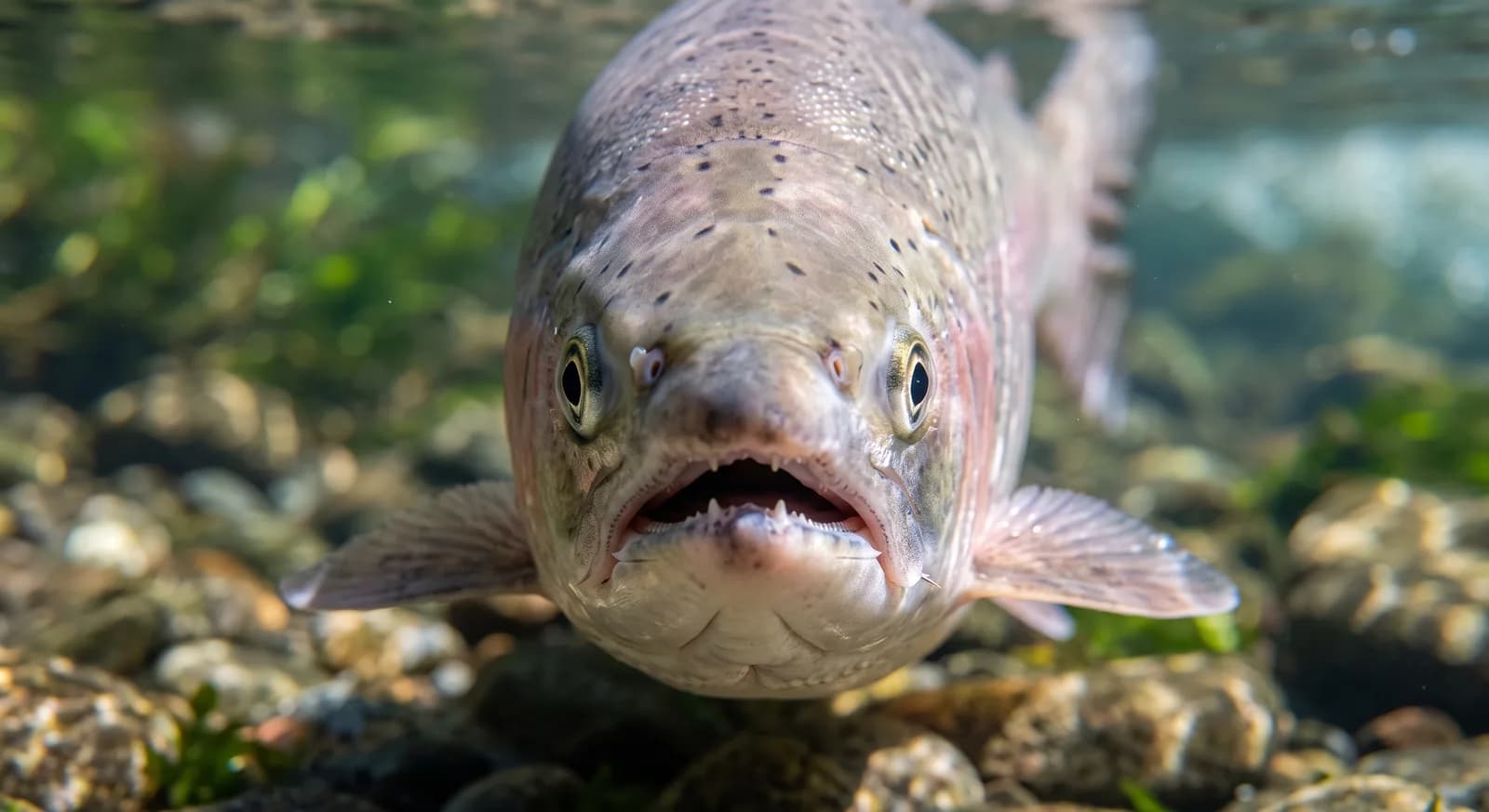
SalmonLeast Concern

Salmon

Salmo salar

Least Concern

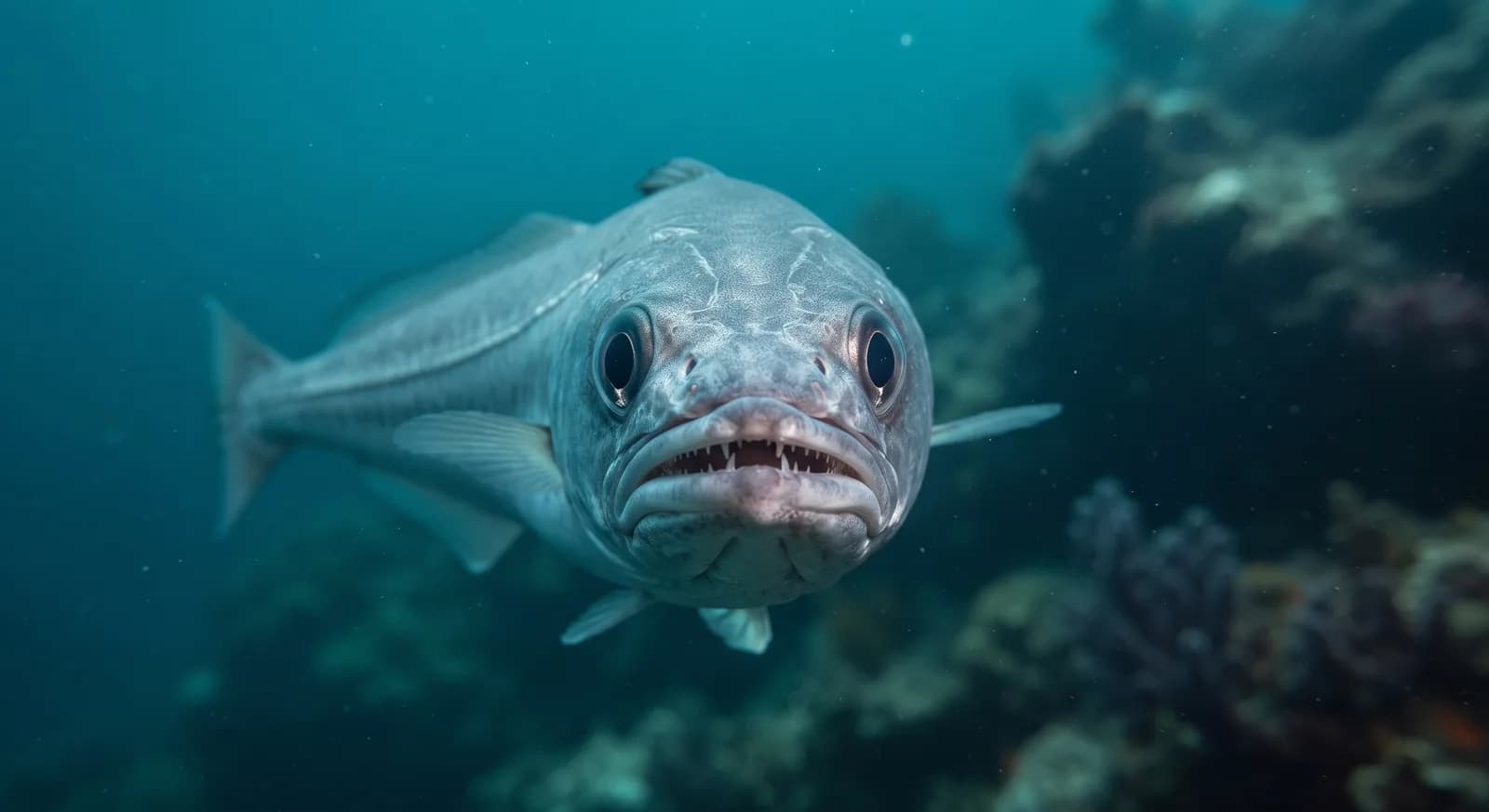
Whiting

Merlangius merlangus

European HakeLeast Concern

European Hake

Merluccius merluccius

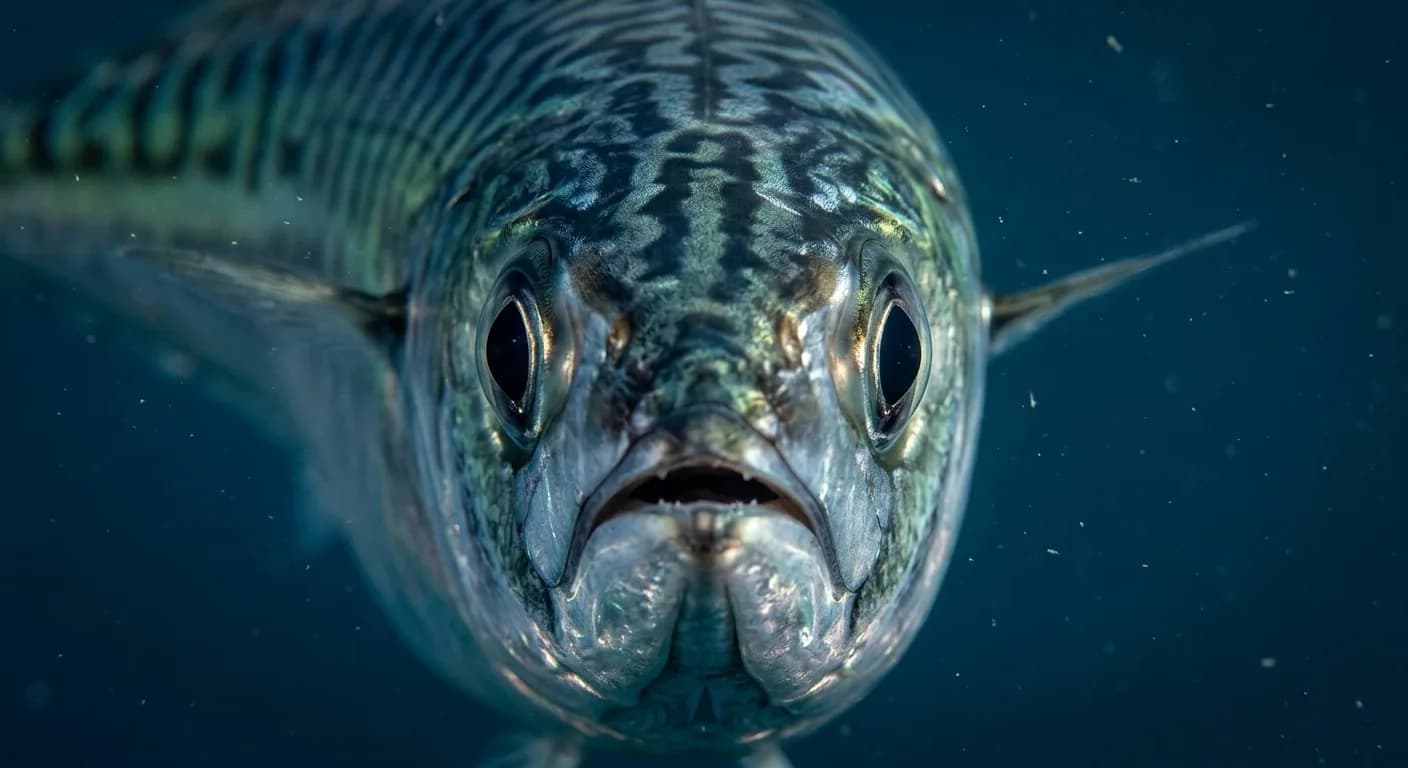
MackerelLeast Concern

Mackerel

Scomber scombrus

Least Concern

Plaice

Pleuronectes platessa

CountriesNorway
TagsCarnivore
Carnivore
Nocturnal
In schools
Fish
Ocean

Europe9

Africa2

Norway
France
Greece
Iceland
Ireland
Italy
France
Greece
Iceland
Ireland
Italy
Norway
Portugal
Spain
United Kingdom
Morocco
Senegal