 Least Concern
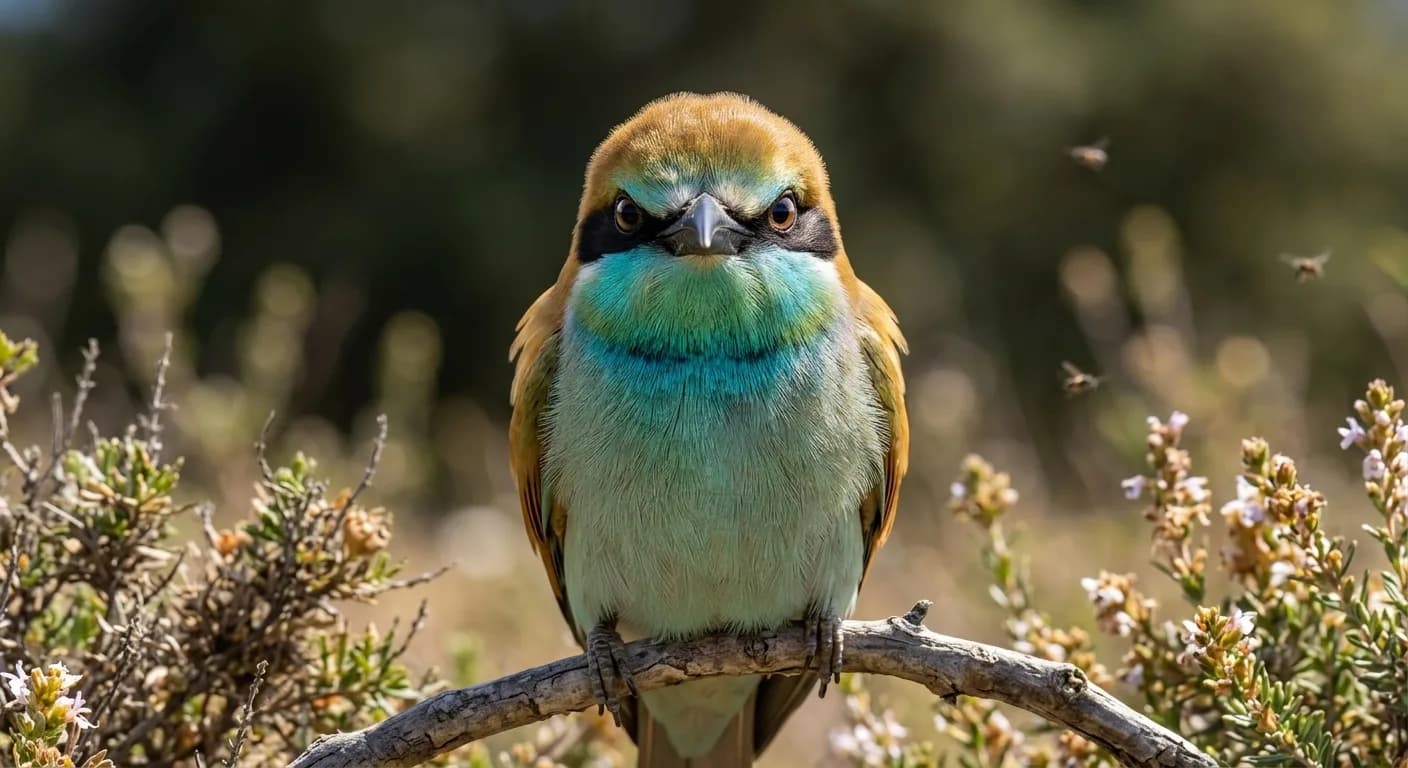
European Bee-eater
Merops apiaster
Europe
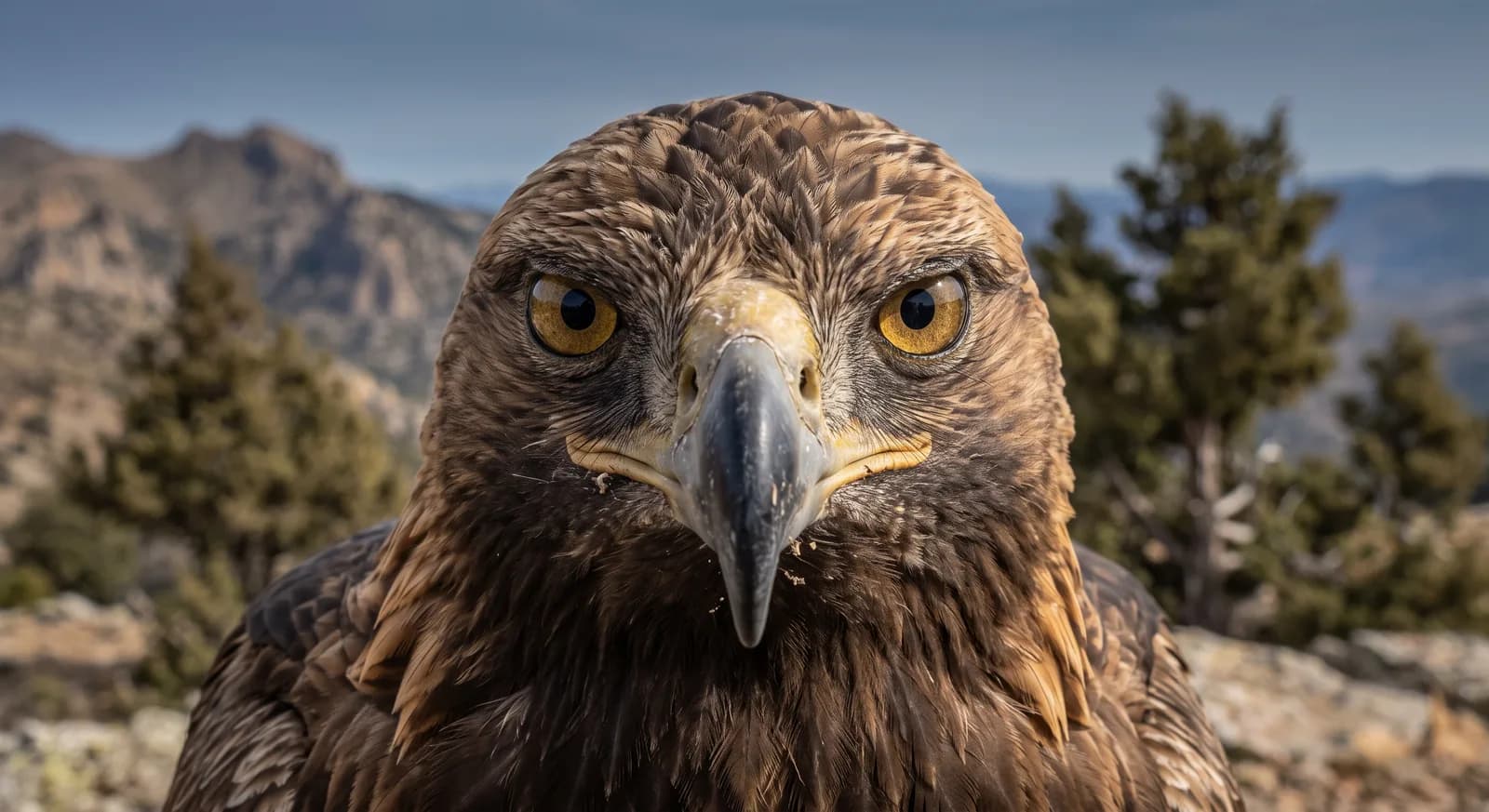
Andorra is entirely a Pyrenean country, wedged among glacial valleys and peaks that exceed 2,900 metres at their highest point. Its nature is that of the humid high mountains of the eastern Pyrenees: mountain pine and fir forests in the subalpine belt, high-altitude meadows, glacial cirques, peat bogs and lakes of glacial origin. The characteristic fauna includes the Pyrenean chamois, or izard, the alpine marmot, the Pyrenean capercaillie, the ptarmigan and the stoat, with the bearded vulture and the golden eagle soaring over the ridges. In the rivers and torrents the otter survives alongside the Pyrenean desman, a small aquatic insectivore with a mobile snout, exclusive to northern Iberia and the Pyrenees and highly sensitive to water quality. The Madriu-Perafita-Claror valley, a World Heritage Site, keeps a mountain landscape shaped by traditional livestock farming over centuries and with no road access.
National animal: No official national animal; the Pyrenean chamois, or izard, is the country's faunal symbol
The alpine marmot, today one of the most visible animals in the Andorran mountains, is not a species native to the Pyrenees: it disappeared from the range some 15,000 years ago and returned through human action from 1948, when animals brought from the Alps were released. From those releases it colonised the whole massif, and today it can be heard whistling to warn of eagles in any high valley.
Building and ski-resort pressure on the high valleys fragments the habitat of the Pyrenean capercaillie, a species very sensitive to disturbance during the display season.
Sorteny and Comapedrosa between June and September for marmots, chamois and alpine flowers in bloom. The northern ridges for the bearded vulture. Dawn and dusk in the high meadows for chamois.
372 species found
Based on what we already know about Andorra.