 Endangered
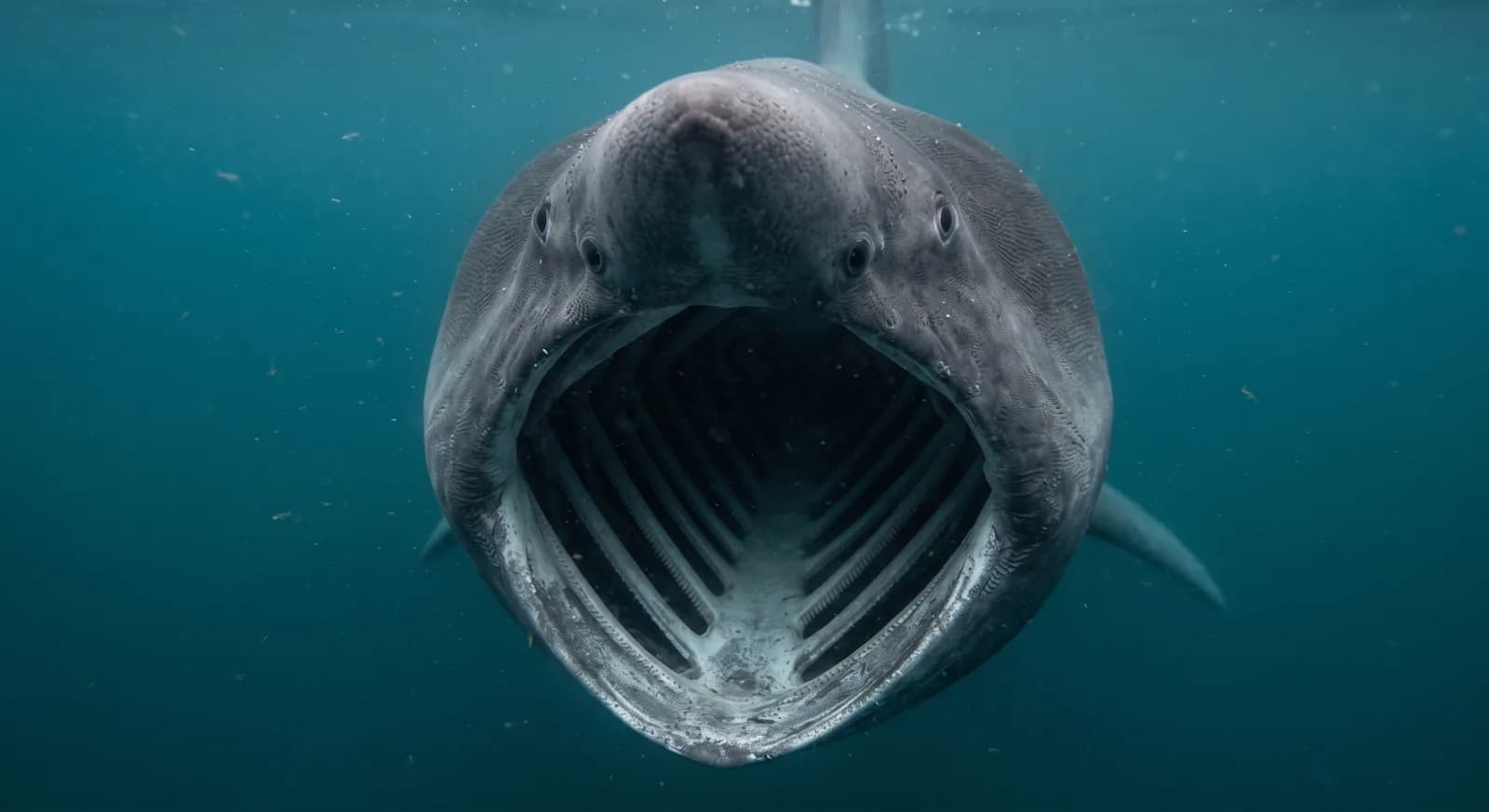
Basking Shark
Cetorhinus maximus
Oceania
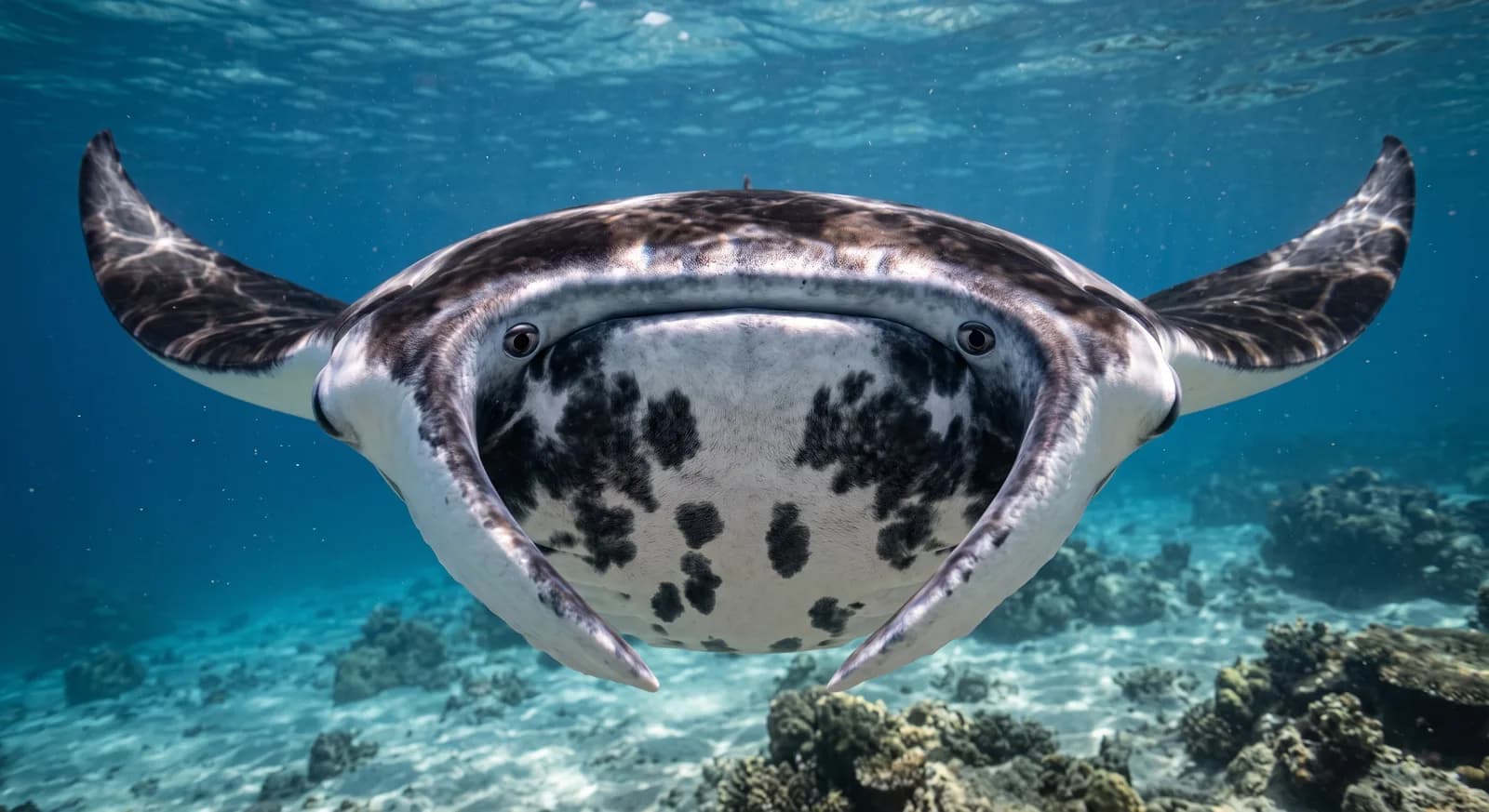
Palau is a western Pacific archipelago famous for its Rock Islands, hundreds of limestone mounds covered in forest and undercut at the base by erosion, which rise from a turquoise lagoon and form one of the most recognisable seascapes on the planet. Its reefs, on the edge of the Coral Triangle, bring together more than one thousand three hundred fish species and around five hundred of coral, with current-swept channels where grey reef sharks, trevally and mantas gather. Among the islands hide dozens of marine lakes, saltwater basins isolated from the ocean for millennia in which life has evolved separately. The country has made the protection of the sea a matter of state policy and a mark of identity.
National animal: No official national animal; the Palau fruit dove is the country's emblematic bird
In one of those isolated lakes live millions of golden jellyfish that cross the basin every day from east to west, following the path of the sun. They do it not in search of food but of light: they carry symbiotic algae in their tissues that need sunlight to photosynthesise and feed the jellyfish. Because they have lived without predators for thousands of years, their sting has become so weak that it is barely perceptible to human skin.
Palau created the world's first national shark sanctuary in 2009, banning shark fishing throughout its exclusive economic zone, and in 2015 approved a marine sanctuary closing most of its waters to commercial fishing. Every visitor must sign an environmental pledge printed in their passport on arrival.
Blue Corner and Ngemelis year-round for sharks and mantas. Jellyfish Lake subject to the species' population cycles. The Rock Islands for seabirds and nautiluses.
Where else might I want to travel?
Same region: Oceania
Same region: Oceania
Same region: Oceania
Same region: Oceania
134 species found
Based on what we already know about Palau.