 Least Concern
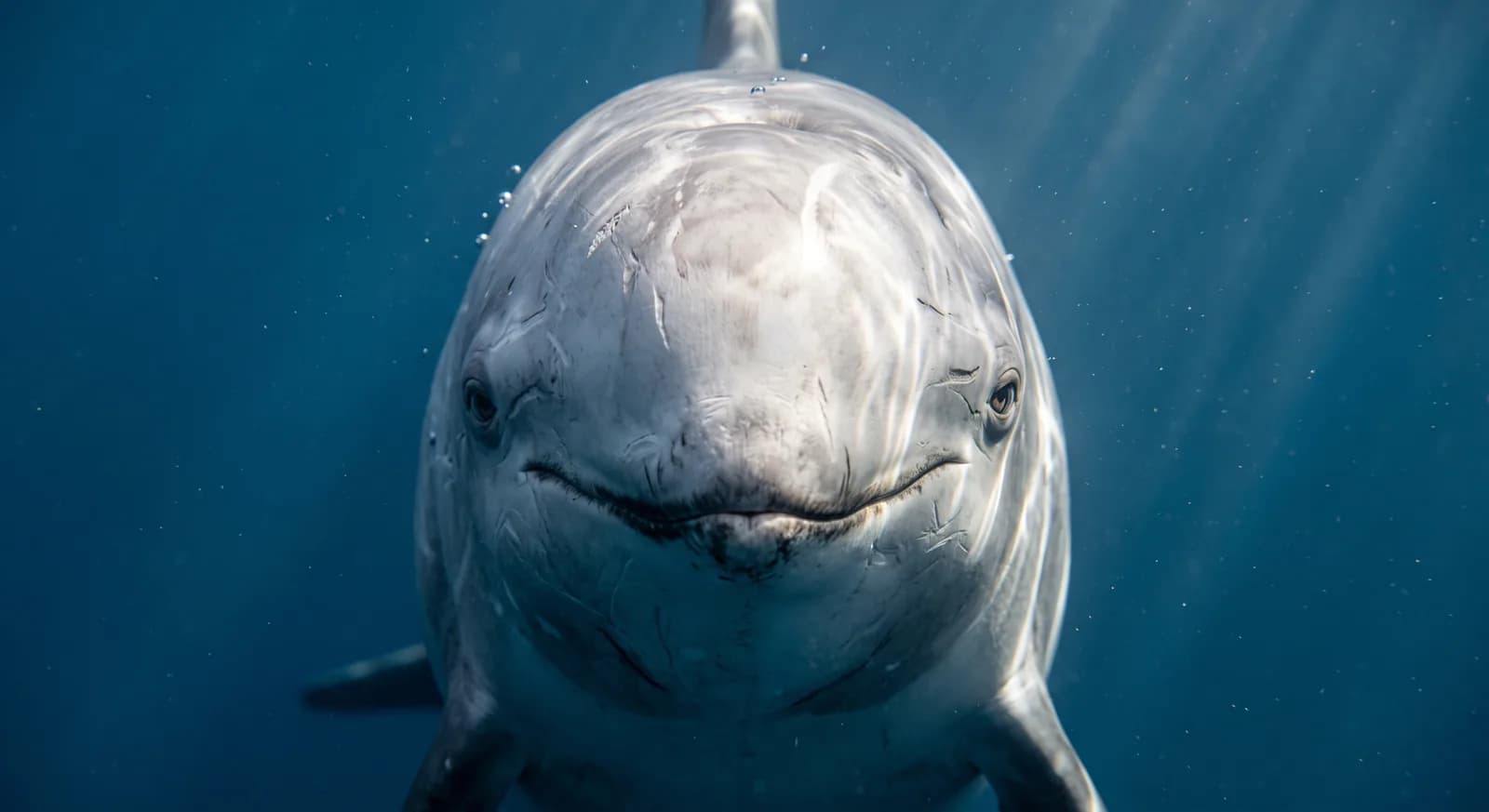
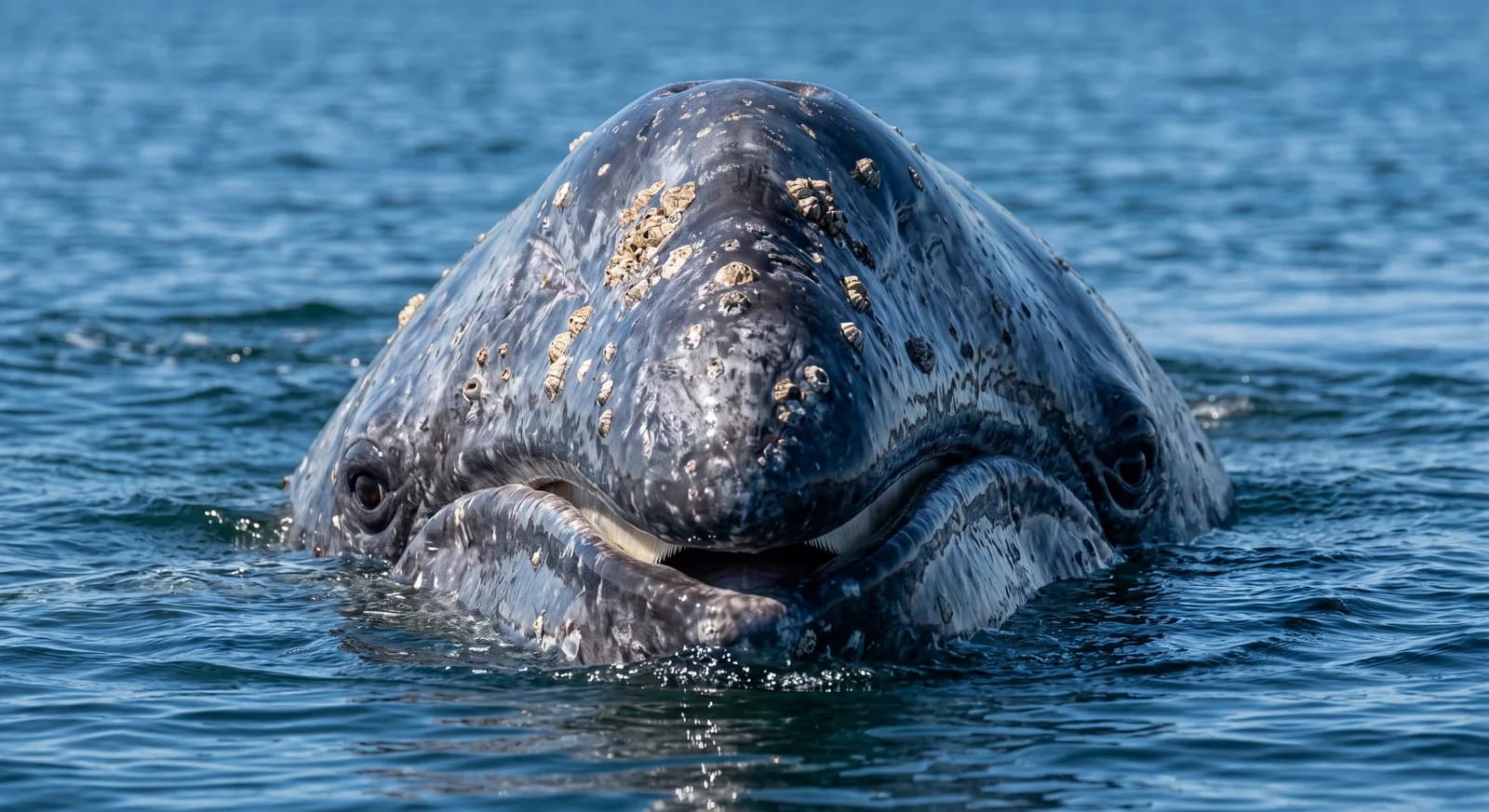
Gray Whale
Eschrichtius robustus
Asia
South Korea is a largely mountainous and heavily urbanised country that nonetheless keeps ecosystems of international importance. Its tidal flats on the west and south coasts, the getbol, form one of the largest marsh systems in the world and are an essential stopover on the East Asian-Australasian flyway, along which millions of waders travel between Siberia and Oceania. The volcanic island of Jeju, with Mount Halla, its lava tubes and its cinder cones, is a World Heritage Site and keeps temperate laurel forests. Inland, the Seoraksan and Jirisan parks protect conifer and deciduous forests where the Asiatic black bear has been reintroduced. Suncheon bay, with its reedbeds, hosts hooded cranes each winter.
National animal: The Korean tiger is the national animal; the Korean magpie is the national bird
The South Korean marshes are the filling station for birds such as the spoon-billed sandpiper, a tiny wader with a spatula-shaped bill of which fewer than five hundred pairs are left in the world. During its stopover on the Yellow Sea it can double its body weight in a few weeks feeding on the mud, a fat reserve essential to completing a journey of thousands of kilometres to South-East Asia.
The getbol were declared a World Heritage Site in 2021 after decades of land reclamation destroyed much of the marshland. The Asiatic black bear has been reintroduced in Jirisan since 2004 and is breeding in the wild again.
The western marshes in April and May and again in September for migrating waders. Suncheon between November and February for hooded cranes. Jeju in spring for island flora.
Where else might I want to travel?
Same region: East Asia
Same region: East Asia
Same region: East Asia
Same region: East Asia
145 species found
Based on what we already know about South Korea.