 Near Threatened
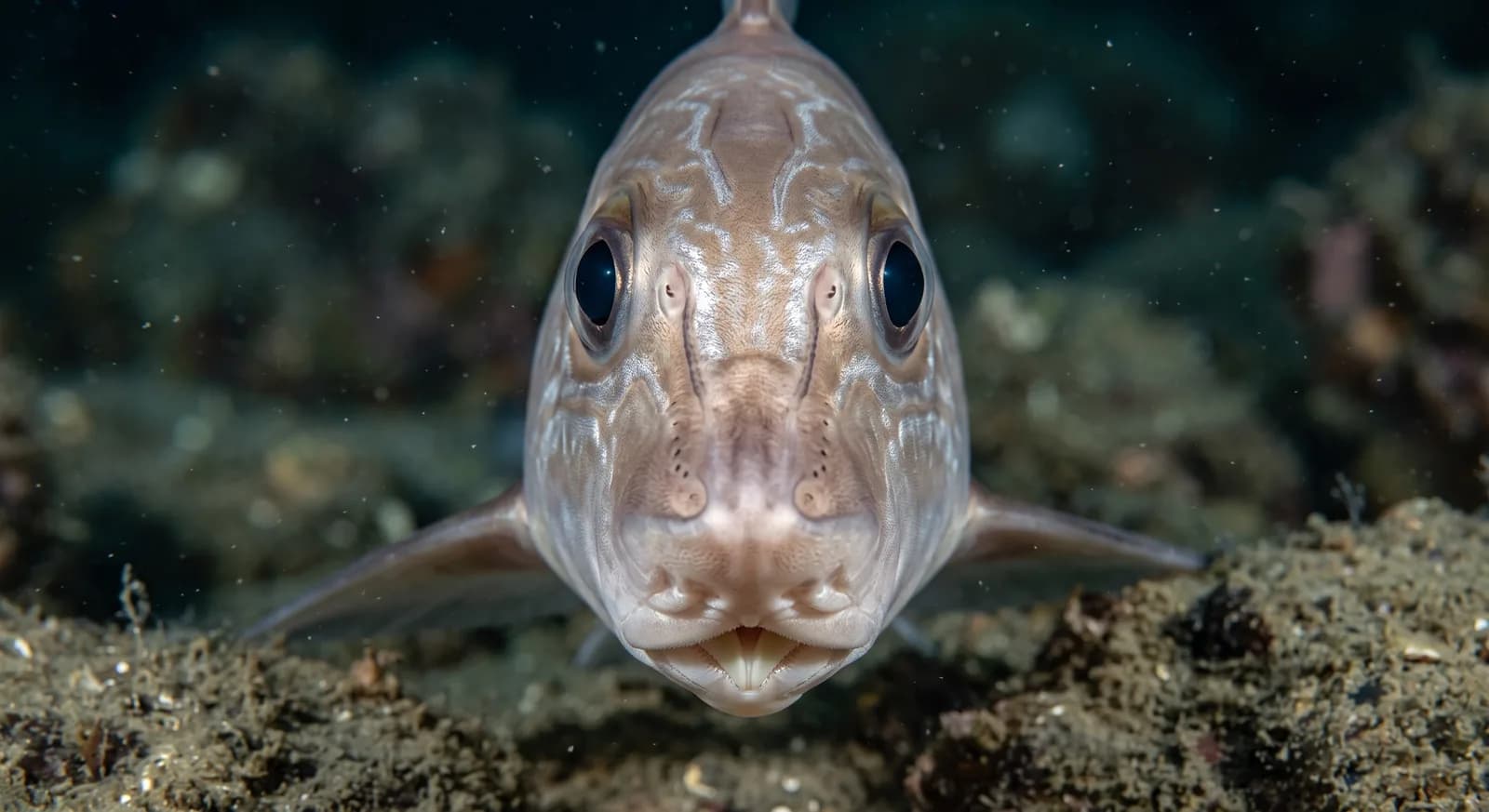
Rabbitfish
Chimaera monstrosa
Asia
Syria runs from the Mediterranean strip and the coastal Jebel Ansariya mountains, with the country's last fir and oak woods, to the Badia steppe and the Syrian desert, by way of the Euphrates valley, which crosses the country from north to south and forms the main corridor of aquatic life. The Badia is an immense wormwood steppe that for centuries was territory for transhumant grazing and for steppe wildlife: gazelles, onagers, bustards and large predators now gone or nearly so. In the north, the wetlands of Lake Jabbul, salt and shallow, host flamingos and wintering waders. The Anti-Lebanon mountains and Mount Hermon contribute altitude, seasonal snow and endemic flora, and the oases and wadis of the interior keep springs that concentrate all the wildlife of the surrounding country.
National animal: No official national animal; the falcon is the heraldic emblem of the state
In 2002, a team of researchers found seven northern bald ibises near Palmyra, an eastern population that had been given up for lost almost seventy years earlier. The find made it possible to track their migration by satellite as far as Ethiopia and to discover where they wintered. The colony, however, was too small and too fragile, and the armed conflict finally broke off the monitoring; their trail was lost a few years later.
The Al-Talila reserve, near Palmyra, hosted reintroductions of Arabian oryx and onager. The war has interrupted the management of protected areas and driven up subsistence hunting of steppe wildlife.
Lake Jabbul between November and February for flamingos and waterbirds. The coastal mountains in spring for woodland birds. The Badia steppe in spring, after the rains, for its ephemeral bloom.
Where else might I want to travel?
Same region: Middle East and Western Asia
Same region: Middle East and Western Asia
Same region: Middle East and Western Asia
261 species found
Based on what we already know about Syria.