Skip to content
WAnimals
  • Map
  • Species
  • Parks
  • Diving
Log inCreate account
WAnimals

The guide for travellers and animal lovers: discover, plan and share your wild adventures around the world.

Discover wildlife

  • Species
  • Ecosystems
  • Glossary
  • Tags

Explore places

  • Map
  • Countries
  • Parks
  • Diving

Plan experiences

  • Guides

Learn

  • Blog

Resources

  • About us
  • How we build our profiles
  • Help centre
  • Contact
  • Install the app

Follow us

Account

  • Log in
  • Create account

© 2026 WAnimals. All rights reserved.

Terms of servicePrivacyCookiesLegal notice
MapSpeciesParksDiving
  1. Home
  2. Species
  3. Medicinal Leech
Medicinal Leech (Hirudo medicinalis)

Clitellate annelids · Arhynchobdellida · Hirudinidae

Medicinal Leech

Hirudo medicinalis

Near Threatened

It could become threatened in the near future if current threats go unchecked.

Spotted something wrong?

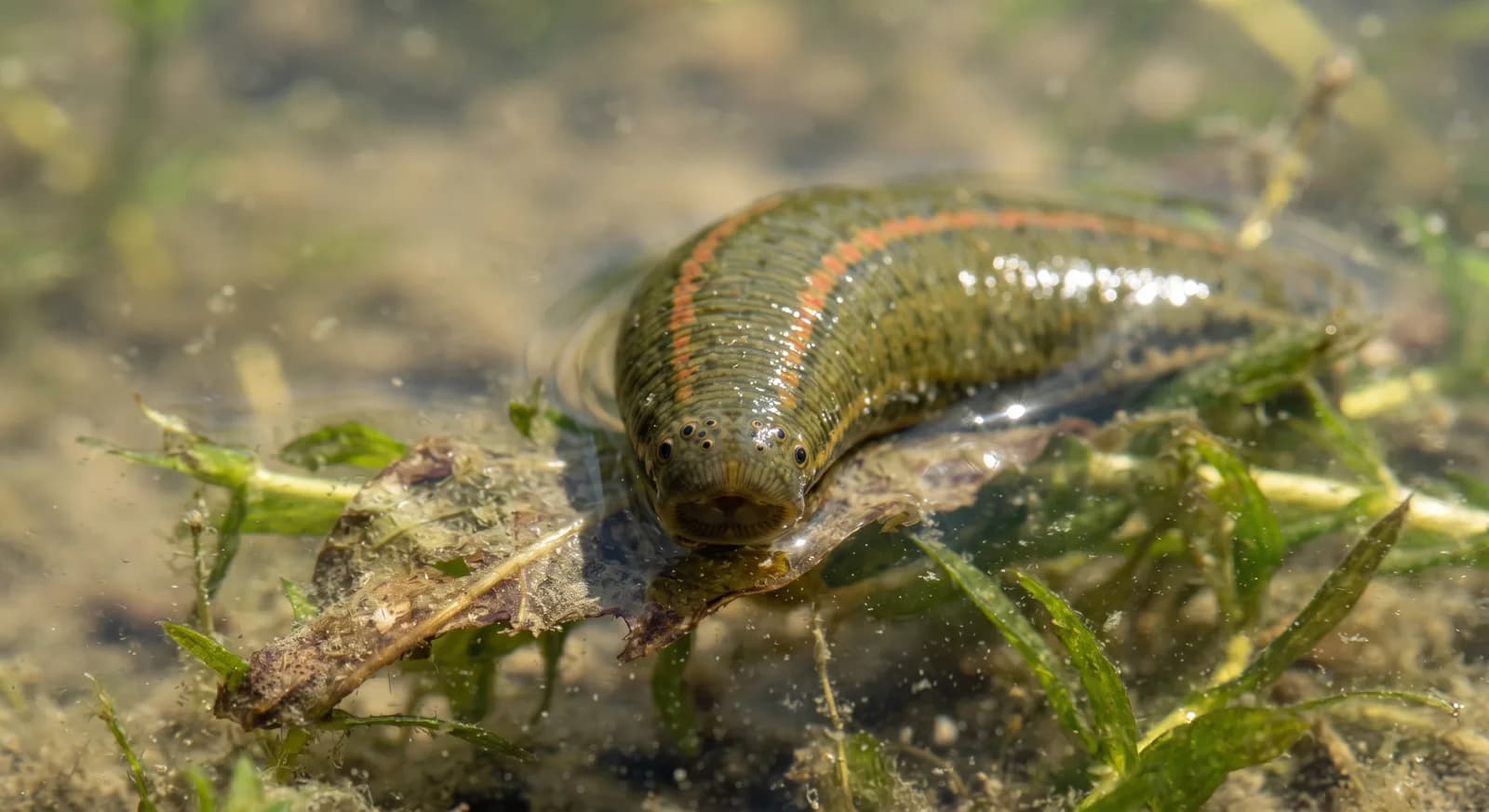
The medicinal leech is a hirudinean annelid of the family Hirudinidae. It is distributed across much of Europe, occurring in fresh water. It feeds on blood.

Size

5 cm – 20 cm

Life expectancy

8 years

Diet

Carnivore

Feeds mainly on other animals.
Social structure

Solitary

Lives and hunts alone, joining others only to breed.

Freshwater
54countries

AI-generated images: illustrations, not photographs.

Fun facts

  • utilidadIt was widely used in historical medicine for bloodletting, and is still used today in reconstructive surgery to encourage circulation in grafted tissue.
  • Its saliva contains hirudin, an extremely powerful anticoagulant, along with anaesthetics and vasodilators, which is why the bite does not hurt and the wound goes on bleeding afterwards.
  • Bloodletting with leeches was practised on a massive and largely unjustified scale during the nineteenth century, to the point that the species was overexploited and is today listed as Near Threatened.
  • Its saliva is a complete pharmacological cocktail: it contains hirudin, the most potent natural anticoagulant known, along with anaesthetics, vasodilators and anti-inflammatories. That is how it manages to feed without the victim noticing and without the blood clotting.
  • Hirudin was isolated in 1884, and recombinant versions are now produced and used as anticoagulants in medicine.
  • Its medical use is not ancient folklore: in 2004 the FDA approved medicinal leeches as a medical device. They are employed in reconstructive surgery and in reattachments of fingers and ears, where they help drain pooled blood and restore circulation in the grafted tissue.
  • It has three jaws with about a hundred teeth each, which leave a characteristic Y-shaped mark.
  • It can ingest up to ten times its own weight in blood and then go months without feeding.
  • Medical demand in the 19th century was devastating: millions of individuals were collected across Europe, and that is the main reason it is listed today as Near Threatened and protected in several countries.
  • What is sold for medicine today is largely another species, Hirudo verbana, which prompted a taxonomic revision of the group.

Life cycle and biology

Skeleton type
Invertebrate - no rigid skeleton (annelid)
Habitat and environment
Ponds, marshes and shallow lagoons with vegetation and amphibians

Sources consulted: Wikipedia (es): Hirudo medicinalis

Where to find it

Loading map…

Related species

Other species in the catalogue with the most in common with Medicinal Leech — same habitat, park, country, tags or family.

Related to
Related to
Related to
Related to
Related to
Related to

Keep exploring

Based on what we already know about medicinal leech.

Share an experience, a fun fact or a tip for seeing the medicinal leech.
See full glossary
This page in other languages: Español · Deutsch · Français · Português · Italiano
See its range on the interactive map→
European OtterNear Threatened

European Otter

Lutra lutra

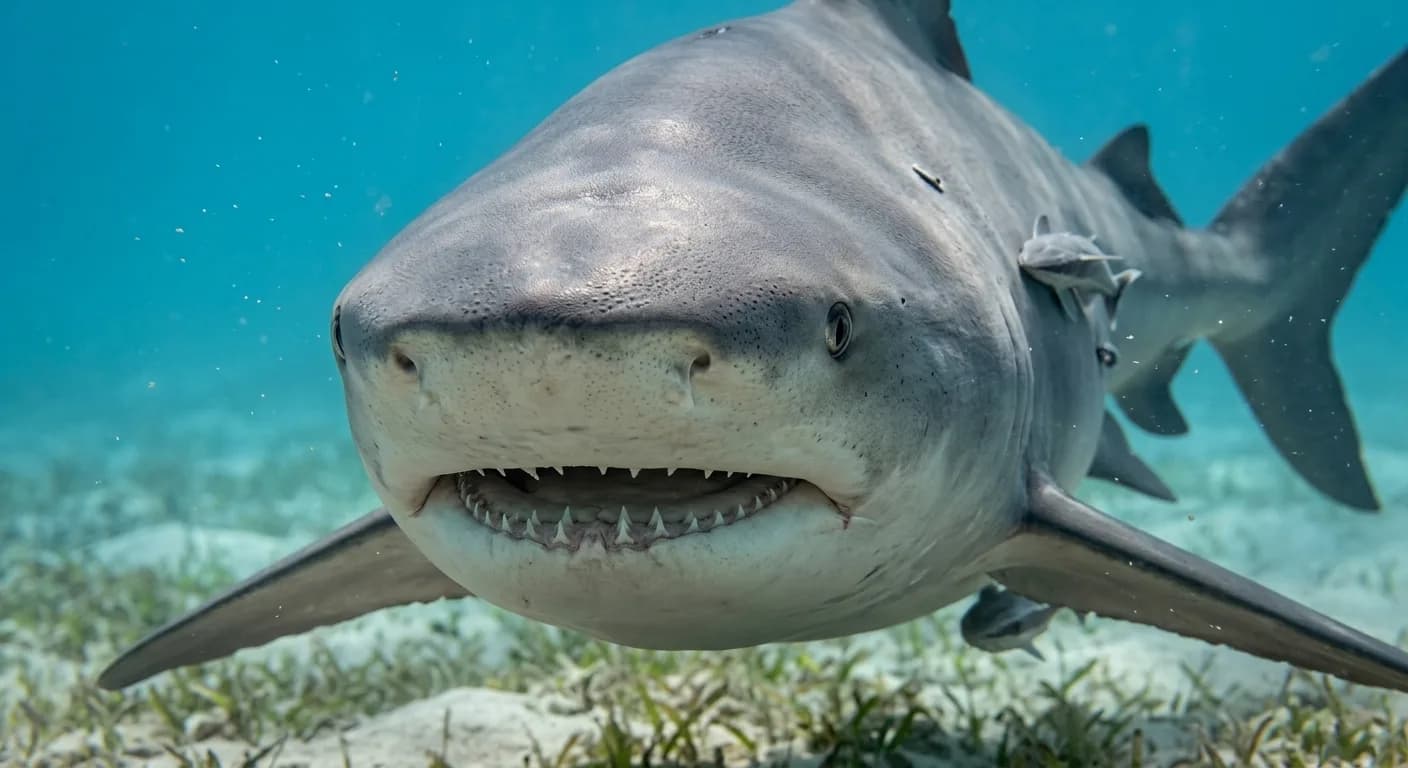
Bull SharkNear Threatened

Bull Shark

Carcharhinus leucas

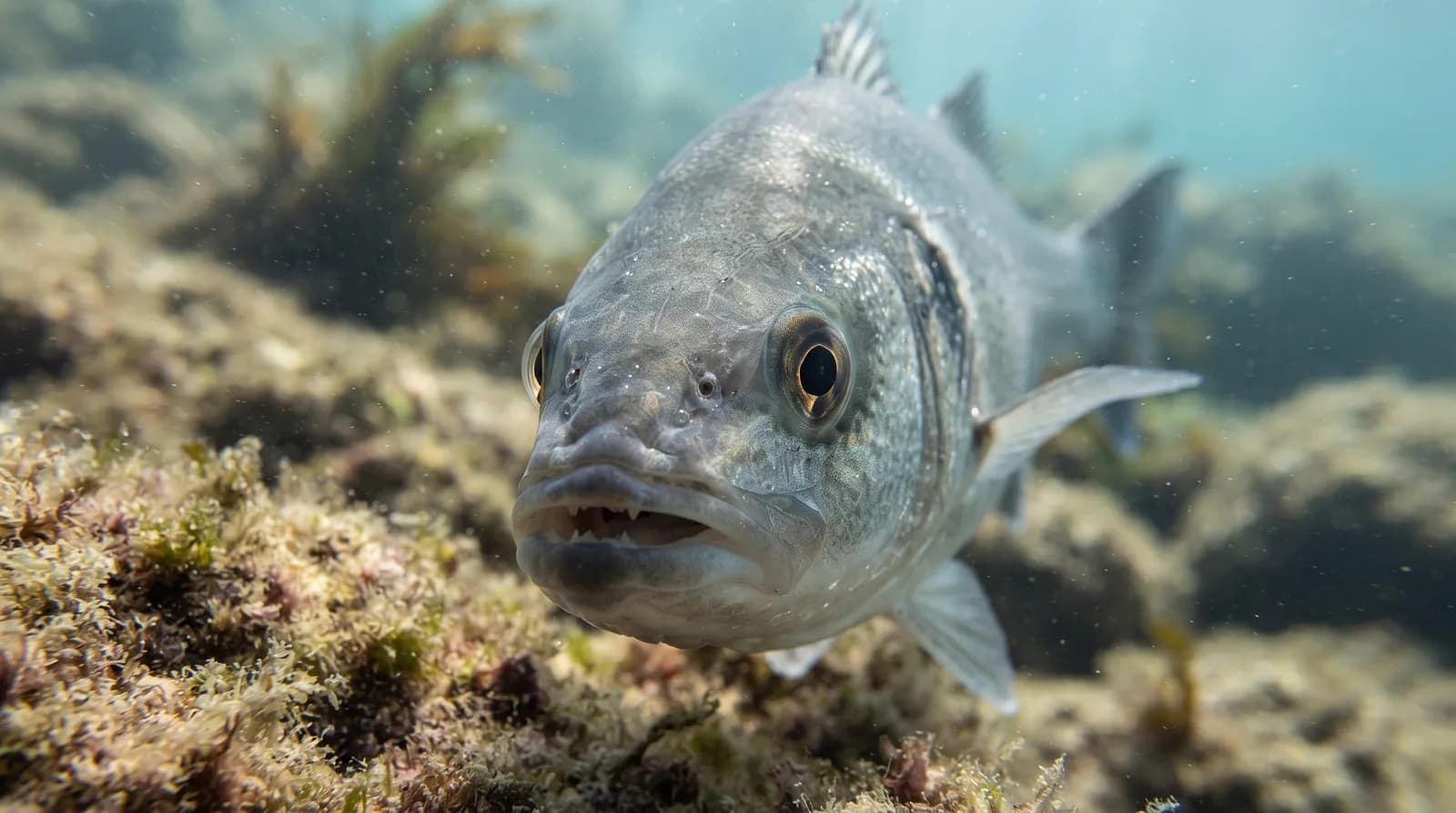
Sea BassNear Threatened

Sea Bass

Dicentrarchus labrax

Pyrenean Brook SalamanderNear Threatened

Pyrenean Brook Salamander

Calotriton asper

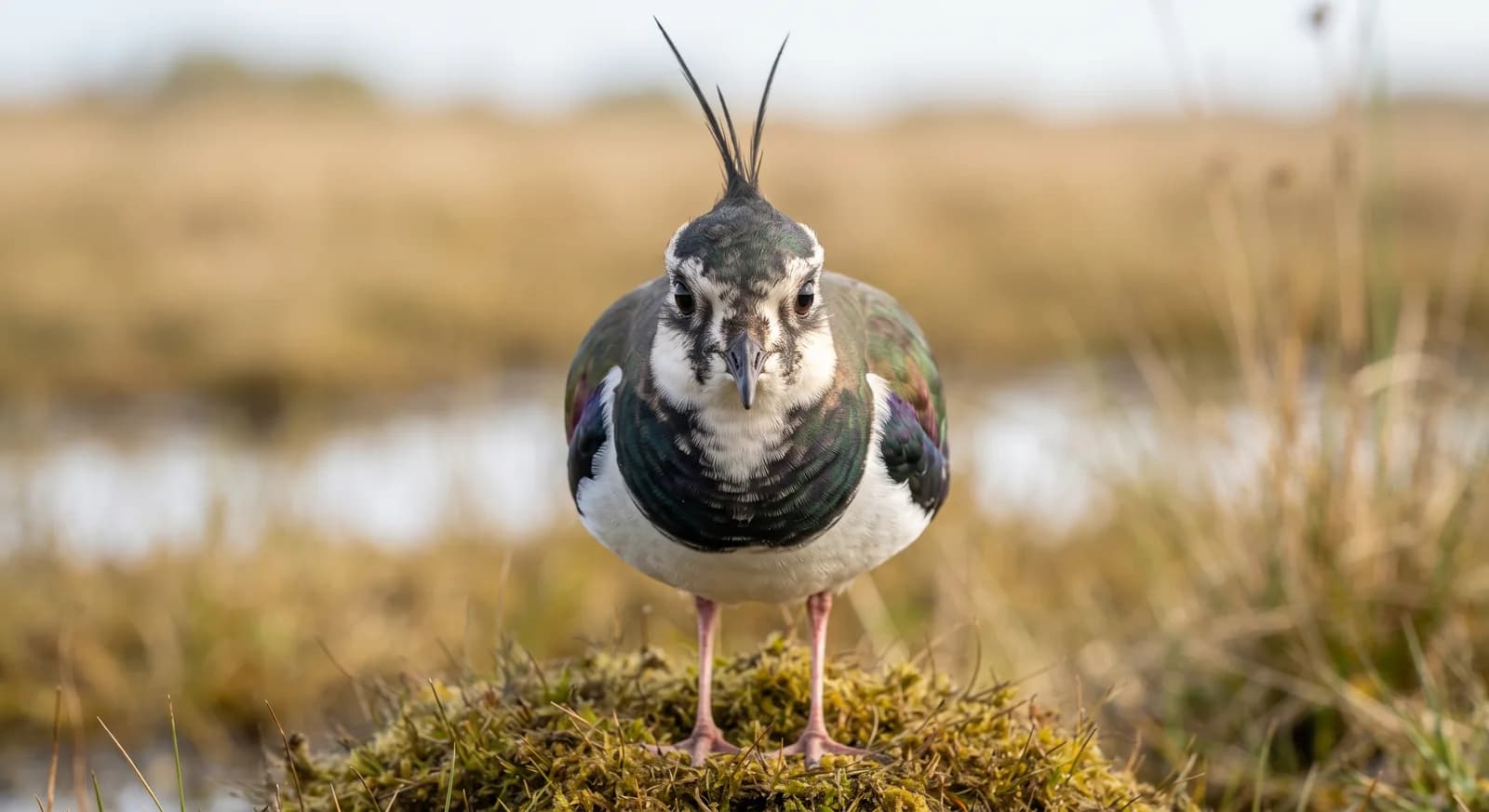
Northern LapwingNear Threatened

Northern Lapwing

Vanellus vanellus

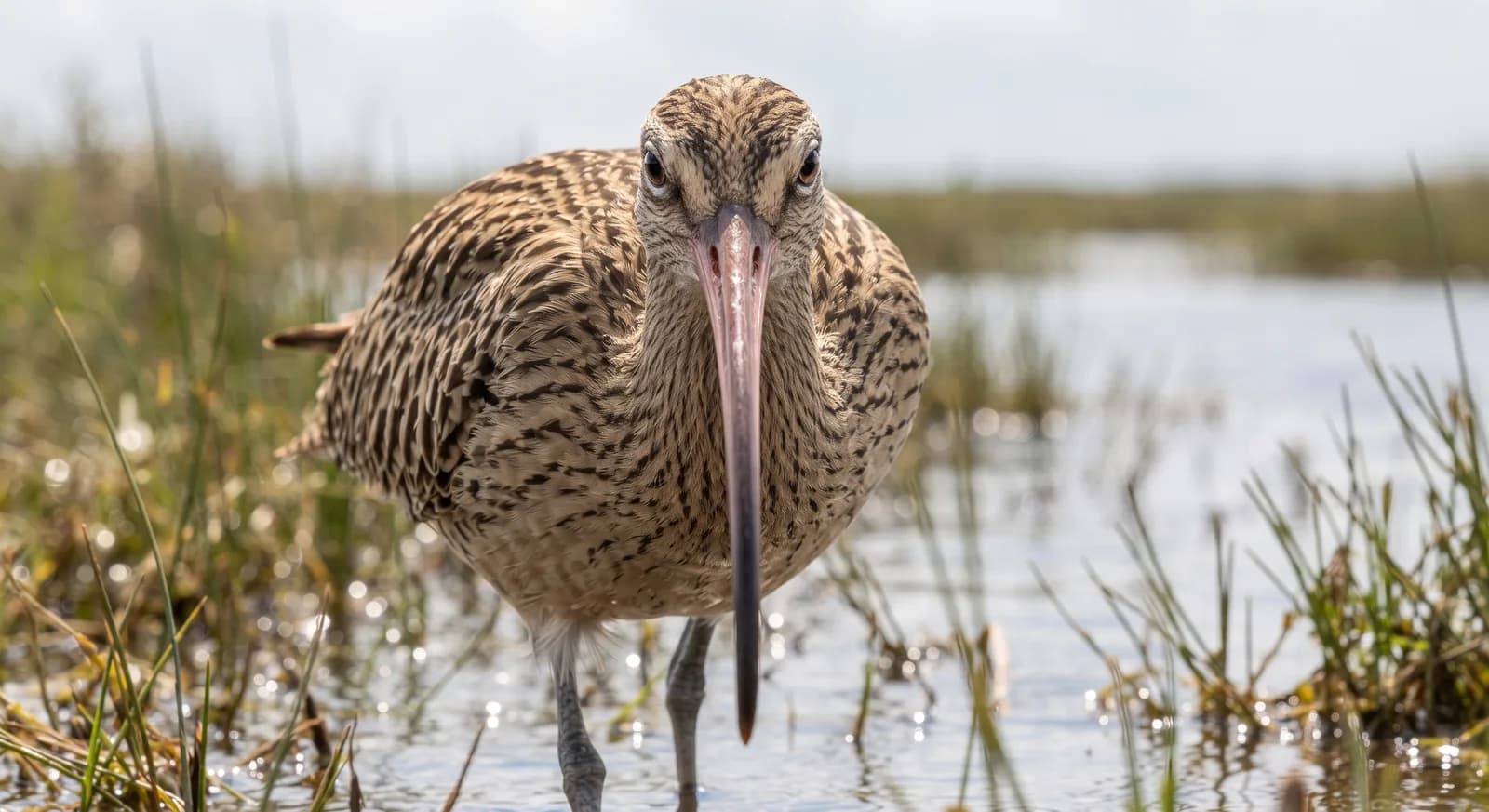
Eurasian CurlewNear Threatened

Eurasian Curlew

Numenius arquata

CountriesAlbania
TagsCarnivore
Carnivore
Solitary
Near Threatened
Freshwater
Worm

Europe41

Asia10

Africa3

Albania
Algeria
Andorra
Armenia
Austria
Azerbaijan
Albania
Andorra
Austria
Belarus
Belgium
Bosnia and Herzegovina
Bulgaria
Croatia
Cyprus
Czechia
Denmark
Estonia
Finland
France
Germany
Greece
Hungary
Ireland
Italy
Latvia
Liechtenstein
Lithuania
Luxembourg
Malta
Moldova
Monaco
Montenegro
Netherlands
North Macedonia
Norway
Poland
Portugal
Romania
Serbia
Slovakia
Slovenia
Spain
Sweden
Switzerland
Ukraine
United Kingdom
Armenia
Azerbaijan
Georgia
Iran
Israel
Kazakhstan
Lebanon
Russia
Syria
Türkiye
Algeria
Morocco
Tunisia