Arachnids · Acariformes · Tetranychidae
Common Spider Mite
Tetranychus urticae
It has not yet been assessed against the IUCN criteria. See full glossary
Tetranychus urticae is one of the many species of plant-feeding mites usually found in dry environments and generally regarded as a pest. It is the best-known member of the family Tetranychidae, the spider mites. The mites of this family are able to spin webs, which is why they are often confused with spiders.
Size
up to 0.1 cm
Diet
Herbivore
Feeds mainly on plants.
Social structure
Colony
Lives in large concentrations, often for breeding reasons.
Sighting difficulty
Unknown
Fun facts
- It was the first chelicerate to have its complete genome sequenced, in 2011, revealing an exceptional enzymatic arsenal for detoxifying plants' defensive compounds.
- When the population gets very dense, the mites spin a collective silk bridge at the tip of the leaf and let the wind carry them off en masse.
- Its cycle can be completed in a week in warm weather, which lets an infestation explode within days.
- Despite the name red spider mite, it is no spider: it is a mite, and for much of the year it is rather greenish or yellowish. The red appears mainly in females about to overwinter.
- It feeds on more than a thousand plant species, one of the widest host ranges known in any herbivore.
- It pierces the leaf cells and empties their contents, leaving a pale stippling and, in heavy attacks, drying out the whole plant.
- In warm conditions its cycle closes in under a week, so a population can multiply before the damage is even noticed.
- That speed, together with its capacity for detoxification, has made it one of the arthropods with the most documented acaricide resistances in the world.
- Its genome was the first of any mite to be sequenced, in 2011.
Life cycle & biology
- Habitat & environment
- Undersides of the leaves of hundreds of species of cultivated and wild plants
- Gestation / incubation
- The full cycle can be completed in under a week in warm conditions
Sources consulted: https://es.wikipedia.org/wiki/Tetranychus_urticae
Where to find it
See its range on the interactive mapRelated species
Other species in the catalogue with the most in common with Common Spider Mite — same habitat, park, country, tags or family.
Common Vole
Microtus arvalis
 Least Concern
Black-tailed Prairie Dog
Cynomys ludovicianus
Guinea Pig
Cavia porcellus
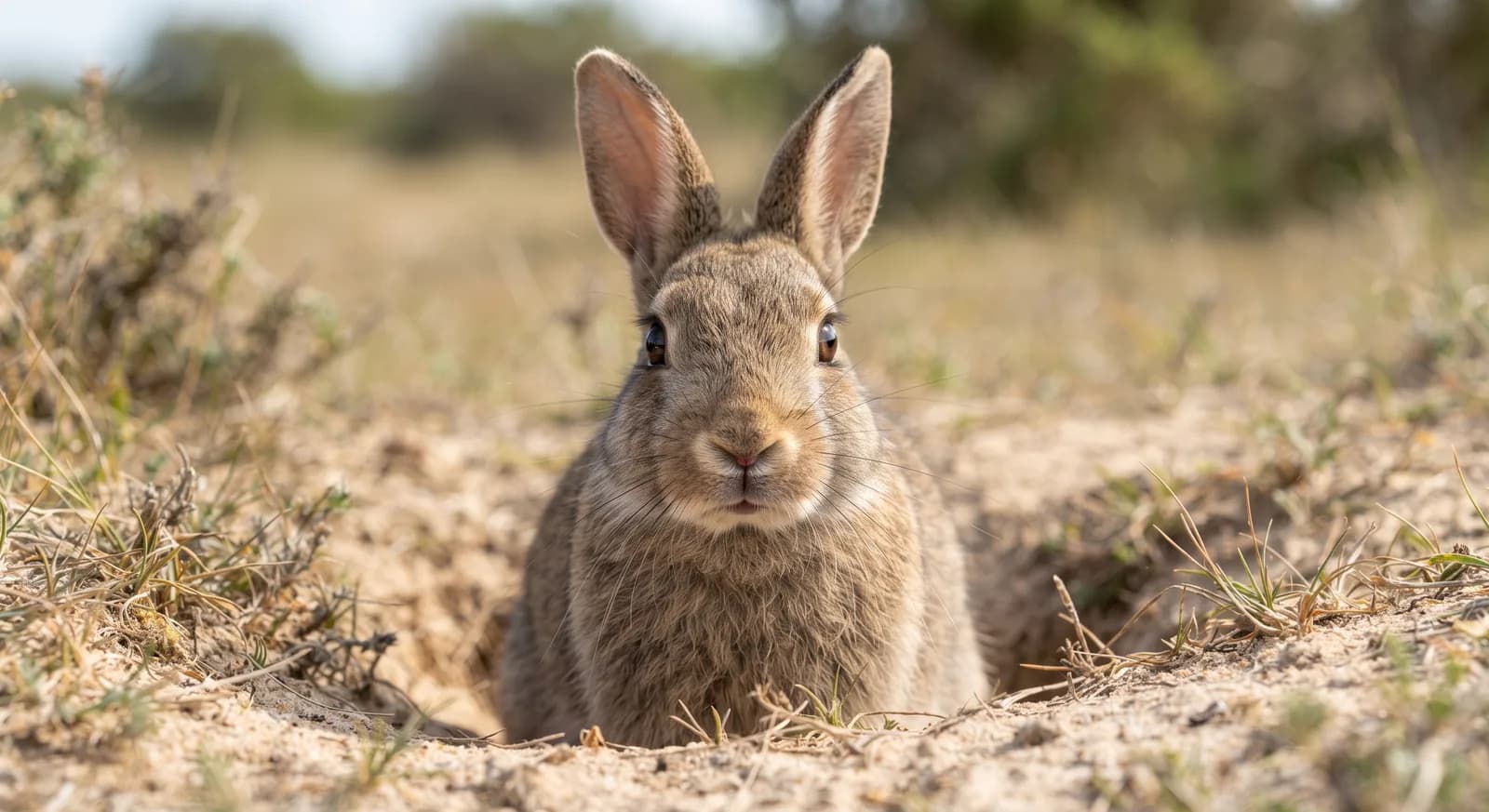 Near Threatened
European Rabbit
Oryctolagus cuniculus
Common Cockchafer
Melolontha melolontha
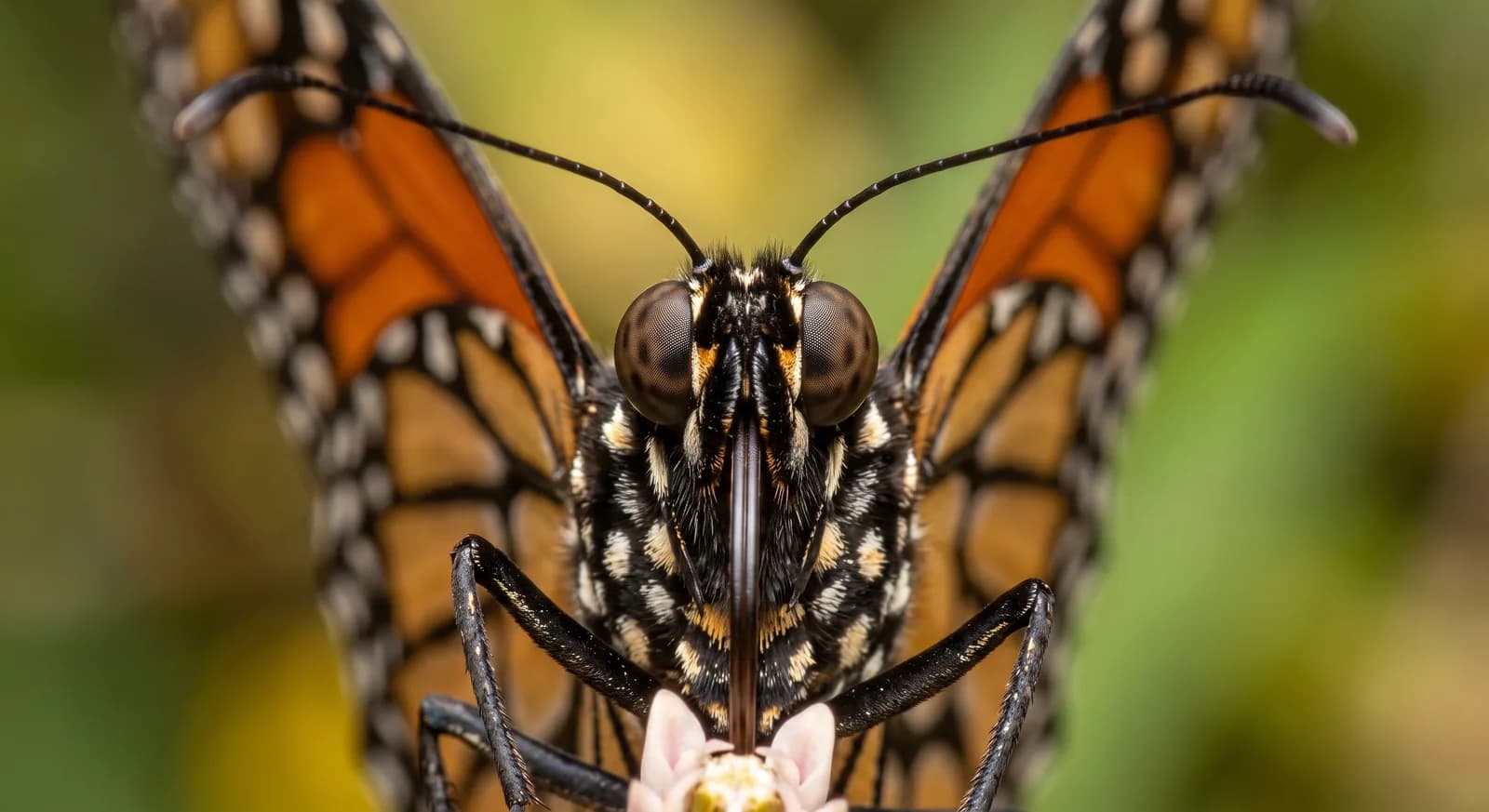 Not Evaluated
Monarch
Danaus plexippus
Keep exploring
Based on what we already know about common spider mite.
Comments
Share an experience, a fun fact or a tip for seeing the common spider mite.
Be the first to comment.