One of the 11 snails on WAnimals
Gastropods · Neogastropoda · Fasciolariidae
Horse Conch
Pleuroploca gigantea
It has not yet been assessed against the IUCN criteria. See full glossary
The largest sea snail in the Atlantic and one of the largest gastropods in the world, with spindle-shaped shells exceeding 60 cm and a foot of intense orange. It is a predator that hunts other large molluscs, wrapping them in its foot before devouring them. It is currently known by the scientific name Triplofusus giganteus.
Size
20 cm – 60 cm
Lifespan
16 years
Diet
Carnivore
Feeds mainly on other animals.
Social structure
Solitary
Lives and hunts alone, joining others only to breed.
Sighting difficulty
Unknown
Fun facts
- Sclerochronology studies using stable isotopes show that it lives only some 16 years and that the females do not begin breeding until 6 or 7, so that collecting the largest individuals removes precisely the breeders.
- It has been the official state shell of Florida since 1969.
- Cases of cannibalism between individuals have been documented.
- It is the largest marine snail in United States waters and one of the largest in the world: its shell exceeds 60 cm.
- It is a predator of other molluscs, including large snails and bivalves, which it wraps in its foot and forces open.
- It is also a cannibal: it feeds on smaller individuals of its own species.
- Its foot is an intense orange-red, in contrast with the brown shell, and is very striking when the animal is active.
- It is the official state shell of Florida.
- Its egg capsules are large, complex structures, attached to the substrate in clusters reminiscent of a bouquet.
Life cycle & biology
- Skeleton type
- Invertebrate - external calcareous shell (mollusc)
- Habitat & environment
- Seagrass meadows and sandy and muddy bottoms, from 0 to 100 m
- Sexual maturity
- 6-7 years
Sources consulted: Smithsonian Marine Station; Florida Fish and Wildlife Conservation Commission; Abbott, American Seashells
Where to watch it
Parques y spots de buceo donde se ha documentado esta especie — se muestran 18 de 31 documentados.
Related species
Other species in the catalogue with the most in common with Horse Conch — same habitat, park, country, tags or family.
Blue Glaucus
Glaucus atlanticus
Diamondback Terrapin
Malaclemys terrapin
 Vulnerable
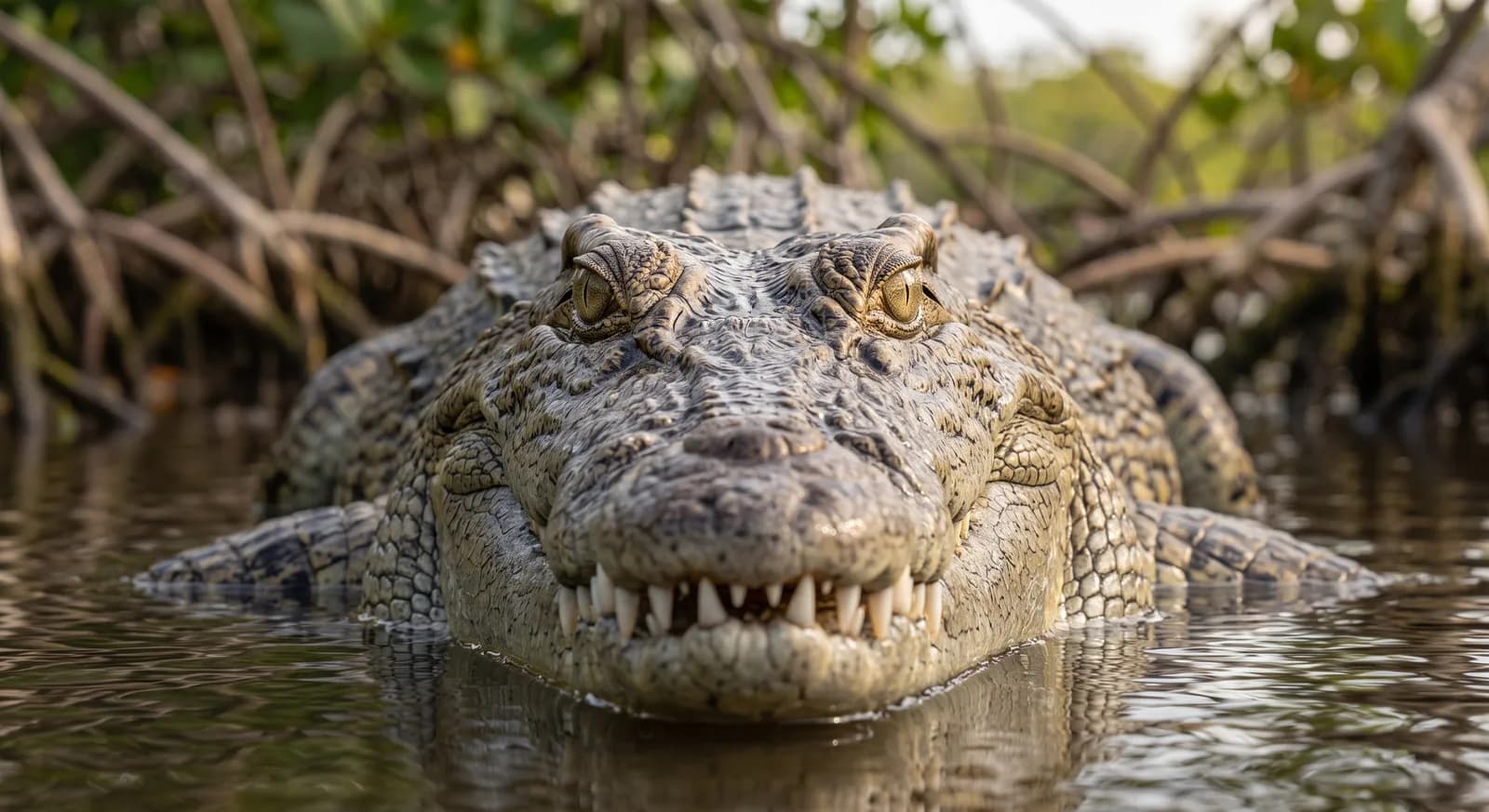
American Crocodile
Crocodylus acutus
 Near Threatened
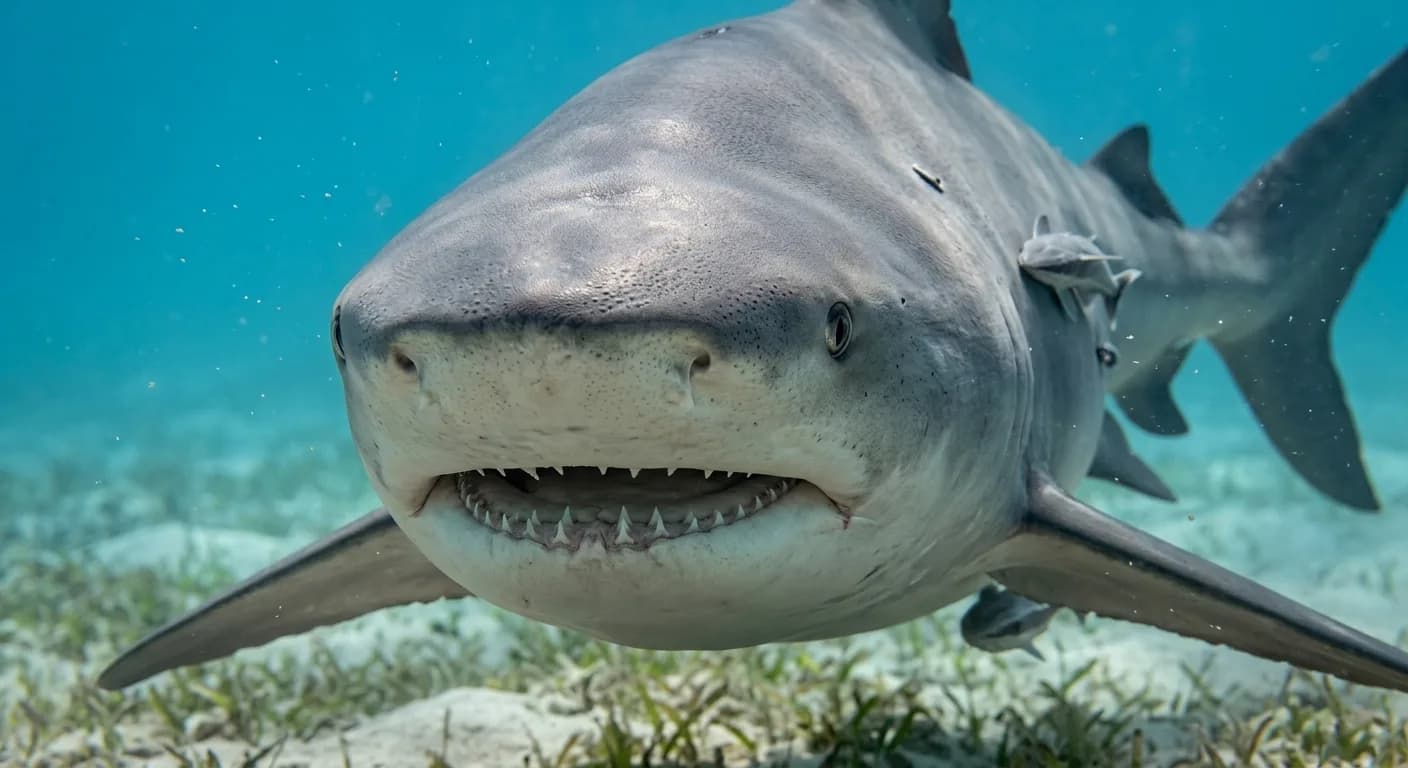
Bull Shark
Carcharhinus leucas
 Near Threatened
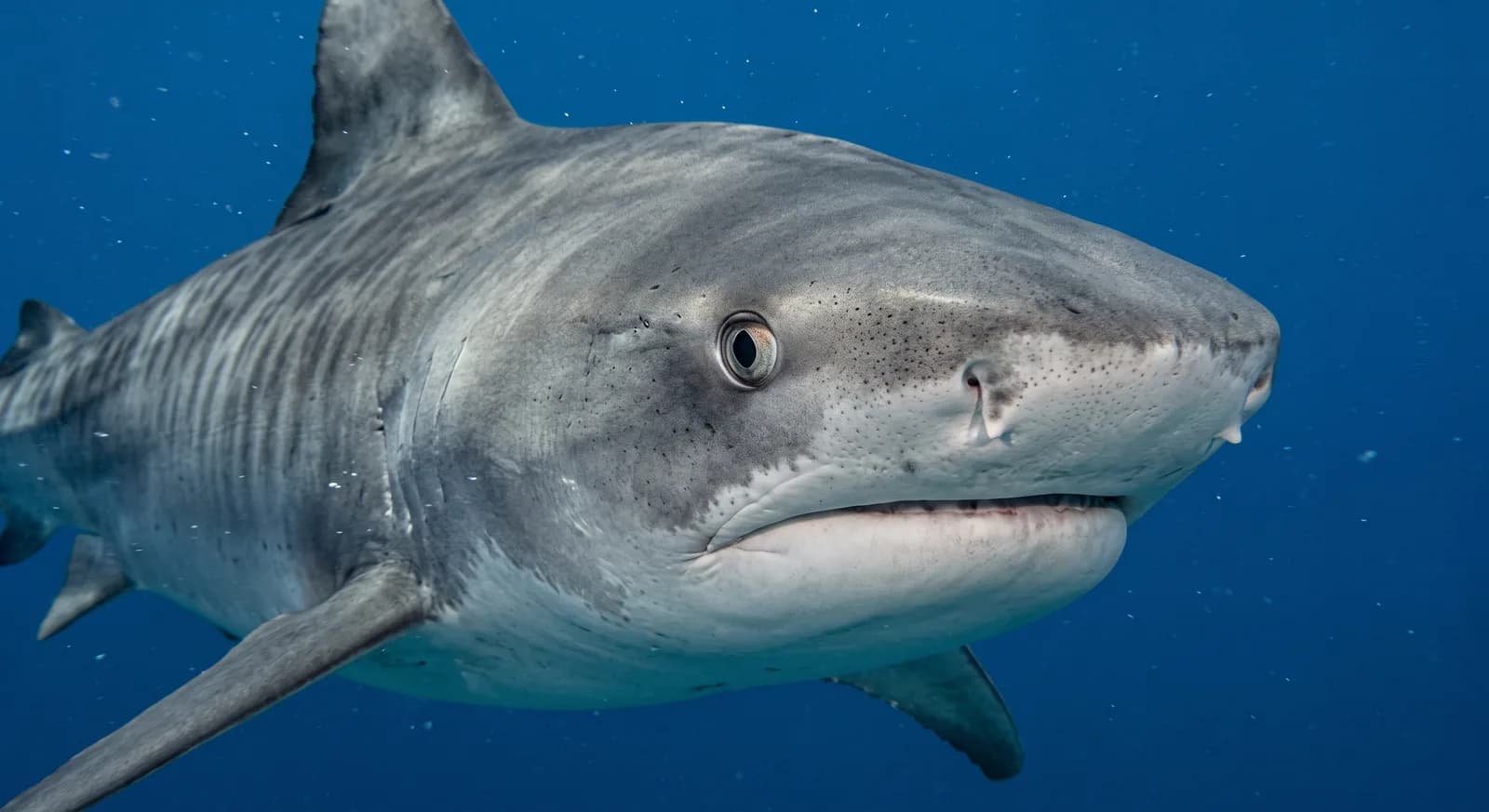
Tiger Shark
Galeocerdo cuvier
 Critically Endangered
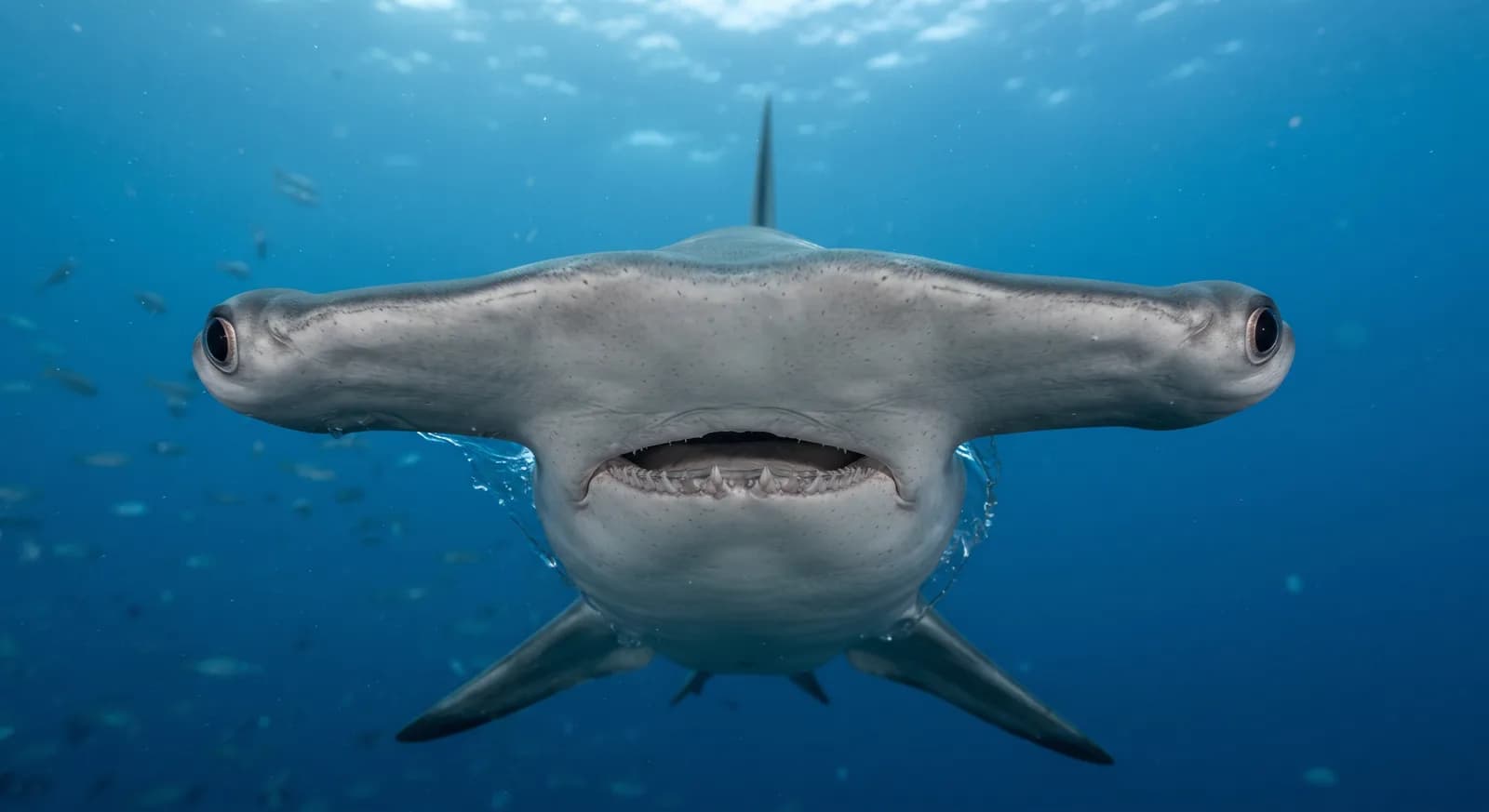
Great Hammerhead
Sphyrna mokarran
Keep exploring
Based on what we already know about horse conch.
Comments
Share an experience, a fun fact or a tip for seeing the horse conch.
Be the first to comment.