One of the 5 caecilians on WAnimals
Amphibians · Gymnophiona · Dermophiidae
Mexican Caecilian
Dermophis mexicanus
The species is abundant and widely distributed; it faces no significant short-term risk. See full glossary
The Mexican caecilian, known in Spanish as tapalcúa or tepelcúa, is a species of gymnophionan amphibian of the family Dermophiidae. It is endemic to southern Mexico and Central America: it lives in El Salvador, in southern and eastern Guatemala, in north-western and southern Honduras and in western Nicaragua. Possibly also in Belize. It lives in burrows in damp, loose soil and feeds on earthworms, termites, orthopterans and others. Although it can be locally abundant, it is at risk from the loss of its habitat.
Size
30 cm – 60 cm
Lifespan
13 years
Diet
Carnivore
Feeds mainly on other animals.
Activity
Nocturnal
Active mainly at night.
Social structure
Solitary
Lives and hunts alone, joining others only to breed.
Sighting difficulty
Easy
Fun facts
- Its gestation lasts close to eleven months, one of the longest of any amphibian, and the young are born measuring almost a third of their mother's length.
- It digs with its head: the skull is heavily ossified and compact, and it uses it as a battering ram to force its way through damp soil, closing its mouth underneath so as not to swallow earth.
- Its eyes are covered by bone and skin and can only tell light from dark; it finds its way with the retractable chemosensory tentacles on its face.
Life cycle & biology
- Skeleton type
- Vertebrate - internal bony skeleton (amphibian)
- Habitat & environment
- Damp soils of forest, coffee plantations and other plantations of Mexico and Central America
- Sexual maturity
- 2 years
- Gestation / incubation
- 11 months of gestation
- Litter / clutch size
- 6 live young
Sources consulted: https://es.wikipedia.org/wiki/Dermophis_mexicanus
Where to find it
See its range on the interactive mapWhere to watch it
Parks and dive sites where this species has been documented.
Related species
Other species in the catalogue with the most in common with Mexican Caecilian — same habitat, park, country, tags or family.
Water Opossum
Chironectes minimus
Mexican Mouse Opossum
Marmosa mexicana
 Least Concern
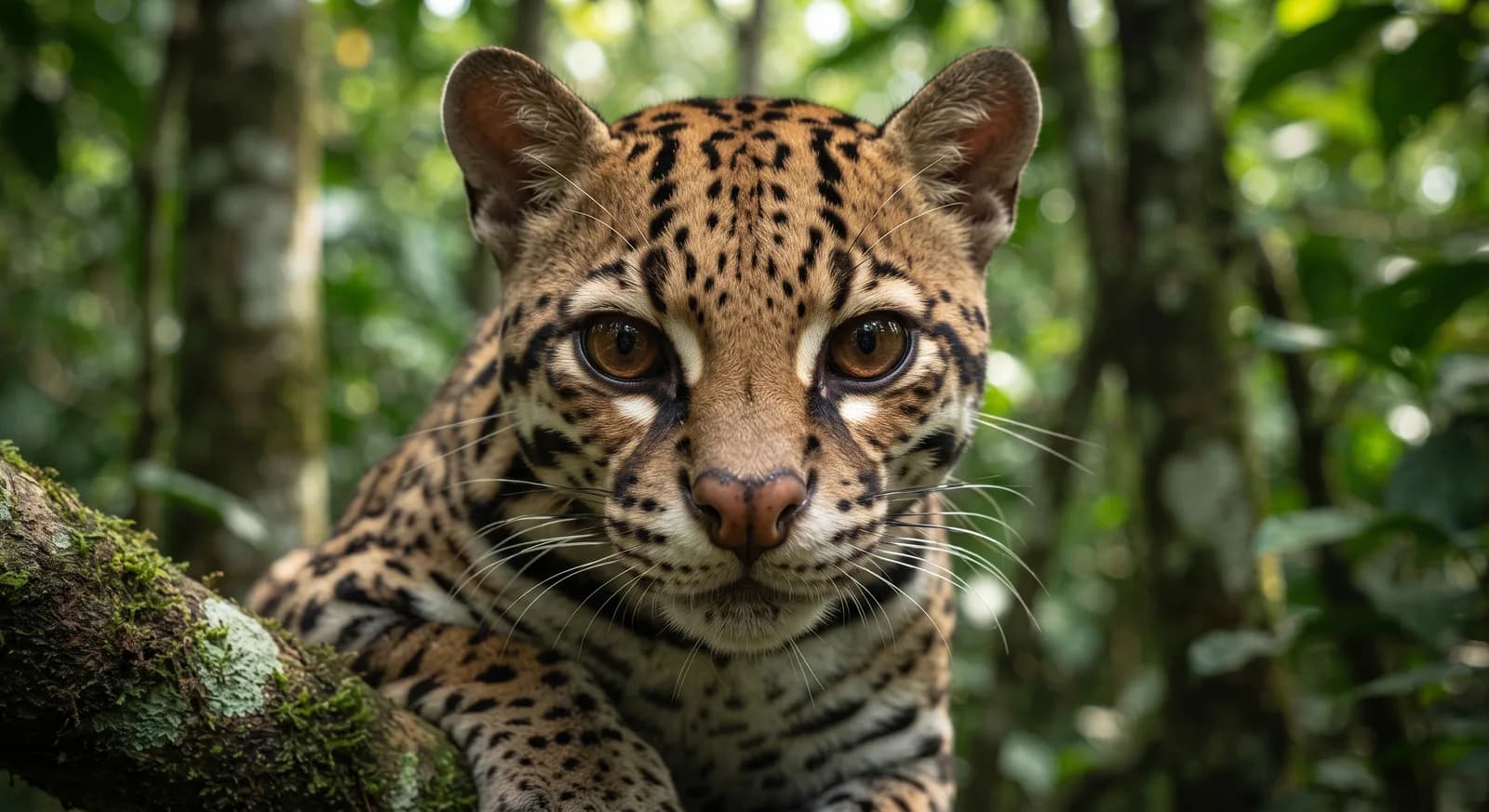
Ocelot
Leopardus pardalis
Great Horned Owl
Bubo virginianus
 Least Concern
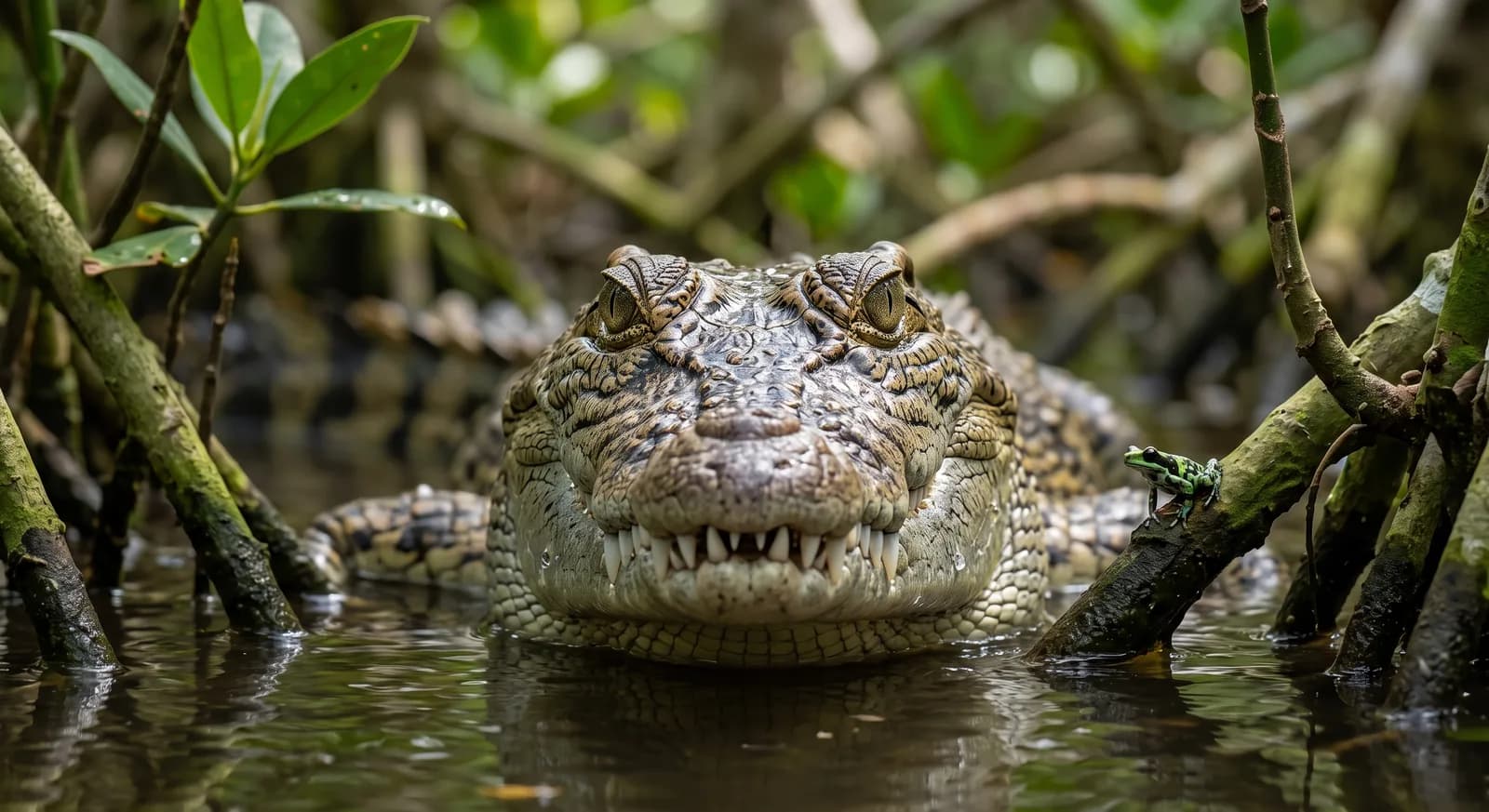
Morelet's Crocodile
Crocodylus moreletii
Mexican Beaded Lizard
Heloderma horridum
Keep exploring
Based on what we already know about mexican caecilian.
Comments
Share an experience, a fun fact or a tip for seeing the mexican caecilian.
Be the first to comment.