One of the 6 duikers on WAnimals
Mammals · Artiodactyla · Bovidae
Abbott's Duiker
Cephalophus spadix
It faces a very high risk of extinction in the wild in the near future. See full glossary
Abbott's duiker is one of the rarest and most elusive antelopes in Africa, endemic to a handful of mountain massifs in Tanzania: Kilimanjaro, the Eastern Arc and some isolated ranges. It is a large duiker, with very dark chestnut fur that is almost black and short, straight horns. It lives only inside dense, humid highland forest, where it browses leaves, shoots and fallen fruit. It is known mainly from camera traps and from remains turning up in bushmeat markets.
Weight
50 kg – 60 kg
Size
1 m – 1.4 m
Diet
Herbivore
Feeds mainly on plants.
Activity
Nocturnal
Active mainly at night.
Social structure
Solitary
Lives and hunts alone, joining others only to breed.
Sighting difficulty
Hard
Fun facts
- It lives on islands of forest separated by lowlands it cannot cross: each mountain massif holds an isolated population, which multiplies its fragility.
- It is one of the largest duikers and, at the same time, one of the hardest African mammals to observe in the wild.
Life cycle & biology
- Skeleton type
- Vertebrate - internal bony skeleton (mammal)
- Habitat & environment
- Humid montane forest and bamboo forest of the isolated massifs of Tanzania
- Litter / clutch size
- 1
Sources consulted: https://es.wikipedia.org/wiki/Cephalophus_spadix
Where to watch it
Parks and dive sites where this species has been documented.
Related species
Other species in the catalogue with the most in common with Abbott's Duiker — same habitat, park, country, tags or family.
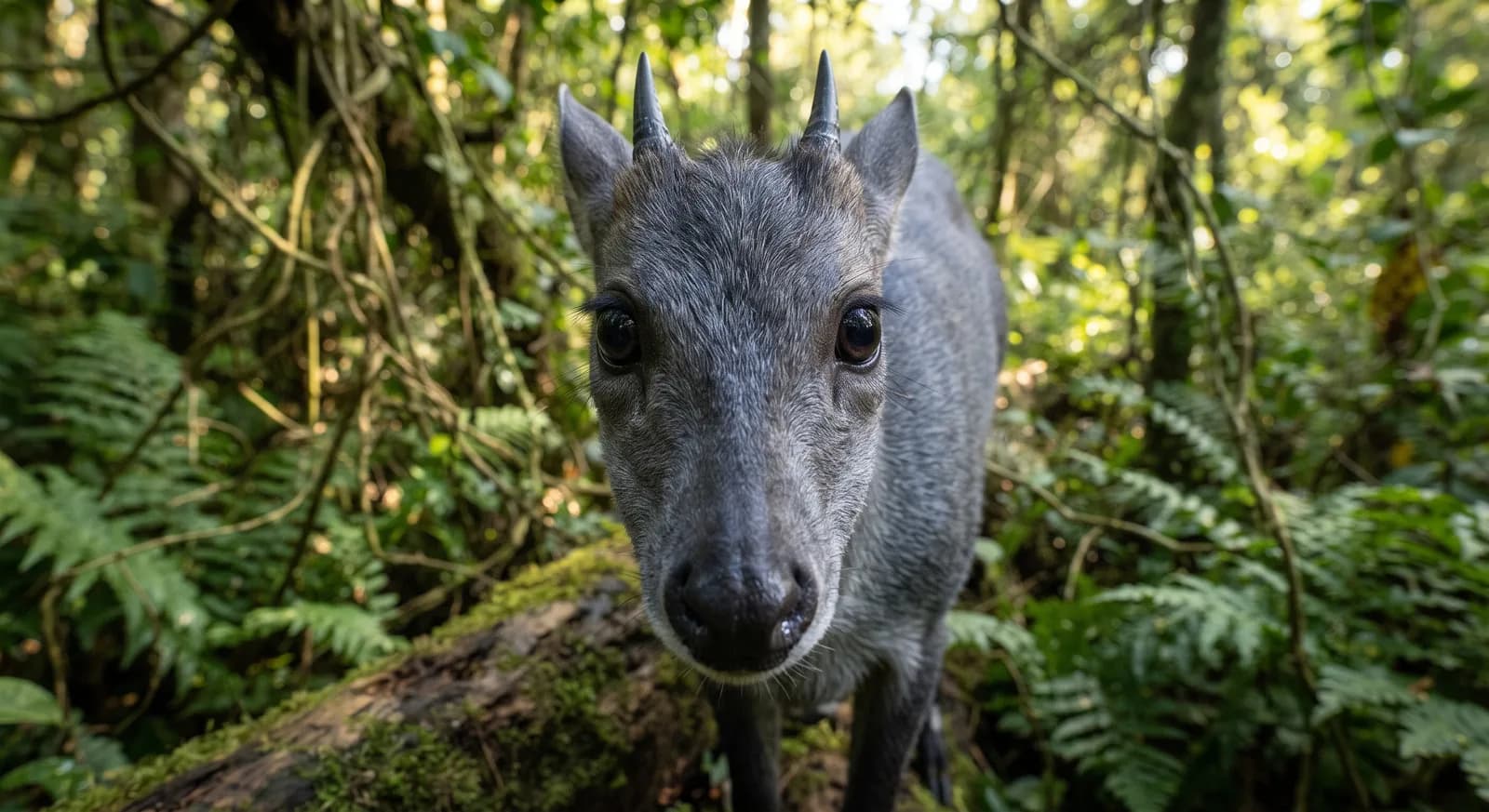 Least Concern
Blue Duiker
Philantomba monticola
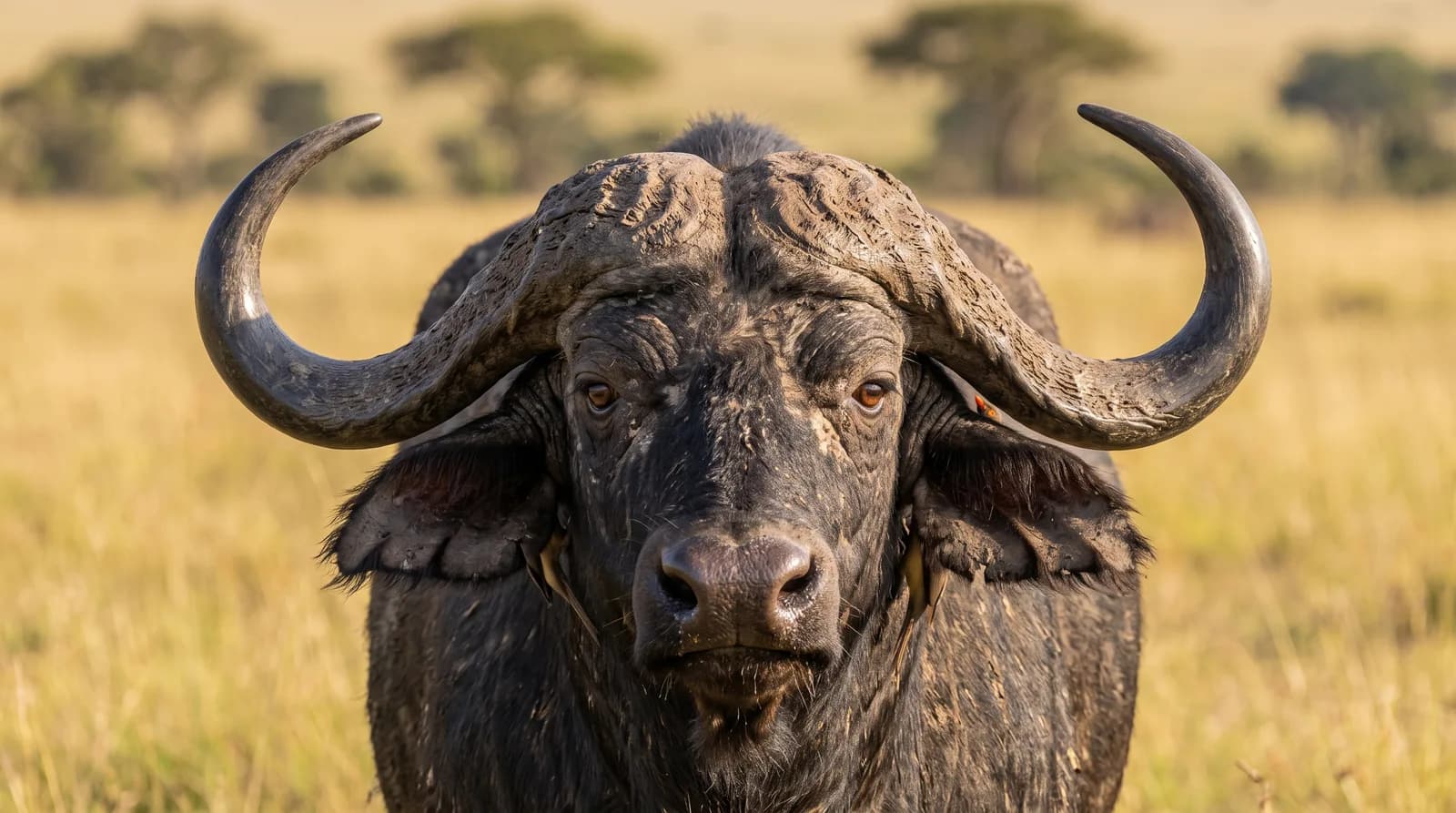 Near Threatened
African Buffalo
Syncerus caffer
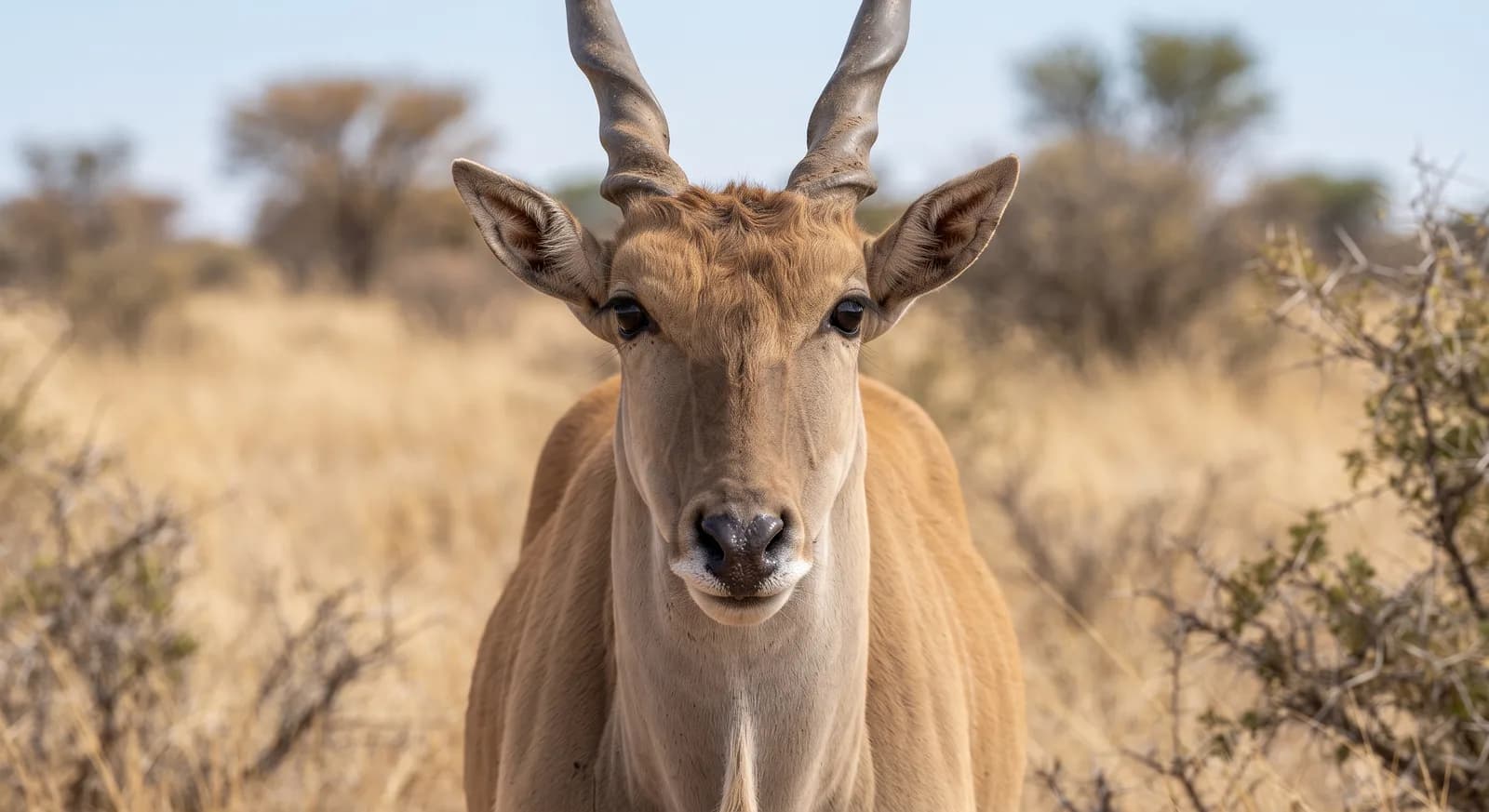 Least Concern
Common Eland
Taurotragus oryx
Udzungwa Red Colobus
Piliocolobus gordonorum
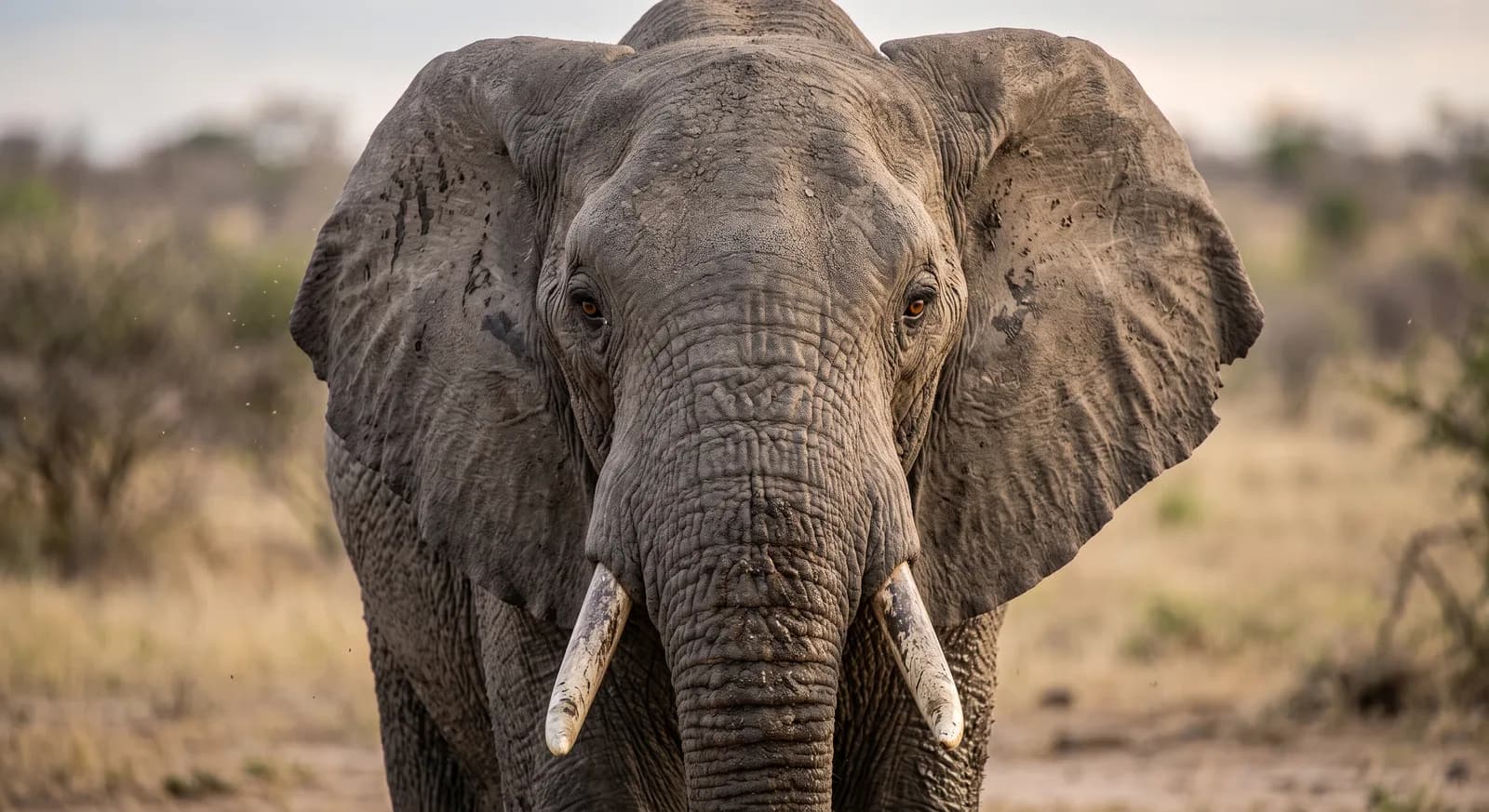 Endangered
African Savanna Elephant
Loxodonta africana
Southern Tree Hyrax
Dendrohyrax arboreus
How to help
The abbott's duiker is classified as endangered. Organizations such as UICN, WWF y Wildlife Conservation Society work specifically on its conservation and that of its habitat; looking into their programs is a good starting point if you want to get involved.
It's documented in 3 real protected areas — part of why protecting these places matters for its conservation.
Keep exploring
Based on what we already know about abbott's duiker.
Comments
Share an experience, a fun fact or a tip for seeing the abbott's duiker.
Be the first to comment.