Species group · Mammals
Duikers
WAnimals has 6 species of duiker, all in the family Bovidae.
- 6 species
- 1 family
- 43 countries
- 50 parks
- Weight
- 3.5 kg – 60 kg
- Length
- 50 cm – 1.4 m
- Lifespan
- 10 – 13 years
Ranges calculated from the entries that record the figure, not from all 6.
All 6 species of duikers on WAnimals
Each one has its own full entry. This group does not replace them: it brings them together.
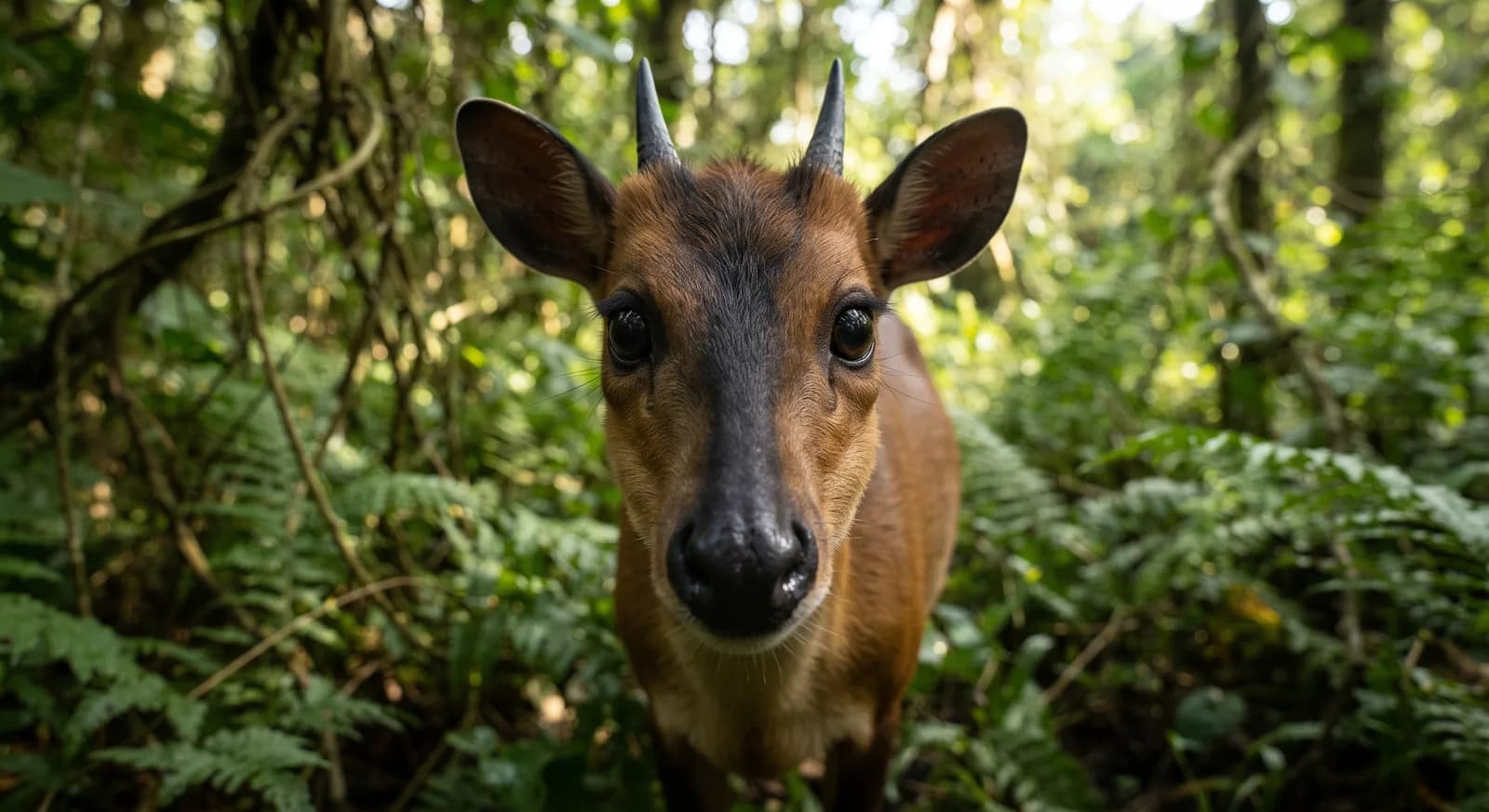 Least Concern
Black-fronted Duiker
Cephalophus nigrifrons
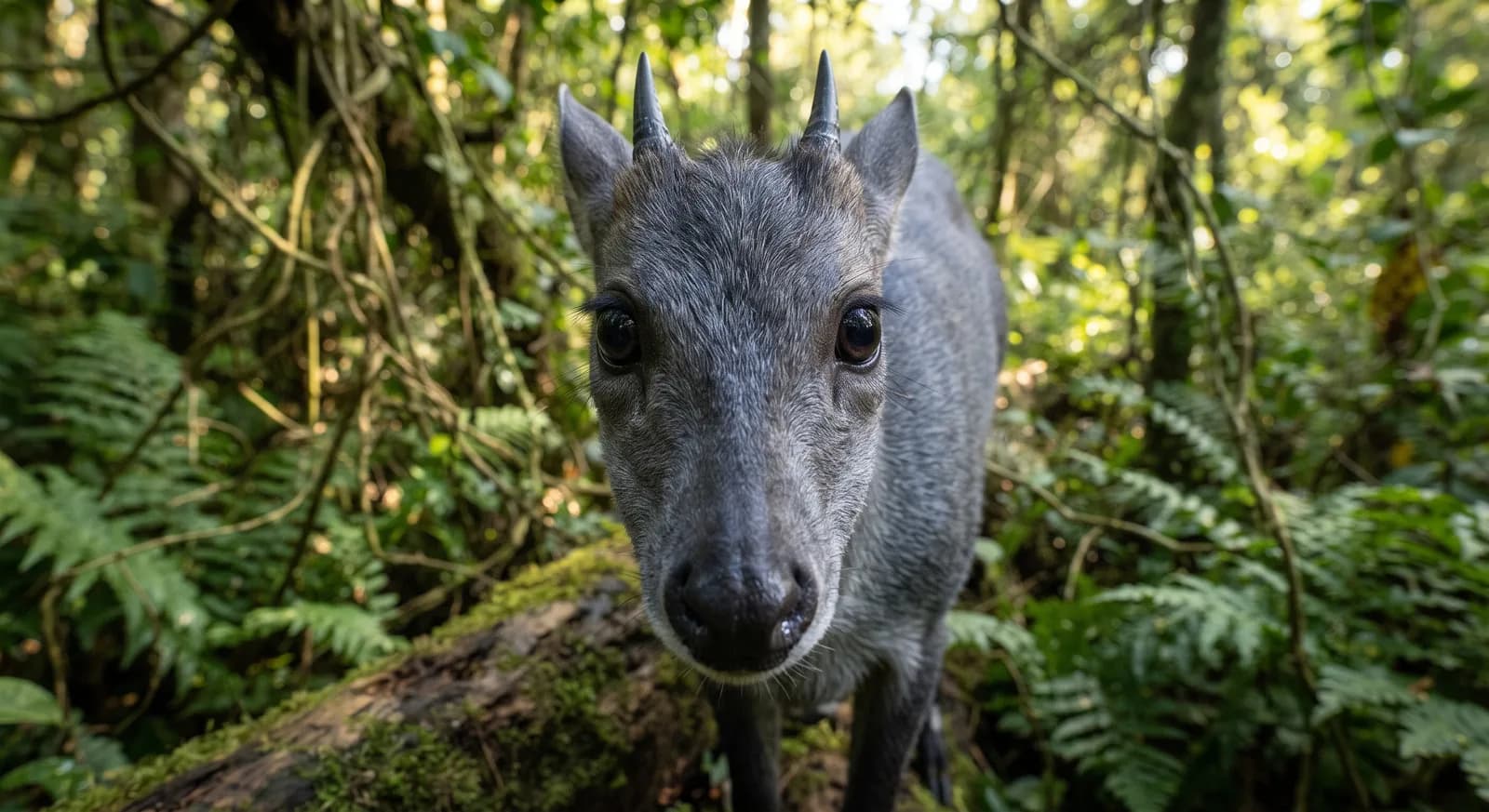 Least Concern
Blue Duiker
Philantomba monticola
Common Duiker
Sylvicapra grimmia
Maxwell's Duiker
Philantomba maxwellii
Zebra Duiker
Cephalophus zebra
Abbott's Duiker
Cephalophus spadix
Conservation status
2 especies in this group están en alguna categoría de riesgo real según la UICN.
See the global conservation statusWhere they live
Recorded in 43 countries. The ones with the most species in the group:
Where to see them
Did you know…
It enters water without hesitation and has been seen wading flooded ground and swimming across watercourses, something most duikers avoid.
From Black-fronted Duiker
It depends on monkeys: much of its diet is fruit dropped by the troops in the canopy, and in forests where hunting has wiped out the primates this duiker is scarce too.
From Black-fronted Duiker
It follows monkey troops through the understorey to eat the fruit they drop from the canopy, a strategy that gives it access to food it could not reach on its own.
From Blue Duiker
It marks its territory by rubbing its face against branches and trunks: in front of each eye it has a well-developed preorbital gland that leaves a lasting scent trail.
From Blue Duiker
It is one of the few genuinely omnivorous antelopes in Africa.
From Common Duiker
Its name comes from the Afrikaans duiker, 'diver', after the way it plunges into dense cover.
From Common Duiker
It is the most adaptable and widely distributed antelope on the continent.
From Common Duiker
The name duiker comes from the Afrikaans duiker, diver, from the habit these antelopes have of plunging suddenly into the undergrowth when something startles them.
From Maxwell's Duiker