One of the 6 duikers on WAnimals
Mammals · Artiodactyla · Bovidae
Common Duiker
Sylvicapra grimmia
The species is abundant and widely distributed; it faces no significant short-term risk. See full glossary
It is one of the few genuinely omnivorous antelopes in Africa, recorded eating everything from insects and carrion to small vertebrates, which makes it the most adaptable and widely distributed antelope on the continent.
Weight
12 kg – 25 kg
Size
50 cm – 70 cm
Lifespan
10 years
Diet
Omnivore
Combines animal and plant food depending on availability.
Activity
Crepuscular
Active above all at dawn and dusk.
Social structure
Solitary
Lives and hunts alone, joining others only to breed.
Sighting difficulty
Easy
Fun facts
- It is one of the few genuinely omnivorous antelopes in Africa.
- Its name comes from the Afrikaans duiker, 'diver', after the way it plunges into dense cover.
- It is the most adaptable and widely distributed antelope on the continent.
Life cycle & biology
- Skeleton type
- Vertebrate - internal bony skeleton (mammal)
- Habitat & environment
- A wide range of habitats with enough cover across much of sub-Saharan Africa, avoiding desert and dense rainforest
- Birth weight
- 1.6 kg
- Size at birth
- Precocial, able to run within its first day despite staying hidden for the first few weeks
- Sexual maturity
- 8-9 months
- Gestation / incubation
- 165-190 days (~6-7 months, with a wider range of 4-7 months in other sources)
- Litter / clutch size
- 1 young per birth (twins occasionally), with up to 1.4 births a year
- Lifespan in captivity
- Documented record of 15.4 years in captivity
Sources consulted: AnAge (genomics.senescence.info); Africa Mammals Guide; Wildlife Vagabond; Animal Diversity Web; Laboratory Notes; Animalia.bio; The Animal Facts; CT Safaris
Where to find it
See its range on the interactive mapBest time: All year round in savannah and scrub of sub-Saharan Africa, mostly at dusk; it is solitary and very wary.
Where to watch it
Parques y spots de buceo donde se ha documentado esta especie — se muestran 10 de 29 documentados.
Related species
Other species in the catalogue with the most in common with Common Duiker — same habitat, park, country, tags or family.
Bohor Reedbuck
Redunca redunca
Steenbok
Raphicerus campestris
 Least Concern
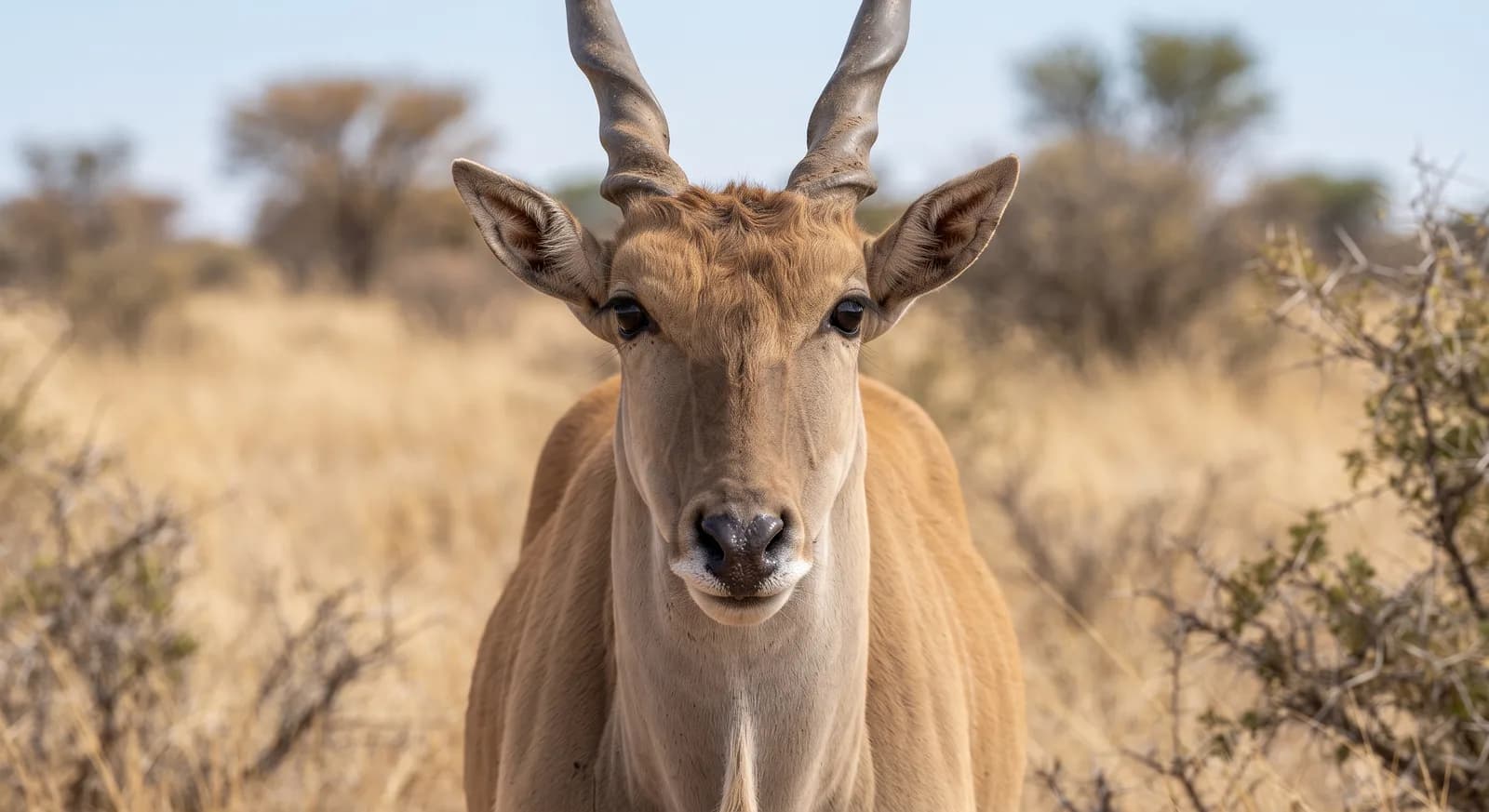
Common Eland
Taurotragus oryx
 Least Concern
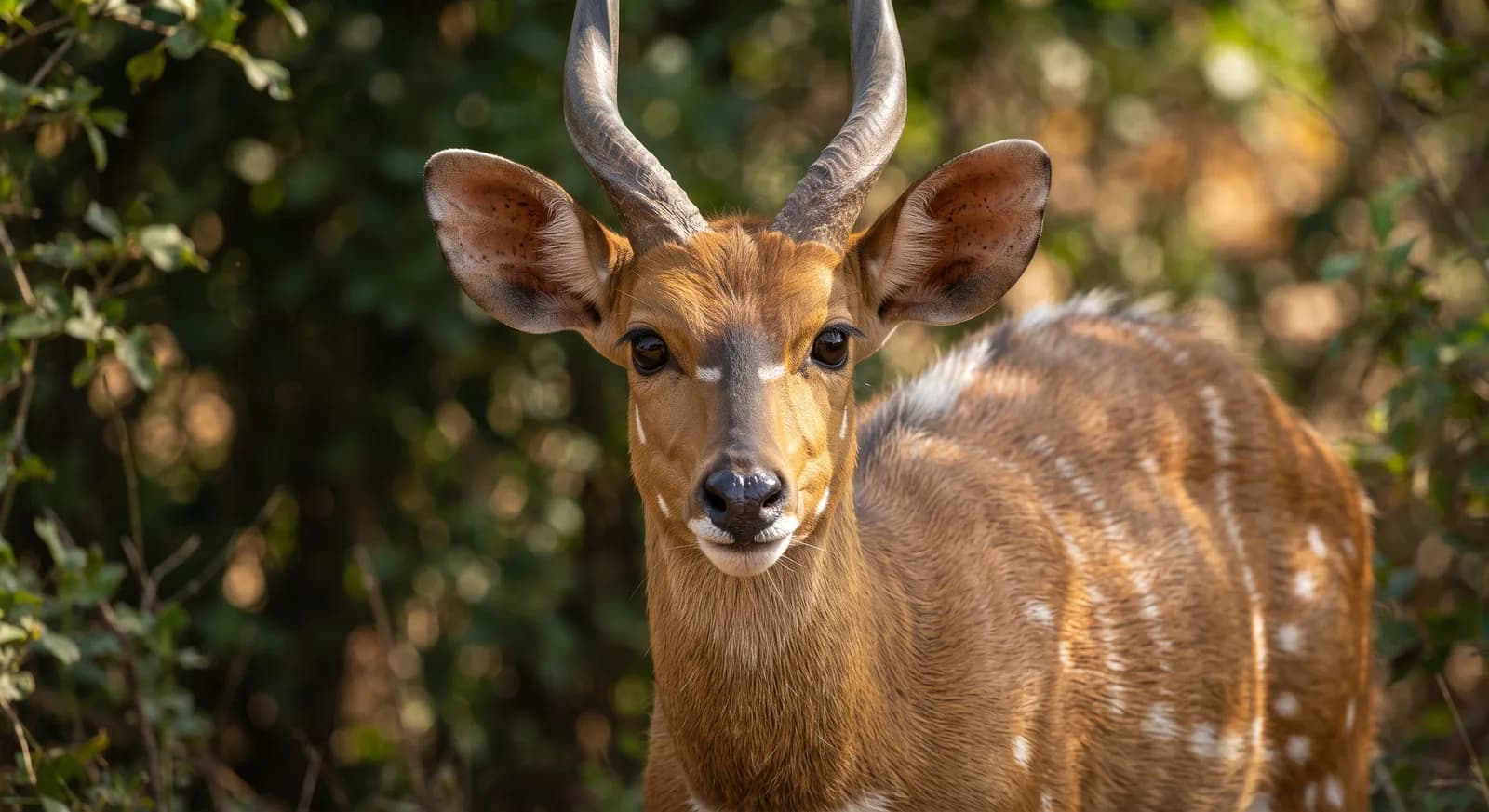
Bushbuck
Tragelaphus scriptus
Kob
Kobus kob
Kirk's Dik-dik
Madoqua kirkii
Keep exploring
Based on what we already know about common duiker.
Comments
Share an experience, a fun fact or a tip for seeing the common duiker.
Be the first to comment.