Mammals · Artiodactyla · Bovidae
Kirk's Dik-dik
Madoqua kirkii
The species is abundant and widely distributed; it faces no significant short-term risk. See full glossary
Its name imitates the sound of its distinctive alarm call. It has a long, mobile snout that helps it shed body heat in its arid habitat.
Weight
2.7 kg – 9 kg
Size
up to 46 cm
Lifespan
4 years
Diet
Herbivore
Feeds mainly on plants.
Activity
Crepuscular
Active above all at dawn and dusk.
Social structure
In pairs
Usually lives in pairs, sometimes for life.
Sighting difficulty
Easy
Fun facts
- Its name imitates the sound of its distinctive alarm call.
- It has a long, mobile snout (a proboscis) that helps it shed body heat.
- It can survive without drinking, taking all its moisture from the plants it eats.
Life cycle & biology
- Skeleton type
- Vertebrate - internal bony skeleton (mammal)
- Habitat & environment
- Arid scrub and thorn savannah of eastern and south-western Africa
- Birth weight
- 600 grams
- Size at birth
- Born with its forelegs folded back against its body, unlike most ruminants
- Sexual maturity
- Female: 6-8 months | Male: 8-9 months
- Gestation / incubation
- 166-174 days (~5.5-6 months)
- Litter / clutch size
- 1 young per birth, up to twice a year
- Lifespan in captivity
- Documented record of up to 16.5-18.4 years in captivity
Sources consulted: Marwell Zoo; AnAge (genomics.senescence.info); BioDB; Animal Diversity Web; Ultimate Ungulate; iNaturalist; Animalia.bio; Denver Zoo; Encyclopedia of Life; Wikipedia (Kirk's dik-dik)
Where to find it
See its range on the interactive mapWhere to watch it
Parks and dive sites where this species has been documented.
Related species
Other species in the catalogue with the most in common with Kirk's Dik-dik — same habitat, park, country, tags or family.
Klipspringer
Oreotragus oreotragus
Steenbok
Raphicerus campestris
 Least Concern
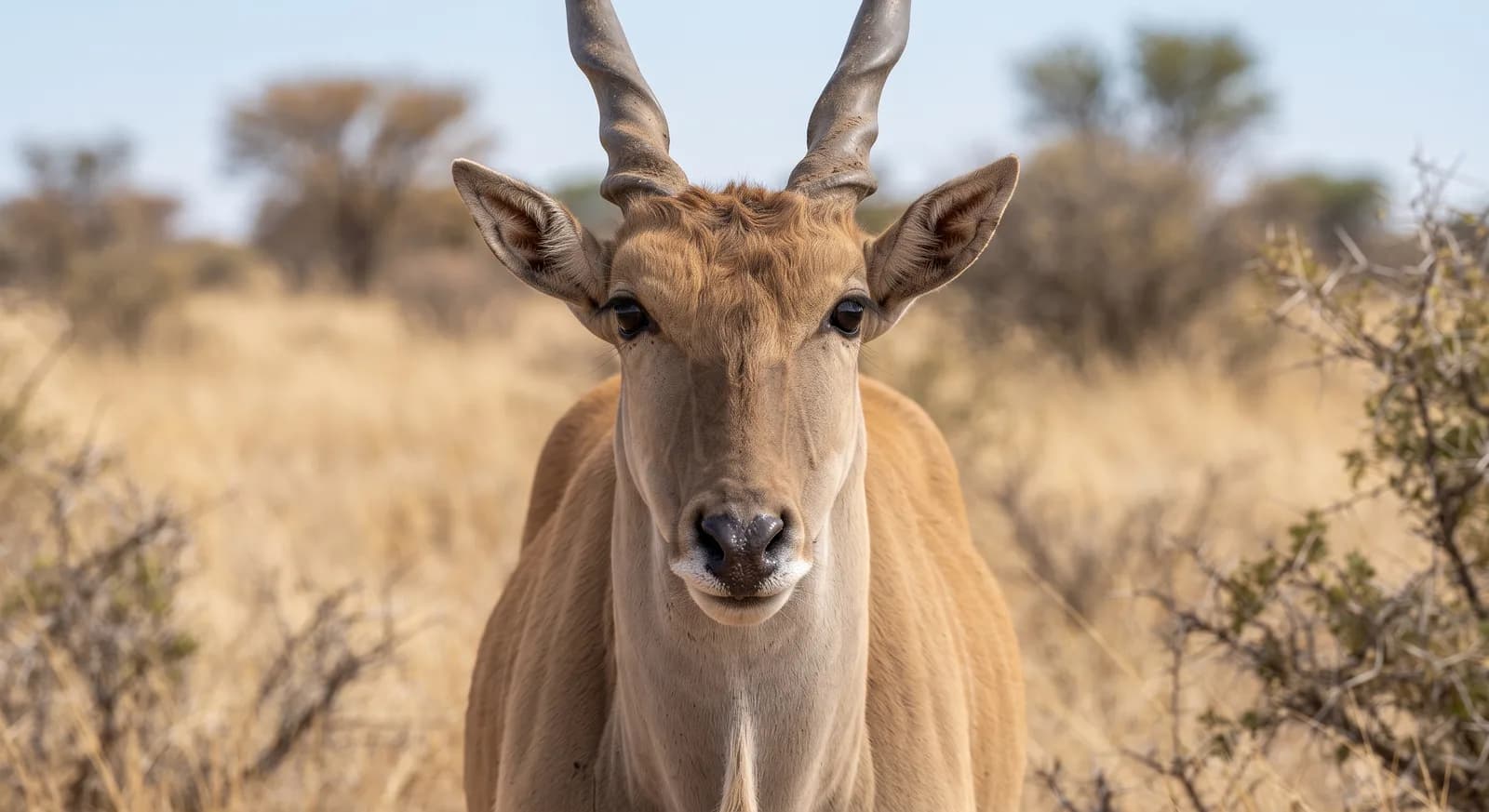
Common Eland
Taurotragus oryx
 Least Concern
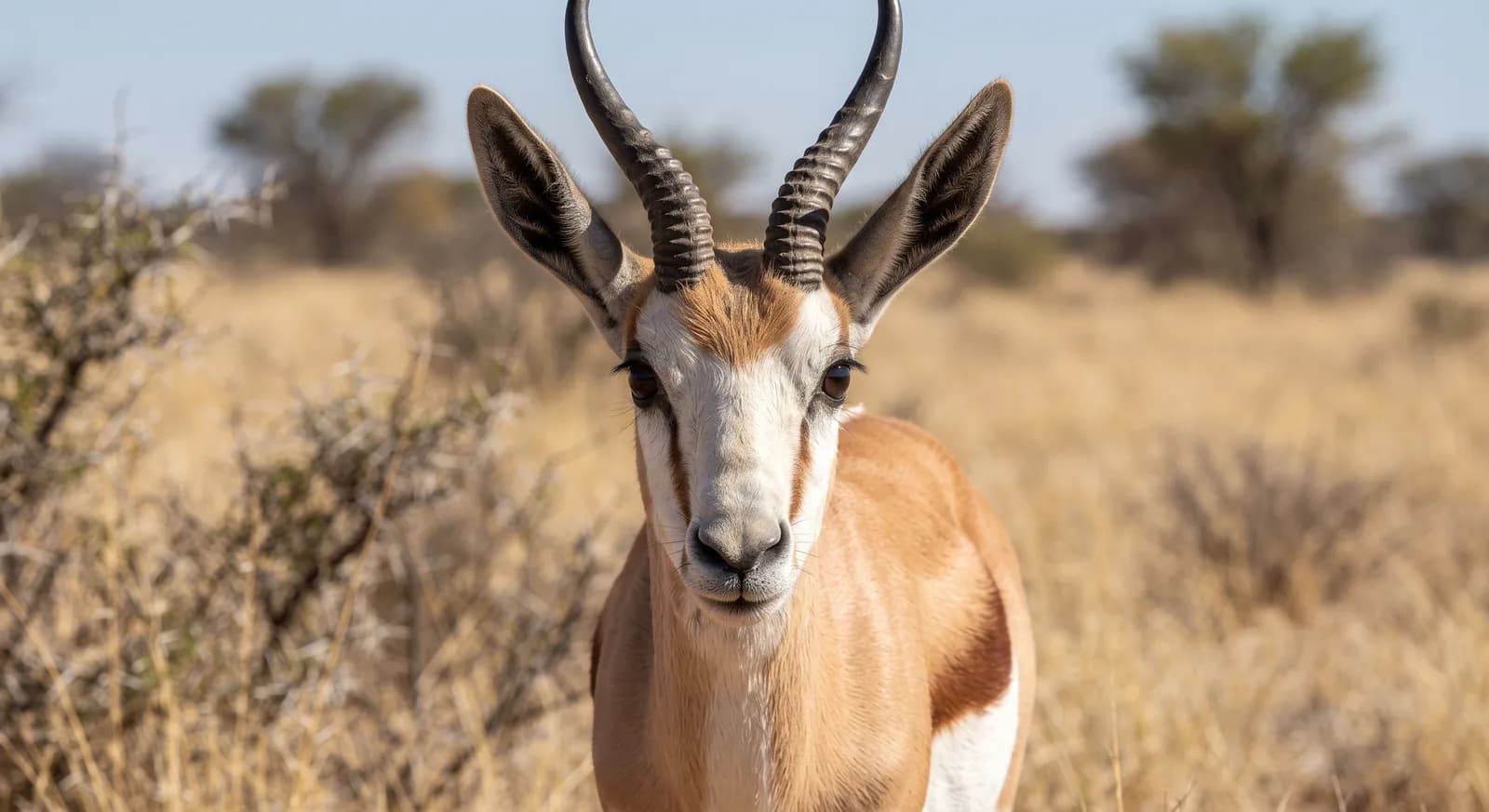
Springbok
Antidorcas marsupialis
 Least Concern
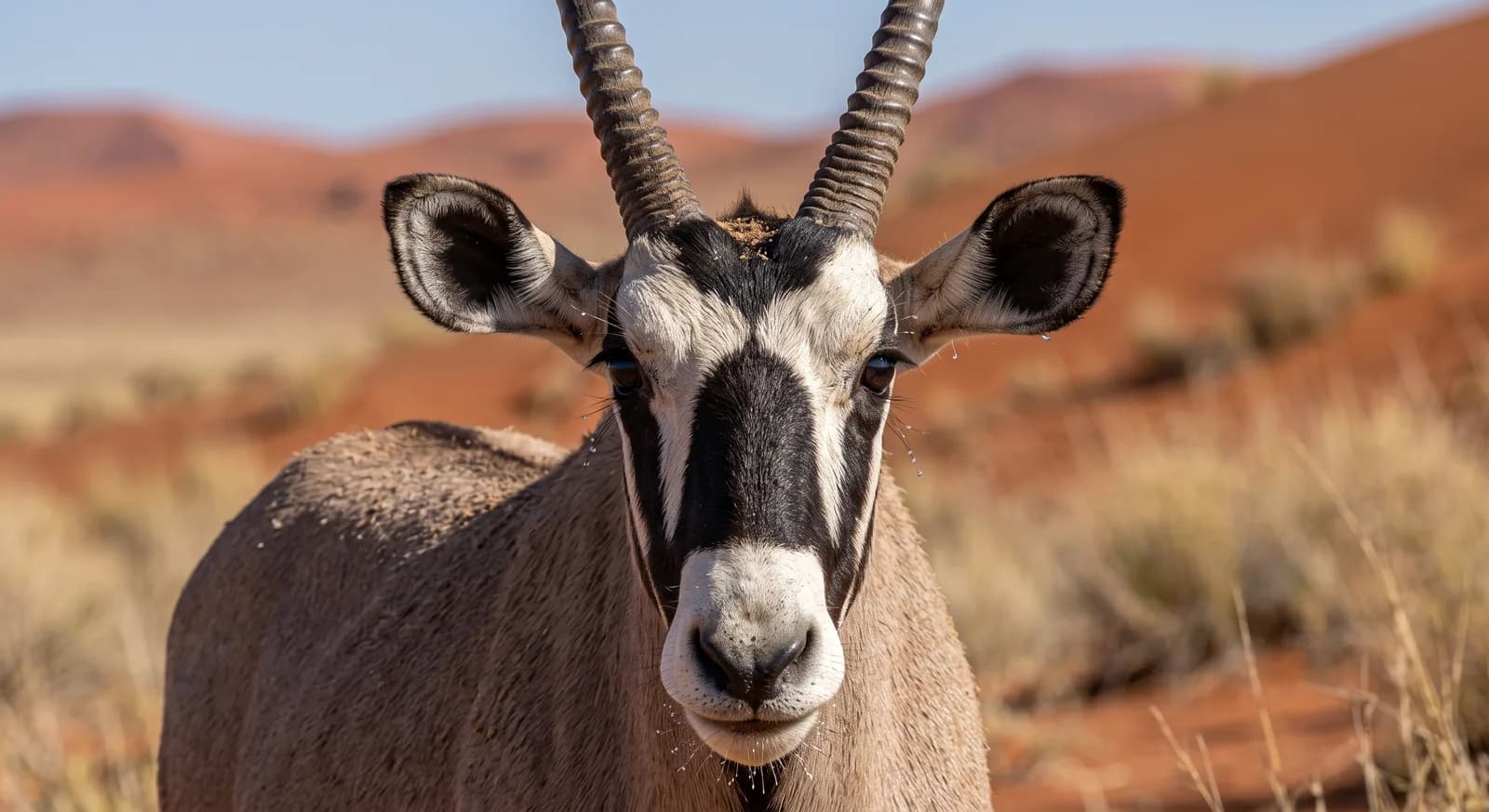
Gemsbok
Oryx gazella
 Least Concern
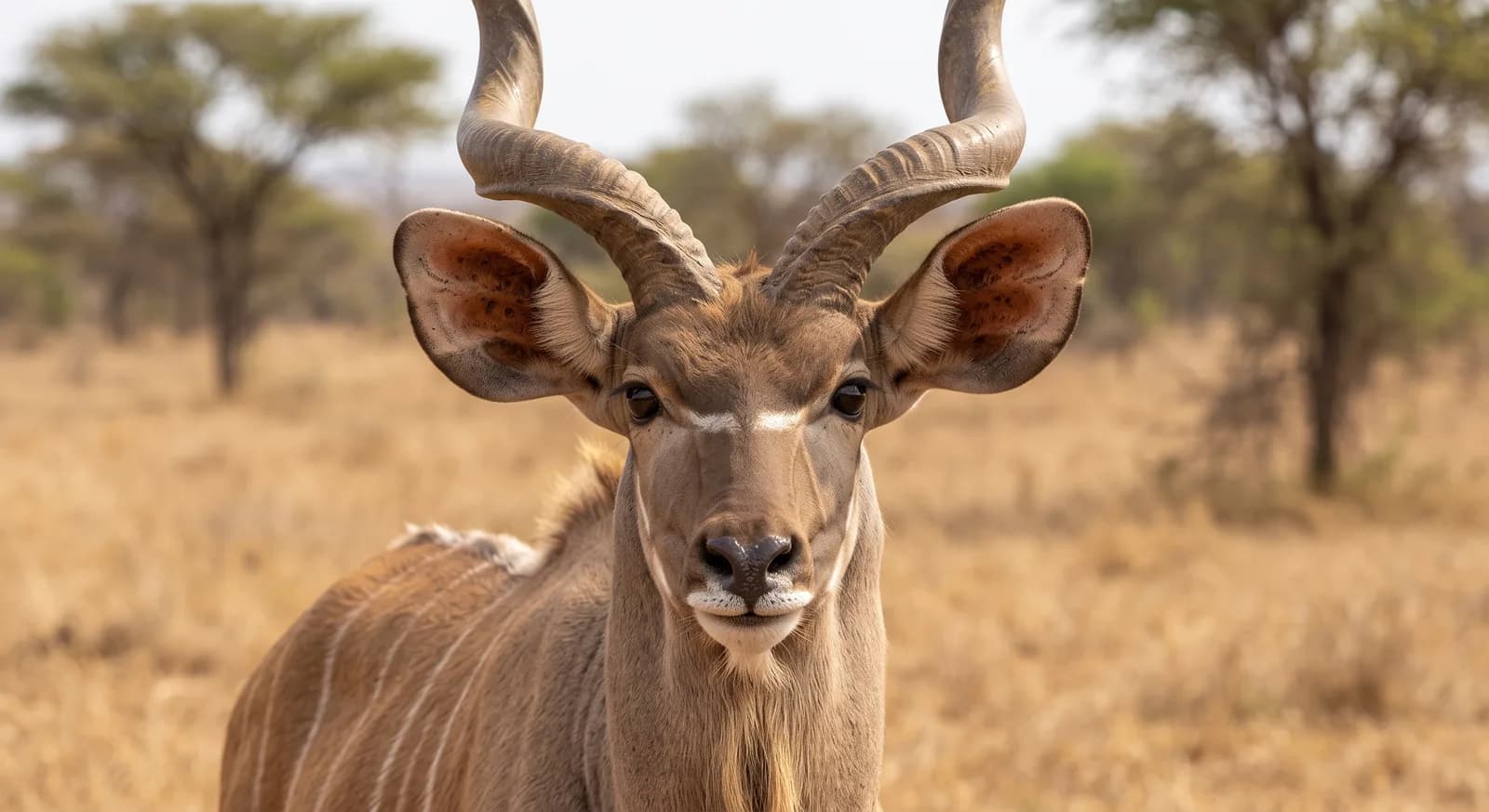
Greater Kudu
Tragelaphus strepsiceros
Keep exploring
Based on what we already know about kirk's dik-dik.
Comments
Share an experience, a fun fact or a tip for seeing the kirk's dik-dik.
Be the first to comment.