One of the 4 insects on WAnimals
Insects · Phasmatodea · Diapheromeridae
Indian Stick-insect
Carausius morosus
It has not yet been assessed against the IUCN criteria. See full glossary
The Indian stick insect is slender and greenish-brown, with the inner face of its front legs a vivid red that shows only when it raises them. It is the most widely reared stick insect in the world in schools and laboratories, because it is so easy to keep.
Size
7 cm – 10 cm
Lifespan
1 years
Diet
Herbivore
Feeds mainly on plants.
Activity
Nocturnal
Active mainly at night.
Social structure
Solitary
Lives and hunts alone, joining others only to breed.
Sighting difficulty
Unknown
Fun facts
- There are hardly any males: the species keeps going by parthenogenesis, and the populations consist almost entirely of females producing clones of themselves.
- It changes colour through the day, darkening at night and paling in the light, by moving pigment granules in its skin.
- If it loses a leg, it regrows it over the following moults, although it usually ends up slightly shorter than the original.
- It is the laboratory stick insect par excellence and probably the most widely reared insect in the world in schools and universities.
- Almost all cultured populations are parthenogenetic and consist only of females: males are extremely rare and, when they do appear, are usually sterile. That makes it possible to maintain cultures indefinitely from a single individual.
- It changes colour with light, temperature and humidity, darkening at night and lightening by day, by shifting pigment granules within the epidermis.
- It plays dead: faced with a threat it drops to the ground rigid and motionless, legs pressed against its body, and can stay that way for a long while.
- It has been used for decades as a model in studies of legged locomotion, and its coordination patterns have inspired the control of six-legged walking robots.
- It can autotomise a leg to escape and partially regenerate it over the following moults.
Life cycle & biology
- Skeleton type
- Invertebrate - chitin exoskeleton (insect)
- Habitat & environment
- Shrubs and scrub of southern India; spread worldwide in captivity
Sources consulted: Cruse, trabajos sobre coordinación de patas en Carausius; Bässler, Neural Basis of Elementary Behavior in Stick Insects; Phasmid Study Group
Where to find it
See its range on the interactive mapWhere to watch it
Parques y spots de buceo donde se ha documentado esta especie — se muestran 10 de 14 documentados.
Related species
Other species in the catalogue with the most in common with Indian Stick-insect — same habitat, park, country, tags or family.
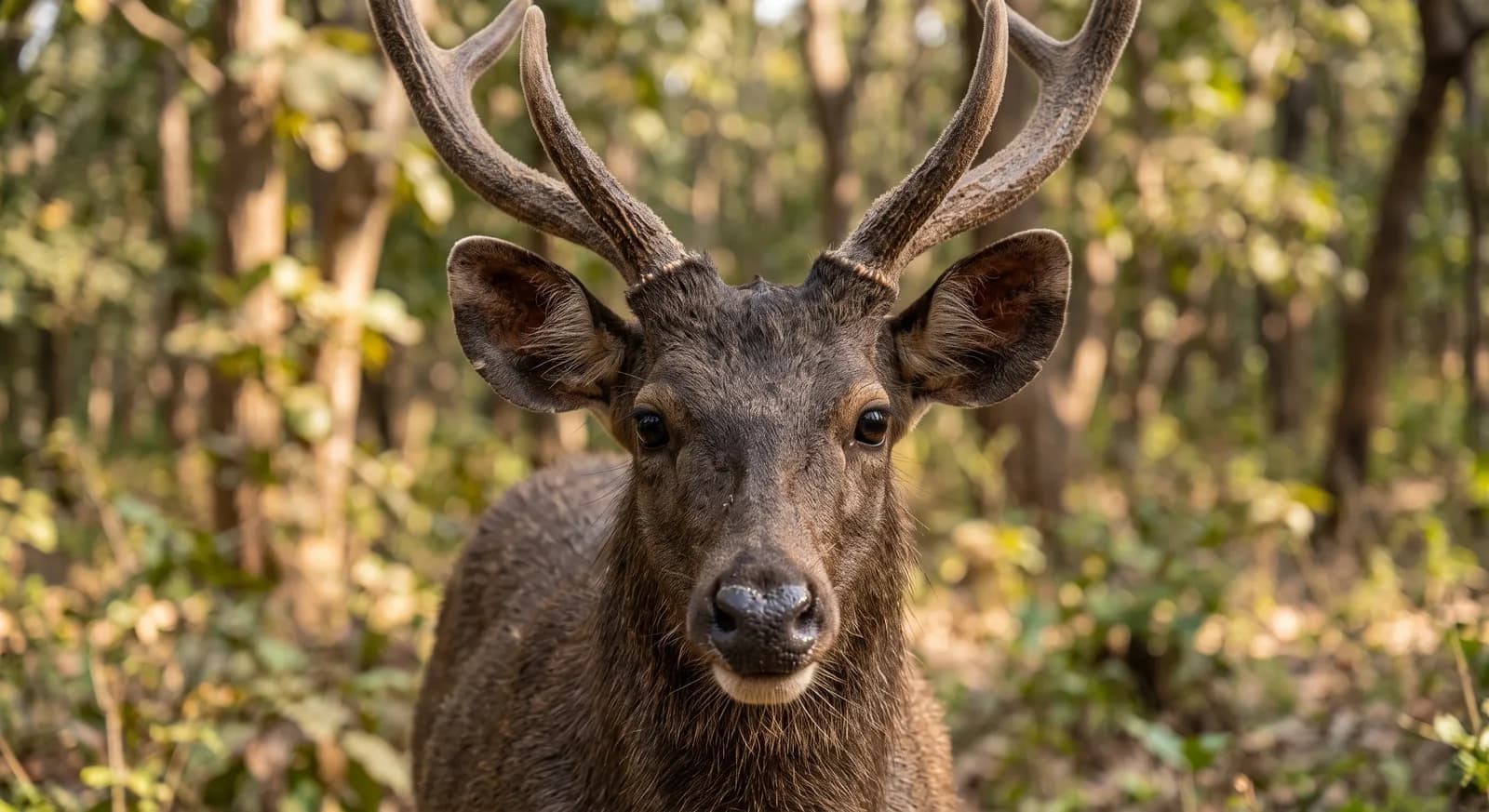 Vulnerable
Sambar
Rusa unicolor
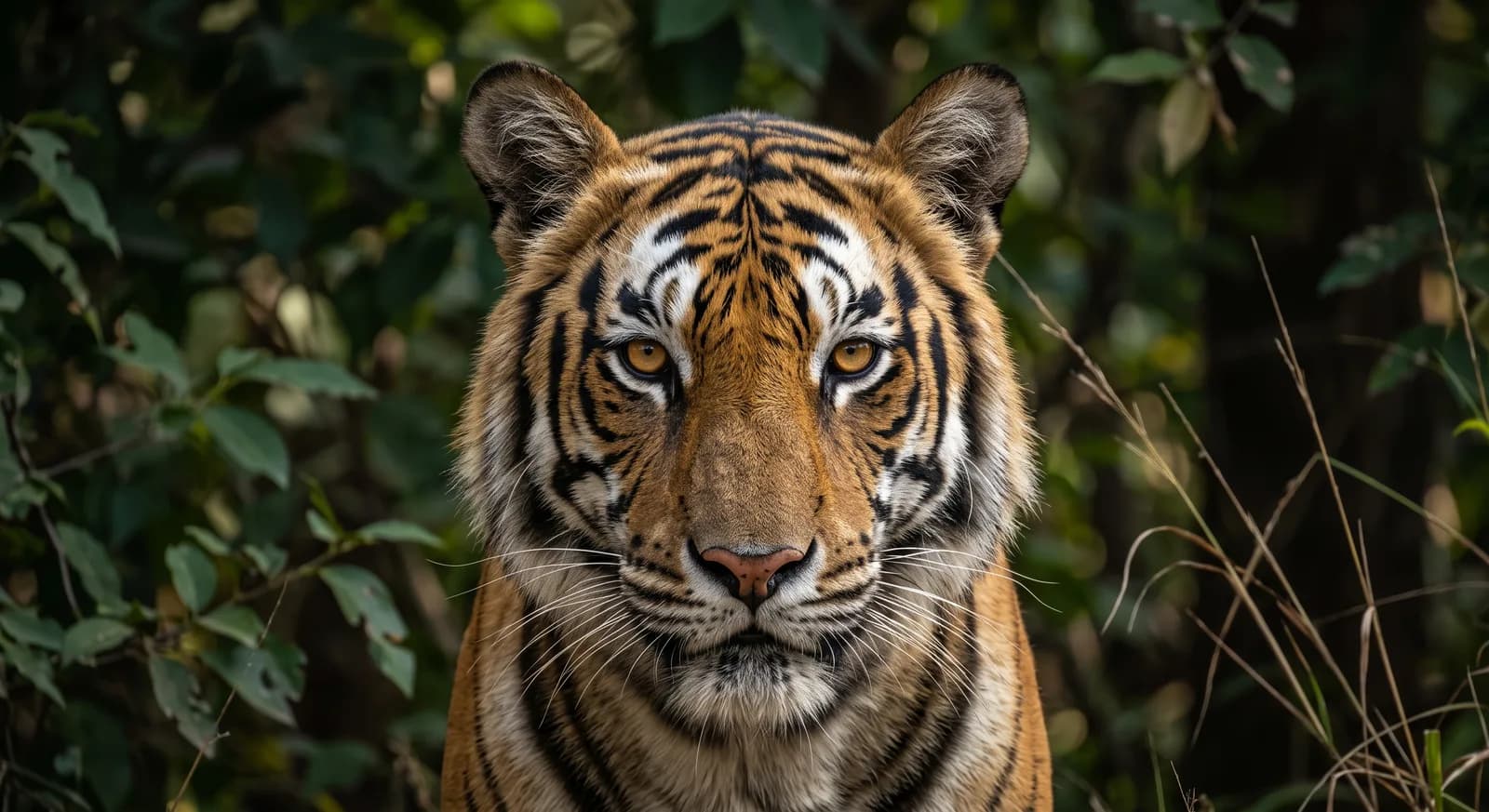 Endangered
Bengal Tiger
Panthera tigris tigris
Red Slender Loris
Loris tardigradus
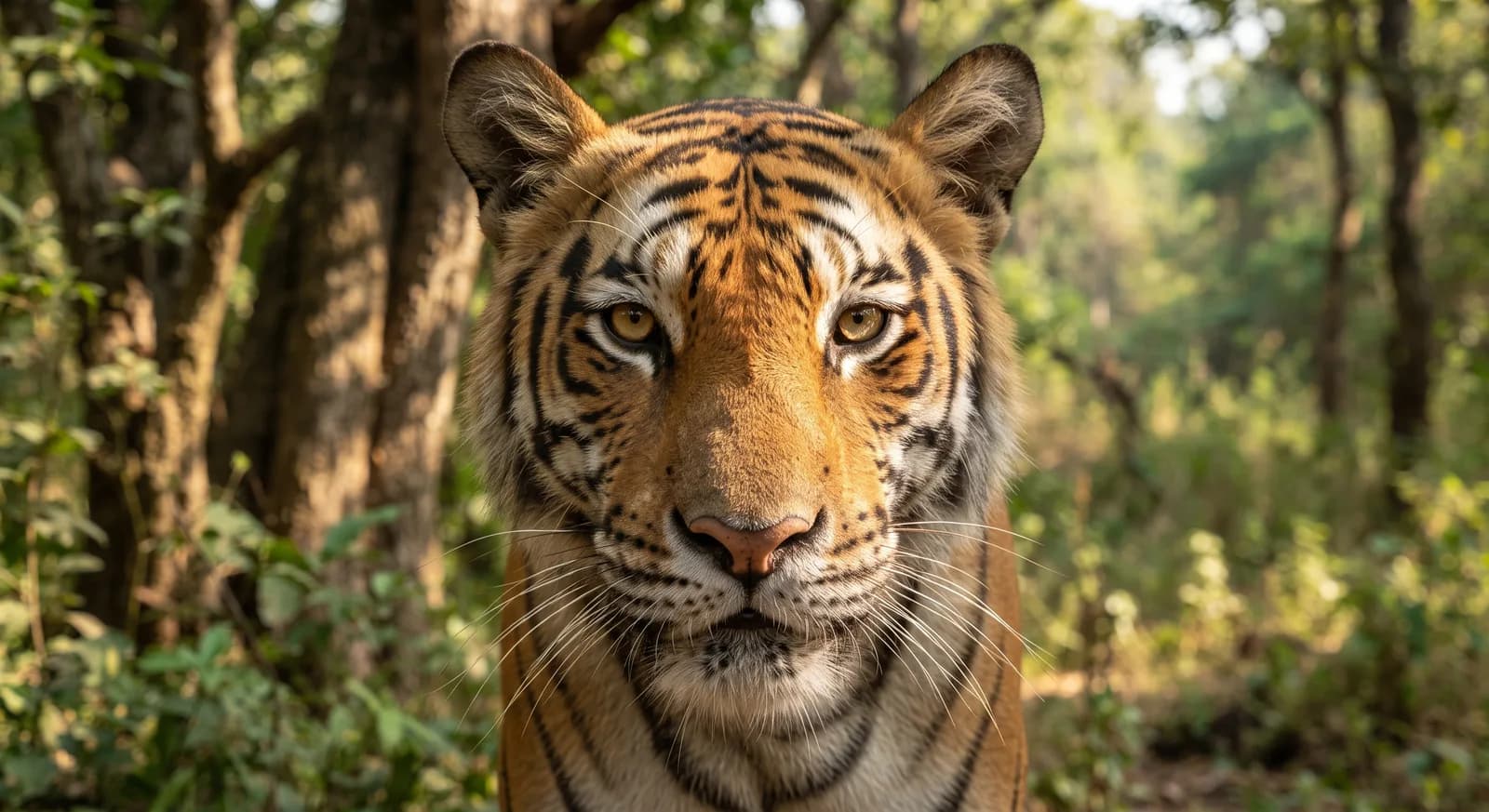 Endangered
Tiger
Panthera tigris
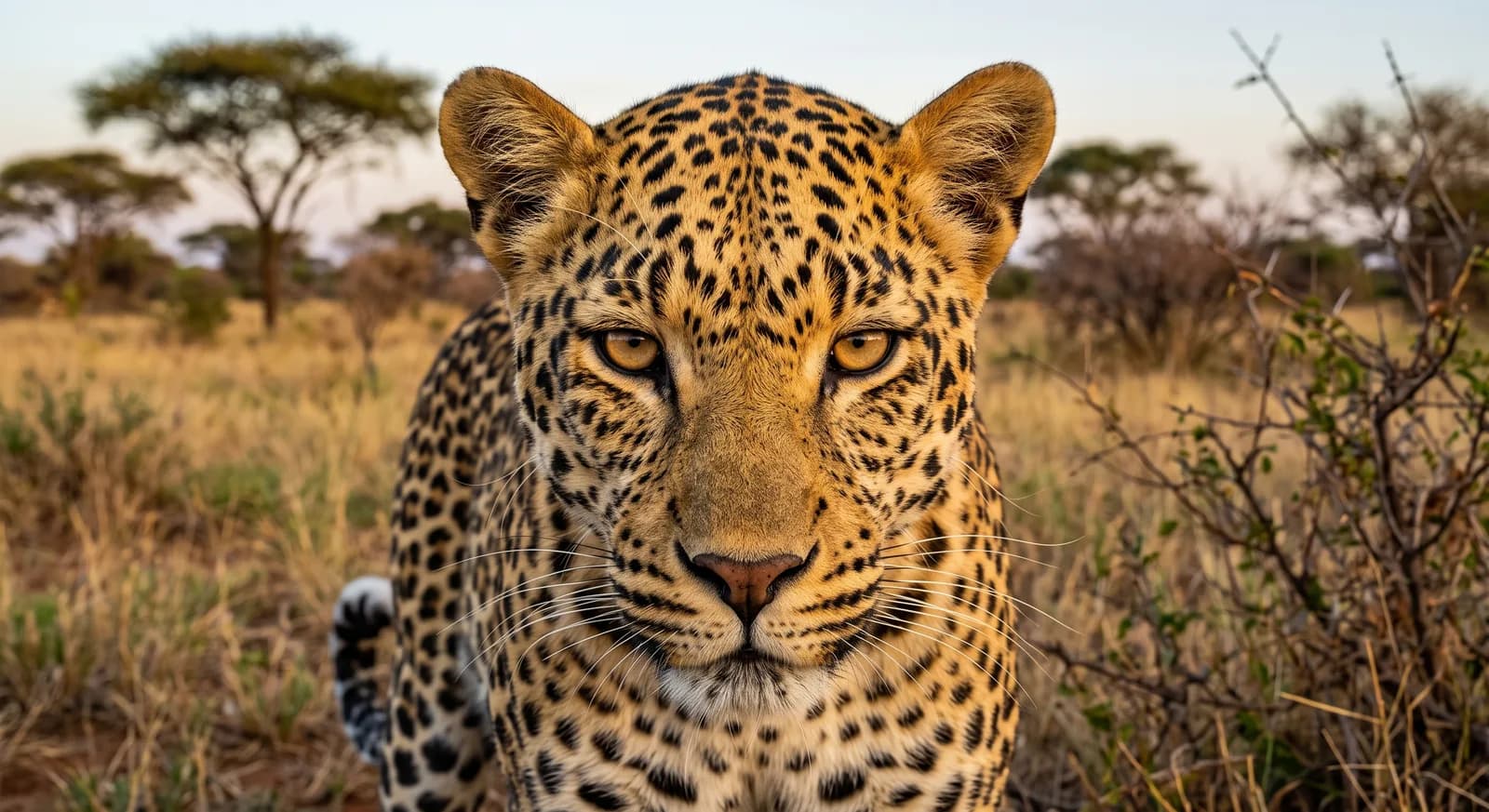 Vulnerable
Leopard
Panthera pardus
Keep exploring
Based on what we already know about indian stick-insect.
Comments
Share an experience, a fun fact or a tip for seeing the indian stick-insect.
Be the first to comment.