Sea squirts · Phlebobranchia · Cionidae
Vase Tunicate
Ciona intestinalis
It has not yet been assessed against the IUCN criteria. See full glossary
Ciona intestinalis is a urochordate of the class Ascidiacea, distant relatives of the vertebrates. It is a marine filter feeder whose genome has been sequenced, making it a reference model for the study of developmental biology over the past decade. Four subspecies have been described.
Size
8 cm – 15 cm
Lifespan
1 years
Diet
Omnivore
Combines animal and plant food depending on availability.
Social structure
Solitary
Lives and hunts alone, joining others only to breed.
Sighting difficulty
Unknown
Fun facts
- GeneralIts larvae have a notochord, which places it among the closest relatives of the vertebrates.
- It is one of the classic model organisms of developmental biology, and its genome was sequenced in 2002 precisely because of its kinship with us.
- It is one of the very few animals able to synthesise cellulose, with which it builds its outer tunic, an ability almost all other animals have lost.
- It is a chordate, as we are: its larva swims free and has a notochord, a dorsal nerve cord and a tail, the features that define the group. On settling, it reabsorbs the tail and the nervous system and turns into a filter-feeding sac.
- That metamorphosis makes it a key model for understanding the origin of the vertebrates. Its genome was sequenced in 2002 and holds some 16,000 genes, many with a human counterpart but in a single copy.
- It filters water through a perforated pharynx, an organ equivalent to our embryonic gill slits.
- It accumulates vanadium in its tissues at concentrations millions of times higher than in the surrounding water, and what for is still not properly understood.
- It is one of the most troublesome invasive fouling species in the world: it smothers mussel ropes and aquaculture rafts.
Life cycle & biology
- Habitat & environment
- Harbours, ships' hulls and shallow hard bottoms
Sources consulted: https://es.wikipedia.org/wiki/Ciona_intestinalis
Where to find it
See its range on the interactive mapWhere to watch it
Parques y spots de buceo donde se ha documentado esta especie — se muestran 10 de 20 documentados.
Related species
Other species in the catalogue with the most in common with Vase Tunicate — same habitat, park, country, tags or family.
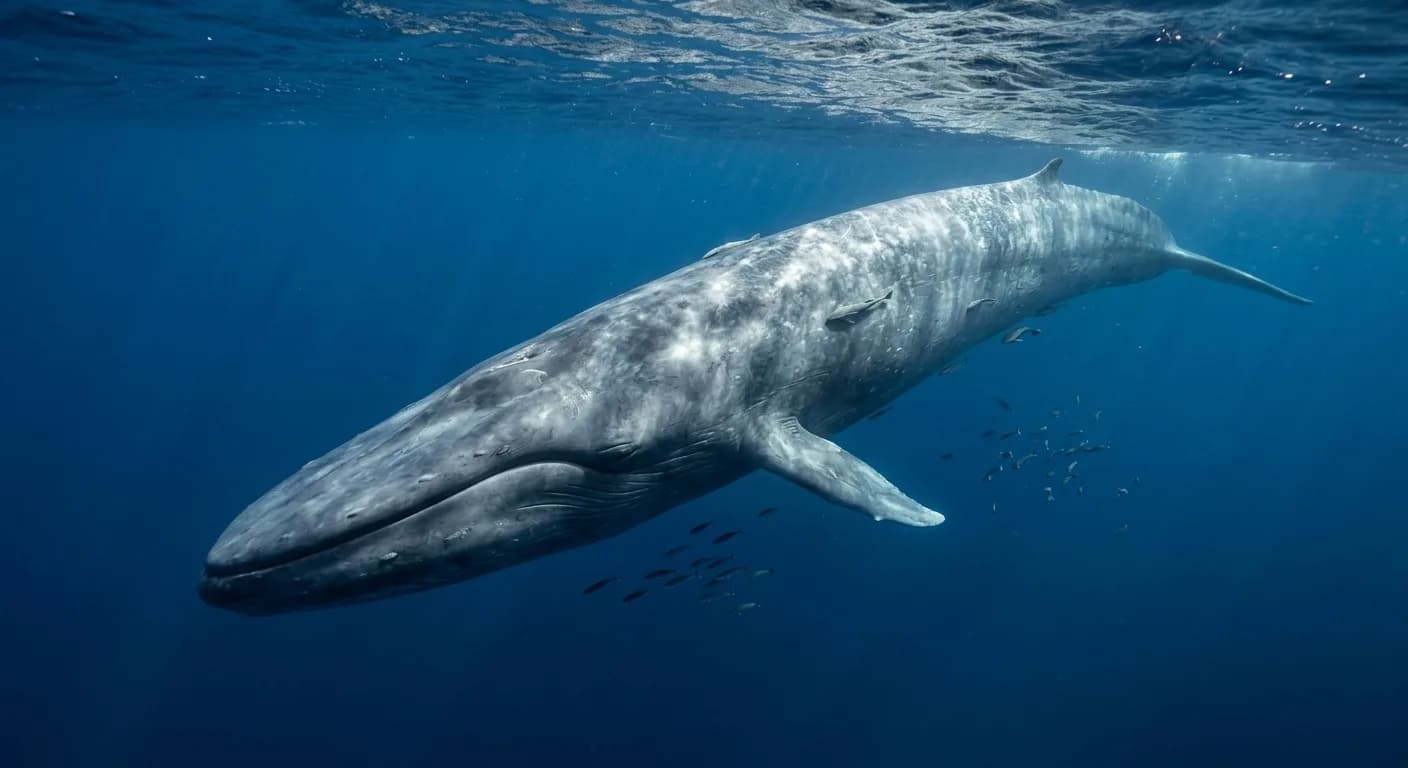 Endangered
Blue Whale
Balaenoptera musculus
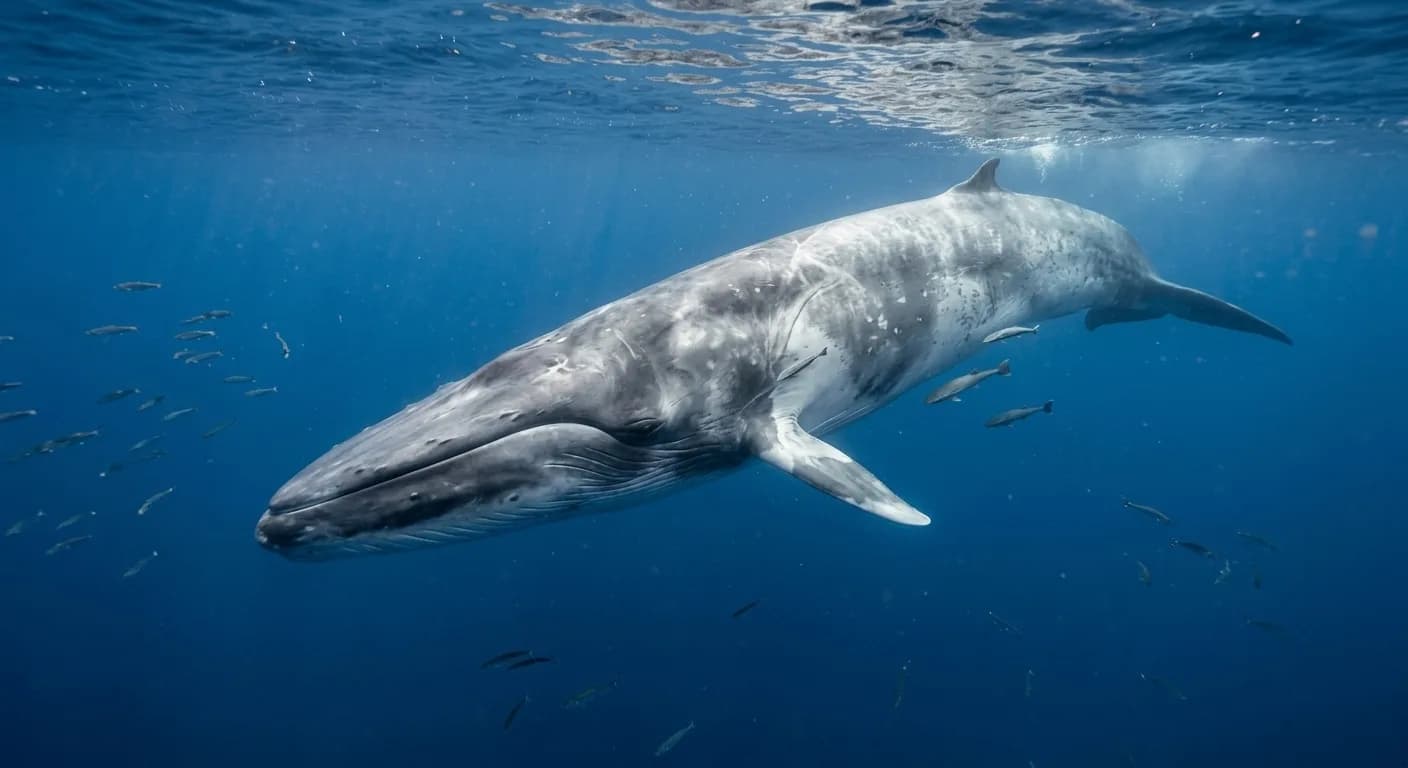 Endangered
Fin Whale
Balaenoptera physalus
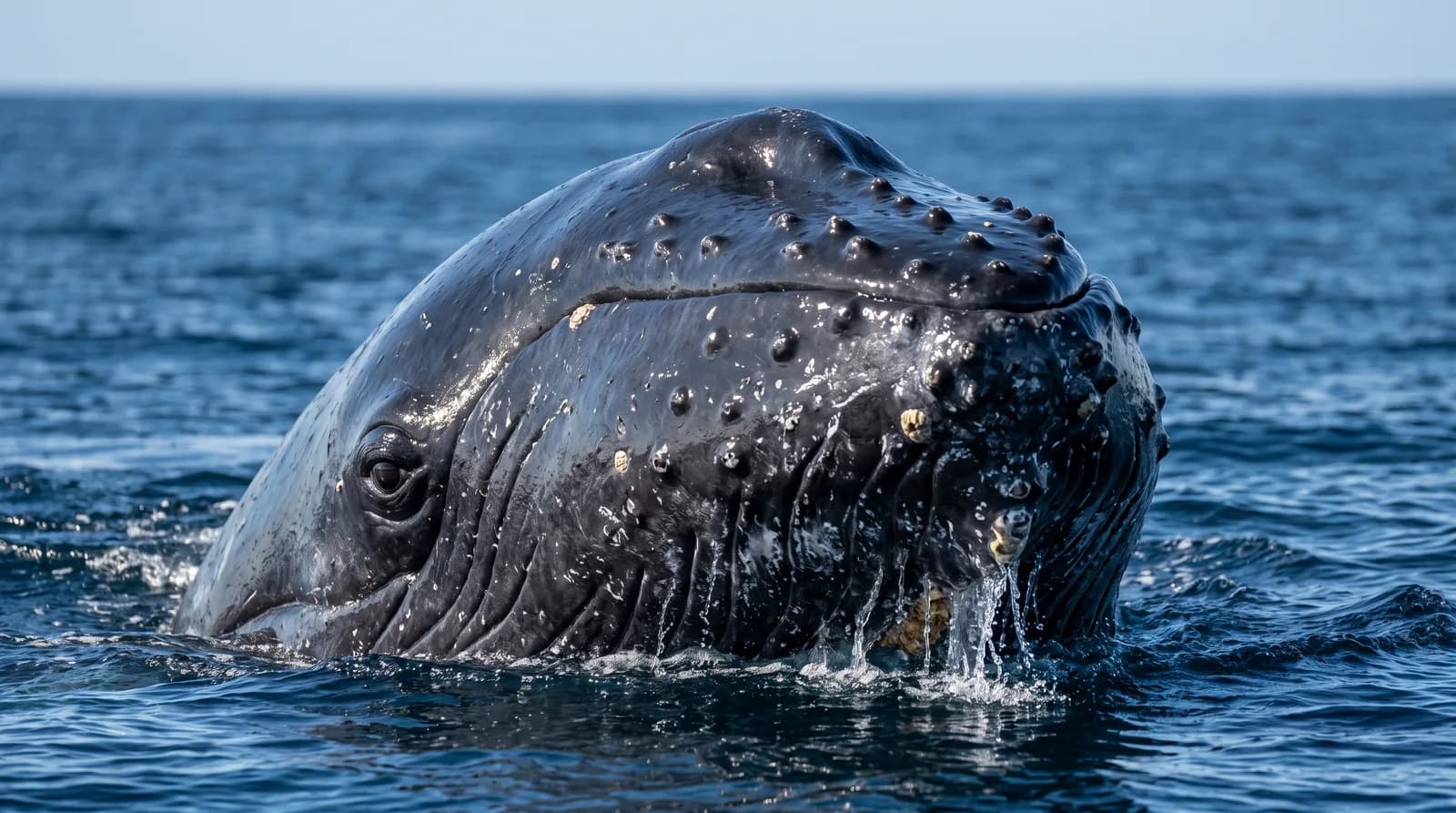 Least Concern
Humpback Whale
Megaptera novaeangliae
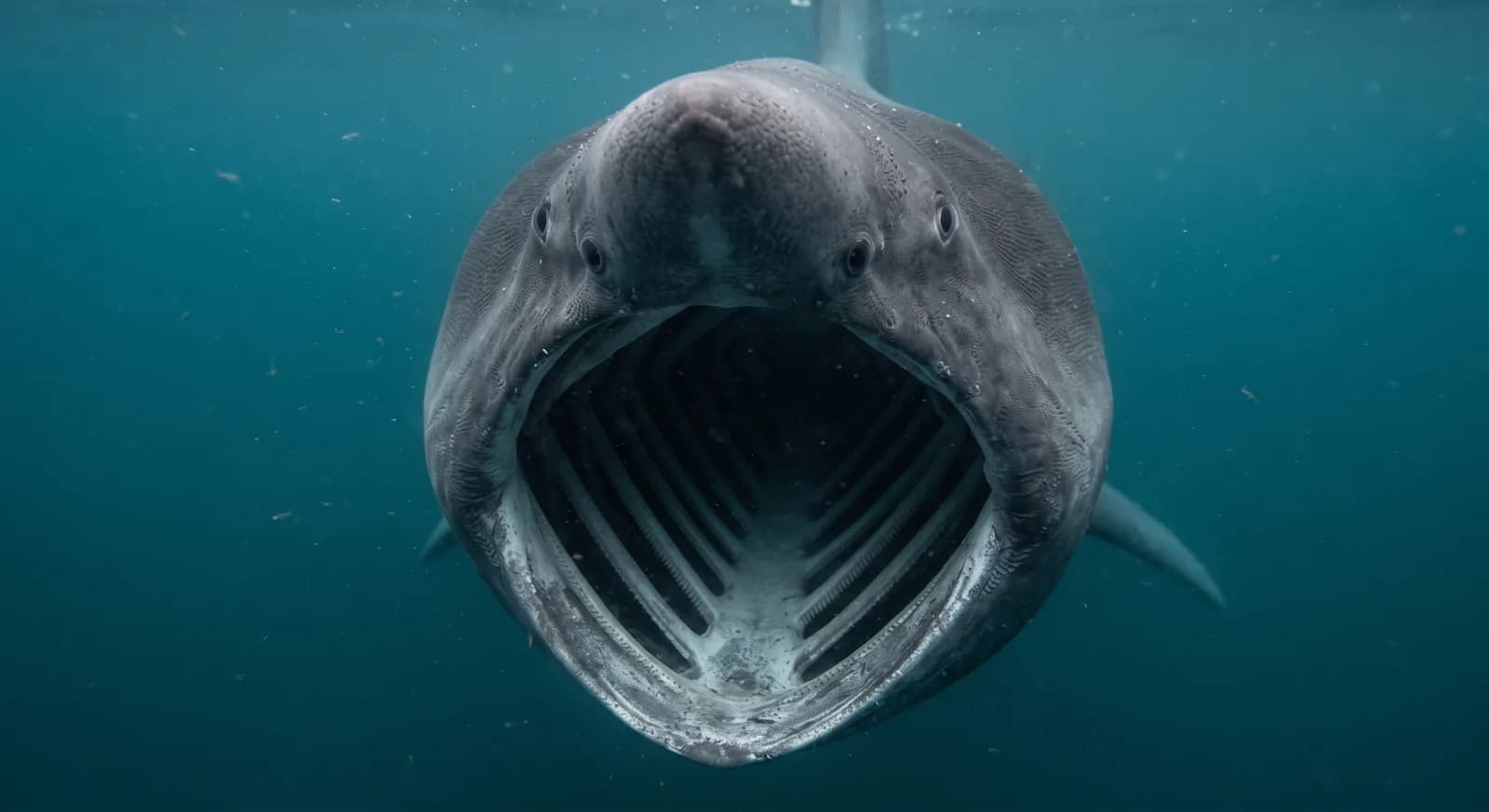 Endangered
Basking Shark
Cetorhinus maximus
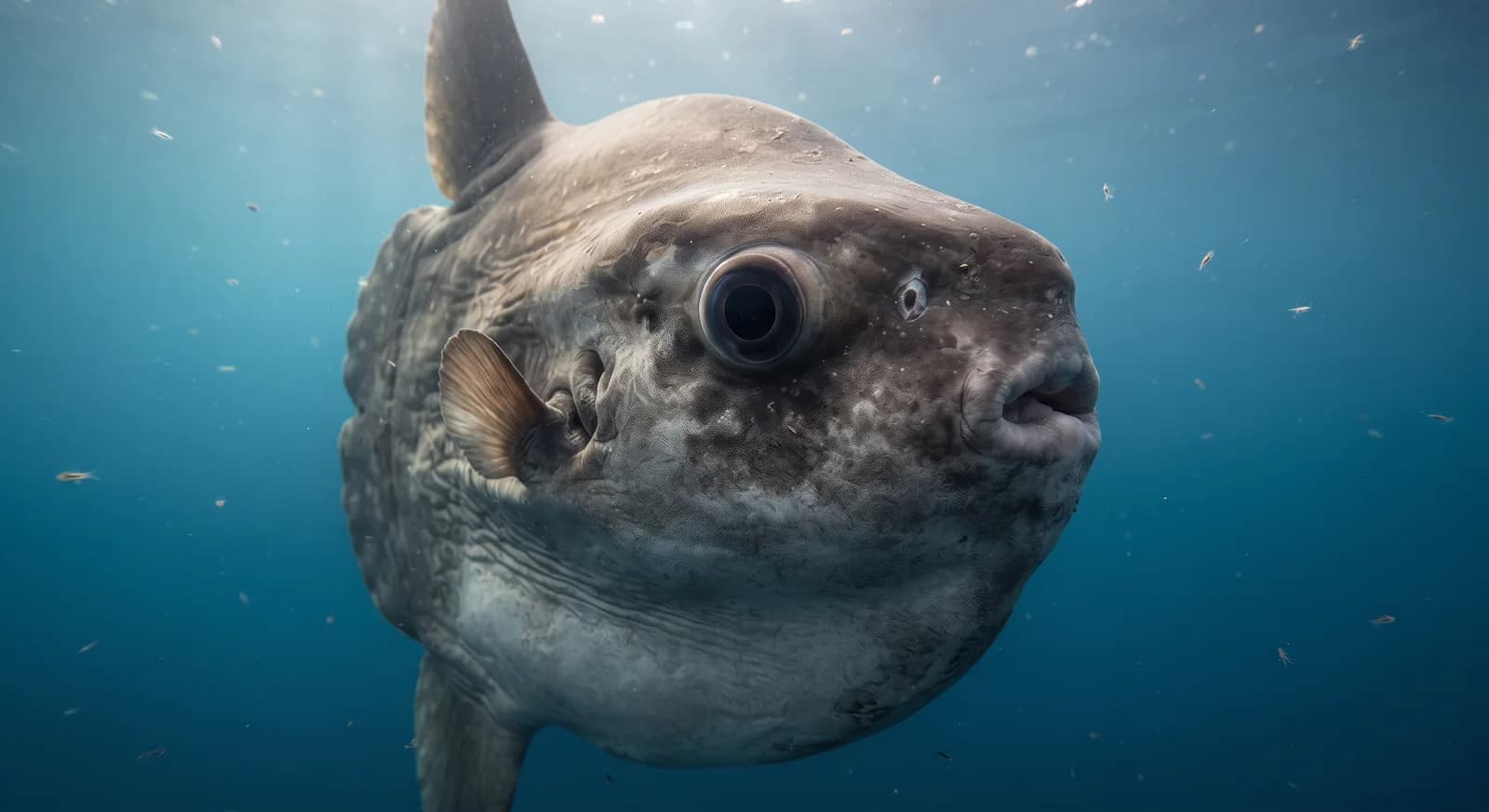 Vulnerable
Ocean Sunfish
Mola mola
Blue Crab
Callinectes sapidus
Keep exploring
Based on what we already know about vase tunicate.
Comments
Share an experience, a fun fact or a tip for seeing the vase tunicate.
Be the first to comment.