One of the 4 mongooses on WAnimals
Mammals · Carnivora · Herpestidae
Indian Gray Mongoose
Urva edwardsii
The species is abundant and widely distributed; it faces no significant short-term risk. See full glossary
The Indian grey mongoose is a small carnivore of southern Asia, very common in farmland and on the edges of towns. Grey and grizzled from the banding on each hair, it is diurnal, agile and essentially solitary. It feeds on rodents, insects, eggs, reptiles and fruit. It is famous for its ability to take on venomous snakes, the Indian cobra included: it combines extraordinary reflexes, a thick coat it can raise, and modified acetylcholine receptors that reduce the effect of the venom.
Weight
900 g – 1.7 kg
Size
36 cm – 45 cm
Lifespan
7 years
Diet
Carnivore
Feeds mainly on other animals.
Activity
Diurnal
Active mainly during the day.
Social structure
Solitary
Lives and hunts alone, joining others only to breed.
Sighting difficulty
Easy
Fun facts
- GeneralFamous for taking on cobras: its agility and a partial resistance to the venom protect it.
- Its nicotinic acetylcholine receptors have a slightly different shape that stops cobra venom from binding, which gives it a partial resistance that does not make it immune.
- It inspired Rudyard Kipling's character Rikki-Tikki-Tavi in The Jungle Book.
Life cycle & biology
- Skeleton type
- Vertebrate - internal bony skeleton (mammal)
- Habitat & environment
- Scrub, farmland and semi-arid country
- Gestation / incubation
- 60 days
- Litter / clutch size
- 3
Sources consulted: https://www.iucnredlist.org/ | https://animaldiversity.org/ | https://es.wikipedia.org/
Where to find it
See its range on the interactive mapWhere to watch it
Parques y spots de buceo donde se ha documentado esta especie — se muestran 10 de 35 documentados.
Related species
Other species in the catalogue with the most in common with Indian Gray Mongoose — same habitat, park, country, tags or family.
Greater False Vampire
Megaderma lyra
 Least Concern
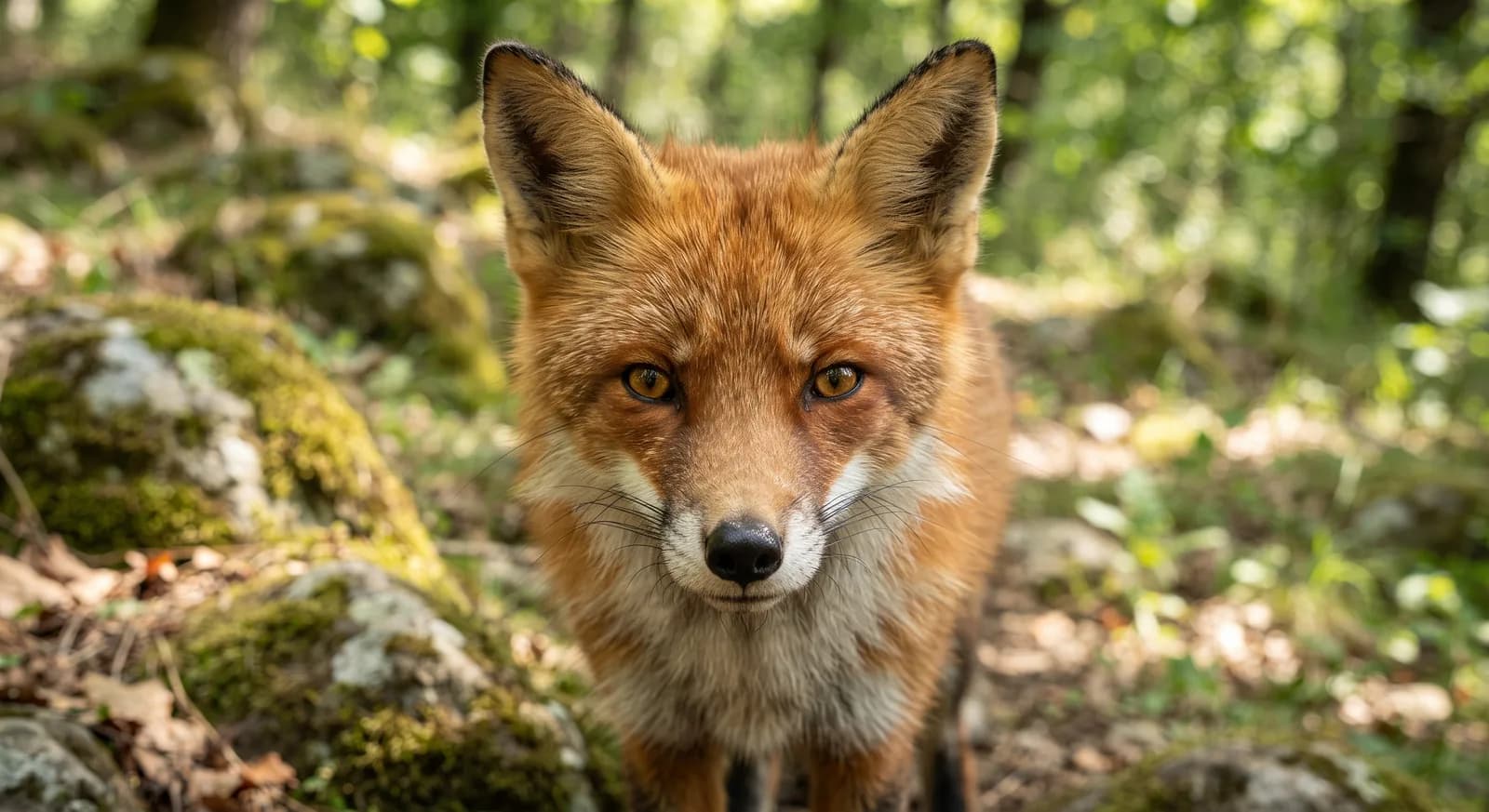
Red Fox
Vulpes vulpes
 Least Concern
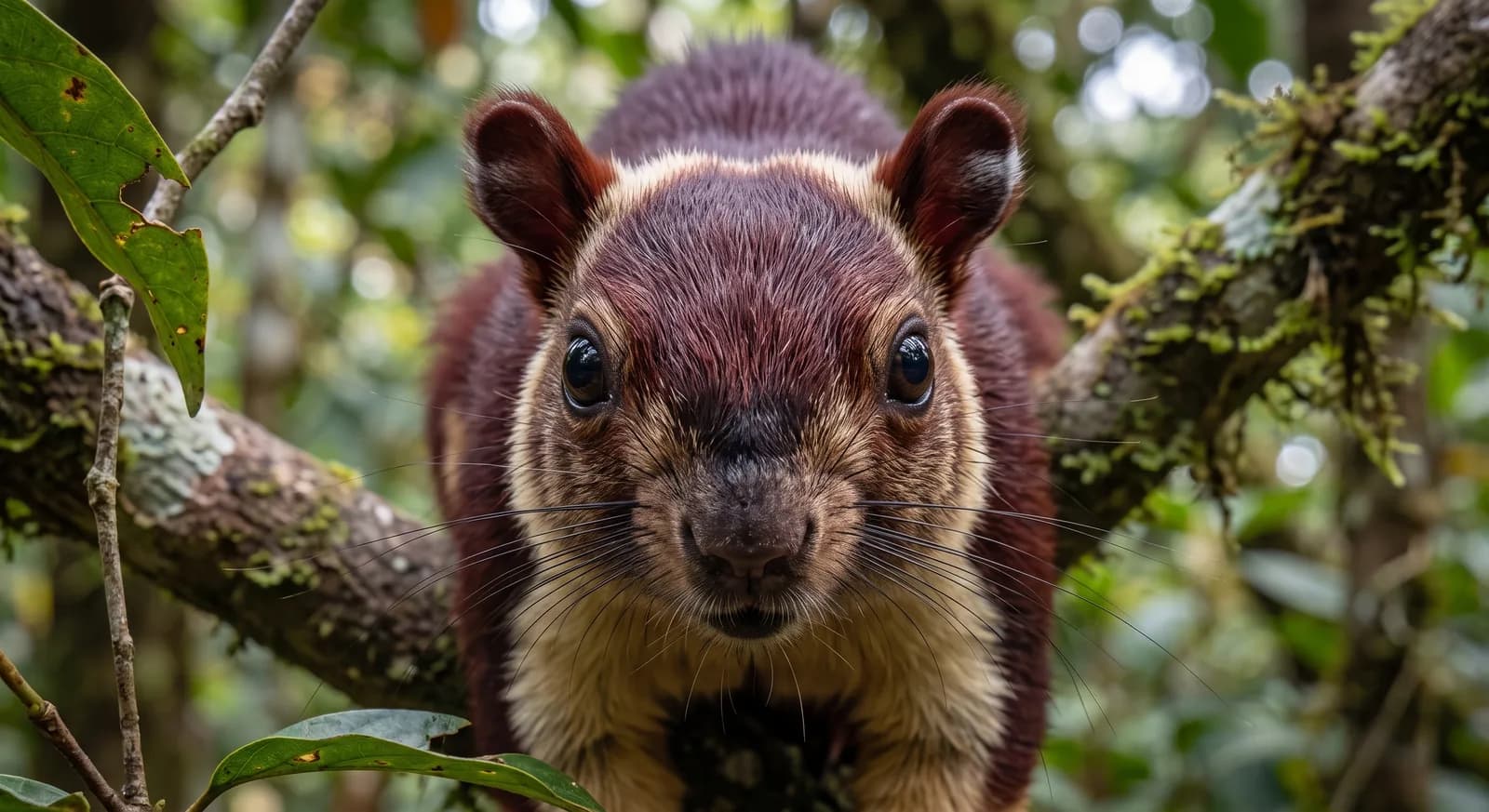
Indian Giant Squirrel
Ratufa indica
Western Russel’s Viper
Daboia russelii
 Least Concern
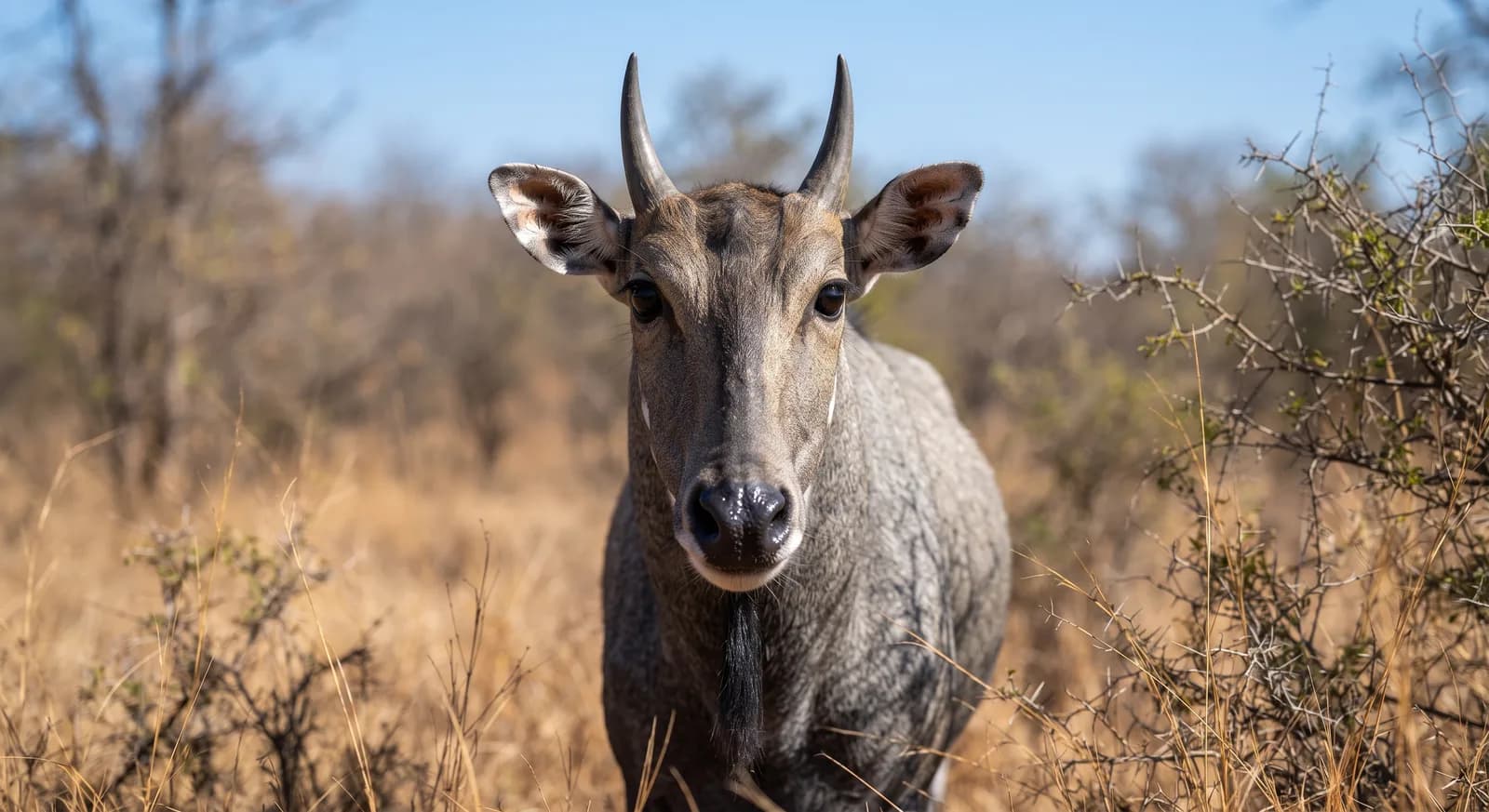
Nilgai
Boselaphus tragocamelus
 Least Concern
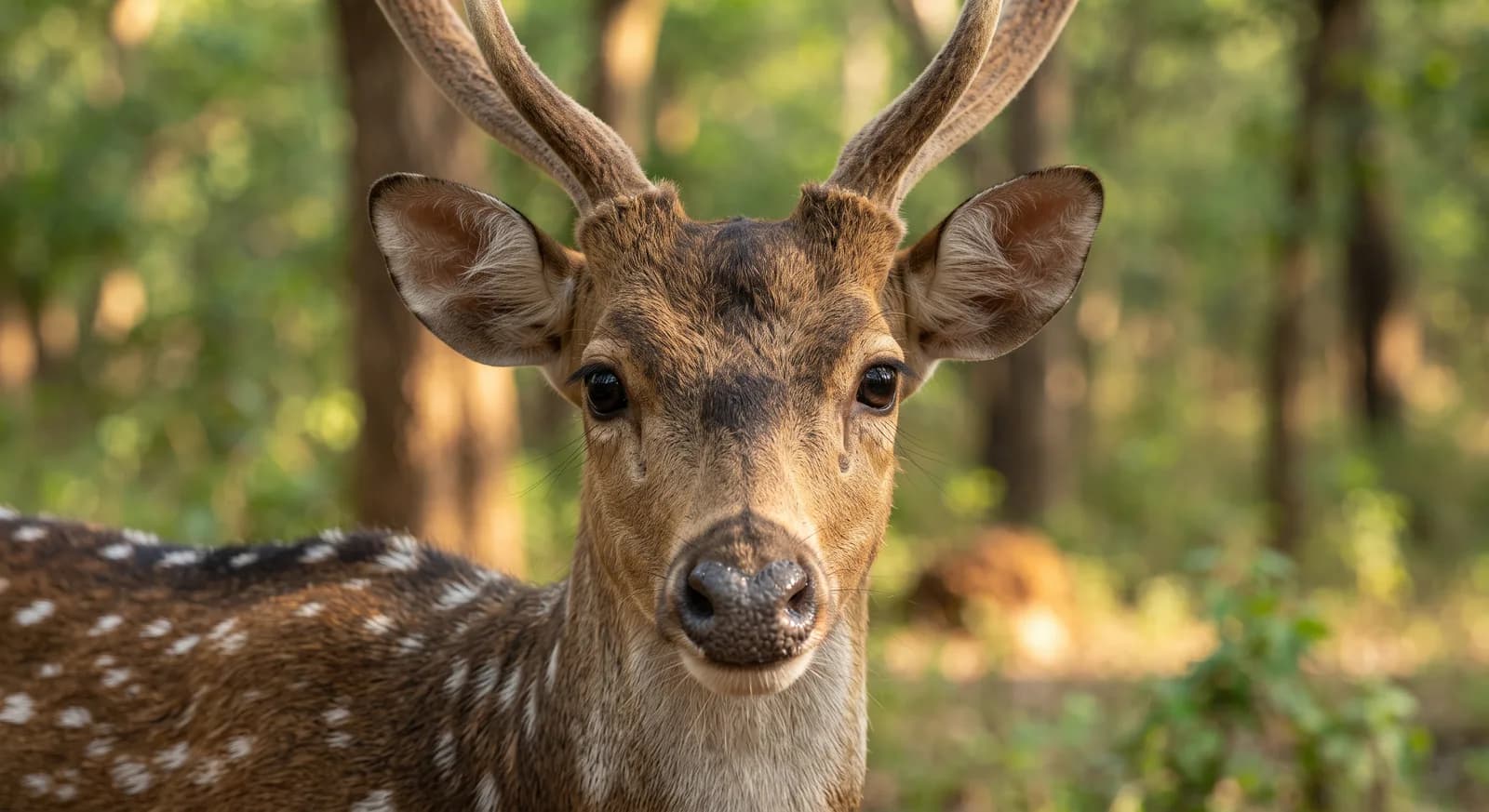
Chital
Axis axis
Keep exploring
Based on what we already know about indian gray mongoose.
Comments
Share an experience, a fun fact or a tip for seeing the indian gray mongoose.
Be the first to comment.