Mammals · Pilosa · Megatheriidae
Giant Ground Sloth
Megatherium americanum
No living individual remains anywhere in the world. See full glossary
Megatherium was a giant ground sloth the size of an elephant, one of the largest land mammals that ever existed in South America. It became extinct some 10,000 years ago. It walked on the outer edges of its feet, because its enormous claws prevented it from putting them down flat, and it could rear up on its hind legs, using its thick tail as a third point of support, to reach high foliage. Whether it was strictly a herbivore or also made use of carrion is debated.
Weight
3 t – 4 t
Size
5 m – 6 m
Diet
Herbivore
Feeds mainly on plants.
Activity
Diurnal
Active mainly during the day.
Social structure
Solitary
Lives and hunts alone, joining others only to breed.
Sighting difficulty
Impossible (extinct)
Fun facts
- GeneralA 4-tonne ground sloth; its fossils were described by Darwin in South America.
- Georges Cuvier described it in 1796 from a skeleton sent from Argentina, and it was one of the first animals science formally recognised as an extinct species, a revolutionary idea in its day.
- Charles Darwin collected remains of Megatherium during the voyage of the Beagle, and those fossils shaped his thinking about the succession of species.
- It could rear up and walk on its hind legs, which makes it the largest bipedal mammal ever to have existed. It used its thick tail as a third point of support, like a tripod.
- Its enormous claws were not a hunter's: chemical analysis of its teeth confirms a vegetarian diet, and it used them to pull down branches.
- It weighed up to four tonnes, as much as an African elephant, but with a completely different body: massive hind legs, a thick pelvis and a centre of mass set far back.
- It lived alongside people. Fossils of it have been found bearing cut marks, and in Argentina there is a trackway of eight footprints dated to around 14,000 years ago, barely 40 km from the place where the young Darwin collected remains of the species.
- Cuvier described it in 1796 from a skeleton sent from Buenos Aires to Madrid, and it was one of the first fossil species to be recognised as a vanished animal.
Life cycle & biology
- Skeleton type
- Vertebrate - internal bony skeleton (mammal)
- Habitat & environment
- Open woodland, savannah and pampas of South America during the Pliocene and Pleistocene
Sources consulted: https://es.wikipedia.org/wiki/Megatherium
Where it lived
See its range on the interactive mapRelated species
Other species in the catalogue with the most in common with Giant Ground Sloth — same habitat, park, country, tags or family.
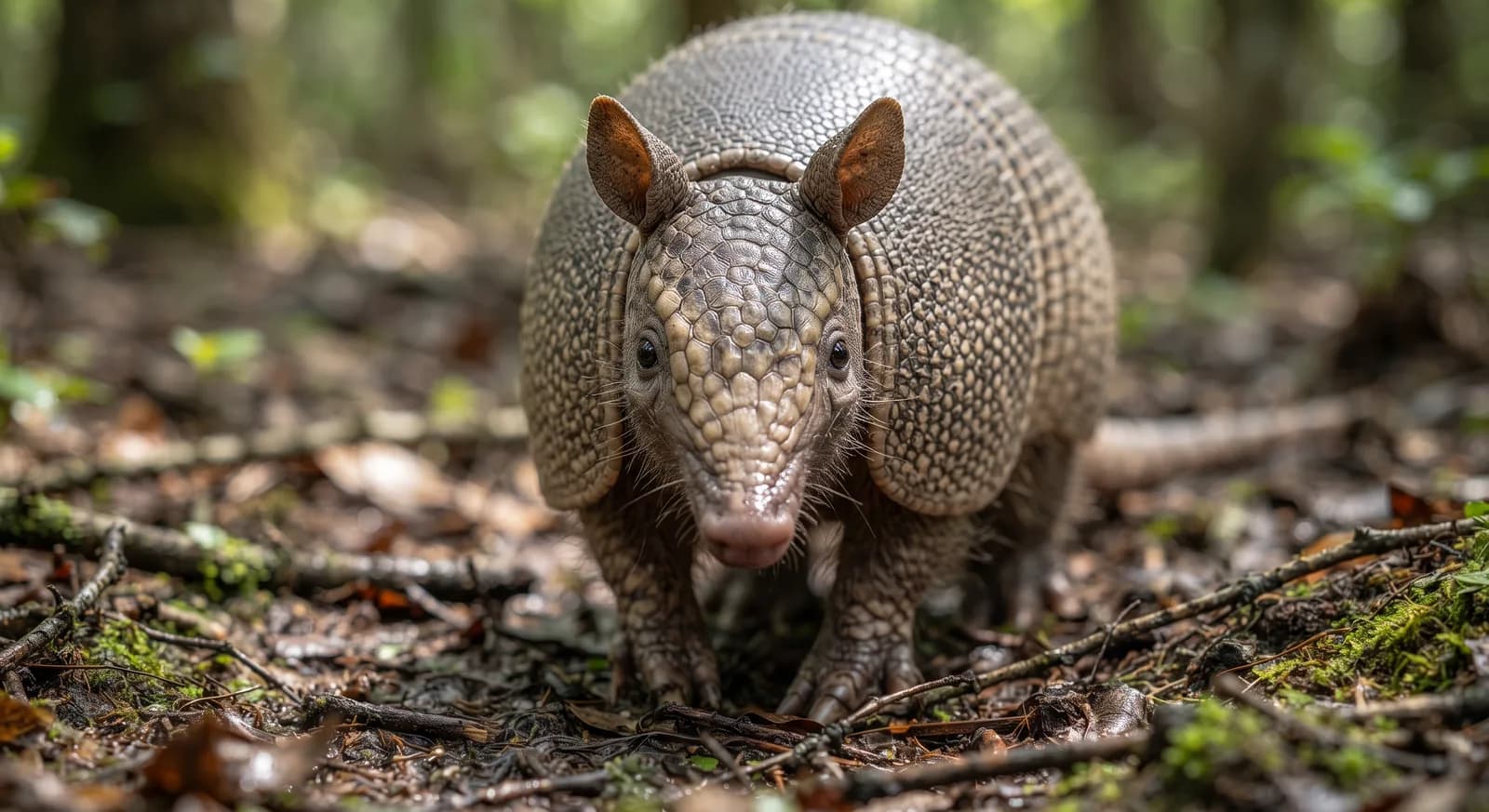 Least Concern
Nine-banded Armadillo
Dasypus novemcinctus
Pichi
Zaedyus pichiy
 Near Threatened
Patagonian Mara
Dolichotis patagonum
Eastern Cottontail
Sylvilagus floridanus
Blackbuck
Antilope cervicapra
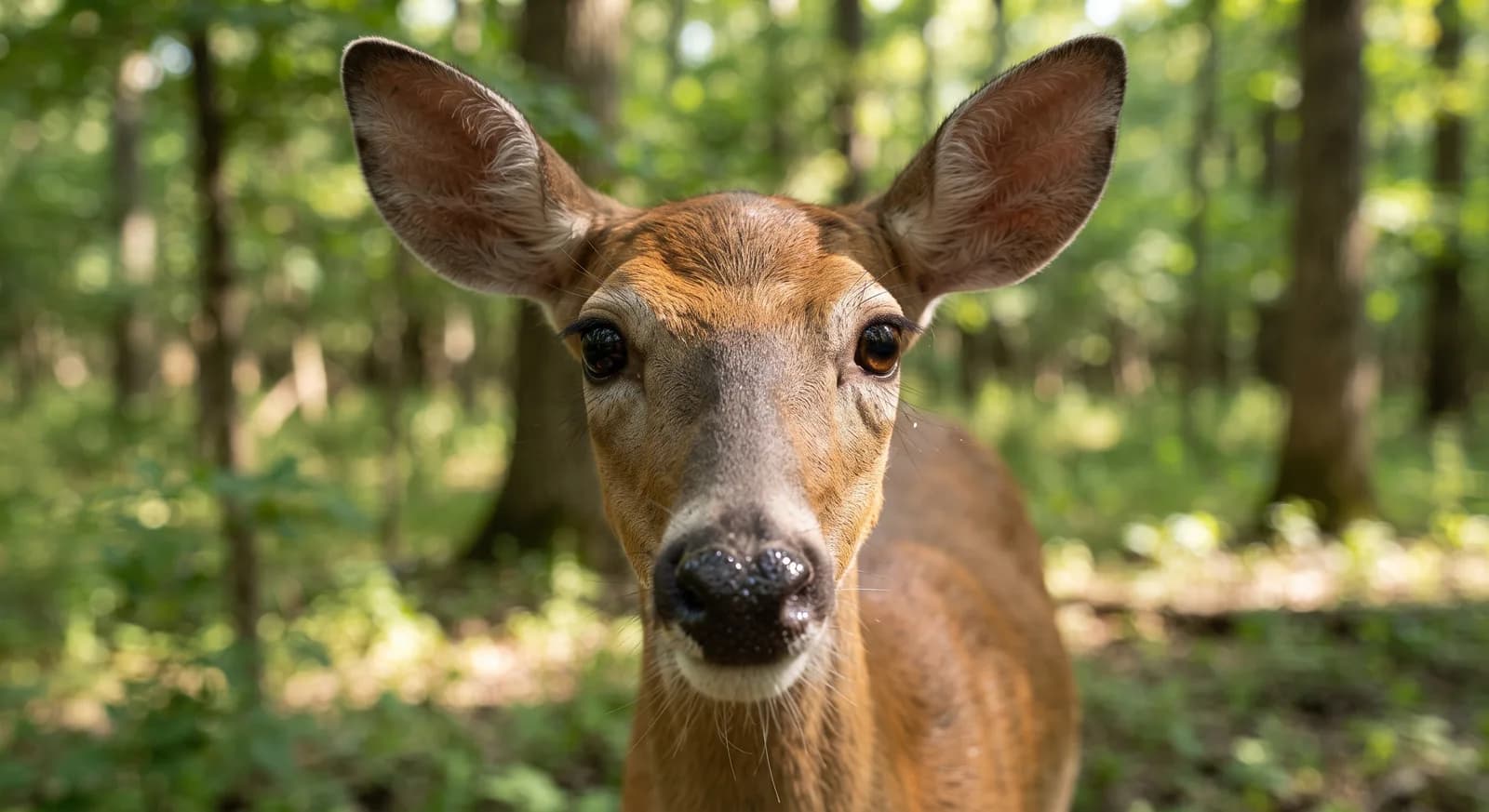 Least Concern
White-Tailed Deer
Odocoileus virginianus
Keep exploring
Based on what we already know about giant ground sloth.
Comments
Share an experience, a fun fact or a tip for seeing the giant ground sloth.
Be the first to comment.