One of the 3 peccaries on WAnimals
Mammals · Artiodactyla · Tayassuidae
Chacoan Peccary
Catagonus wagneri
It faces a very high risk of extinction in the wild in the near future. See full glossary
The Chacoan peccary — known in Spanish as pecarí del Chaco or taguá — is the largest of the peccaries and one of the most surprising zoological discoveries of the twentieth century: it was described in 1930 from fossils and was believed extinct until living populations were found in the Paraguayan Chaco in 1974. It is highly adapted to dry thorn forest: it eats cactus, whose spines it strips by rolling the plants along the ground with its snout, and its kidneys process the acid in them. It lives in small groups and depends on a habitat that is being cleared at great speed.
Weight
30 kg – 43 kg
Size
96 cm – 1.2 m
Lifespan
9 years
Diet
Herbivore
Feeds mainly on plants.
Activity
Diurnal
Active mainly during the day.
Social structure
Herd
Lives in large groups as a strategy against predators.
Sighting difficulty
Hard
Fun facts
- GeneralIt was described as a living species in 1975, having been known only from fossils.
- It was described as a fossil species in 1930 and given up for extinct until living animals were found in the Paraguayan Chaco in 1974: it is one of the great rediscoveries of modern zoology.
- It eats cactus and, before swallowing, rolls the pads along the ground with its snout to strip off the spines; its kidneys are specially adapted to process the oxalic acid in those plants.
Life cycle & biology
- Skeleton type
- Vertebrate - internal bony skeleton (mammal)
- Habitat & environment
- Dry thorn forest of the Gran Chaco, with cacti and bromeliads, in Paraguay, Bolivia and Argentina
- Size at birth
- Precocial: on its feet within half an hour, although it stays hidden for the first few weeks
- Sexual maturity
- 3 years
- Gestation / incubation
- 5 months
- Litter / clutch size
- 2.4 (average)
Sources consulted: https://es.wikipedia.org/wiki/Catagonus_wagneri
Where to find it
See its range on the interactive mapBest time: All year round in the Gran Chaco of Paraguay, Bolivia and Argentina, mostly in the morning; it is very wary and hard to watch.
Where to watch it
Parks and dive sites where this species has been documented.
Related species
Other species in the catalogue with the most in common with Chacoan Peccary — same habitat, park, country, tags or family.
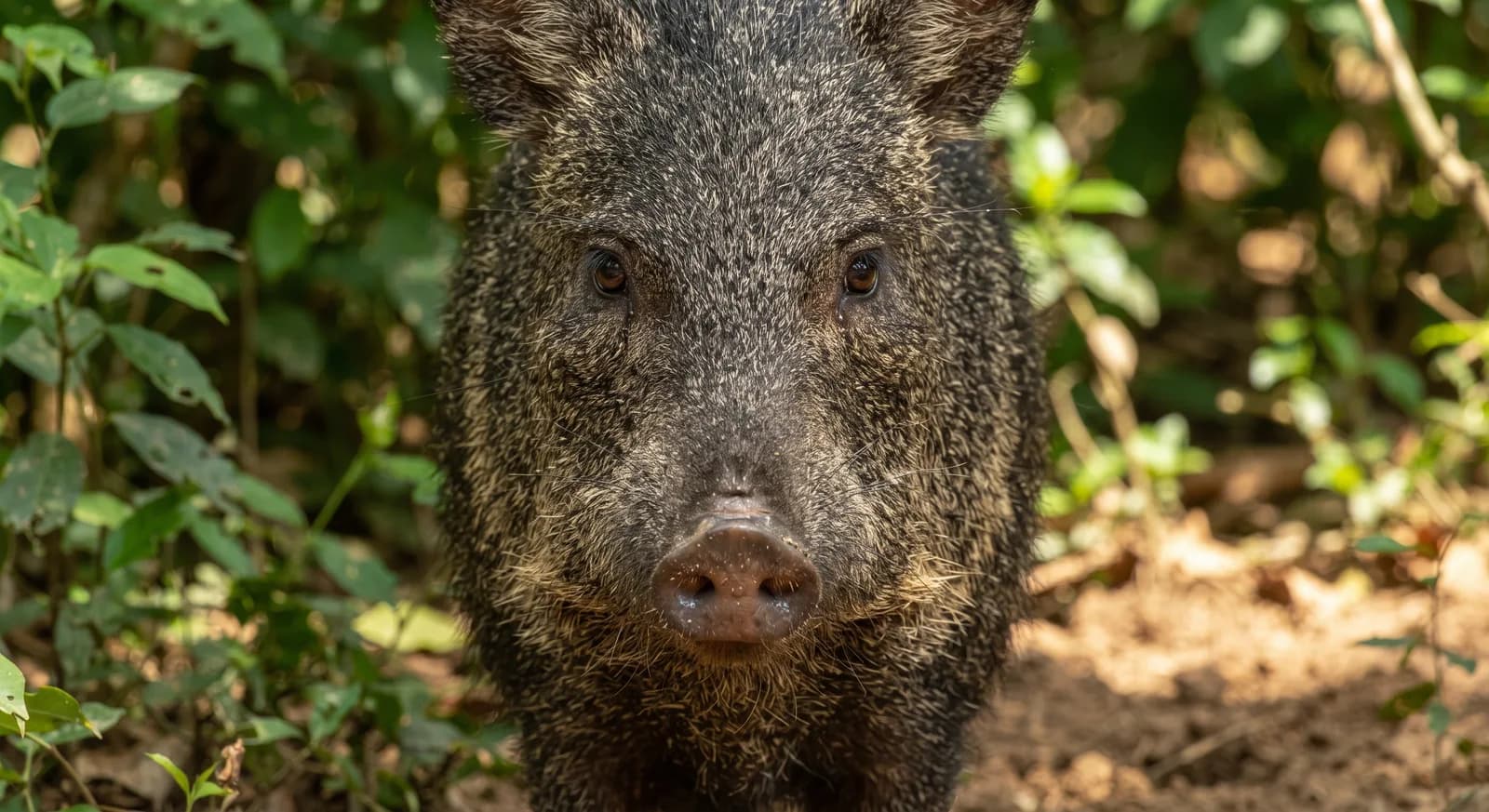 Least Concern
Collared Peccary
Pecari tajacu
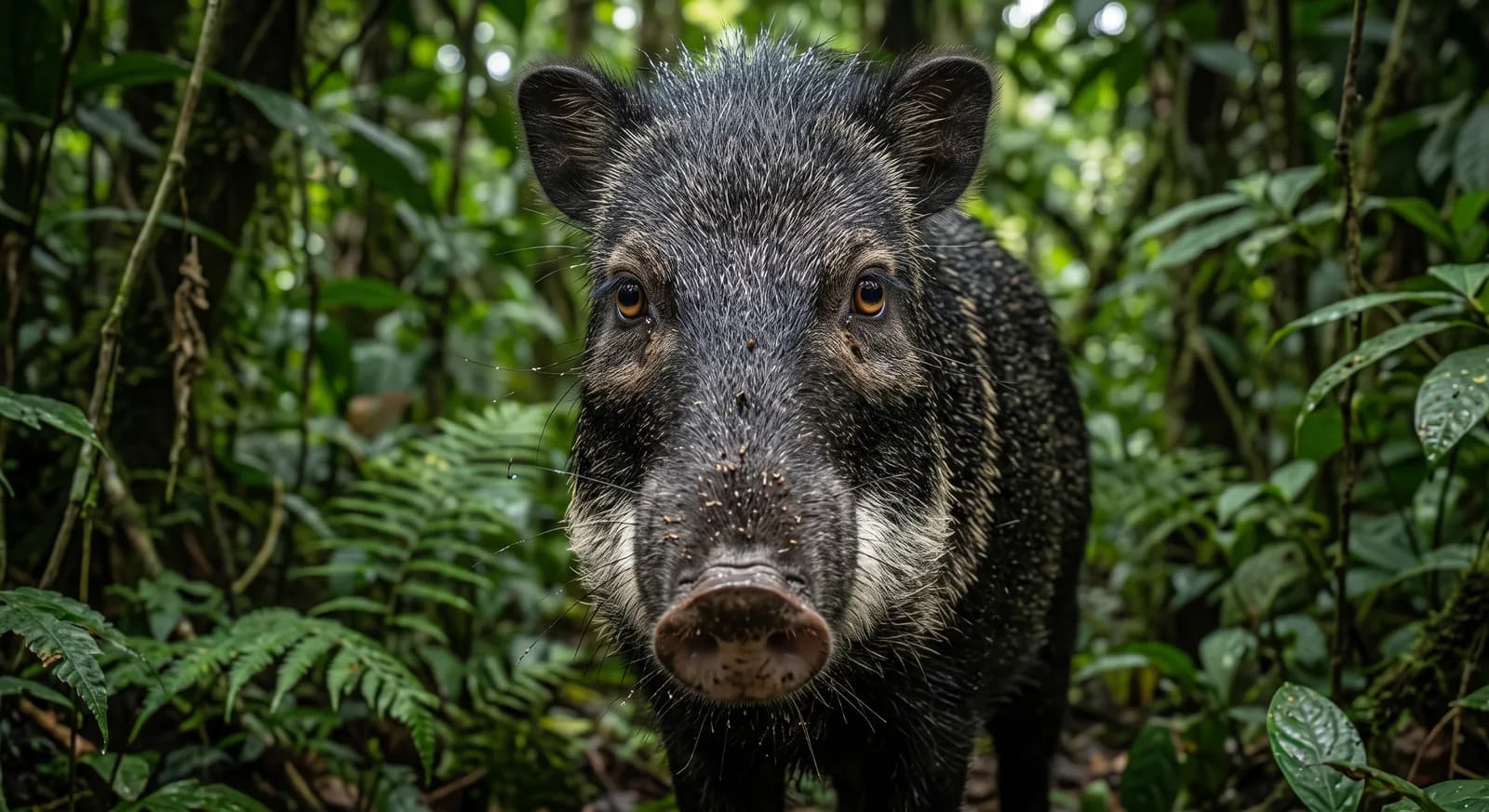 Vulnerable
White-Lipped Peccary
Tayassu pecari
Yellow Cardinal
Gubernatrix cristata
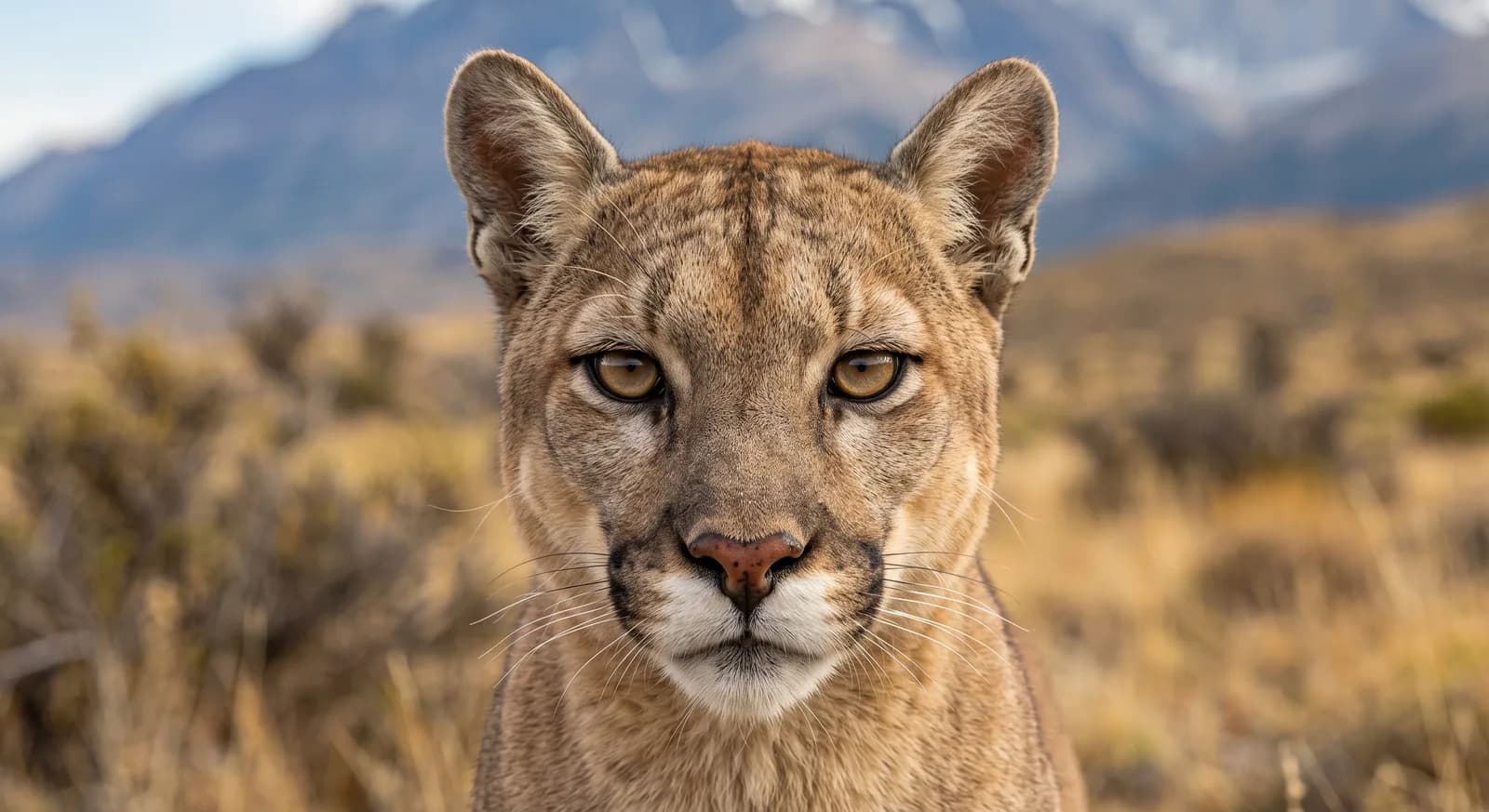 Least Concern
Puma
Puma concolor
Geoffroy's Cat
Leopardus geoffroyi
How to help
The chacoan peccary is classified as endangered. Organizations such as UICN, WWF y Wildlife Conservation Society work specifically on its conservation and that of its habitat; looking into their programs is a good starting point if you want to get involved.
It's documented in 3 real protected areas — part of why protecting these places matters for its conservation.
Keep exploring
Based on what we already know about chacoan peccary.
Comments
Share an experience, a fun fact or a tip for seeing the chacoan peccary.
Be the first to comment.