Bony fish · Perciformes · Gobiidae
Atlantic Mudskipper
Periophthalmus barbarus
It has not yet been assessed against the IUCN criteria. See full glossary
The Atlantic mudskipper is a fish of the family Gobiidae in the order Perciformes, native to the fresh, marine and brackish waters of the tropical Atlantic coasts of Africa, including most of the nearby islands. The Greek scientific name Periophthalmus barbarus refers to the eyes that give the fish a wide field of vision. It is a member of the genus Periophthalmus, which includes oxudercine gobies that have a row of canine-like teeth.
Size
10 cm – 25 cm
Lifespan
5 years
Diet
Carnivore
Feeds mainly on other animals.
Activity
Diurnal
Active mainly during the day.
Social structure
Colony
Lives in large concentrations, often for breeding reasons.
Sighting difficulty
Unknown
Fun facts
- It breathes through its skin and through the lining of its mouth and throat, as long as they stay moist, and carries water in its gill chambers as a portable reserve.
- Its bulging, independently mobile eyes retract into its head to be moistened, a blink without eyelids.
- It digs burrows in the mud in which it traps a bubble of air, which lets the eggs develop in a setting with no dissolved oxygen.
- It is the only mudskipper in the Atlantic: all the rest of the genus lives in the Indo-Pacific.
- It feeds on land, and that is a difficult physical problem. It solves it by carrying water in its mouth: it compresses the mouth cavity to expel the water over the prey and then sucks it back in, swallowing the animal together with the water in a single movement.
- It props itself on its strong, muscular pectoral fins to lower its head and place its mouth over the prey.
- Its eyes sit high on the head, close together and protruding, giving it an enormous field of vision out of the water. The genus name comes from the Greek peri, around, and ophthalmos, eye.
- It digs burrows in the mud that serve as a refuge at high tide and as a nest.
- It has been studied as a model for the sea-to-land transition made by the first tetrapods in the Devonian.
Life cycle & biology
- Skeleton type
- Vertebrate - internal bony skeleton (fish)
- Habitat & environment
- Intertidal mudflats and mangroves of the Atlantic coast of West Africa
- Sexual maturity
- Females at around 10.2 cm and males at around 10.8
Sources consulted: https://es.wikipedia.org/wiki/Periophthalmus_barbarus
Where to find it
See its range on the interactive mapWhere to watch it
Parks and dive sites where this species has been documented.
Related species
Other species in the catalogue with the most in common with Atlantic Mudskipper — same habitat, park, country, tags or family.
Sandwich Tern
Thalasseus sandvicensis
Royal Tern
Thalasseus maximus
Little Tern
Sternula albifrons
 Least Concern
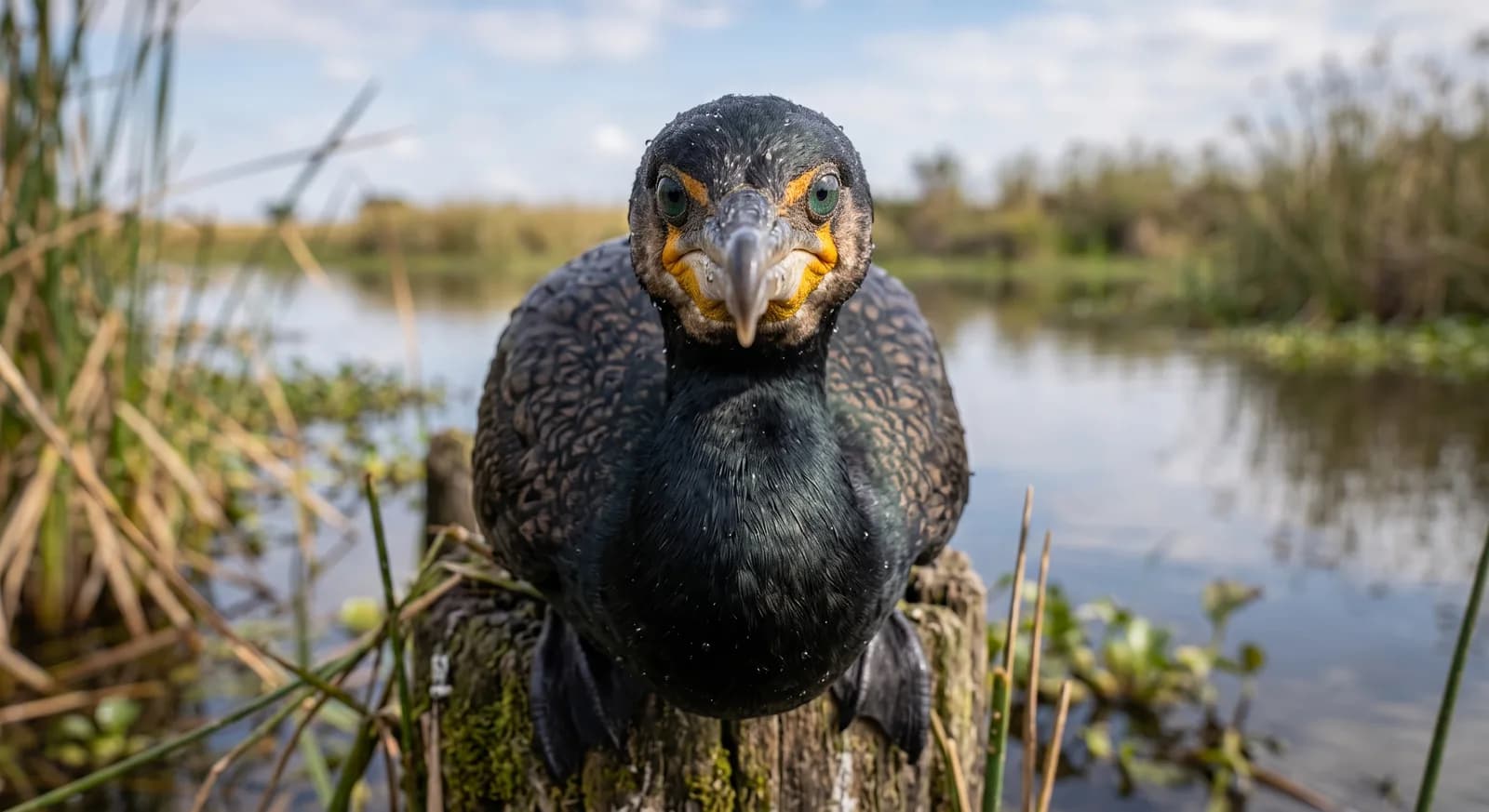
Long-tailed Cormorant
Microcarbo africanus
Black-winged Stilt
Himantopus himantopus
 Near Threatened
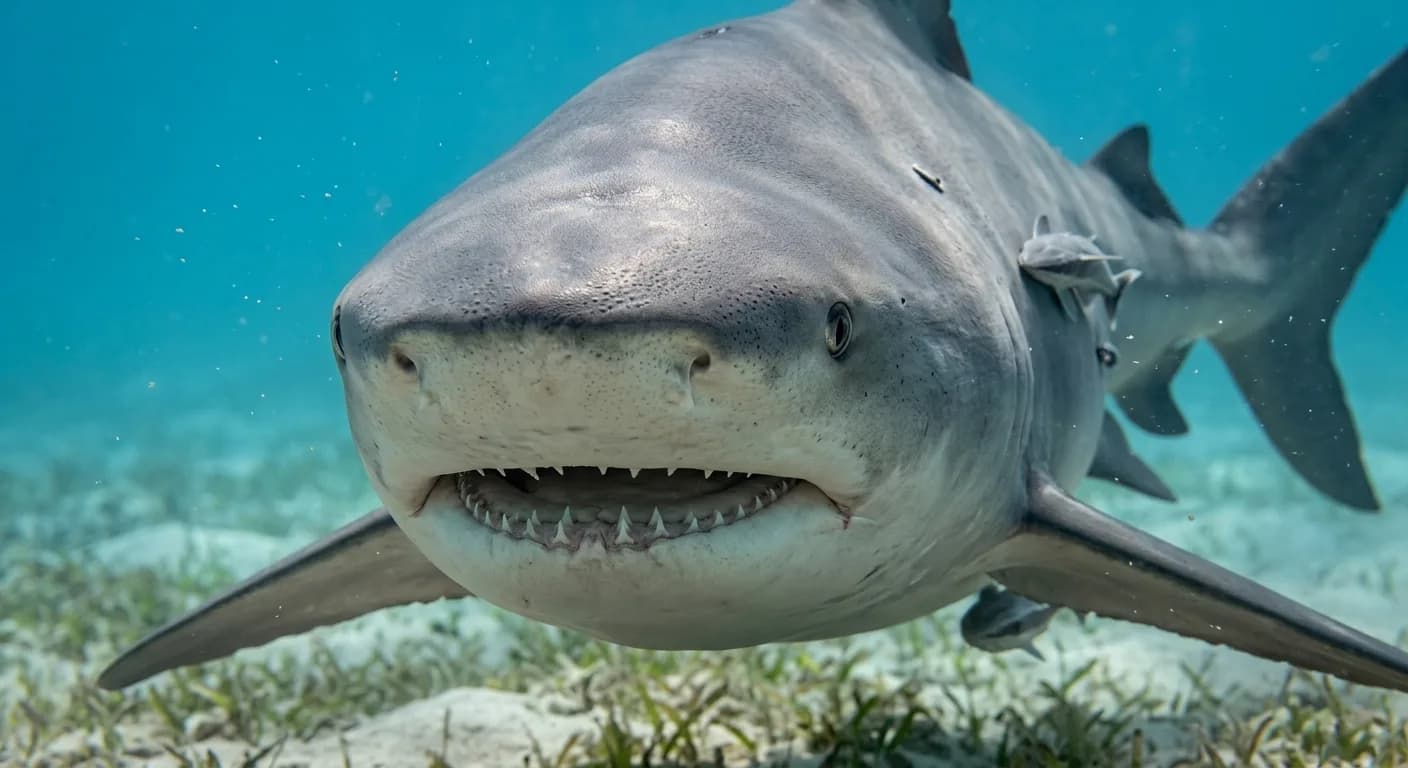
Bull Shark
Carcharhinus leucas
Keep exploring
Based on what we already know about atlantic mudskipper.
Comments
Share an experience, a fun fact or a tip for seeing the atlantic mudskipper.
Be the first to comment.