One of the 2 cuttlefishes on WAnimals
Cephalopods · Sepiida · Sepiidae
Flamboyant Cuttlefish
Metasepia pfefferi
There is not enough information to assess its risk of extinction. See full glossary
Size
up to 8 cm
Diet
Carnivore
Feeds mainly on other animals.
Activity
Diurnal
Active mainly during the day.
Social structure
Solitary
Lives and hunts alone, joining others only to breed.
Sighting difficulty
Unknown
Fun facts
- GeneralIt walks the bottom on its arms and flashes colour as a warning that it is toxic.
- comportamientoIt can walk across the sea floor using two of its arms as legs rather than swimming, all the while flashing bright warning colours that signal how toxic it is.
- It walks rather than swims. Its cuttlebone is too small to give it lasting buoyancy, so it moves across the bottom on two arms and two lobes of its mantle.
- Disturbed, it sends waves of purple, red, yellow and white rippling across its body, an aposematic warning that matches what follows.
- Its flesh is toxic. It was found to contain a lethal compound distinct from tetrodotoxin, and it is the only cuttlefish known to be toxic in this way.
- It hunts by shooting out its feeding tentacles in milliseconds, like other cuttlefish, and its prey are crustaceans and small fish.
- It is active by day, which is unusual among cuttlefish.
Life cycle & biology
- Habitat & environment
- Shallow sandy and muddy bottoms
Sources consulted: https://es.wikipedia.org/wiki/Ascarosepion_pfefferi
Where to find it
See its range on the interactive mapWhere to watch it
Parques y spots de buceo donde se ha documentado esta especie — se muestran 19 de 28 documentados.
Related species
Other species in the catalogue with the most in common with Flamboyant Cuttlefish — same habitat, park, country, tags or family.
Blacktip Reef Shark
Carcharhinus melanopterus
 Critically Endangered
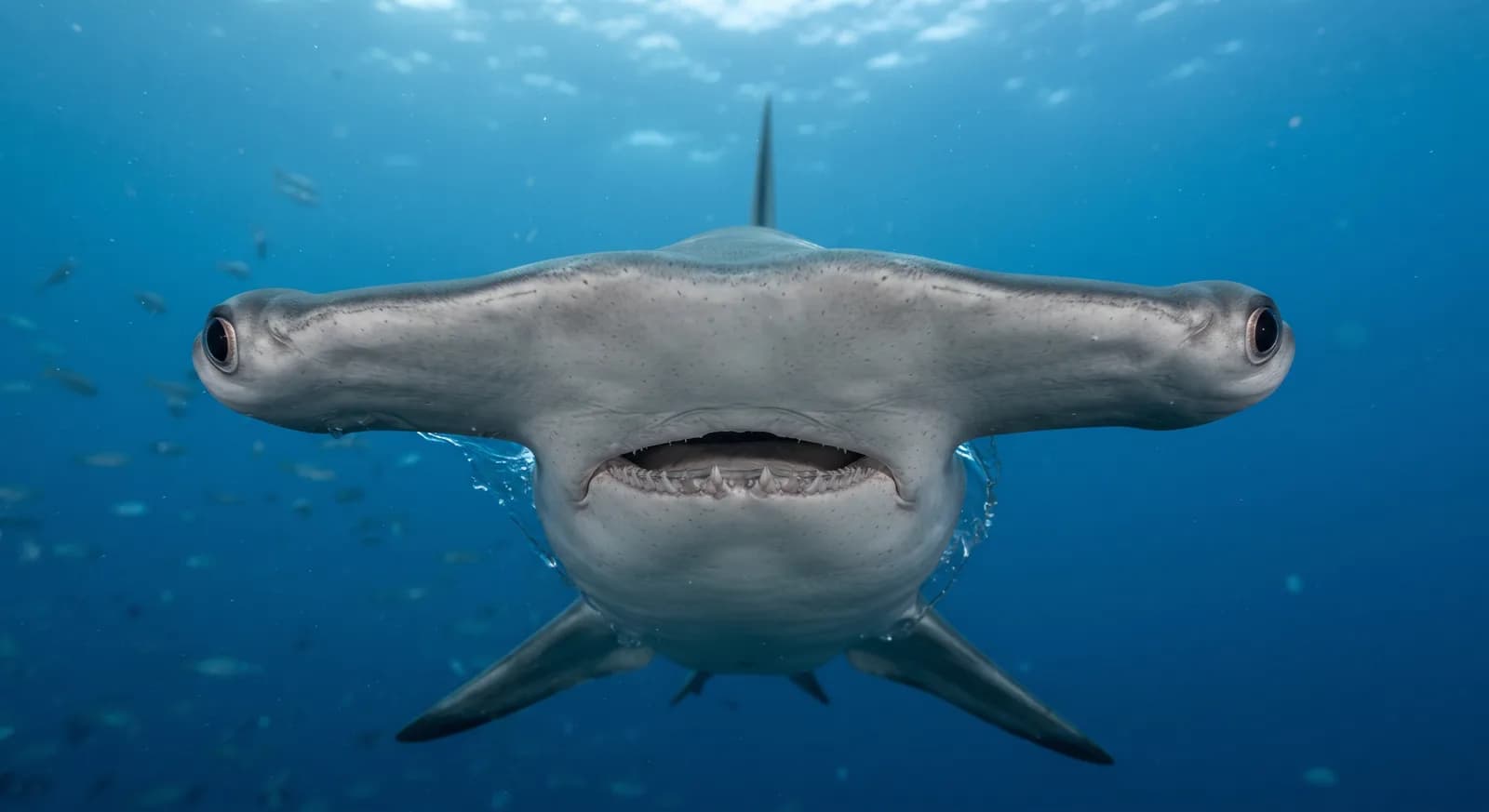
Great Hammerhead
Sphyrna mokarran
White-spotted Puffer
Arothron hispidus
Clown Triggerfish
Balistoides conspicillum
Peacock Mantis Shrimp
Odontodactylus scyllarus
Geography Cone
Conus geographus
Keep exploring
Based on what we already know about flamboyant cuttlefish.
Comments
Share an experience, a fun fact or a tip for seeing the flamboyant cuttlefish.
Be the first to comment.