Solomon Islands
Oceanía
The Solomon Islands form a double chain of volcanic islands and atolls in the middle of the Coral Triangle, covered by dense tropical rainforest and ringed by reefs that are among the most diverse on the planet. Marovo lagoon, closed off by a barrier of elongated islands, is the largest saltwater lagoon in the world. The isolation of each island has generated an extremely high level of endemism, above all in birds, bats and reptiles, with species that exist on a single island of the archipelago. The lowland forests are being felled at speed for timber export, which makes community land conservation, in a country where the land belongs almost entirely to the clans, the decisive tool.
The nature of Solomon Islands
National animal: No official national animal; the frigatebird appears on the state coat of arms
Did you know?
The Solomon Islands prehensile-tailed skink is the largest lizard in its family and breaks almost every rule of its group: it is entirely herbivorous, climbs trees gripping with its tail like a monkey, lays no eggs but gives birth to live and very well-developed young, and lives in stable family groups that defend their territory together, a social behaviour extremely rare among reptiles.
Biodiversity profile
Climate
- •Tropical de selva lluviosa (Af), calido y humedo todo el año
Main biomes
- •Selva tropical densa (gran parte del territorio permanece boscoso)
- •Manglares extensos
- •Bosque montano en islas de mayor altitud
- •Selva tropical insular
- •Laguna coralina
- •Arrecife del Triángulo de Coral
- •Manglar costero
- •Isla volcánica
- •Bosque de montaña
- •Playa de puesta de tortugas
Marine and coastal ecosystems
- •Parte del Triangulo de Coral (mayor diversidad de corales del mundo)
- •Mas de 900 especies de peces de arrecife y 500 especies de coral registradas
- •6.750 km2 de arrecifes de coral (fringing, patch, barrera y atolon)
Flagship wildlife
- •Aguila marina de las Salomon
- •Paloma de Choiseul (en peligro critico, posiblemente extinta)
- •Cuscus
- •Loro eclectus
- •Escinco de cola prensil
- •Tortuga laúd
- •Dugongo
- •Cocodrilo marino
- •Zorro volador de las Salomón
- •Megápodo de Melanesia
- •Cacatúa de las Salomón
- •Delfín girador
- •Tortuga carey
- •Rata gigante de Vangunu
Notable endemic species
- •Mas de 60 especies de aves endemicas
- •Mas de 4.500 especies de plantas, con alto grado de endemismo
- •Escinco de cola prensil
- •Rata gigante de Vangunu
- •Cacatúa de las Salomón
- •Rana gigante de las Salomón
Notable threatened species
- •Paloma de Choiseul (En Peligro Critico, posiblemente extinta - no confirmada desde hace decadas)
- •Aguila marina de las Salomon (Vulnerable)
Notable protected areas
- •Paisaje marino central (Central Seascape, priorizado por su resiliencia climatica y potencial regenerador de corales)
- •Red de areas marinas gestionadas por comunidades locales
- •Laguna de Marovo
- •Área de Conservación de Arnavon
- •Isla de Tetepare
- •Lago Tegano en Rennell
- •Isla de Vangunu
- •Bahía de Marau
Main conservation threats
- •Deforestacion y tala comercial
- •Cambio climatico (blanqueamiento coralino, ya con perdida documentada de cobertura coralina)
- •Sobrepesca
- •Capacidad limitada de comunidades locales para gestion a largo plazo pese a ser propietarias consuetudinarias de arrecifes y manglares
Notable natural phenomena
- •Eventos de blanqueamiento coralino global con impacto documentado localmente
- •Alta actividad sismica y volcanica (arco insular del Pacifico)
Conservation
East Rennell, with the largest island lake in the Pacific, is a World Heritage Site and is on the list of sites in danger because of logging and mining. The Vangunu giant rat, described in 2017 from a single specimen, was not photographed alive until 2023.
Where and when to watch wildlife
Marovo year-round for reefs and coastal birds. Arnavon between June and October for hawksbill turtle nesting. Tetepare at nightfall for forest wildlife and megapodes.
El estatus de la Paloma de Choiseul es incierto; distintas fuentes la listan como en peligro critico sin confirmacion reciente de avistamientos.
Sources: BioDB.com | WWF - The Solomon Islands | Wikipedia - Protected areas of Solomon Islands | Coral Triangle Initiative - State of the Coral Triangle report
Parks and reserves
East Rennell
The largest raised coral atoll in the world, managed entirely under the local people's customary system of land tenure
View parkProtected AreaRennell Este
The largest raised coral atoll in the world and the first natural property inscribed under customary ownership.
View parkDiving and snorkelling
Marovo Lagoon
One of the largest double barrier coral lagoons in the world, with local communities running the dive tourism.
View dive siteWreck/War reefMunda
A former Allied air base in the Second World War, with numerous aircraft sunk in the surrounding water.
View dive sitePinnacle/WreckSolomon Islands (Mary Island)
A little-visited archipelago with abundant Pacific War wrecks and pristine reefs.
View dive sitePaíses similares
¿A dónde más podría interesarme viajar?
Misma región: Oceanía
Misma región: Oceanía
Misma región: Oceanía
Misma región: Oceanía
Especies documentadas en Solomon Islands
144 species found
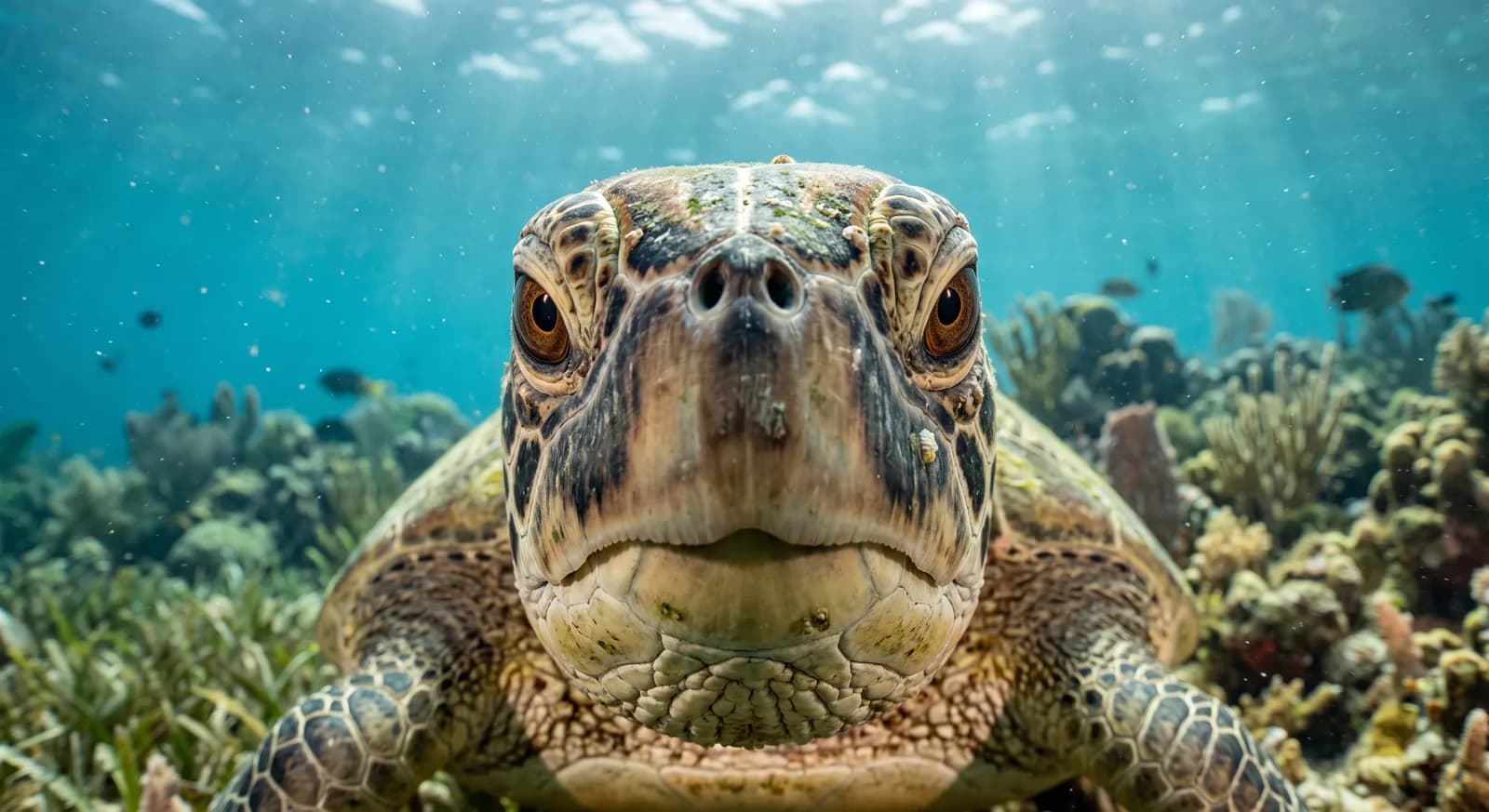 Endangered
Green Turtle
Chelonia mydas
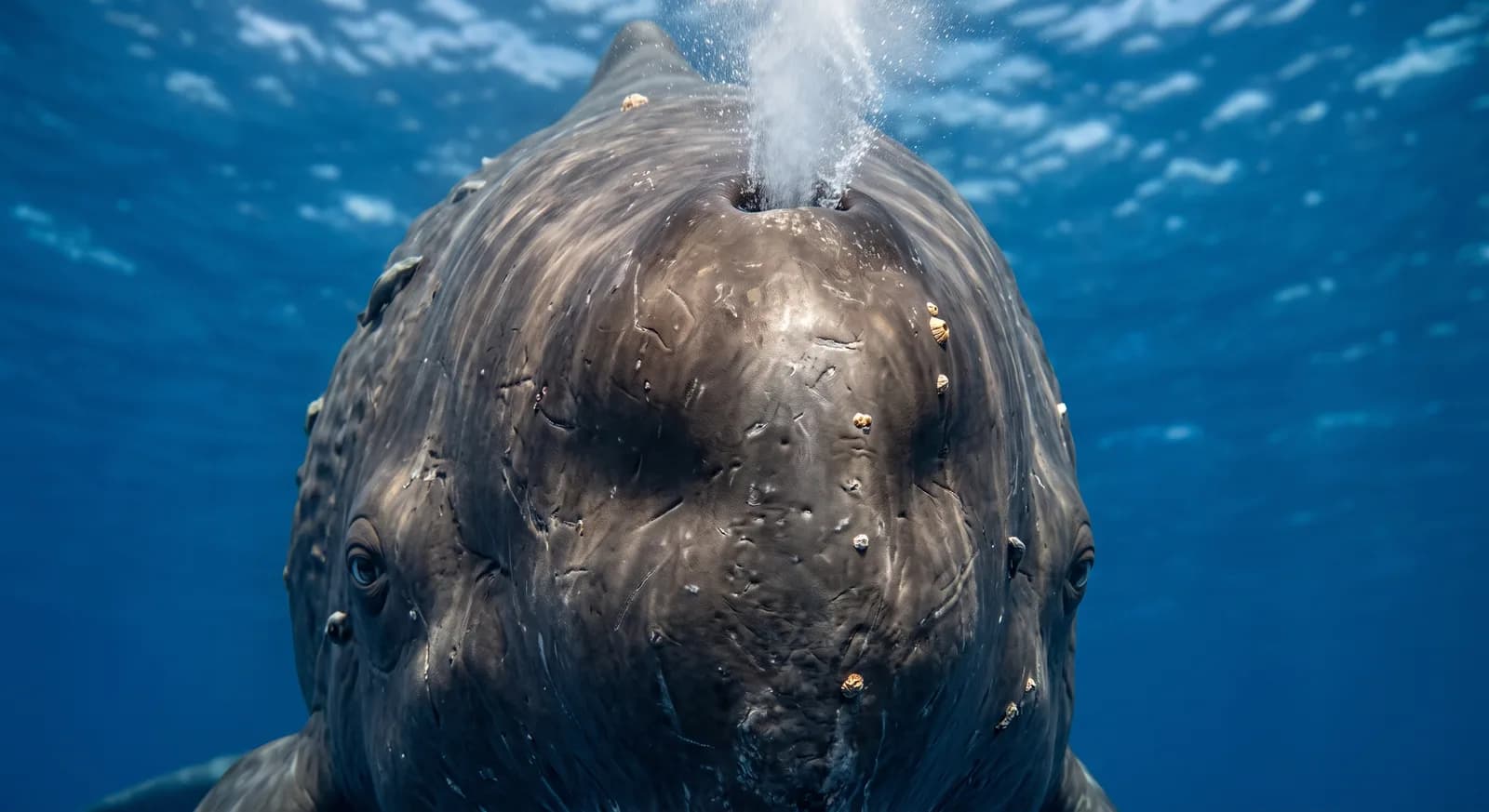 Vulnerable
Sperm Whale
Physeter macrocephalus
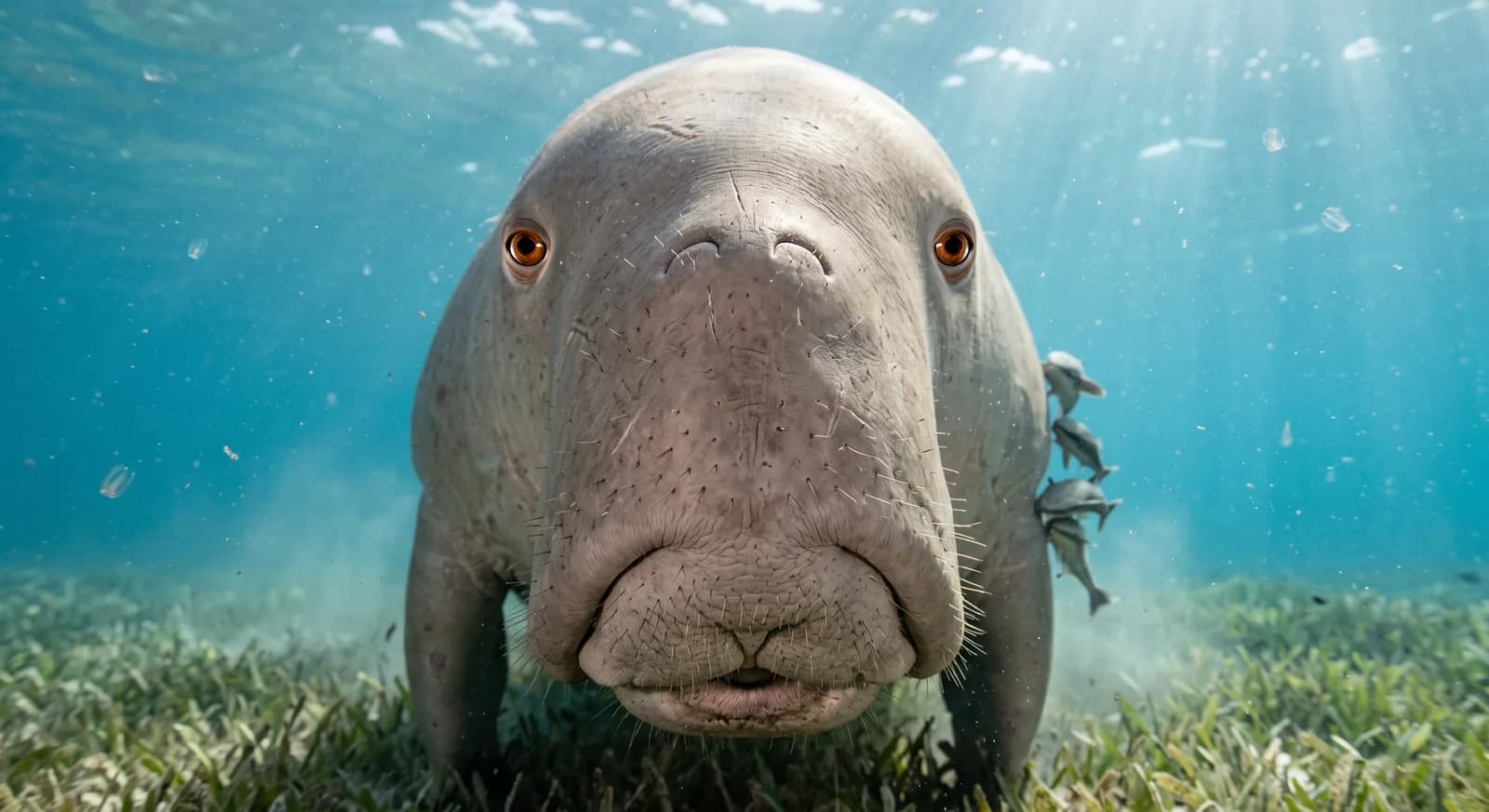 Vulnerable
Dugong
Dugong dugon
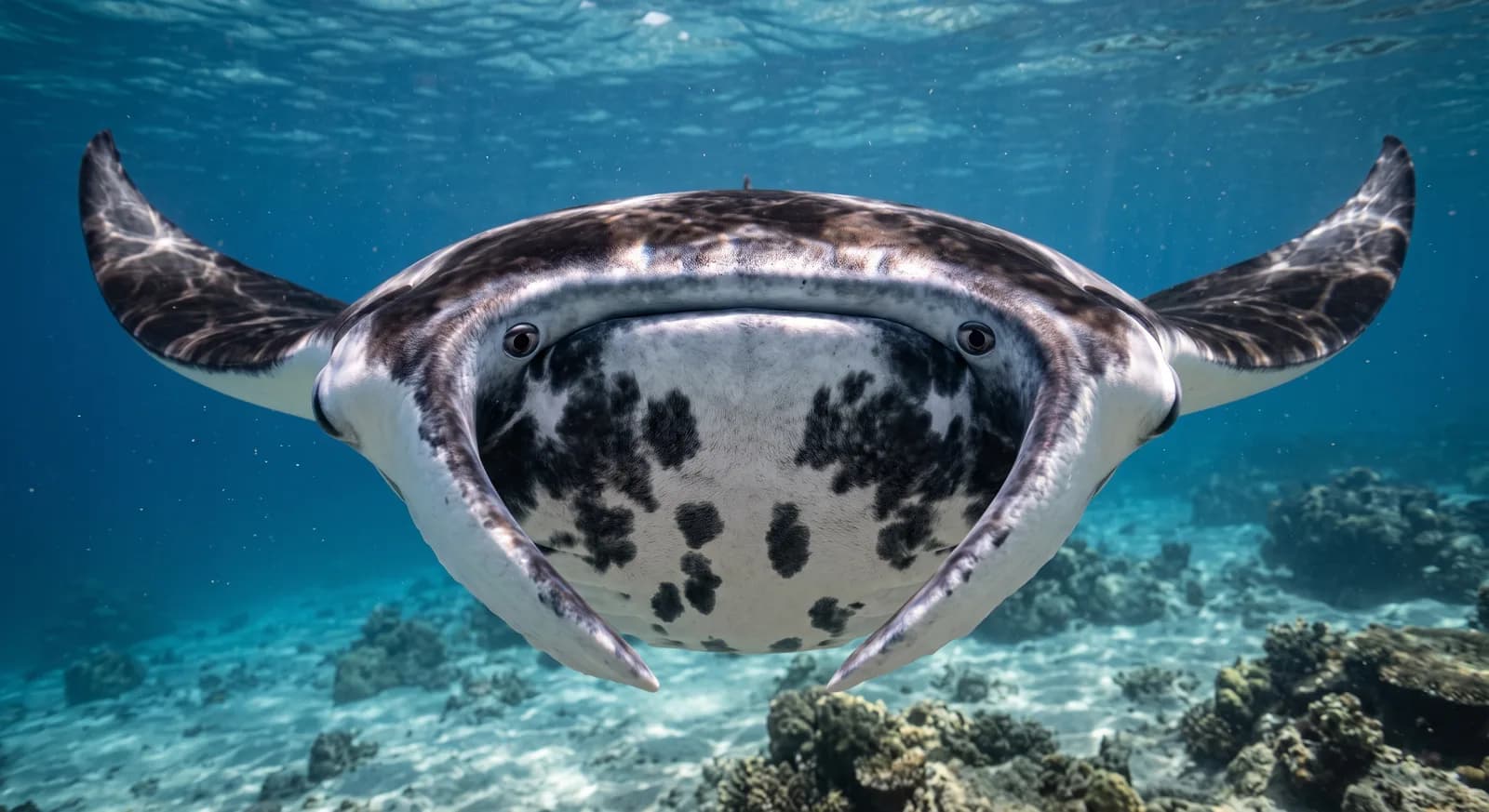 Vulnerable
Reef Manta Ray
Mobula alfredi
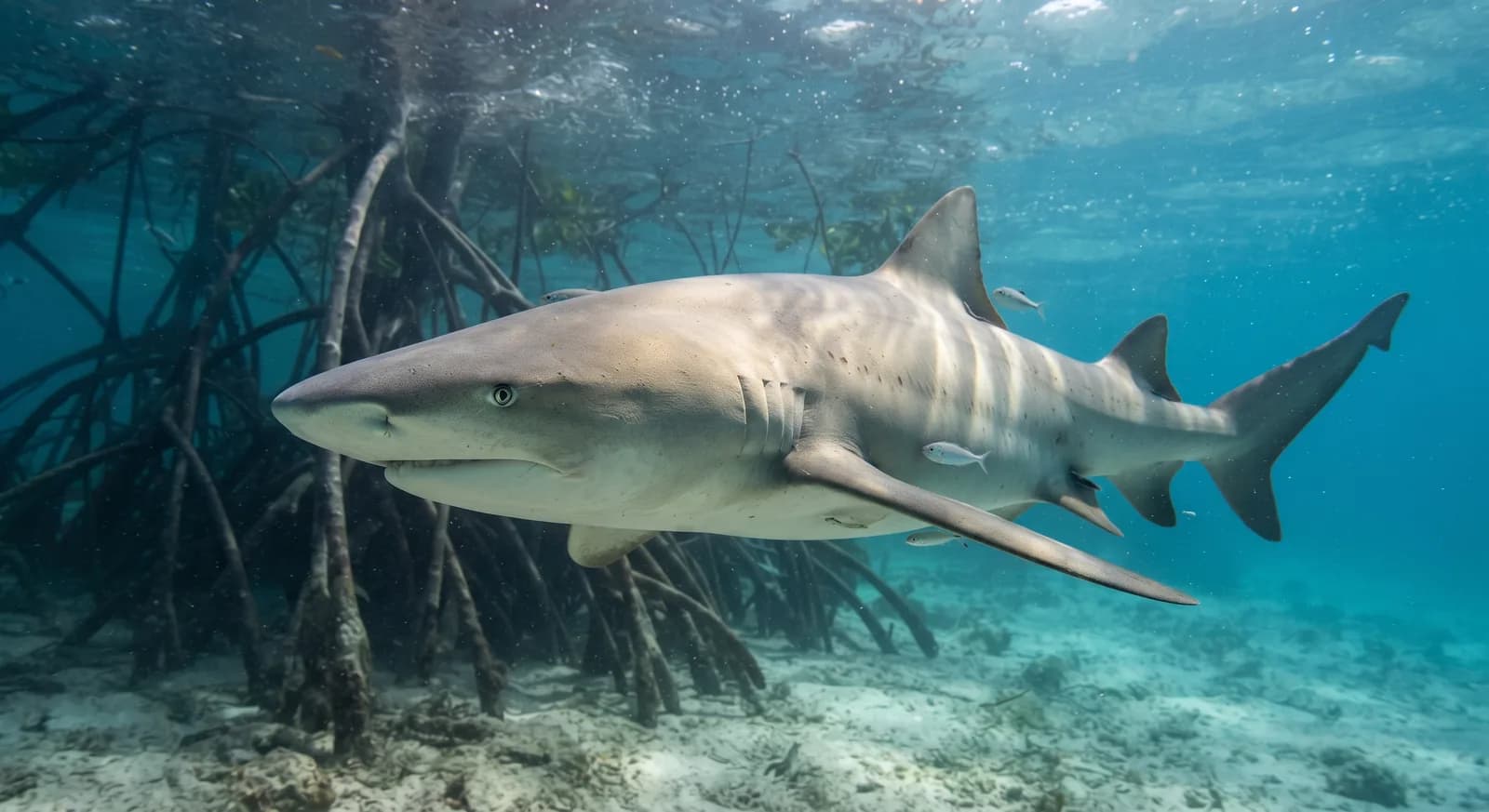 Vulnerable
Lemon Shark
Negaprion brevirostris
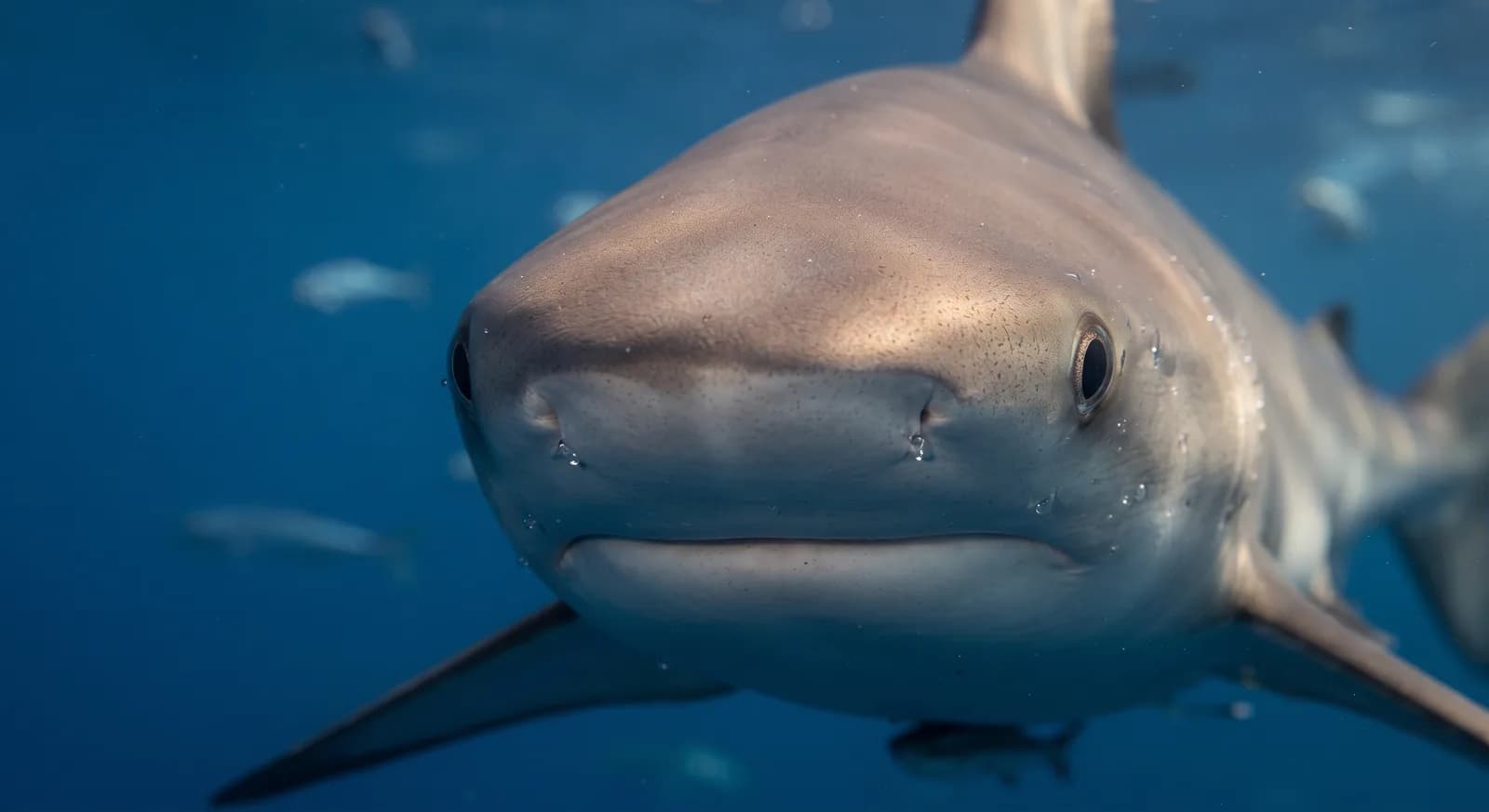 Vulnerable
Silky Shark
Carcharhinus falciformis
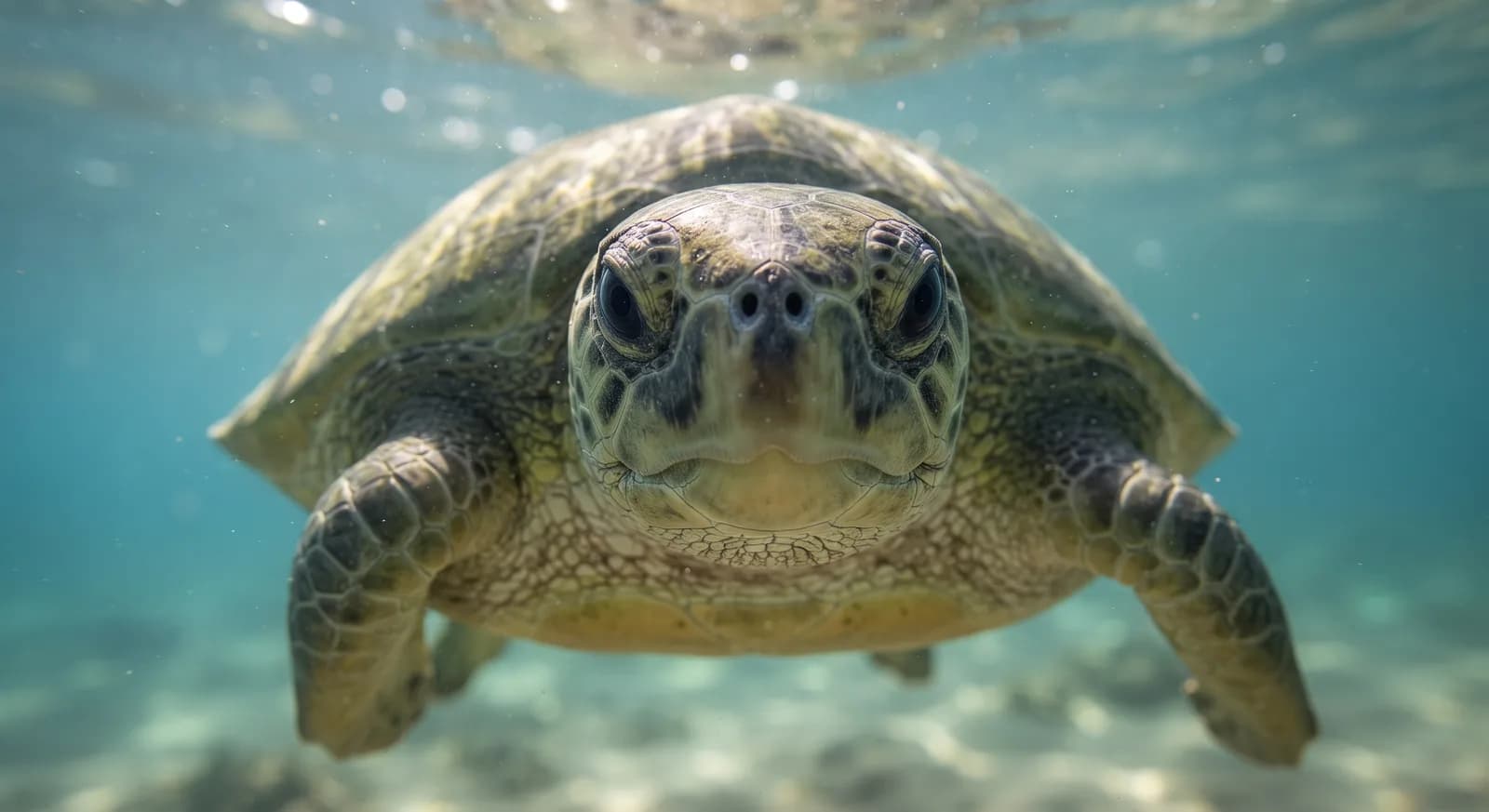 Vulnerable
Olive Ridley
Lepidochelys olivacea
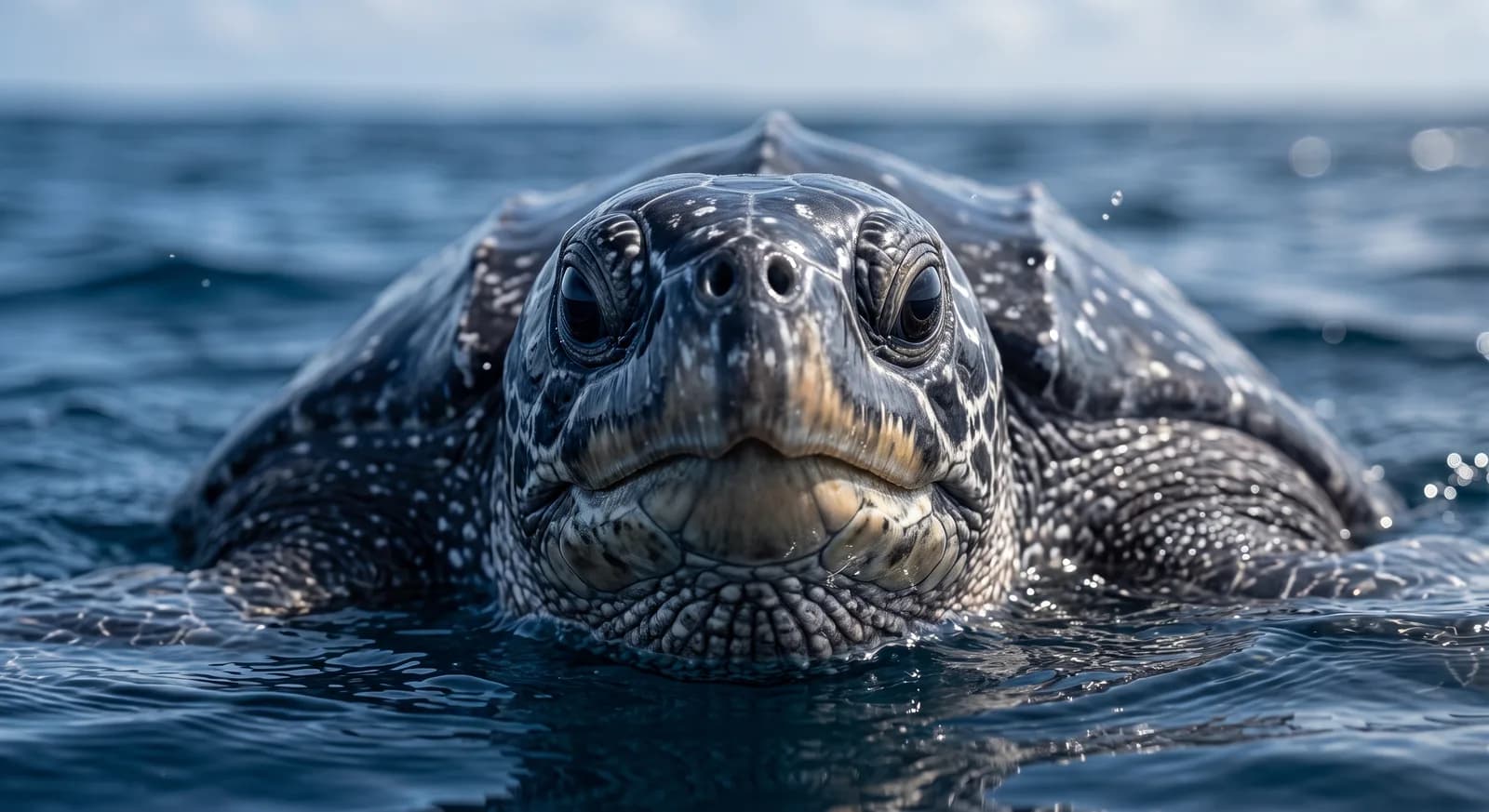 Vulnerable
Leatherback Sea Turtle
Dermochelys coriacea
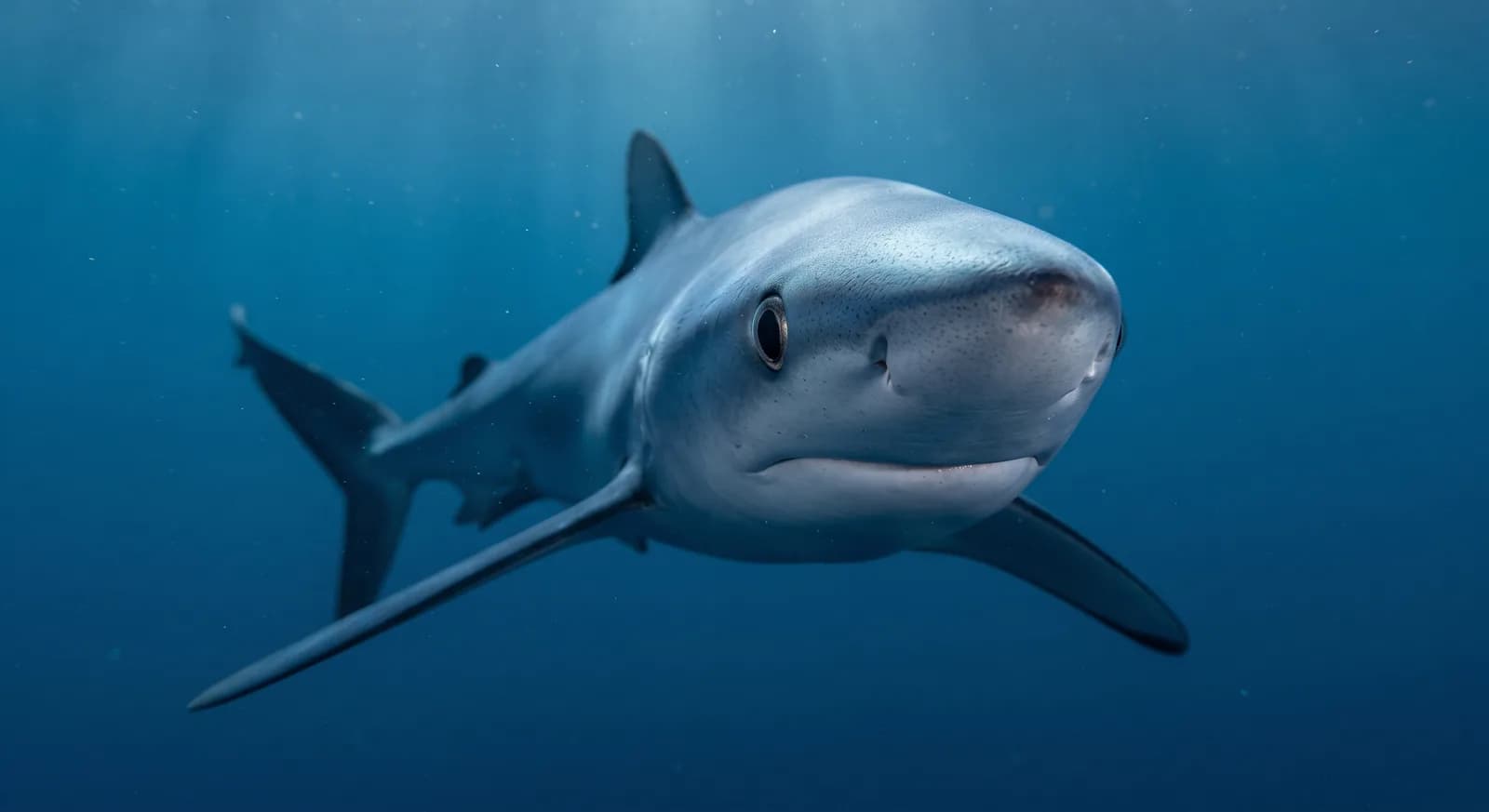 Near Threatened
Blue Shark
Prionace glauca
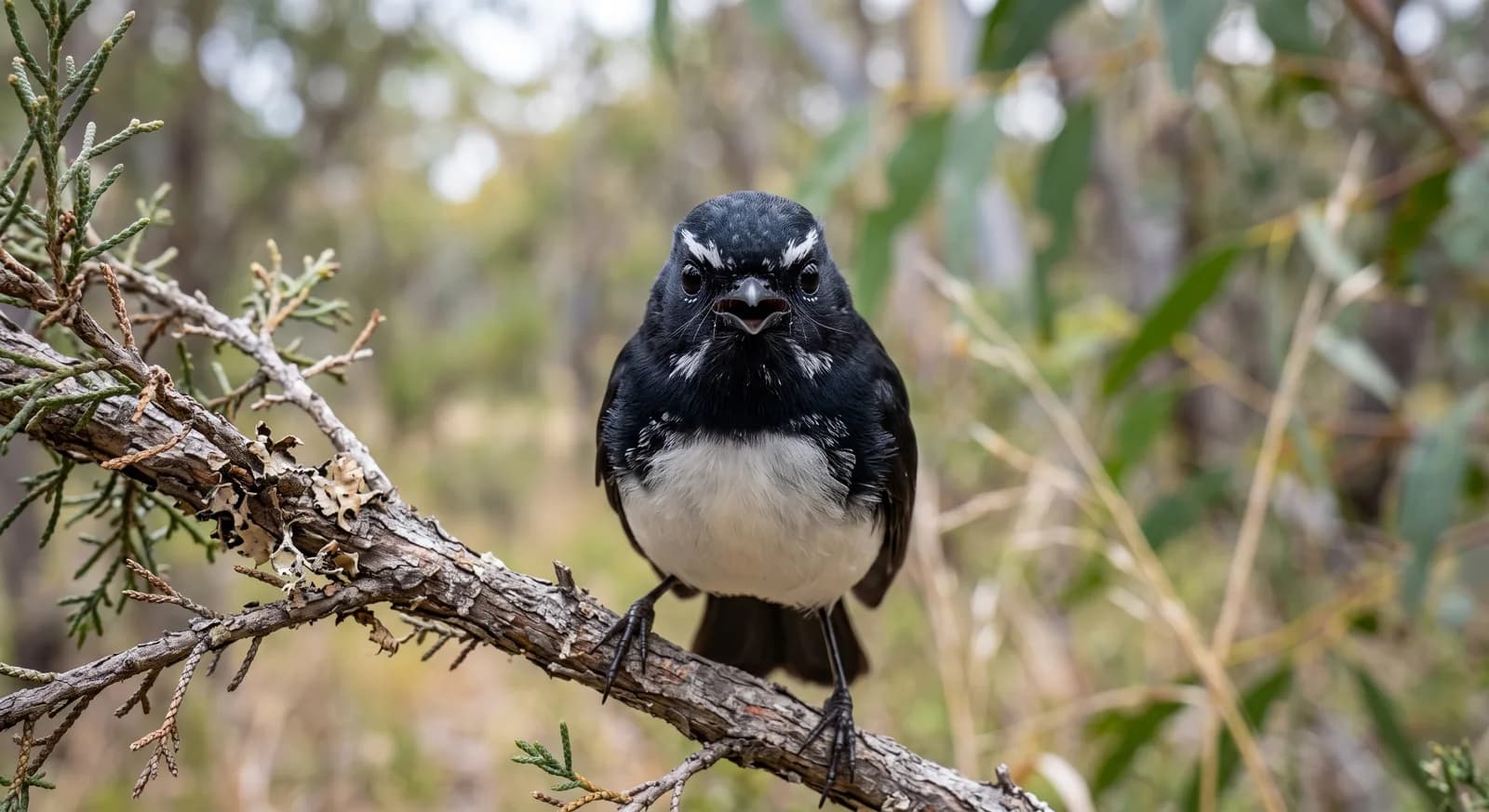 Least Concern
Willie Wagtail
Rhipidura leucophrys
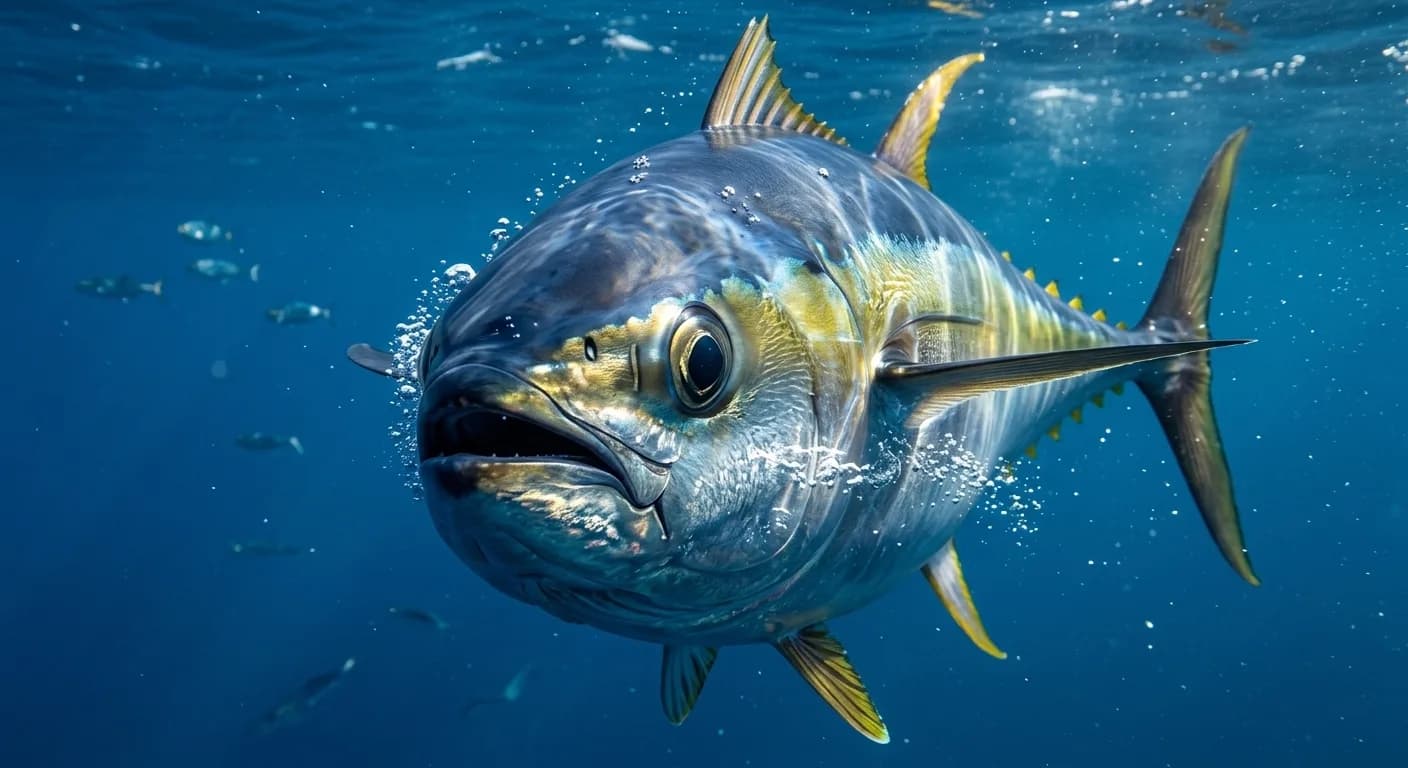 Least Concern
Yellowfin Tuna
Thunnus albacares
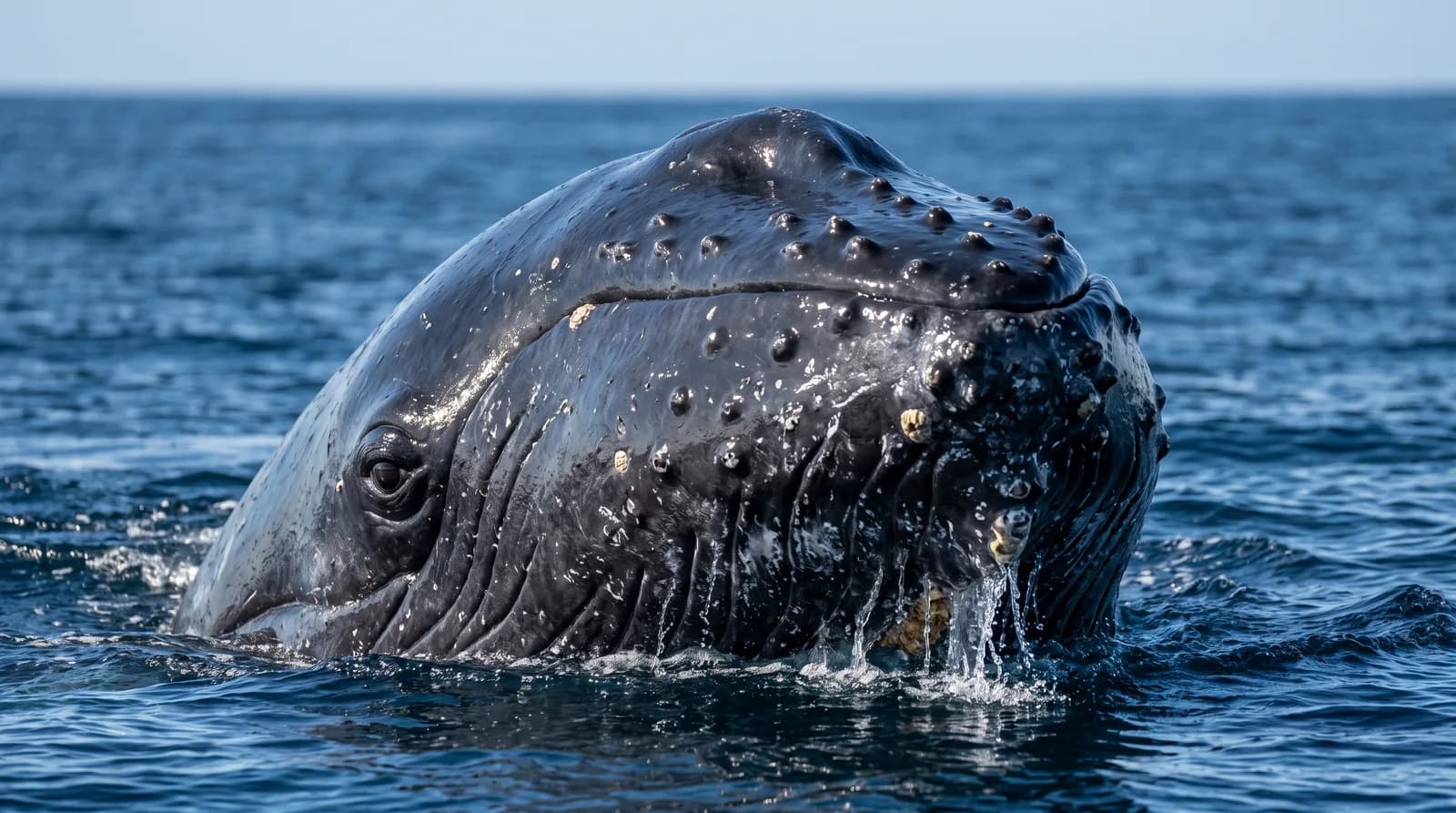 Least Concern
Humpback Whale
Megaptera novaeangliae
Keep exploring
Based on what we already know about Solomon Islands.