Yemen
Asia
Yemen is the wettest and most mountainous corner of the Arabian peninsula: the western highlands rise above three thousand metres and receive monsoon rains that have allowed a terraced agriculture more than two thousand years old and groves of juniper and acacia. To the east extends the Hadhramaut, with immense wadis that carry water only after storms, and to the north the sand of the Rub al-Khali. The country keeps relict populations of Arabian leopard, Nubian ibex, gazelles and hamadryas baboons. But its natural jewel lies more than three hundred kilometres off the coast: the Socotra archipelago, separated from the continent millions of years ago, has become one of the places with the highest proportion of exclusive species on the planet and an evolutionary laboratory comparable to those of the great oceanic islands.
The nature of Yemen
National animal: The Arabian leopard serves as the national emblematic animal
Did you know?
Socotra is so ancient and so isolated that close to a third of its plants and a good part of its reptiles exist nowhere else in the world. Its best known image is the dragon's blood tree, with a crown shaped like an inverted umbrella and red resin, but the island also holds exclusive birds such as the Socotra starling or the Socotra grosbeak, and a reptile community that is almost entirely endemic.
Biodiversity profile
Climate
- •Desertico calido (BWh) en la mayor parte del territorio continental
- •Clima de montaña mas humedo en las tierras altas del suroeste
- •Clima semiarido unico y estacionalmente nebuloso en Socotra
Main biomes
- •Desierto y semidesierto
- •Bosque montano nebuloso en las tierras altas (hotspot Afromontano Oriental)
- •Ecosistemas unicos y endemicos del archipielago de Socotra ("Galapagos del Oceano Indico")
- •Isla oceánica continental
- •Montaña monzónica de terrazas
- •Bosque de enebro de altitud
- •Wadi del Hadramaut
- •Desierto arenoso
- •Litoral del mar Arábigo
- •Meseta caliza
Marine and coastal ecosystems
- •Manglares y arrecifes de coral en el Mar Rojo y el Golfo de Aden
- •Laguna costera de Detwah (Socotra), humedal Ramsar clave para aves migratorias
Flagship wildlife
- •Arbol de sangre de dragon (icono de Socotra)
- •Leopardo de Arabia (Hawf, mayor bosque de la peninsula arabiga)
- •Iguana marina y terrestre de Socotra
- •Hiena rayada
- •Leopardo árabe
- •Íbice de Nubia
- •Babuino hamadríade
- •Gacela árabe
- •Cormorán de Socotra
- •Tortuga verde
- •Buitre egipcio
- •Dugongo
- •Lobo árabe
Notable endemic species
- •Socotra: 37% de su flora, 90% de sus reptiles y 95% de sus moluscos terrestres son endemicos, unicos en el mundo
- •8 especies de aves endemicas en las montañas del suroeste de Yemen, compartidas parcialmente con Saudi Arabia
- •El arbol de sangre de dragon, especie insignia endemica de Socotra
- •Árbol de sangre de dragón
- •Estornino de Socotra
- •Camachuelo de Socotra
- •Curruca de Socotra
- •Camaleón de Socotra
Notable threatened species
- •Leopardo de Arabia (En Peligro Critico, con poblacion relictual en el area protegida de Hawf)
- •Numerosas especies endemicas de Socotra vulnerables por su distribucion extremadamente restringida
Notable protected areas
- •Area Protegida del Archipielago de Socotra (Patrimonio Mundial UNESCO desde 2008, Reserva de la Biosfera desde 2003)
- •Area Protegida de Hawf (mayor bosque de la peninsula arabiga, frontera con Oman)
- •Archipiélago de Socotra
- •Meseta de Dixam
- •Playa de Detwah
- •Wadi Hadramaut
- •Montañas de Haraz
- •Isla de Abd al Kuri
Main conservation threats
- •Inestabilidad politica y conflicto que dificultan la gestion efectiva de areas protegidas
- •Sobrepastoreo y tala en tierras altas
- •Cambio climatico sobre los ecosistemas unicos y muy restringidos de Socotra
Notable natural phenomena
- •Socotra es reconocida como uno de los archipielagos con mayor concentracion de endemismo del planeta, comparable a las Galapagos
Conservation
Socotra is a World Heritage Site and is threatened by invasive species, by the overgrazing of goats that prevents the regeneration of its emblematic trees and by increasingly intense cyclones. The conflict has drastically reduced environmental management on the mainland.
Where and when to watch wildlife
Socotra between October and April, outside the windy season, for endemic flora and birds. The Detwah coast for seabirds and waders. The western mountains at dawn for baboons and ibex.
Sources: earth.org - Socotra Island Biodiversity Treasure | a-z-animals.com - Wildlife in Yemen | IUCN - Conservation Status Distribution Breeding Birds Arabia
Parks and reserves
Países similares
¿A dónde más podría interesarme viajar?
Misma región: Oriente Medio y Asia Occidental
Misma región: Oriente Medio y Asia Occidental
Misma región: Oriente Medio y Asia Occidental
Misma región: Oriente Medio y Asia Occidental
Especies documentadas en Yemen
199 species found
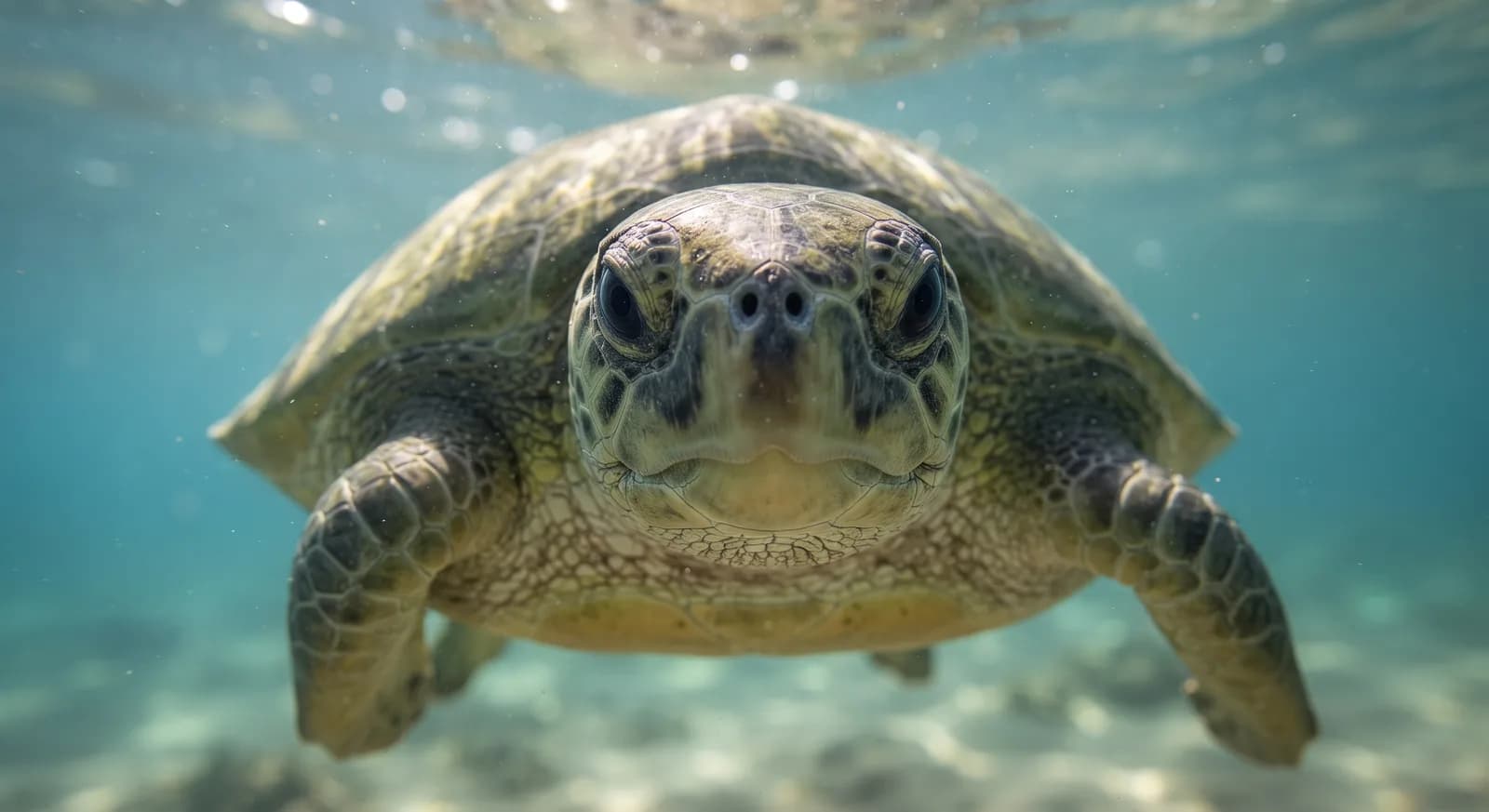 Vulnerable
Olive Ridley
Lepidochelys olivacea
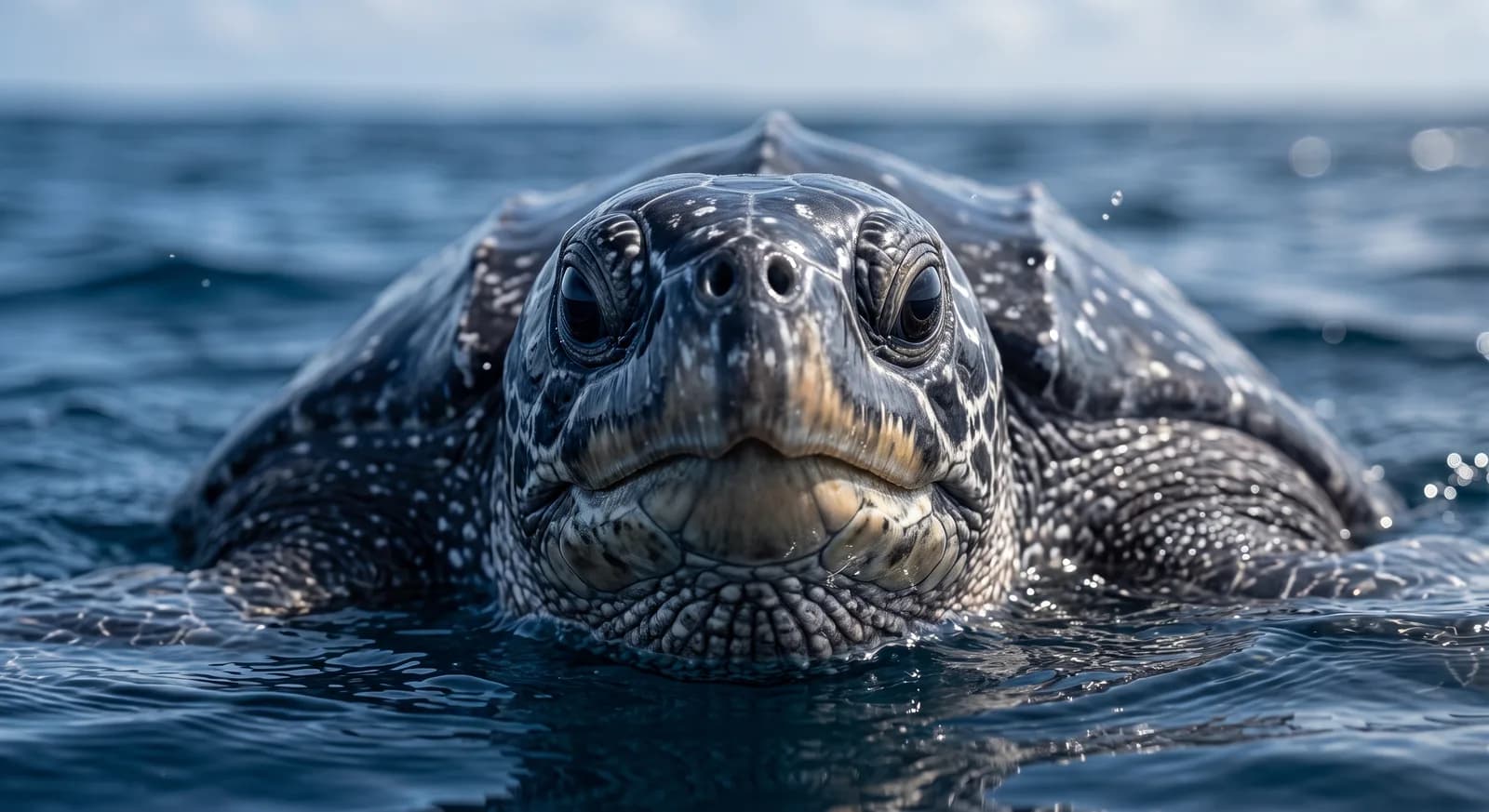 Vulnerable
Leatherback Sea Turtle
Dermochelys coriacea
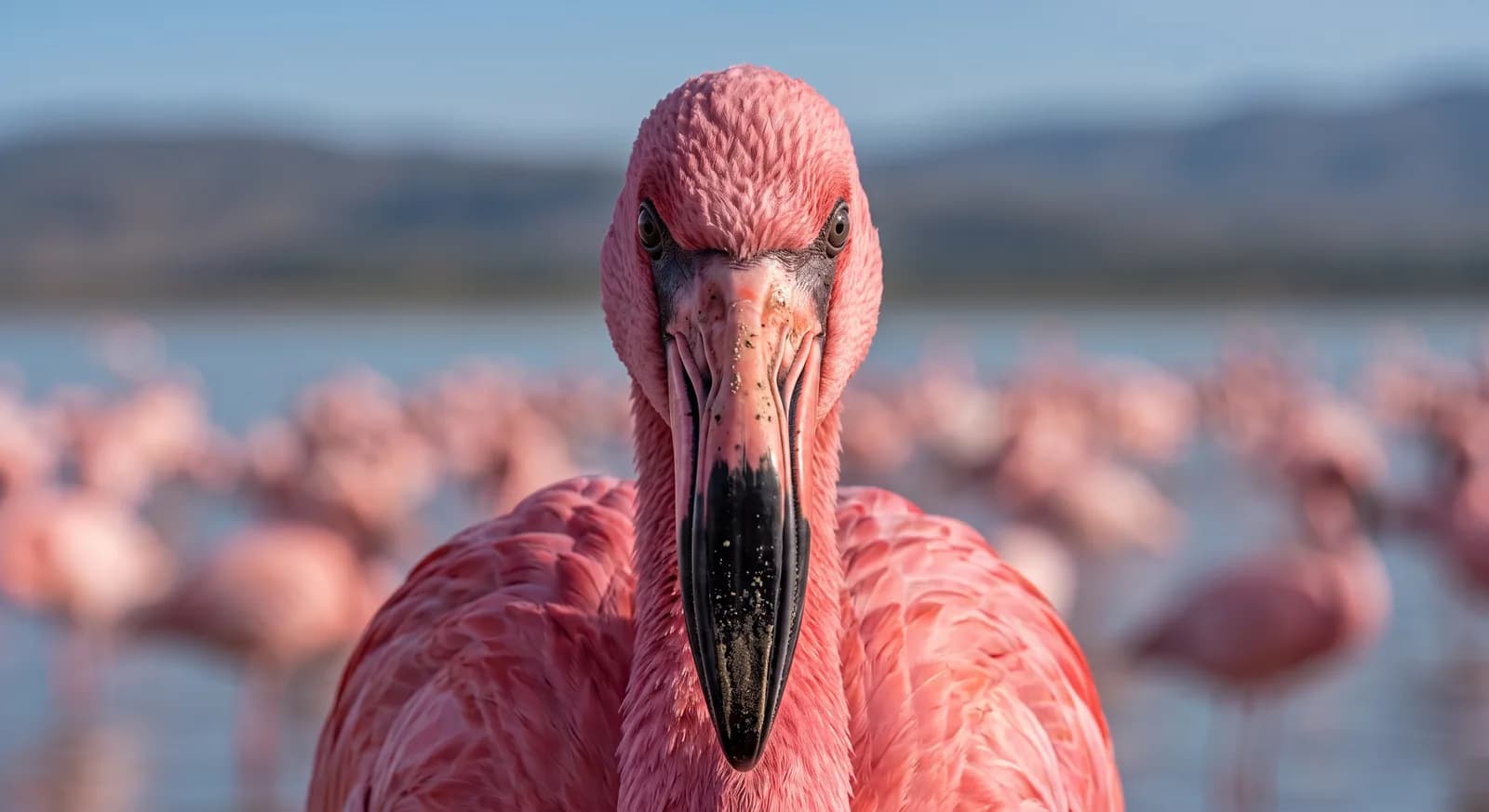 Near Threatened
Lesser Flamingo
Phoeniconaias minor
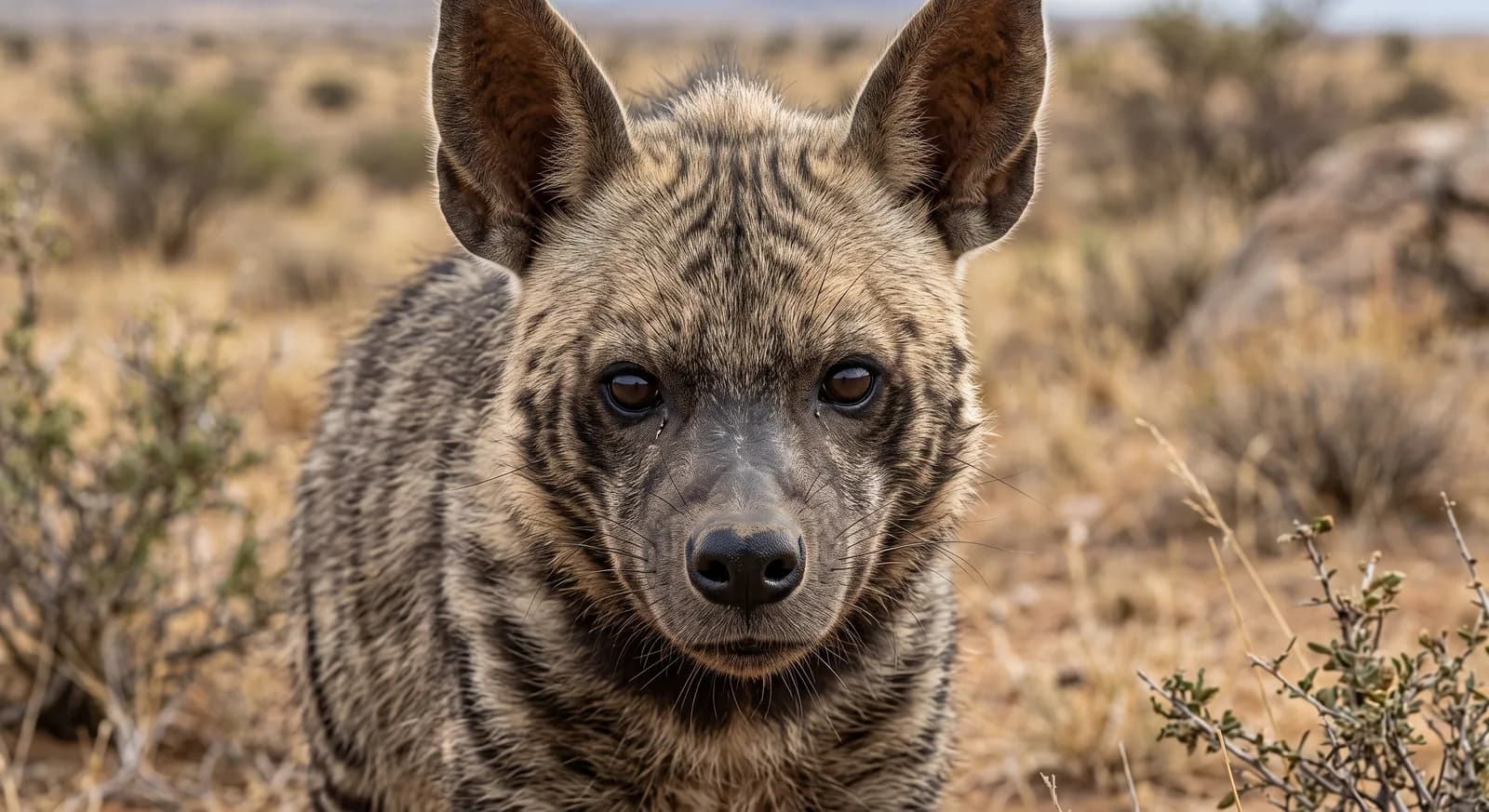 Near Threatened
Striped Hyaena
Hyaena hyaena
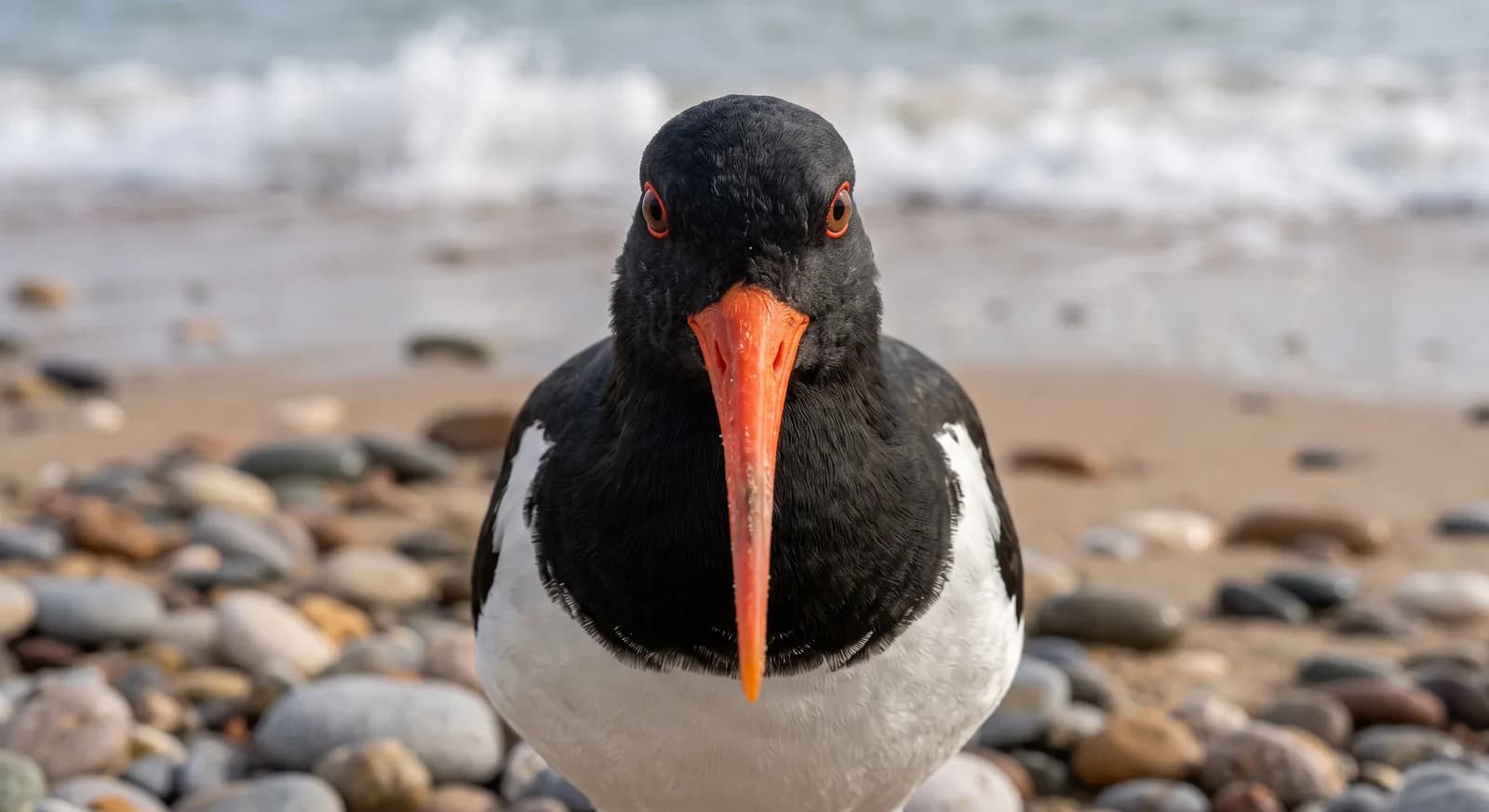 Near Threatened
Eurasian Oystercatcher
Haematopus ostralegus
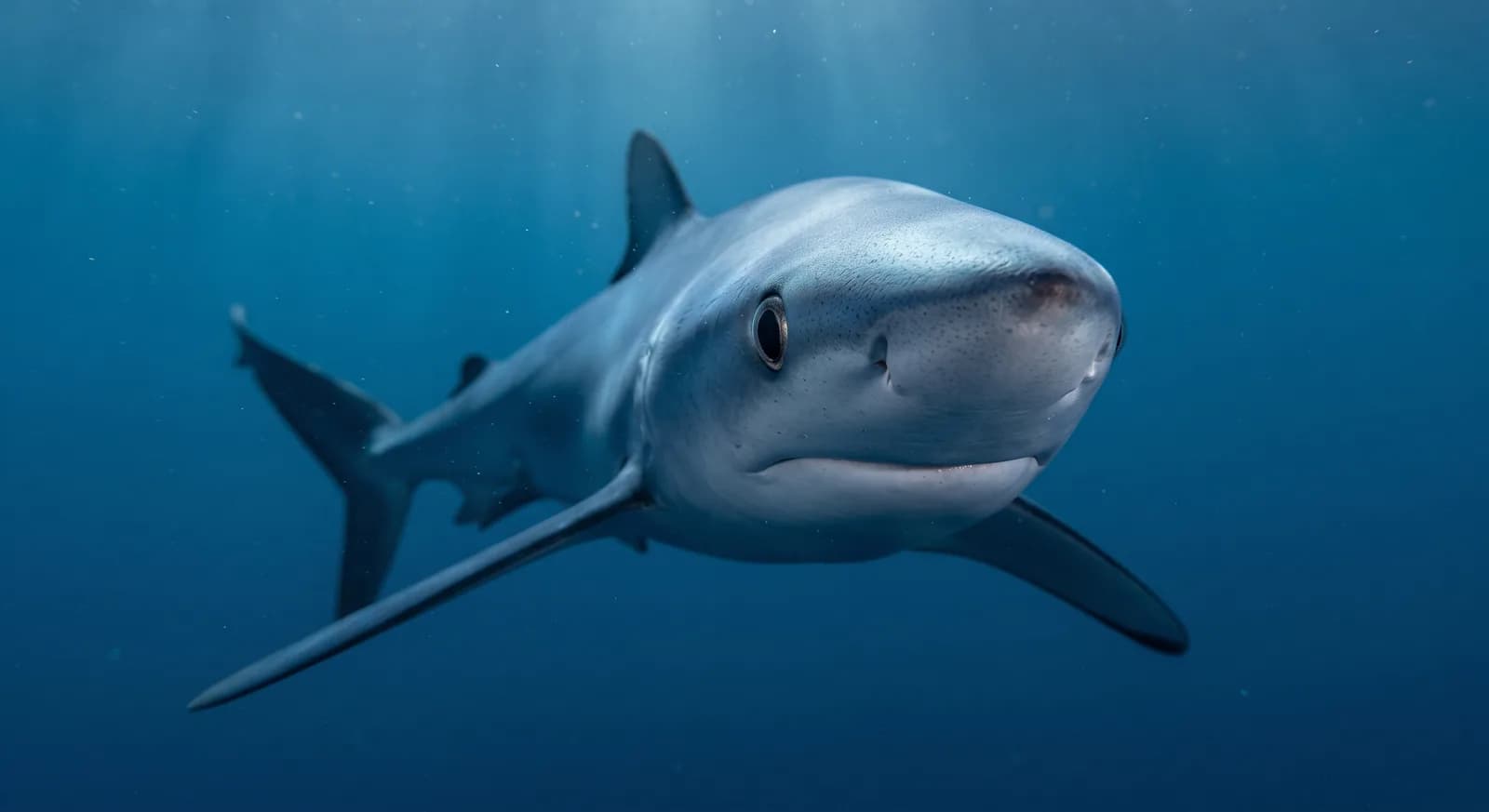 Near Threatened
Blue Shark
Prionace glauca
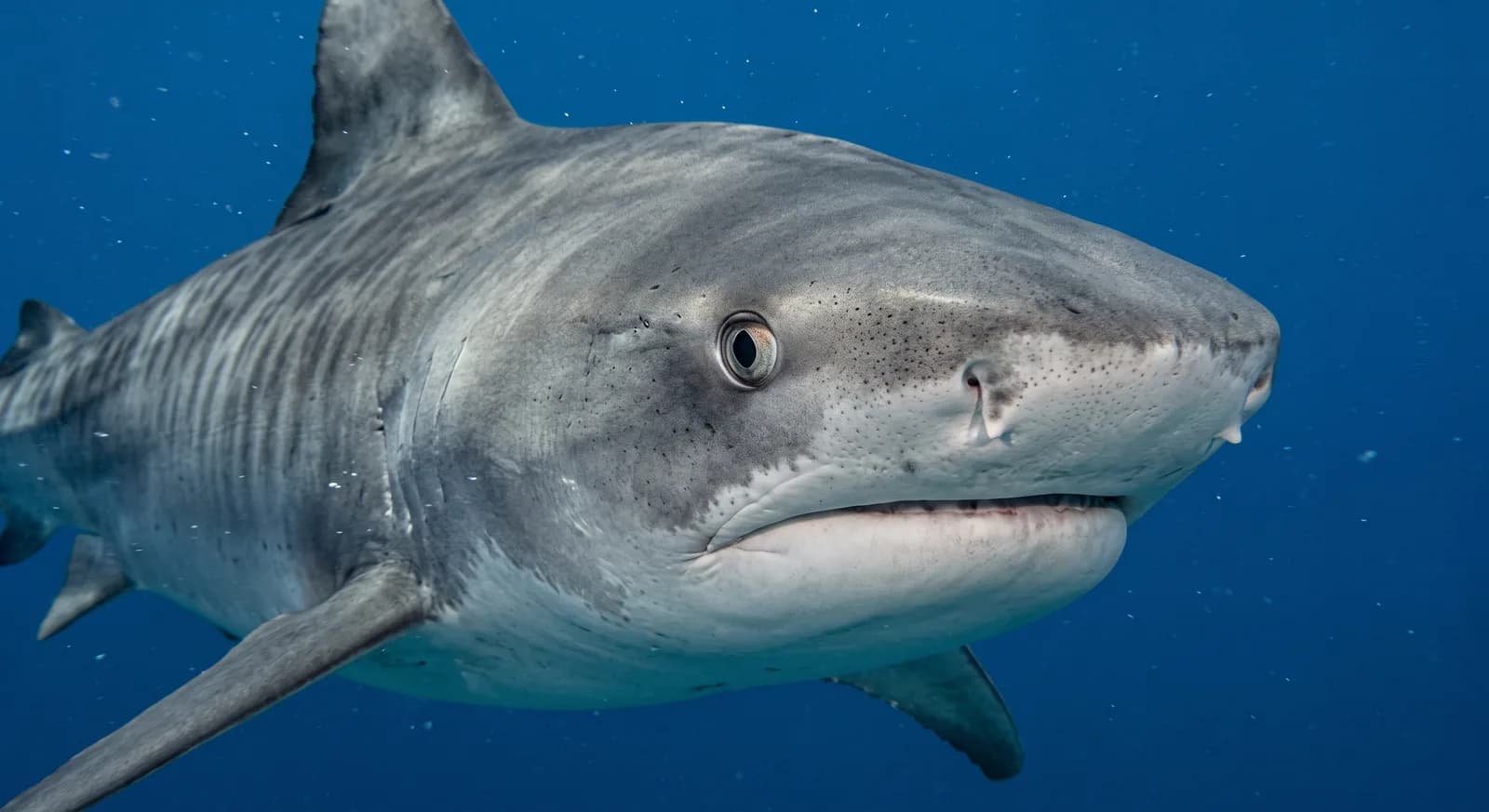 Near Threatened
Tiger Shark
Galeocerdo cuvier
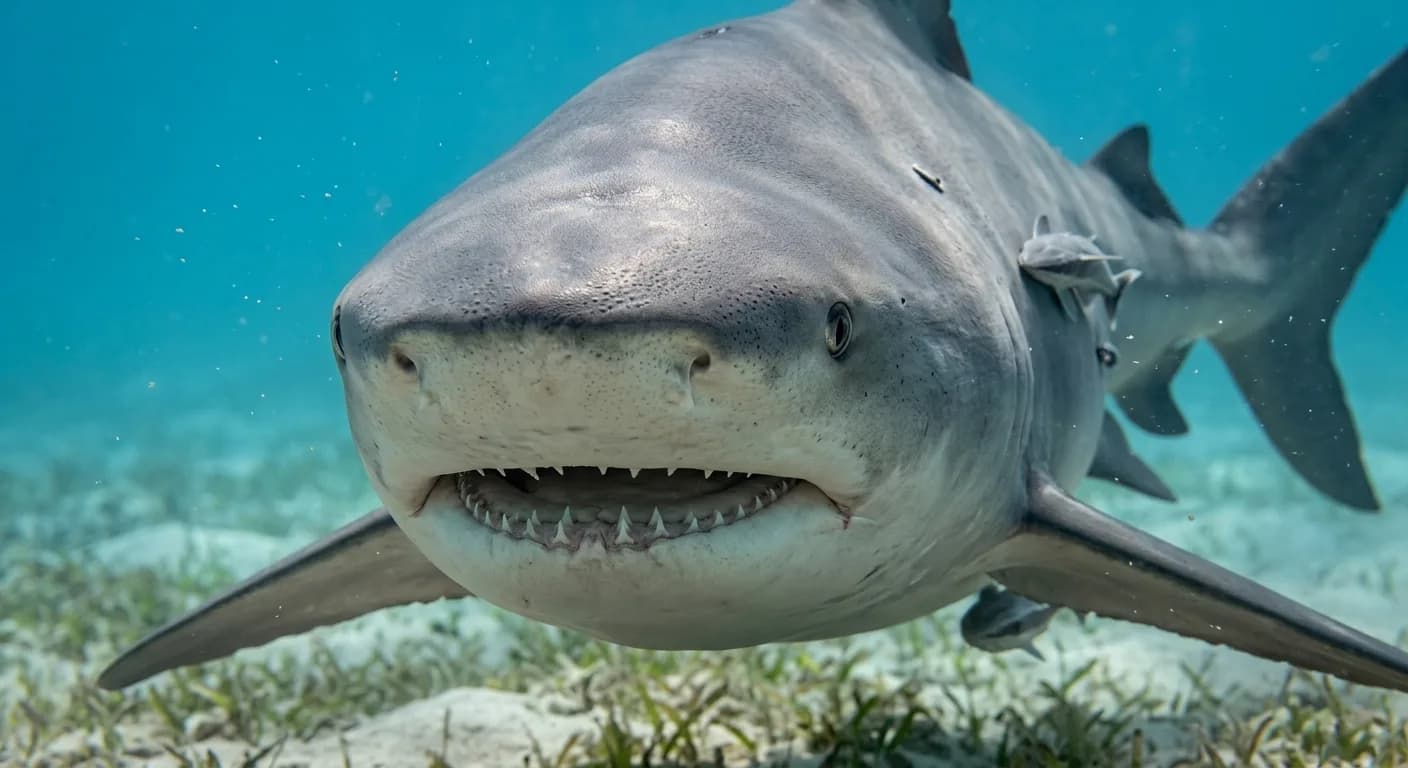 Near Threatened
Bull Shark
Carcharhinus leucas
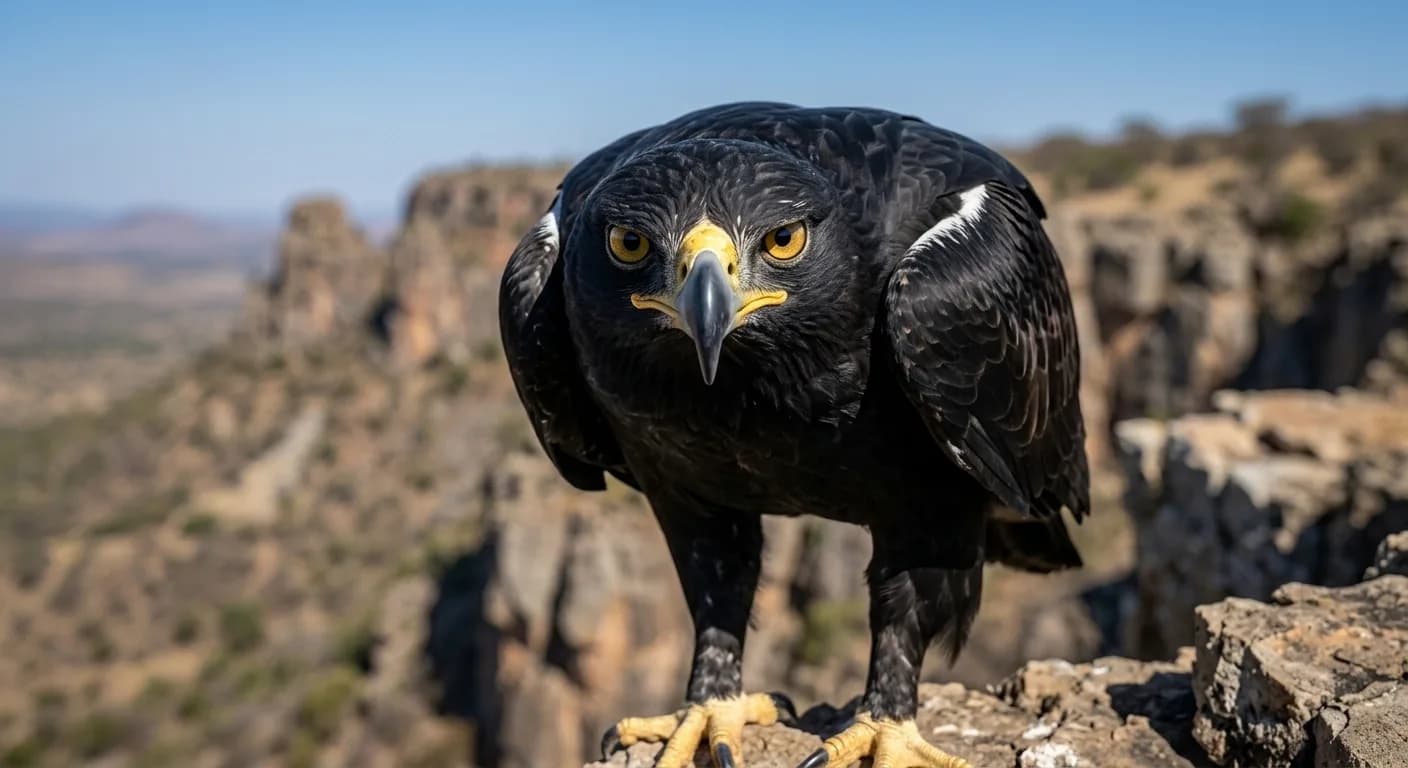 Least Concern
Verreaux's Eagle
Aquila verreauxii
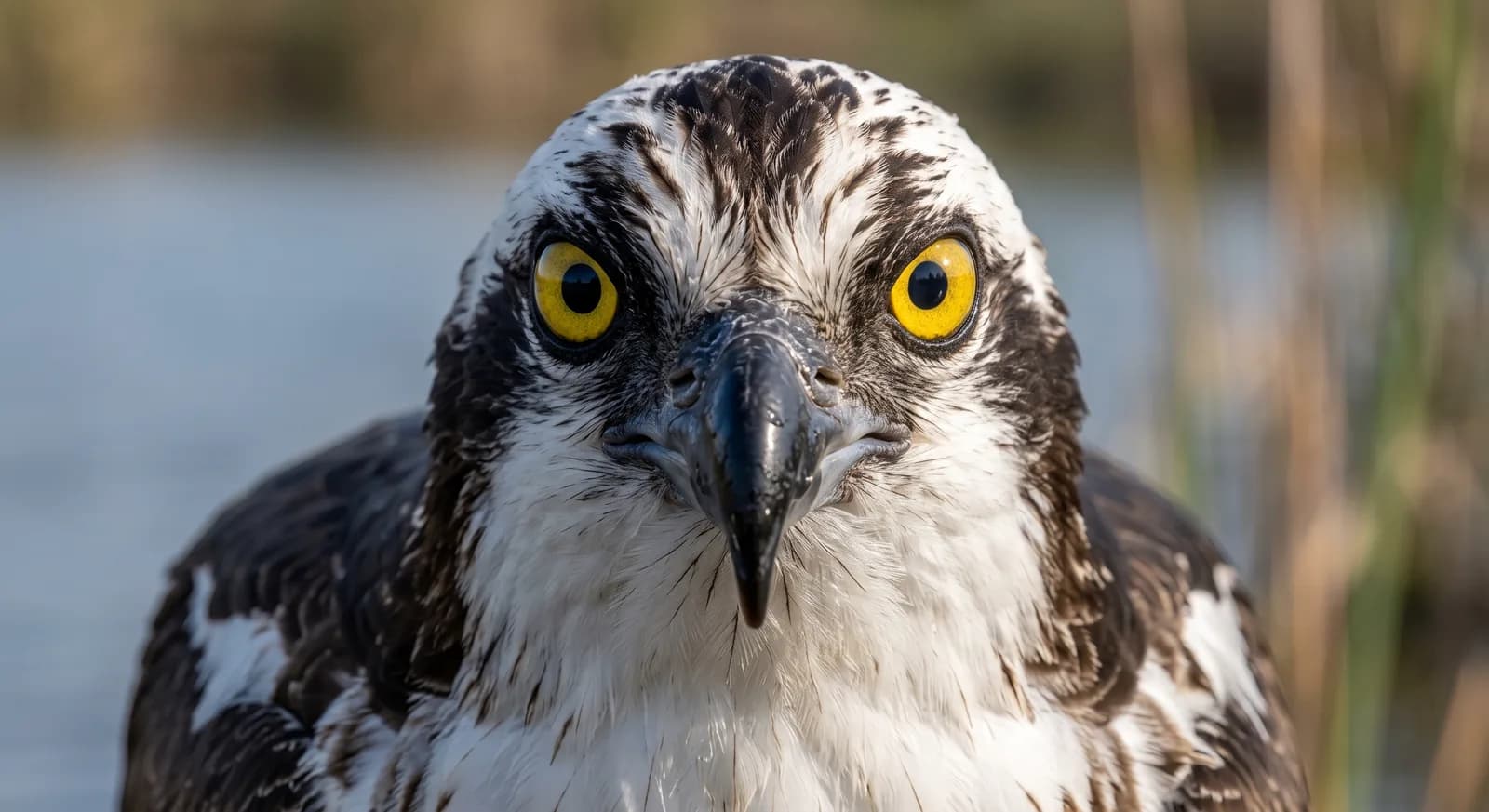 Least Concern
Osprey
Pandion haliaetus
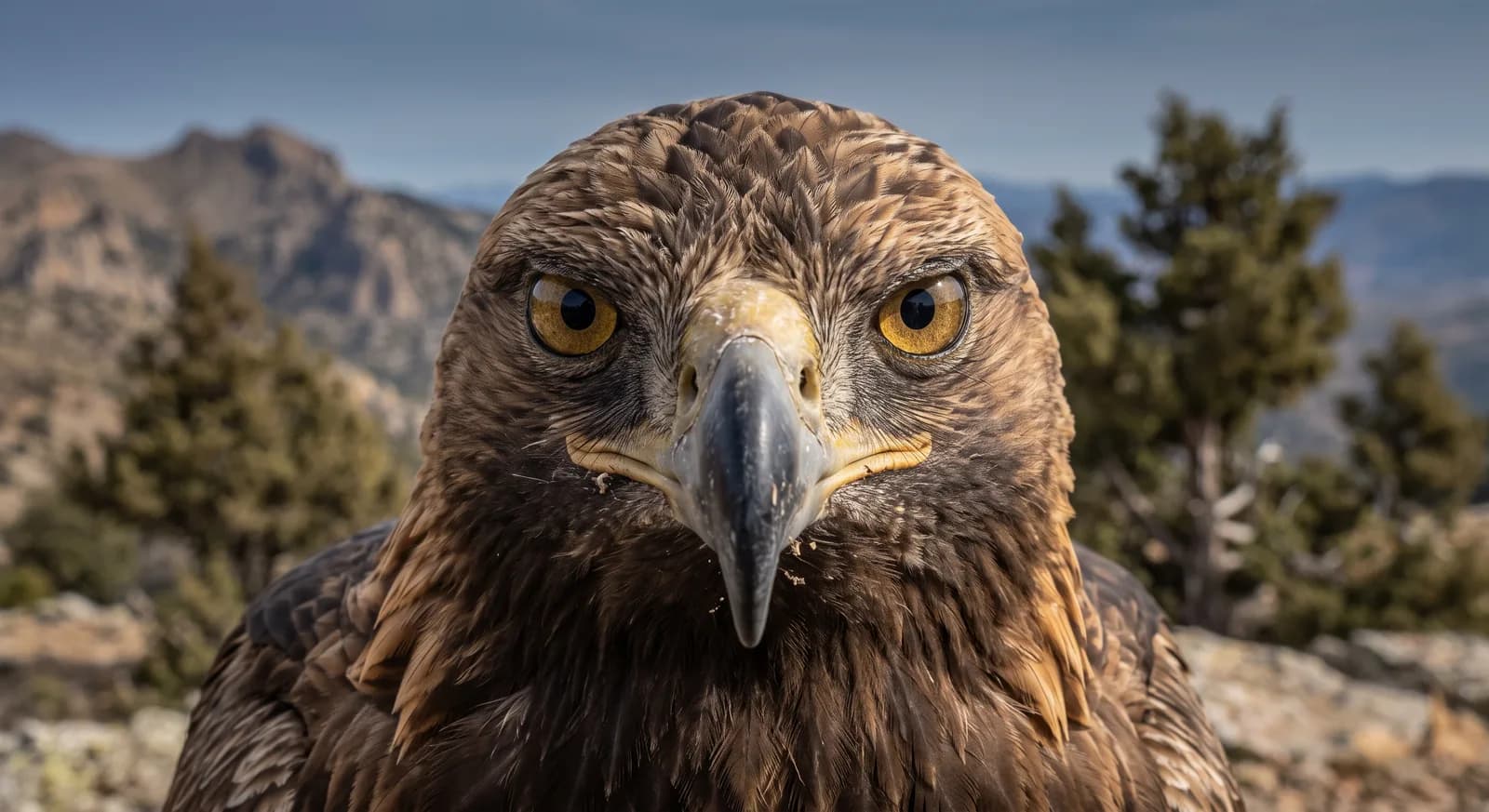 Least Concern
Golden Eagle
Aquila chrysaetos
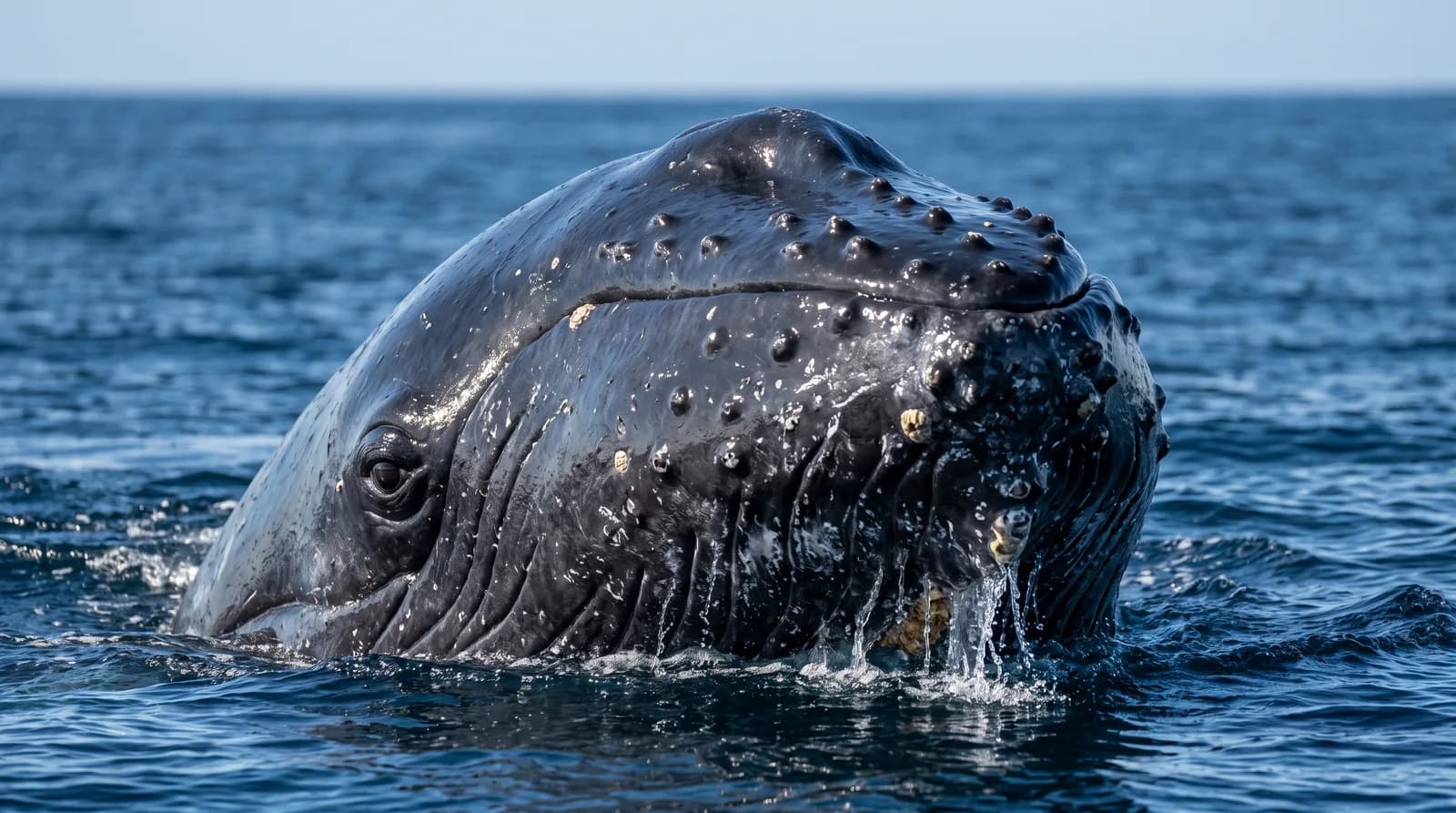 Least Concern
Humpback Whale
Megaptera novaeangliae
Keep exploring
Based on what we already know about Yemen.