Limestone ridges of the Duranguesado crowned by Anboto, the dwelling of Mari in Basque mythology.
Area
58 km²
Declared in
1989
Region
Southern Europe
Climate
Árido / desértico, Templado, Mediterráneo, Montañoso
Best time
All year round
Highlight
The Anboto limestone crest and Mari's cave
Urkiola Natural Park occupies the south-eastern tip of Bizkaia and the north of Álava, over the mountain complex formed by the Aramotz-Eskubaratz ranges, the Duranguesado mountains and the Arangio range. It was declared on 29 December 1989 by Decree 275/1989, under Act 4/1989 on the conservation of natural areas, with the explicit aim of reconciling protection of the landscape with traditional farming, livestock and forestry use. In 1997 it was declared a Site of Community Importance and in 2016 a Special Area of Conservation of the Natura 2000 network.
The dominant feature is the contrast between rock and forest: pale limestone walls rising almost vertically above dense beech and oak woods, with ravines set between them. The ridge line formed by Untzillaitz, Anboto, Zabalandi and Arangio is the area of greatest scenic and vegetation value in the park. The highest summit is Anboto, at 1,337 m, and the administrative and visitor heart is the Urkiola pass, at about 700 m, where the interpretation centre and the sanctuary that gives the pass its name stand.
Urkiola is one of the central places of Basque mythology. On the northern face of Anboto opens the cave of Mari, the principal figure of the pre-Christian Basque pantheon, a goddess associated with storms and with the earth who, according to oral tradition, moves seasonally between different mountain sanctuaries. There are other emblematic caves too — Bolinkoba, Gentilkoba, Baltzola — and those of the Atxarte defile document human occupation since prehistory, with pottery of Roman and medieval date in some walls in the park. The use of the woodland is equally ancient: pollarded beeches for charcoal and oaks for firewood marked the appearance of the forest for centuries, and between 1990 and 2006 some 185 hectares were replanted, mostly with native broadleaves. Grazing by sheep, cattle and horses remains decisive in the present landscape.
Location
See on the interactive map224 species documented in Urkiola
At conservation risk:Cangrejo de río autóctono,Capricornio del roble,Murciélago de cueva (murciélago de alas largas),Náyade perlífera,Nóctulo grande,Perdiz roja,Rana patilarga (rana ibérica)
Abeja albañil
Osmia bicornis
Abeja carpintera violeta
Xylocopa violacea
Abeja del sudor europea
Lasioglossum malachurum
Abeja minera fulva
Andrena fulva
Abejorro común
Melolontha melolontha
Abejorro terrestre
Bombus terrestris
Acentor común
Prunella modularis
Águila calzada
Hieraaetus pennatus
Aguilucho cenizo
Circus pygargus
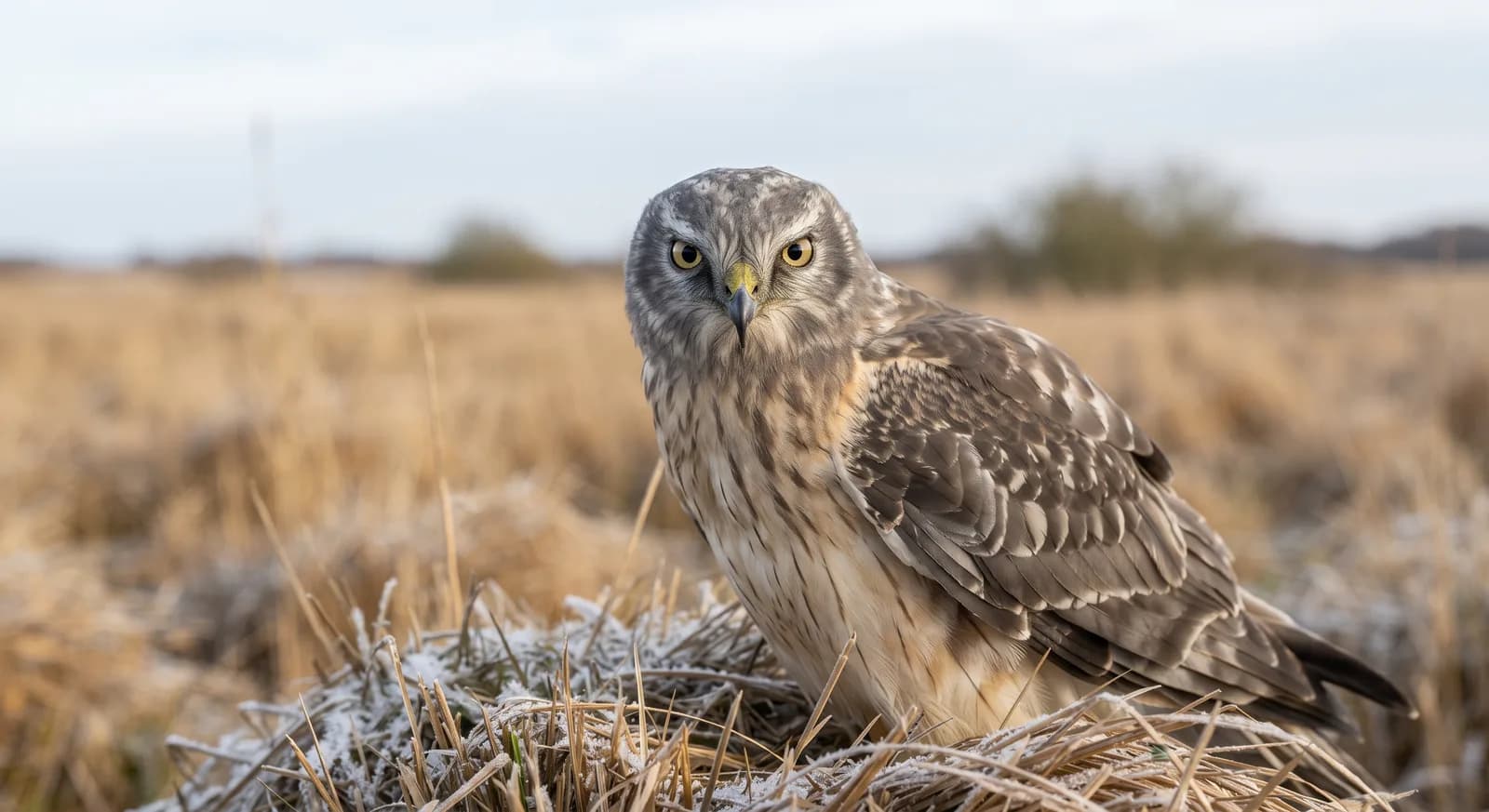 Least Concern
Aguilucho pálido
Circus cyaneus
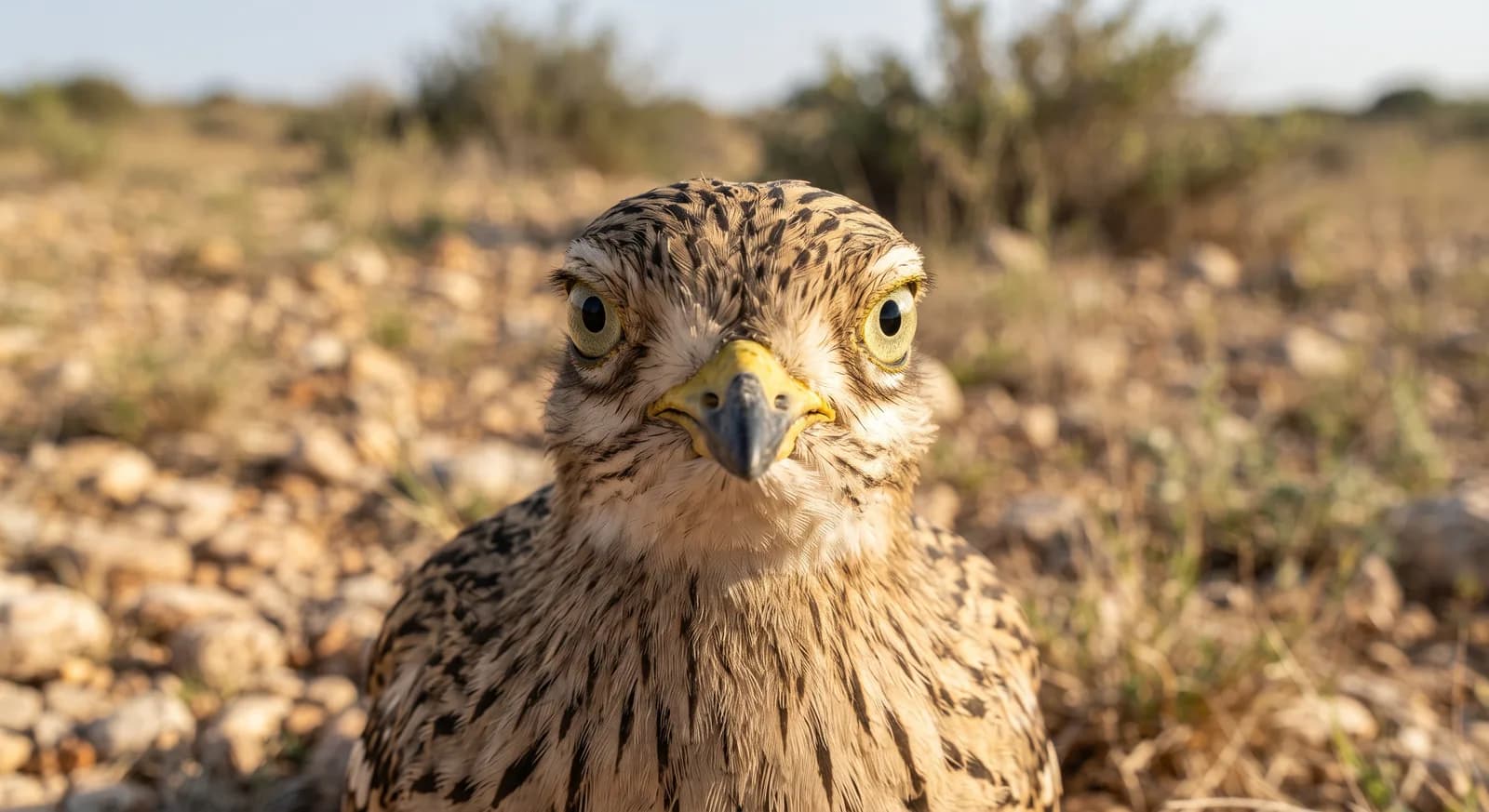 Least Concern
Alcaraván común
Burhinus oedicnemus
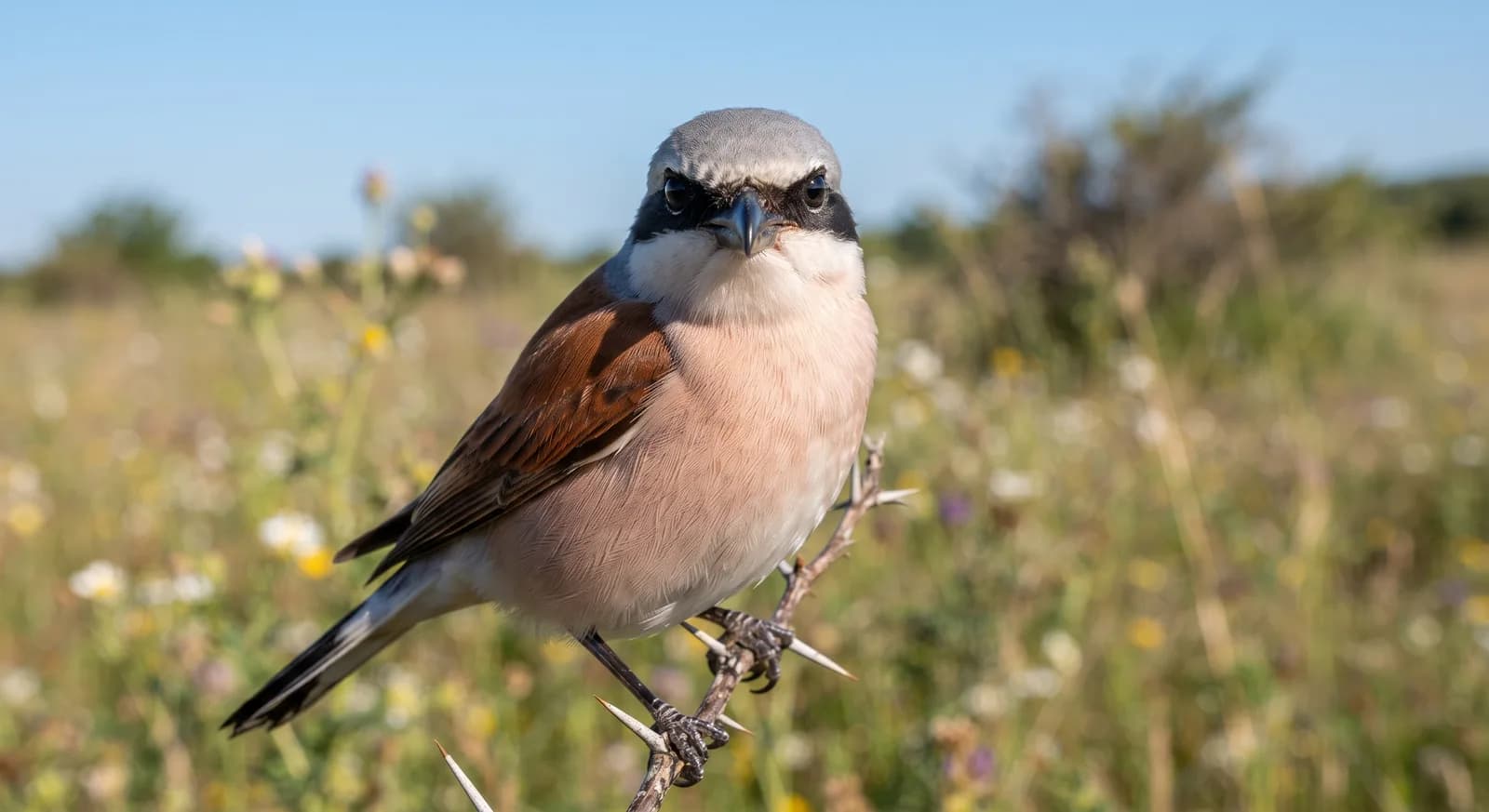 Least Concern
Alcaudón dorsirrojo
Lanius collurio
Flora and ecosystems
Ecosystems found in Spain, where Urkiola lies.
Experiences in this park
Similar parks
Which other parks are like this one?
Keep exploring
Based on what we already know about Urkiola.
Your rating
How many stars would you give Urkiola?
Comments
Share your experience visiting Urkiola, or a tip for other travellers.
Be the first to comment.