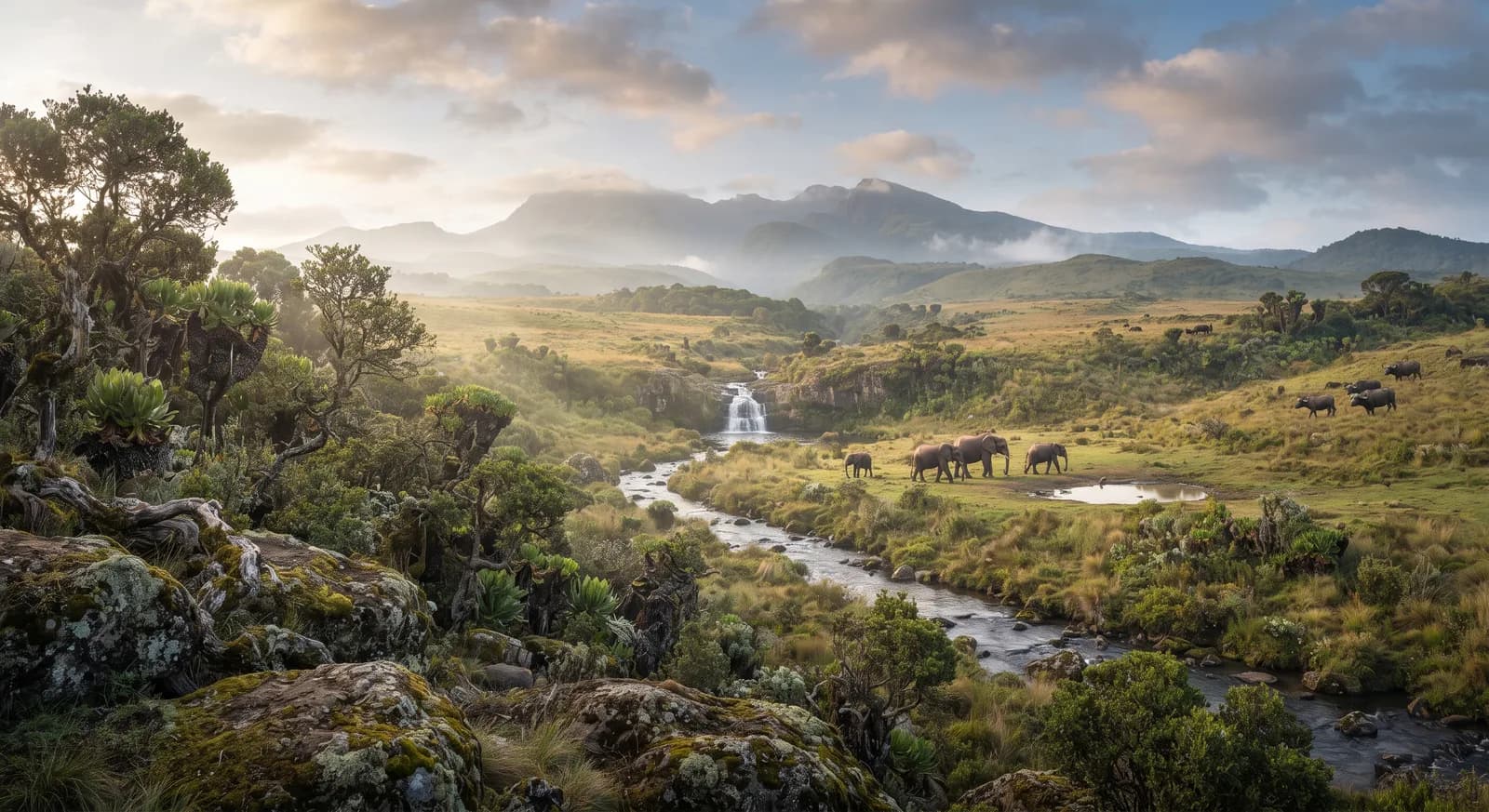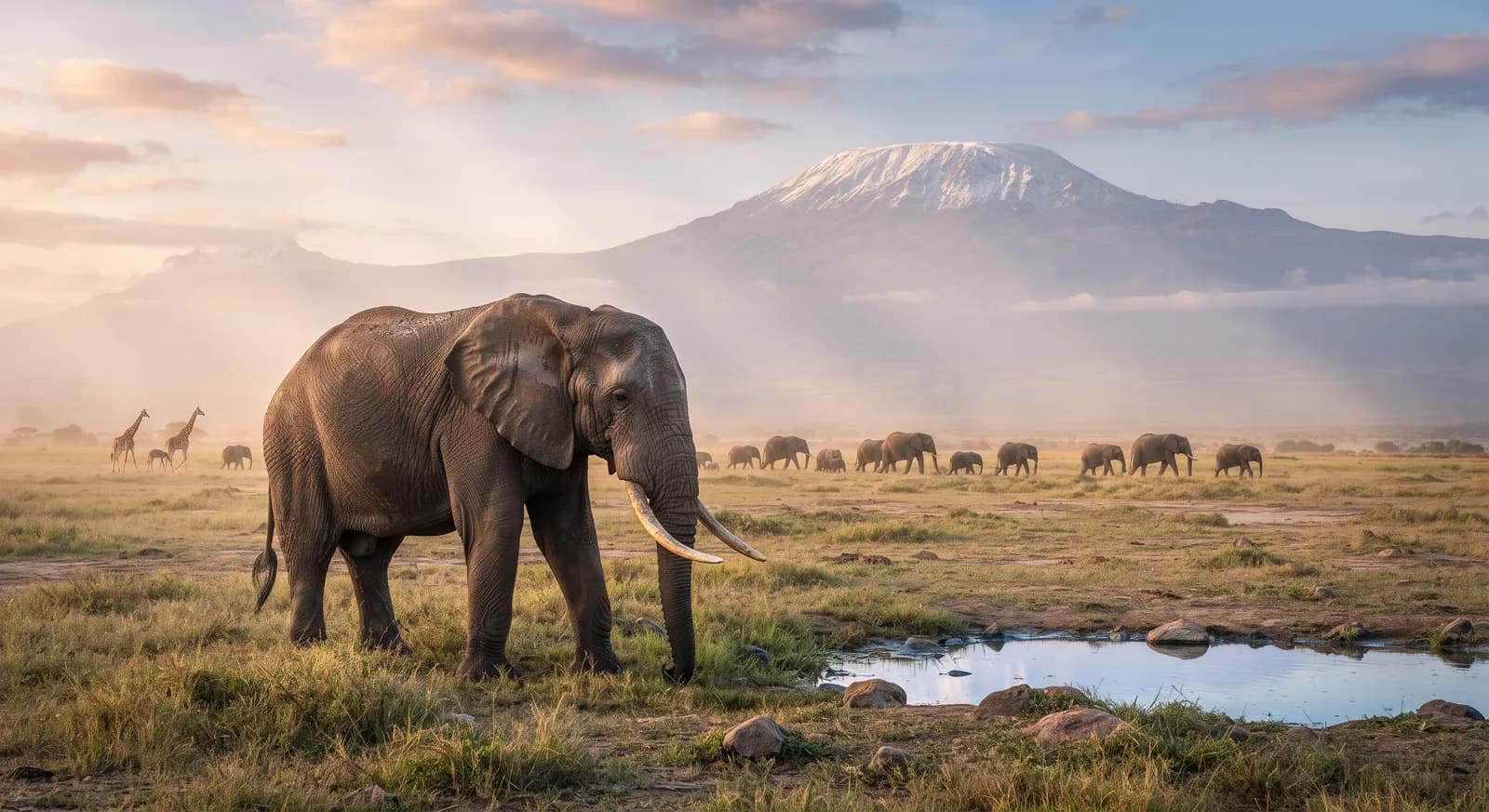
The "cradle of humankind": the Koobi Fora sites, which have contributed more to palaeoenvironmental knowledge than any other site in Africa.
Area
1,570 km²
Designated in
1973
Region
East Africa
The Koobi Fora palaeoanthropological sites
Sibiloi National Park was created in 1973 on the north-eastern shore of Lake Turkana, in Marsabit county, and protects some 157,085 hectares of semi-desert landscape of lava plains, volcanic hills and fossil forest.
Its principal value is palaeoanthropological. The Koobi Fora deposits, along its shore, constitute one of the most productive hominin sites in the world: since the campaigns begun by Richard Leakey in the late 1960s, hundreds of hominin fossils have been recovered there, among them specimens of Paranthropus boisei, Homo habilis and Homo erectus, alongside an enormous collection of associated fauna and stone tools. The stratigraphic sequence allows the finds to be dated precisely thanks to the interbedded volcanic ash layers, which is why the site has become a reference for the chronology of human evolution in East Africa.
The park also preserves fauna adapted to semi-desert, with Grevy's zebra, beisa oryx, gerenuk and large concentrations of Nile crocodile along the shore, and a petrified forest of trunks several million years old. Sibiloi is one of the three components of the World Heritage property Lake Turkana National Parks.
Ecosystems found in Kenya, where Sibiloi lies.
What is worth looking out for this month in Kenya?
Now is a good time: Great Migration: the Mara River crossing (July to October)
Which other parks are like this one?
Same country: Kenya
Same country: Kenya
Same country: Kenya
Same country: Kenya
Based on what we already know about this park.
Climate
Tropical, Arid / desert, Temperate, Mountain
Best season
June to October, for the Great Migration
Plan your visit
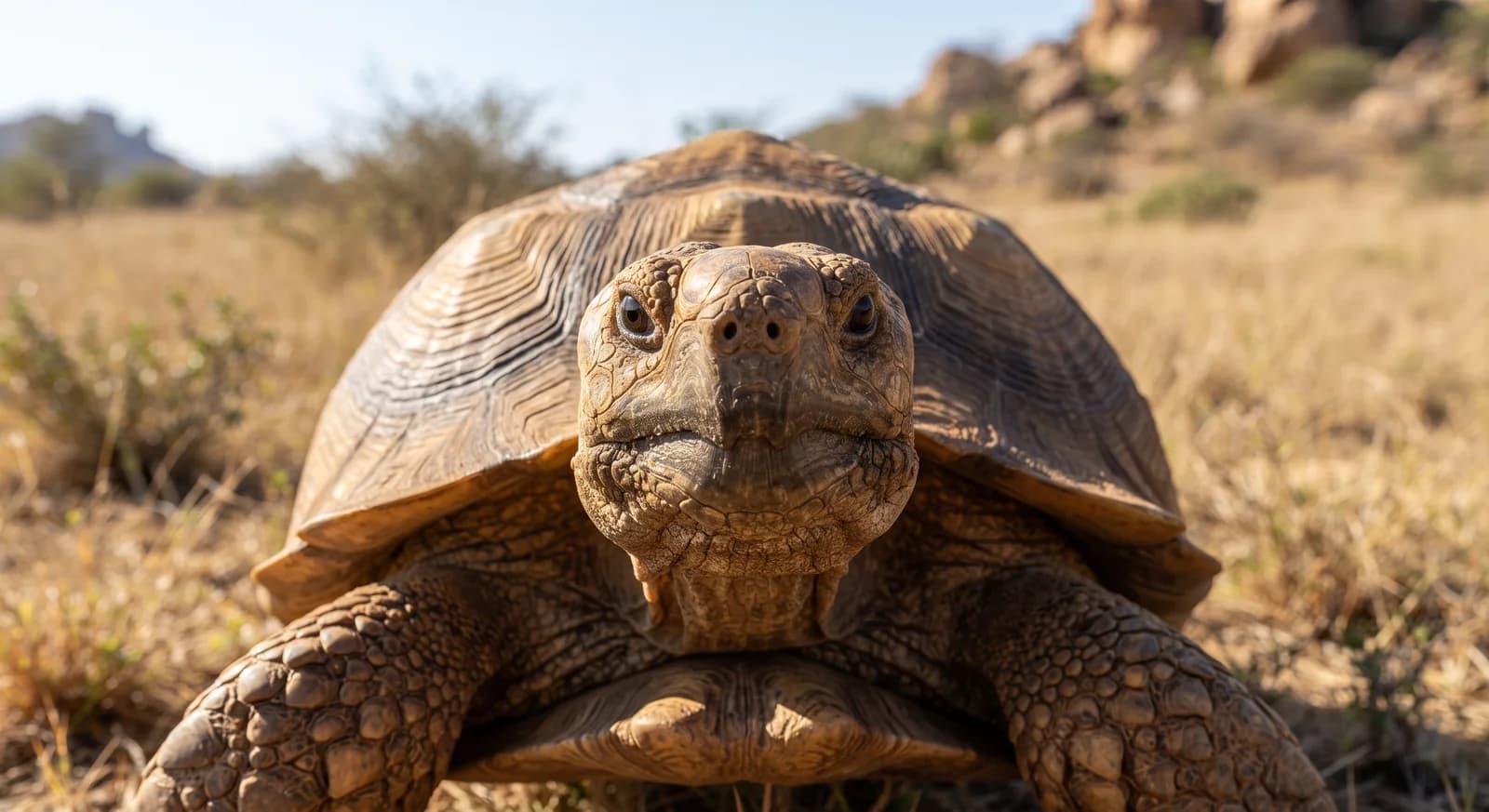
Threatened:Lappet-faced Vulture,Grevy's Zebra,Reticulated Giraffe,African Spurred Tortoise,Beisa Oryx
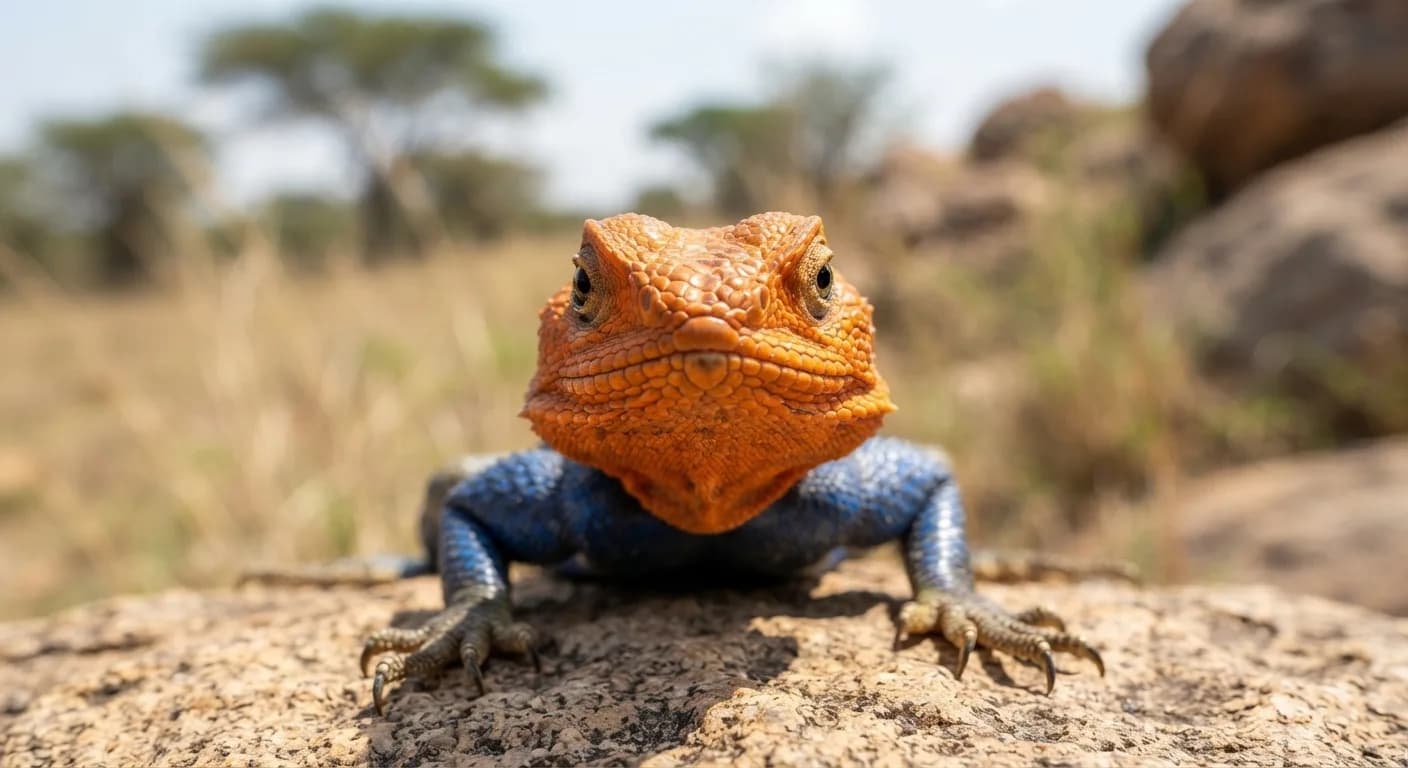
Least ConcernCommon Agama
Agama agama
EndangeredLappet-faced Vulture
Torgos tracheliotos
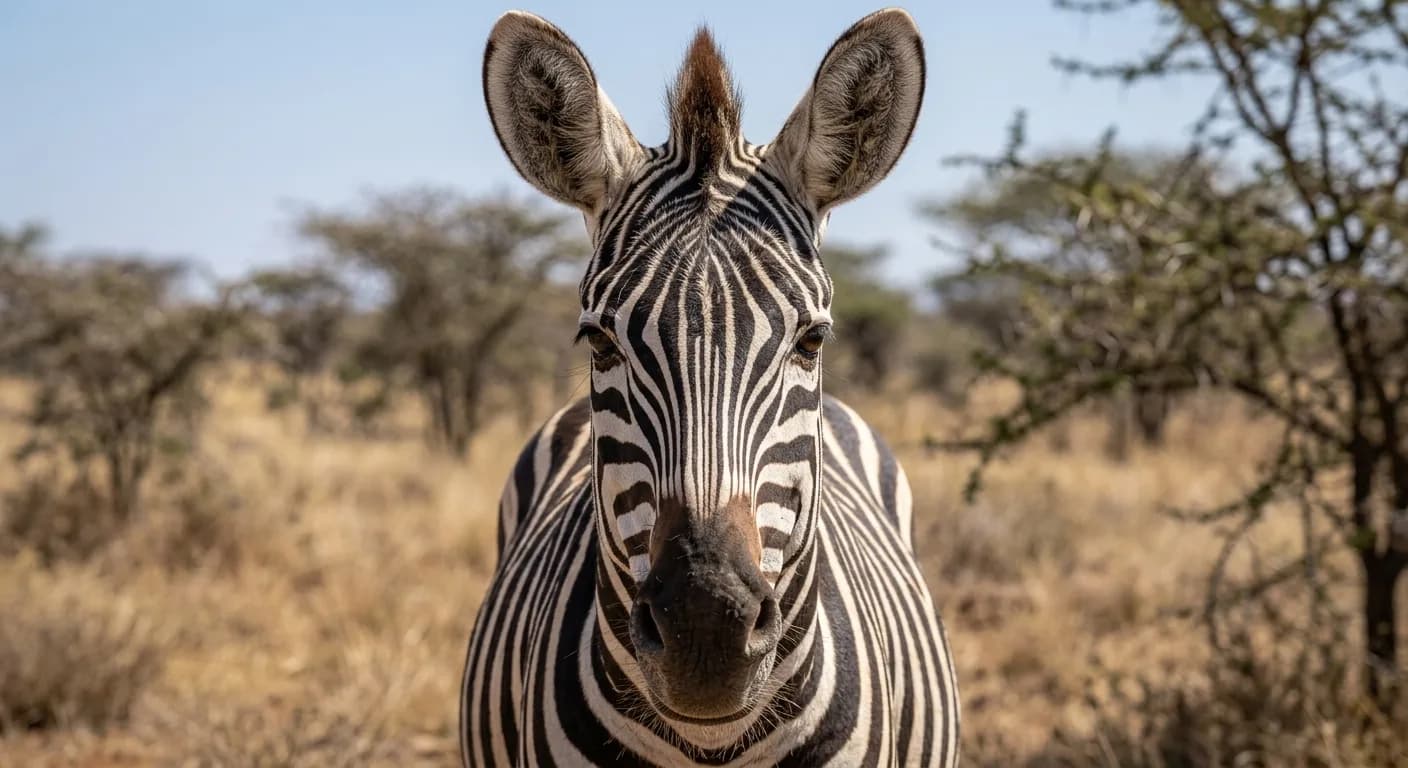
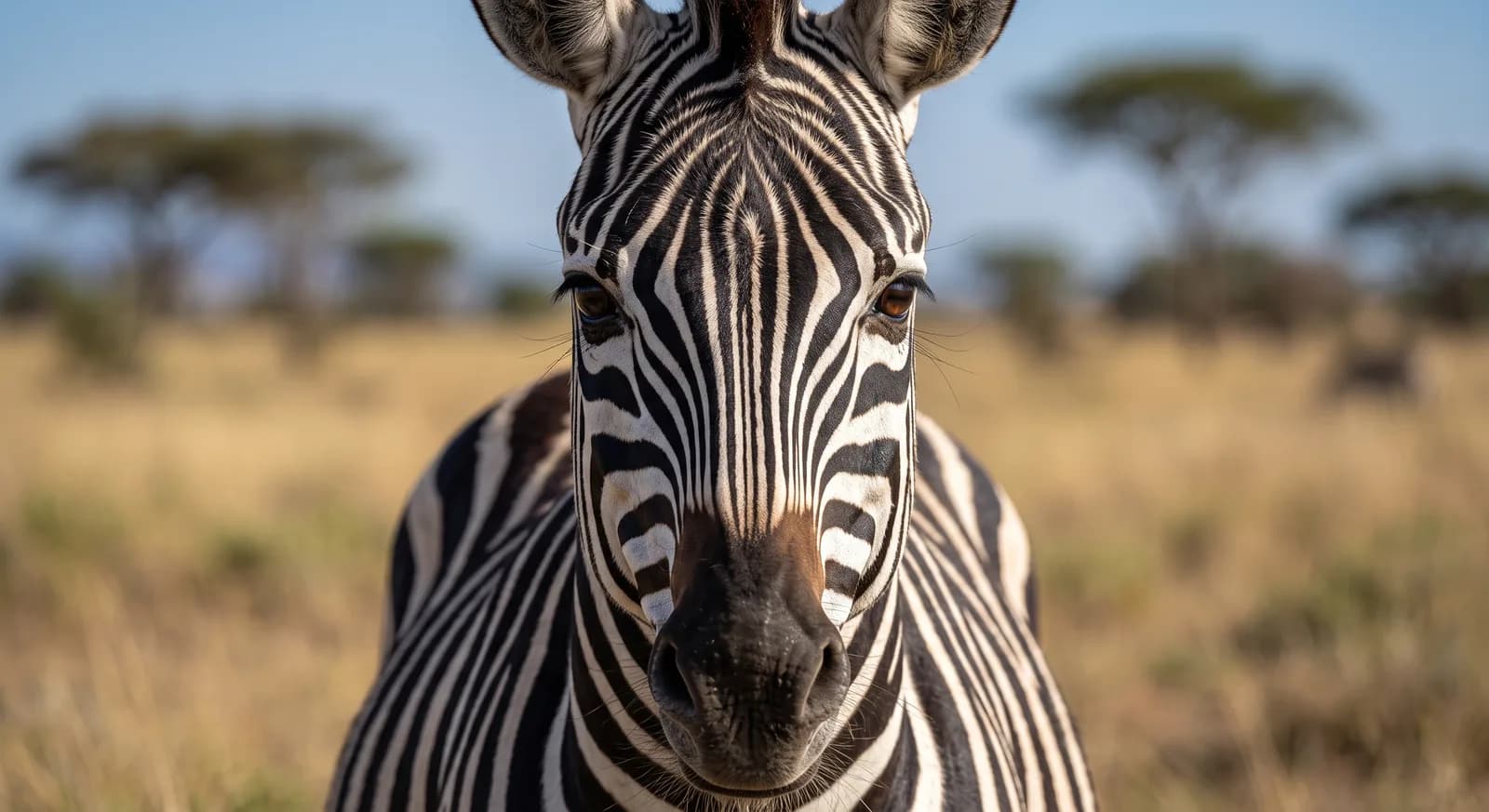
EndangeredGrevy's Zebra
Equus grevyi
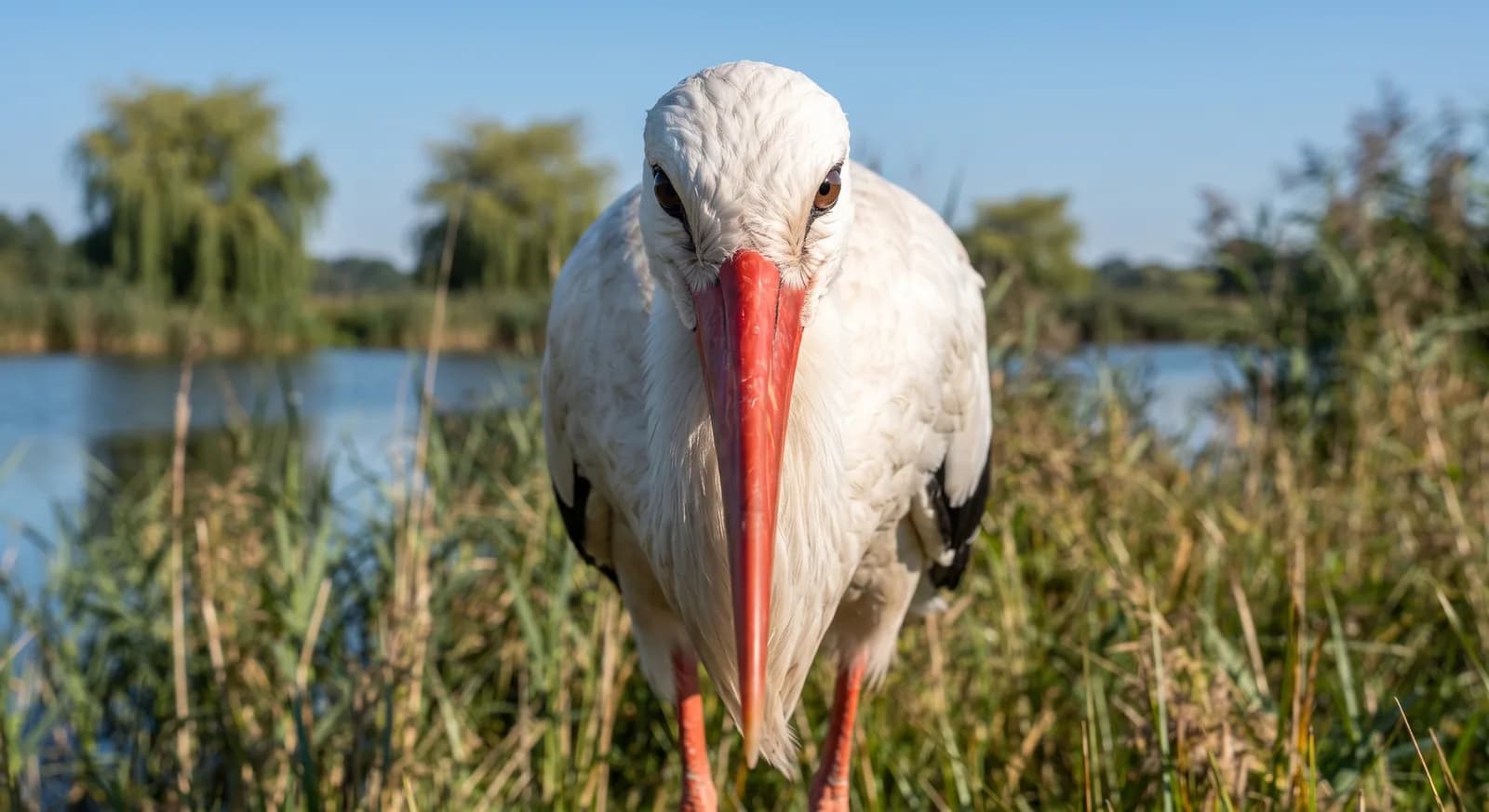
Least ConcernWhite Stork
Ciconia ciconia
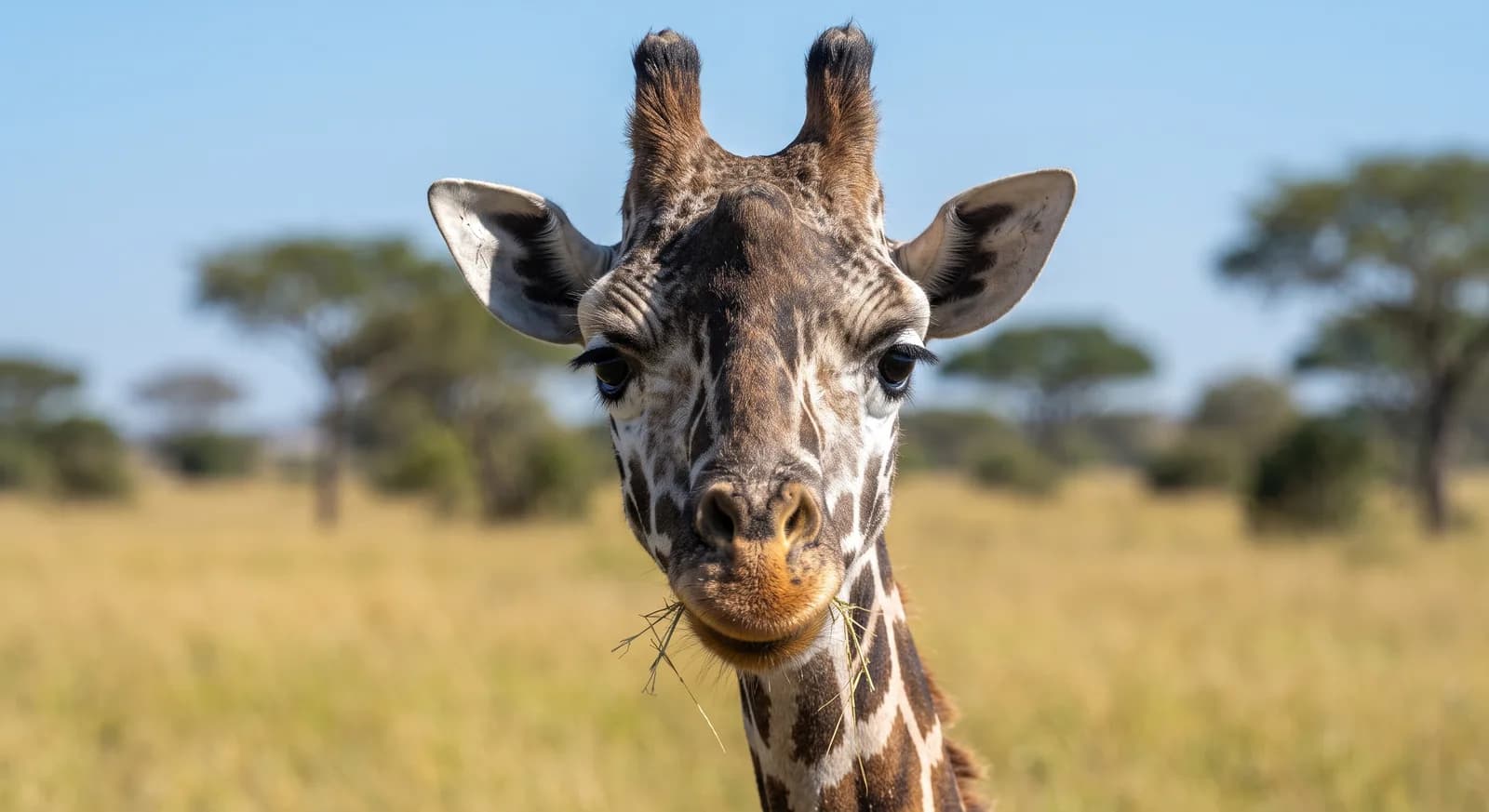
EndangeredReticulated Giraffe
Giraffa reticulata
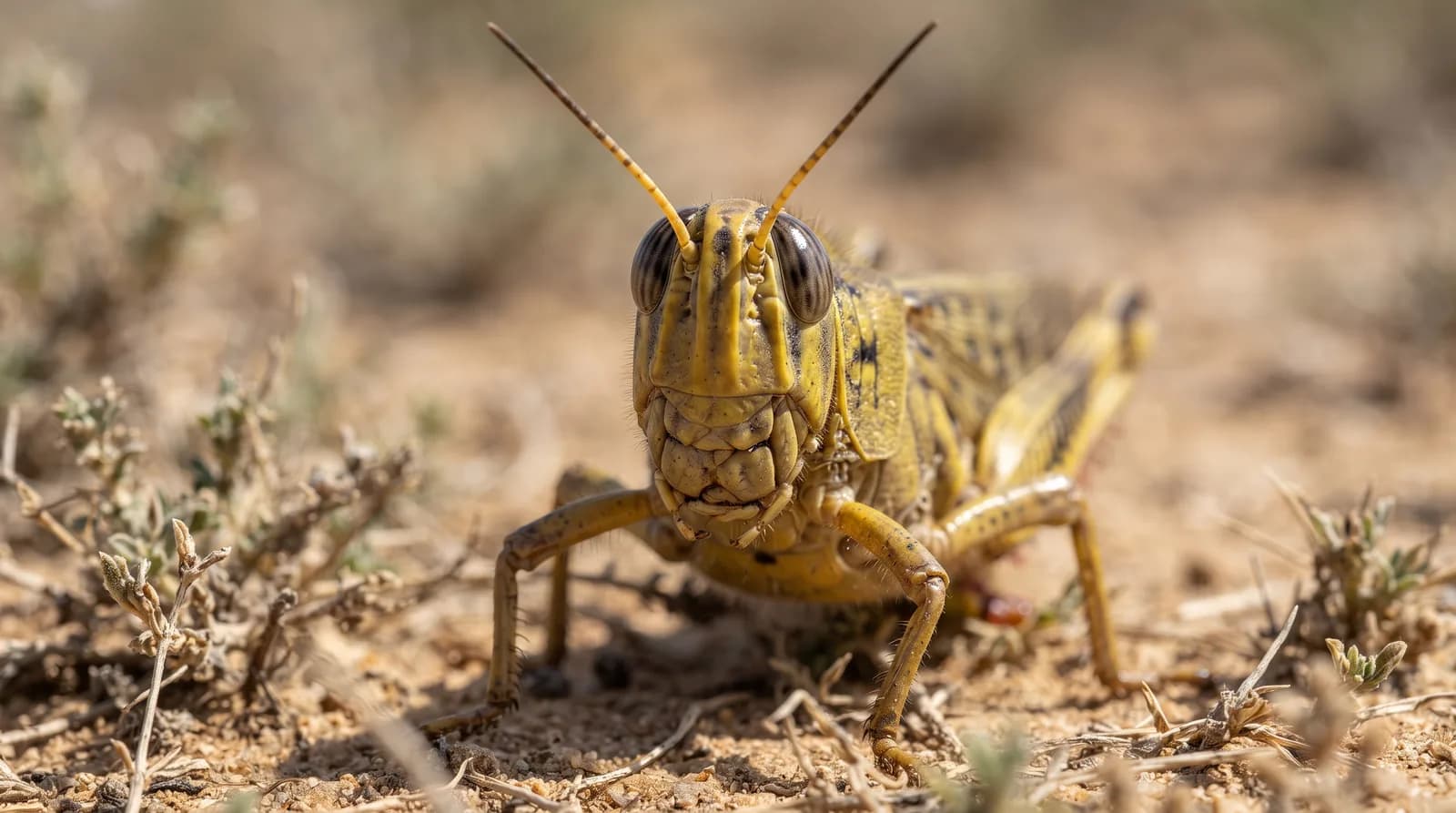
Not EvaluatedDesert Locust
Schistocerca gregaria
Least ConcernAfrican Golden Wolf
Canis anthus
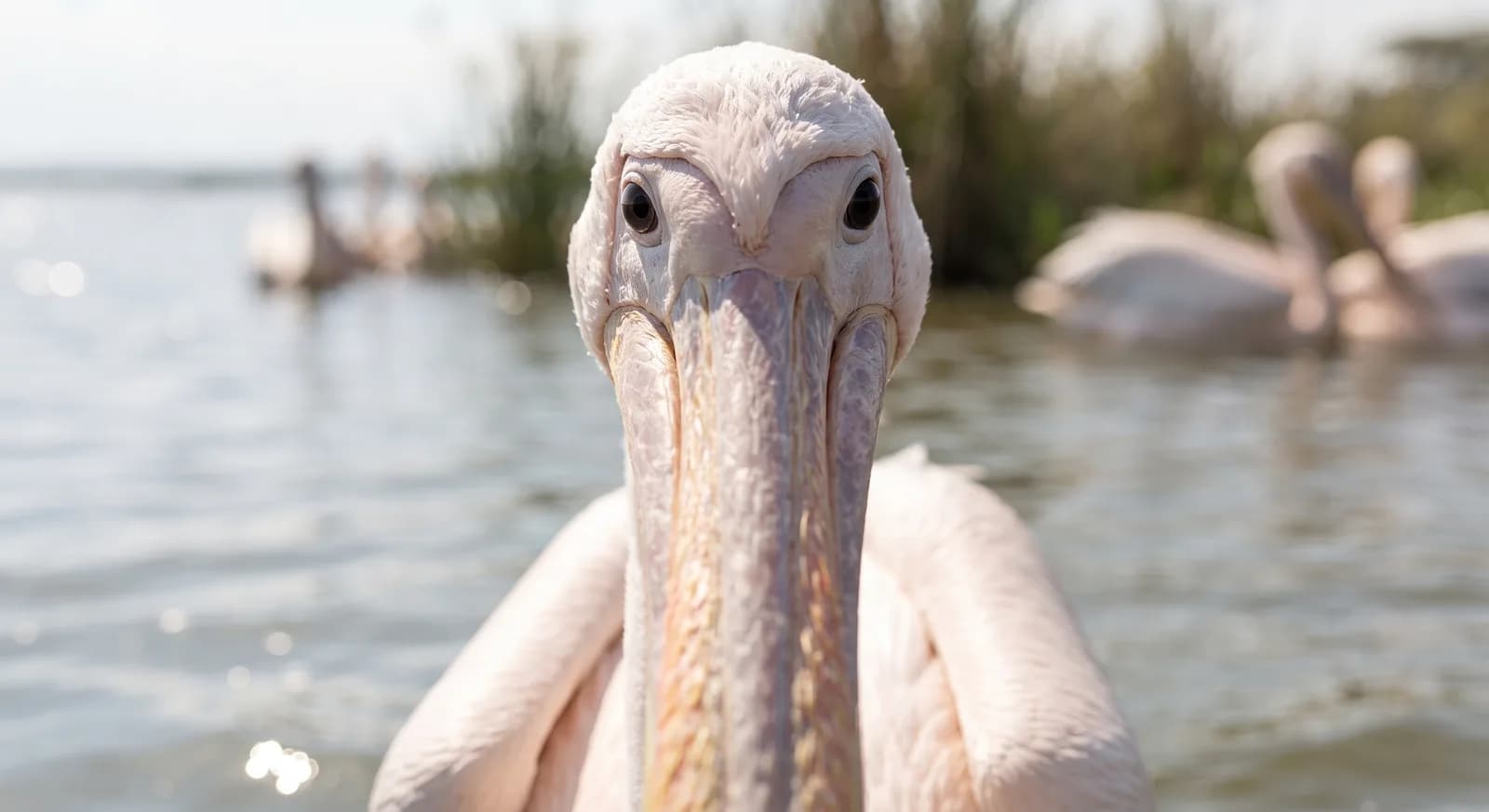
Least ConcernGreat White Pelican
Pelecanus onocrotalus
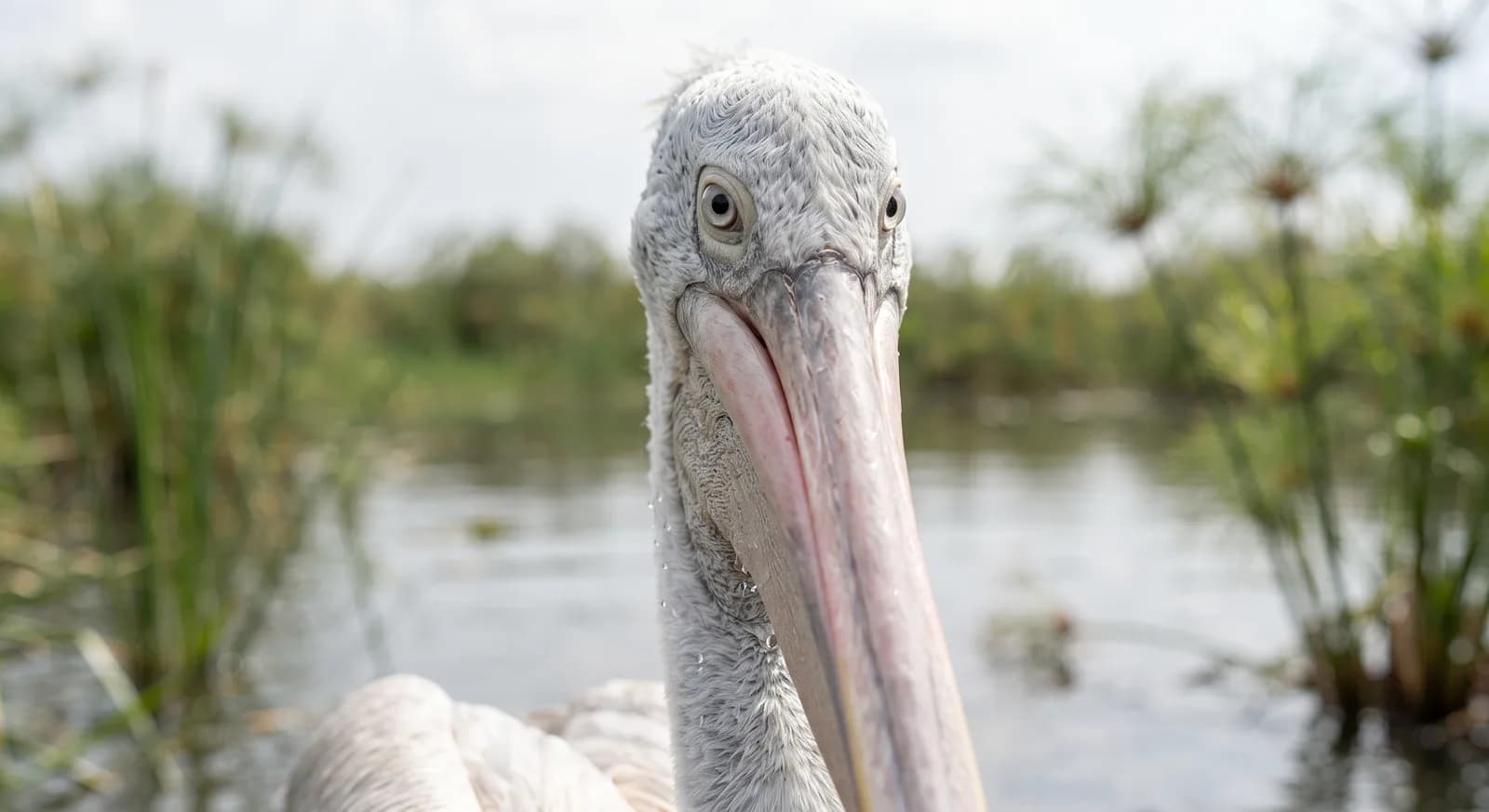
Least ConcernPink-backed Pelican
Pelecanus rufescens
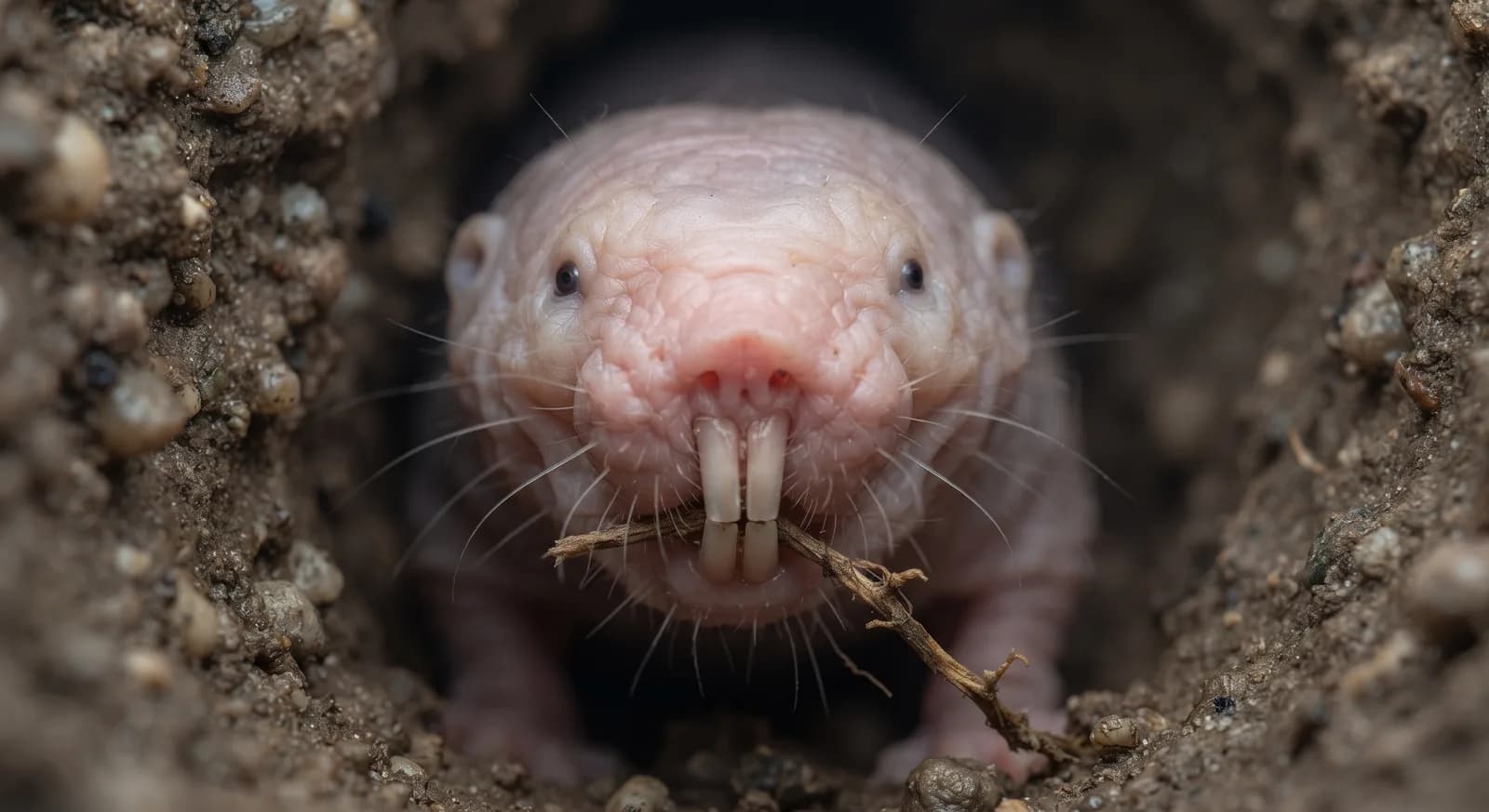
Least ConcernNaked Mole Rat
Heterocephalus glaber
EndangeredAfrican Spurred Tortoise
Centrochelys sulcata
Least ConcernLeopard Tortoise
Stigmochelys pardalis