The only large granite outcrop in the Basque Country, the western start of the Pyrenees above the Gipuzkoan coast.
Area
68 km²
Declared in
1995
Region
Southern Europe
Climate
Árido / desértico, Templado, Mediterráneo, Montañoso
Best time
All year round
Highlight
A granite batholith and the Roman mines of Arditurri
Aiako Harria Natural Park covers 6,913 hectares at the eastern end of Gipuzkoa, between the rivers Bidasoa and Urumea, and marks the western start of the Pyrenean chain. Its defining feature is geological: a batholith of granite and granodiorite that came to the surface more than 250 million years ago, surrounded by a metamorphic aureole of schists and greywackes. It is the only granite massif of any size in the Basque Country and one of the oldest materials exposed in the territory. The profile of needles and steep walls drawn by its three main summits — Irumugarrieta, Txurrumurru and Erroilbide, all above 800 m — rises barely a few kilometres from the sea, which forces the streams to drop an enormous height over a very short course and generates ravines and waterfalls.
The acid soils shape the vegetation, typically Atlantic with some Mediterranean elements at the lower, sunnier levels. Oak woodland is the dominant formation on most of the slopes, accompanied by beech, chestnut and pine woods. The climate is distinctly oceanic, with more than 2,200 mm of annual rainfall rising to 2,800 mm on the summits. Some 170 vertebrate species have been recorded, among them birds that appear only in winter or on passage; griffon vulture, Egyptian vulture, peregrine falcon and woodpigeon are regular, and the European mink and the Atlantic salmon survive in its rivers.
The human imprint is as ancient as it is striking. The massif's mineral veins were worked almost without interruption for some 2,000 years: at the Arditurri-Otsamantegi workings, in Oiartzun, silver, copper, iron and zinc were extracted from before Roman times until the Real Compañía Asturiana de Minas abandoned operations in 1984. The mines' former laboratory has housed the park's interpretation centre since 2008, and part of the galleries can be visited; the route of the railway that carried the ore to the port of Pasaia is today a greenway. To this are added numerous stone circles, barrows and dolmens scattered across the park. It was declared a Natural Park by Decree 241/1995 and a Special Area of Conservation of the Natura 2000 network by Decree 355/2013.
Location
See on the interactive map221 species documented in Aiako Harria
At conservation risk:Capricornio del roble,Murciélago de cueva (murciélago de alas largas),Náyade perlífera,Nóctulo grande,Perdiz roja
Abeja albañil
Osmia bicornis
Abeja carpintera violeta
Xylocopa violacea
Abeja del sudor europea
Lasioglossum malachurum
Abeja minera fulva
Andrena fulva
Abejorro común
Melolontha melolontha
Abejorro terrestre
Bombus terrestris
Acentor común
Prunella modularis
Águila calzada
Hieraaetus pennatus
Aguilucho cenizo
Circus pygargus
 Least Concern
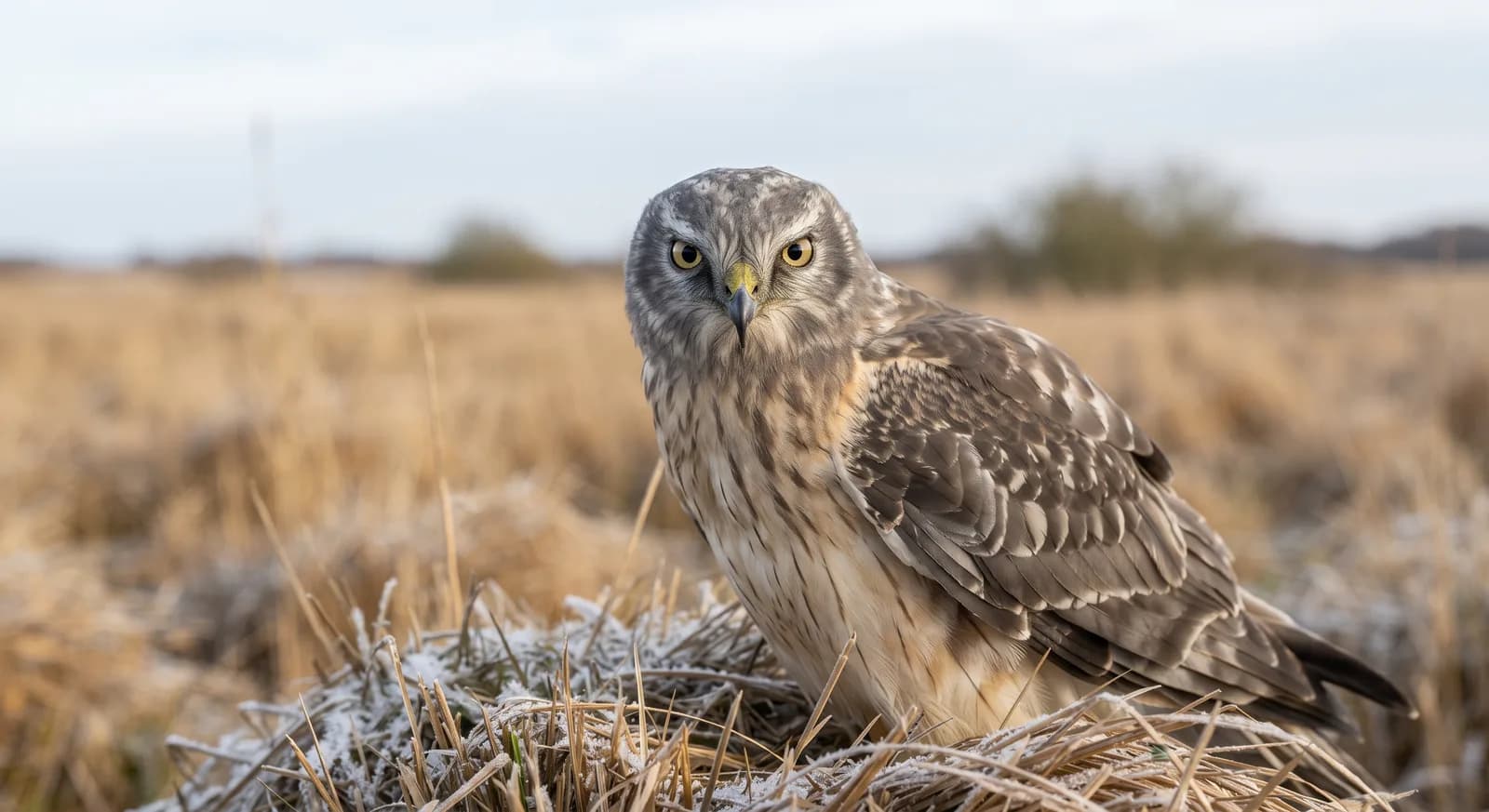
Aguilucho pálido
Circus cyaneus
 Least Concern
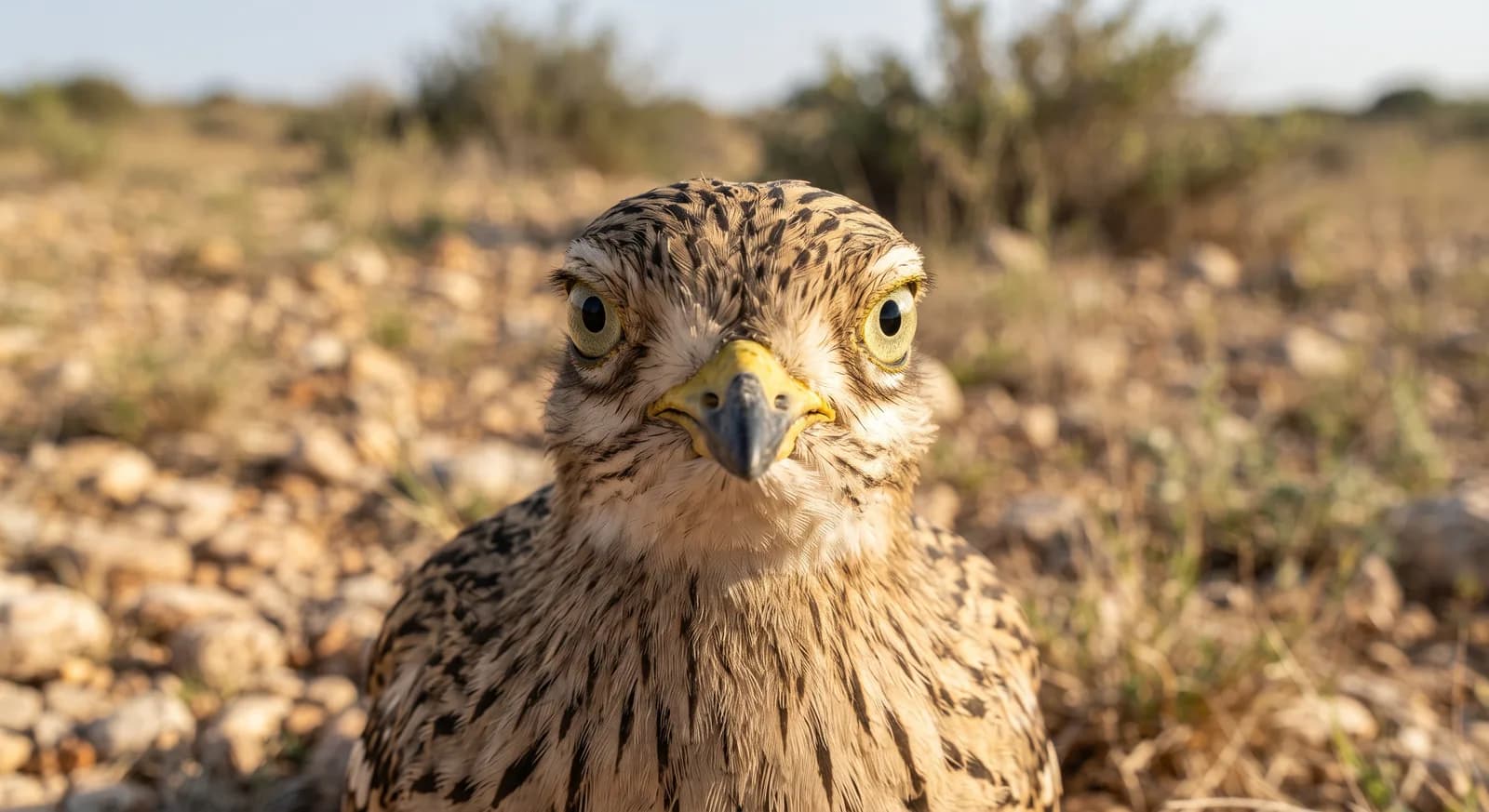
Alcaraván común
Burhinus oedicnemus
 Least Concern
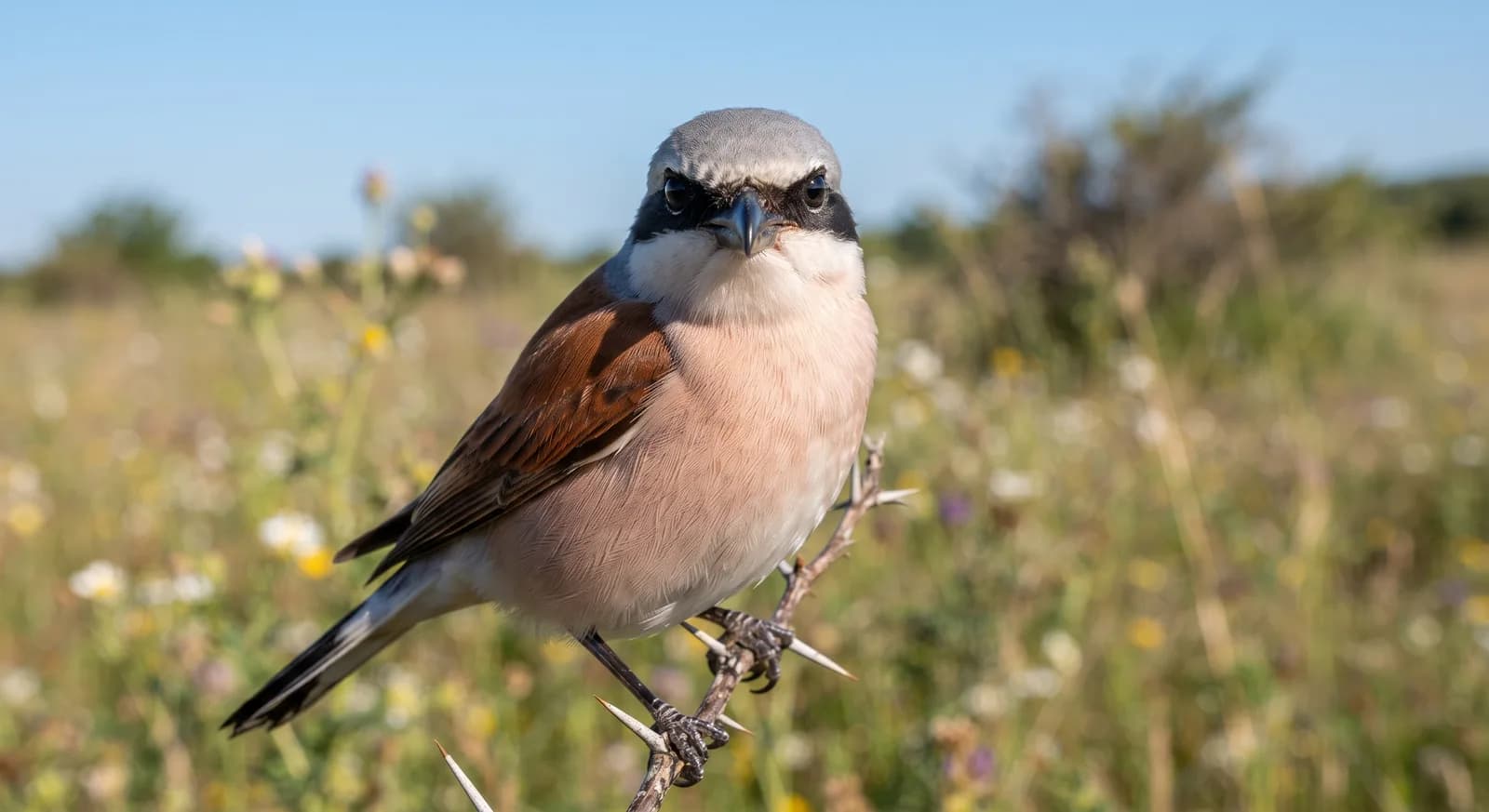
Alcaudón dorsirrojo
Lanius collurio
Flora and ecosystems
Ecosystems found in Spain, where Aiako Harria lies.
Experiences in this park
Similar parks
Which other parks are like this one?
Aizkorri-Aratz
Spain
Griffon Vulture · Peregrine Falcon
Todo el año
View parkMismo país: Spain
Armañón
Spain
Mediterranean Horseshoe Bat · Griffon Vulture
Todo el año
View parkMismo país: Spain
Keep exploring
Based on what we already know about Aiako Harria.
Your rating
How many stars would you give Aiako Harria?
Comments
Share your experience visiting Aiako Harria, or a tip for other travellers.
Be the first to comment.