Zimbabwe's first national park, in the eastern highlands, with the country's highest peak.
Area
472 km²
Declared in
1926
Region
Southern Africa
Climate
Tropical, Árido / desértico
Highlight
Eastern highlands with upland grassland and waterfalls
Nyanga National Park was established in 1926 in the Eastern Highlands of Zimbabwe, next to the Mozambican border, and protects some 472 km². It is the country's oldest national park, and its origin lies in the land Cecil Rhodes acquired in the area in the late nineteenth century and bequeathed to the state.
The landscape is middle mountain: high-altitude grassland, granite outcrops, valleys with gallery forest and plantations of introduced conifers. Its summit, Mount Nyangani, reaches 2,592 metres and is the highest point in Zimbabwe, and the park contains the Mtarazi Falls, one of the highest waterfalls in Africa.
The cool, damp climate contrasts with the rest of the country and has made the district a summer destination since colonial times. The park also preserves notable archaeological heritage: the so-called Nyanga terraces and stone enclosures, an extensive farming system built between the fifteenth and nineteenth centuries with retaining walls, channels and circular structures that extend over thousands of hectares, evidence of an intensive mountain agriculture whose interpretation is still the subject of research.
Location
See on the interactive map29 species documented in Nyanga
At conservation risk:Buitre orejudo
Boomslang
Dispholidus typus
Buitre orejudo
Torgos tracheliotos
Cobo de agua
Kobus ellipsiprymnus
Cobra escupidora de Mozambique
Naja mossambica
Espátula africana
Platalea alba
Garcilla bueyera
Bubulcus ibis
 Least Concern
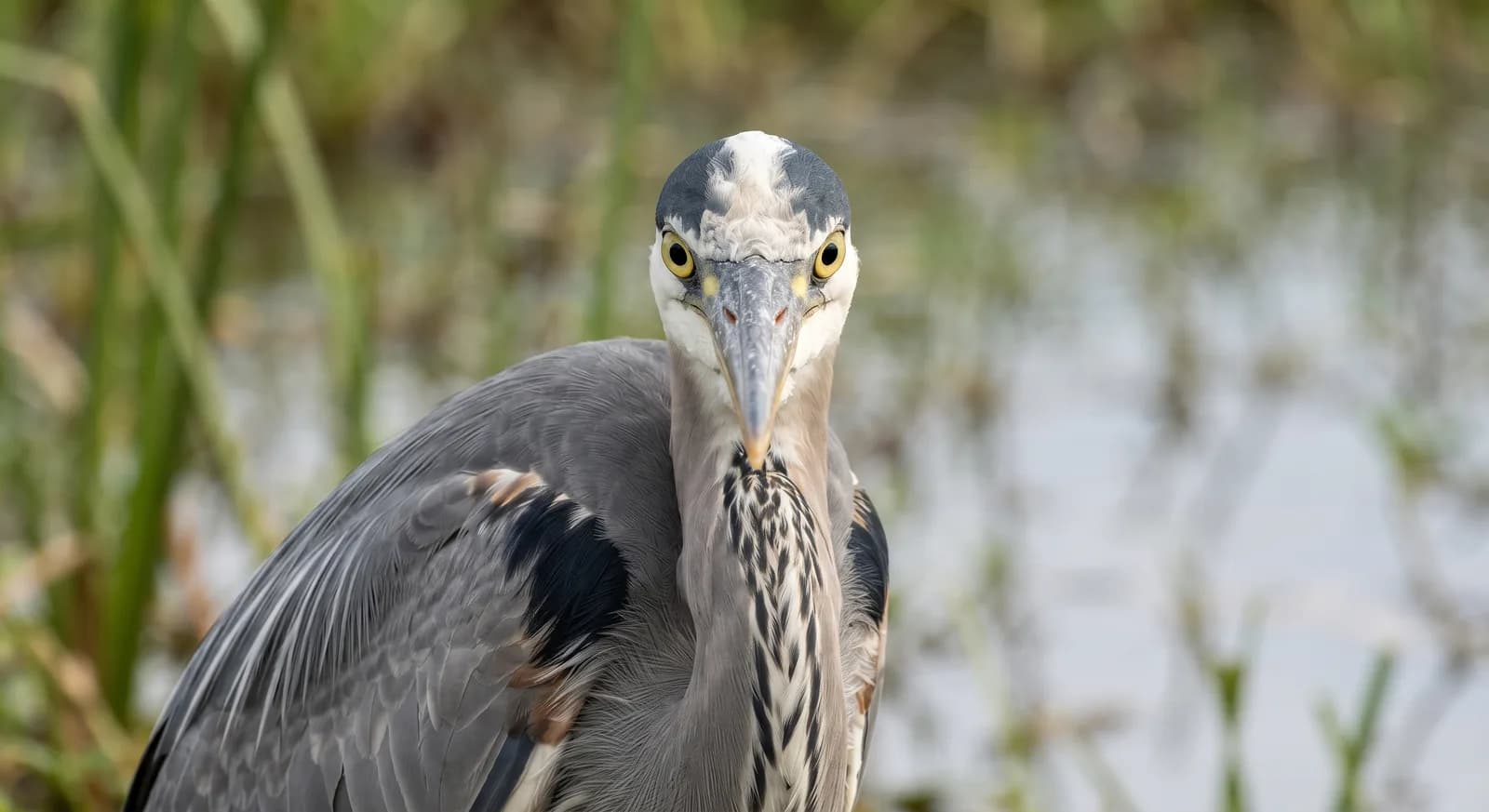
Garza mora
Ardea cocoi
 Least Concern
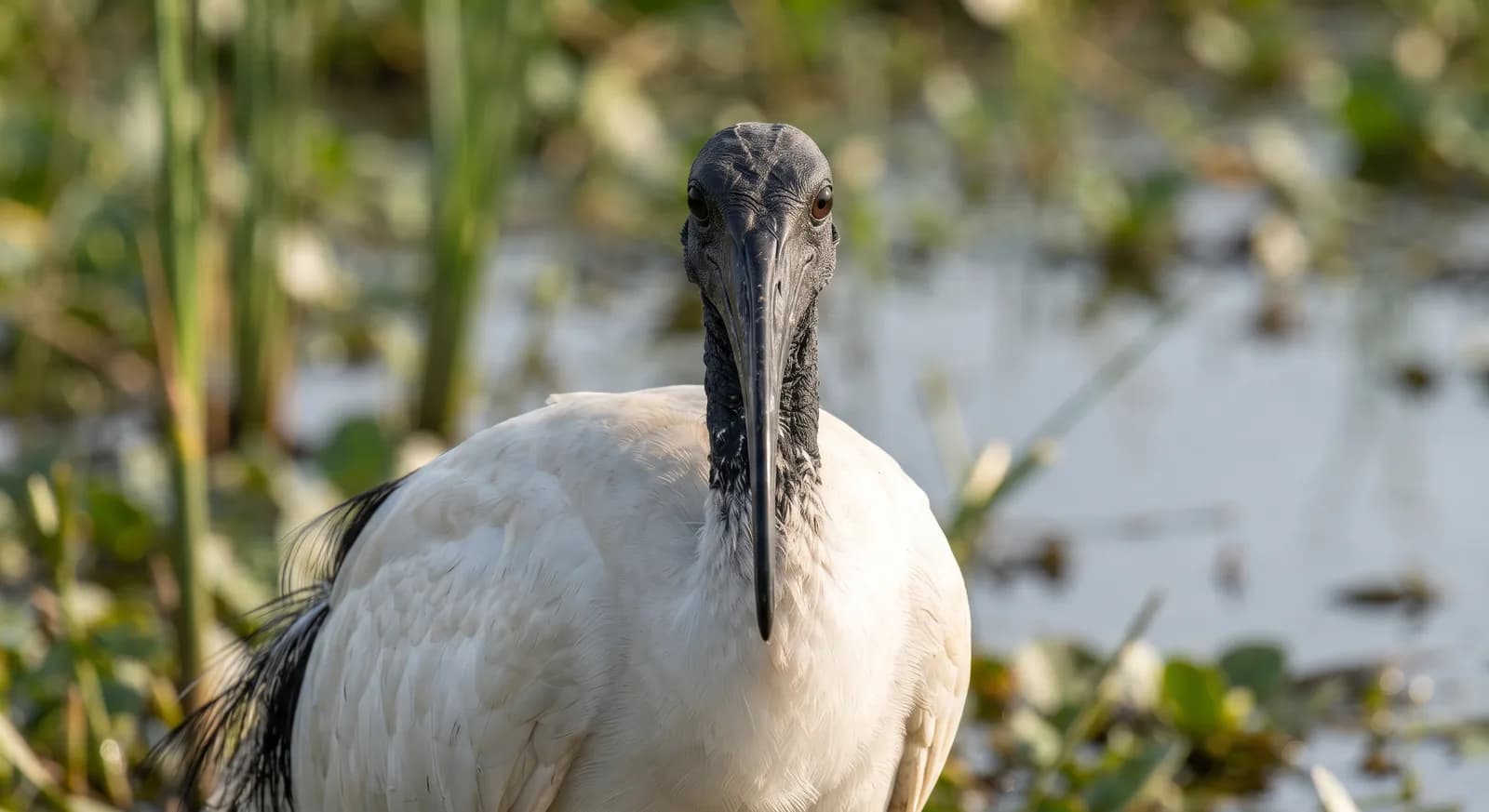
Ibis sagrado
Threskiornis aethiopicus
Mamba negra
Dendroaspis polylepis
Mamba verde oriental
Dendroaspis angusticeps
Mangosta enana
Helogale parvula
Mangosta rayada
Mungos mungo
Flora and ecosystems
Ecosystems found in Zimbabwe, where Nyanga lies.
Experiences in this park
Similar parks
Which other parks are like this one?
Victoria Falls / Mosi-oa-Tunya
Zimbabwe
Taita Falcon · Great Dusky Swift
View parkMismo país: Zimbabwe
Hwange
Zimbabwe
African elephant · African wild dog
View parkMismo país: Zimbabwe
Gonarezhou
Zimbabwe
African elephant · lion
View parkMismo país: Zimbabwe
Keep exploring
Based on what we already know about Nyanga.
Your rating
How many stars would you give Nyanga?
Comments
Share your experience visiting Nyanga, or a tip for other travellers.
Be the first to comment.