The "top of the world": the second most northerly park on the planet, at the north-eastern tip of Ellesmere Island.
Area
37,775 km²
Declared in
1988
Region
North America
Climate
Templado, Polar / frío
Best time
June to September
Highlight
Polar desert, ice caps and the Lake Hazen oasis
Quttinirpaaq means "top of the world" in Inuktitut and describes its situation well: it occupies the north-eastern corner of Ellesmere Island, in the Qikiqtaaluk region of Nunavut, and is the most northerly park on the planet after Northeast Greenland National Park. At 37,775 km² it is also the second largest park in Canada, behind only Wood Buffalo. It receives a mere handful of visitors a year: seven in the 2022-23 season.
The park combines glaciers and extensive ice caps with polar desert conditions, where precipitation is minimal and life adapts to an extreme regime. It includes seven fjords, Barbeau Peak — at 2,616 m the highest point in Nunavut — and Lake Hazen, the largest lake in North America north of the Arctic Circle. The Hazen basin functions as a thermal oasis: sheltered by the surrounding mountains, it enjoys a markedly milder climate than the rest of the park and concentrates most of its plant and animal life.
The vegetation is reduced to dwarf willow, Arctic cottongrass, grasses and lichens, and supports small populations of Arctic hare, lemming, muskox and Arctic wolf, as well as a very small nucleus of Peary caribou. Ringed and bearded seals, walrus, polar bears and narwhals appear in the waters and along the coasts. During the short summer, birds such as the semipalmated plover, the red knot, the gyrfalcon and the long-tailed skua breed here. The territory was declared Ellesmere Island National Park Reserve in 1988; with the creation of Nunavut in 1999 it was renamed Quttinirpaaq and shortly afterwards gained full national park status.
Location
See on the interactive map39 species documented in Quttinirpaaq
At conservation risk:Bacalao del Atlántico,Foca de casco,Gaviota tridáctila,Morsa,Tiburón de Groenlandia
Almeja aguja ártica
Nuculana pernula
Almeja de Islandia
Arctica islandica
Ampelis europeo
Bombycilla garrulus
 Vulnerable
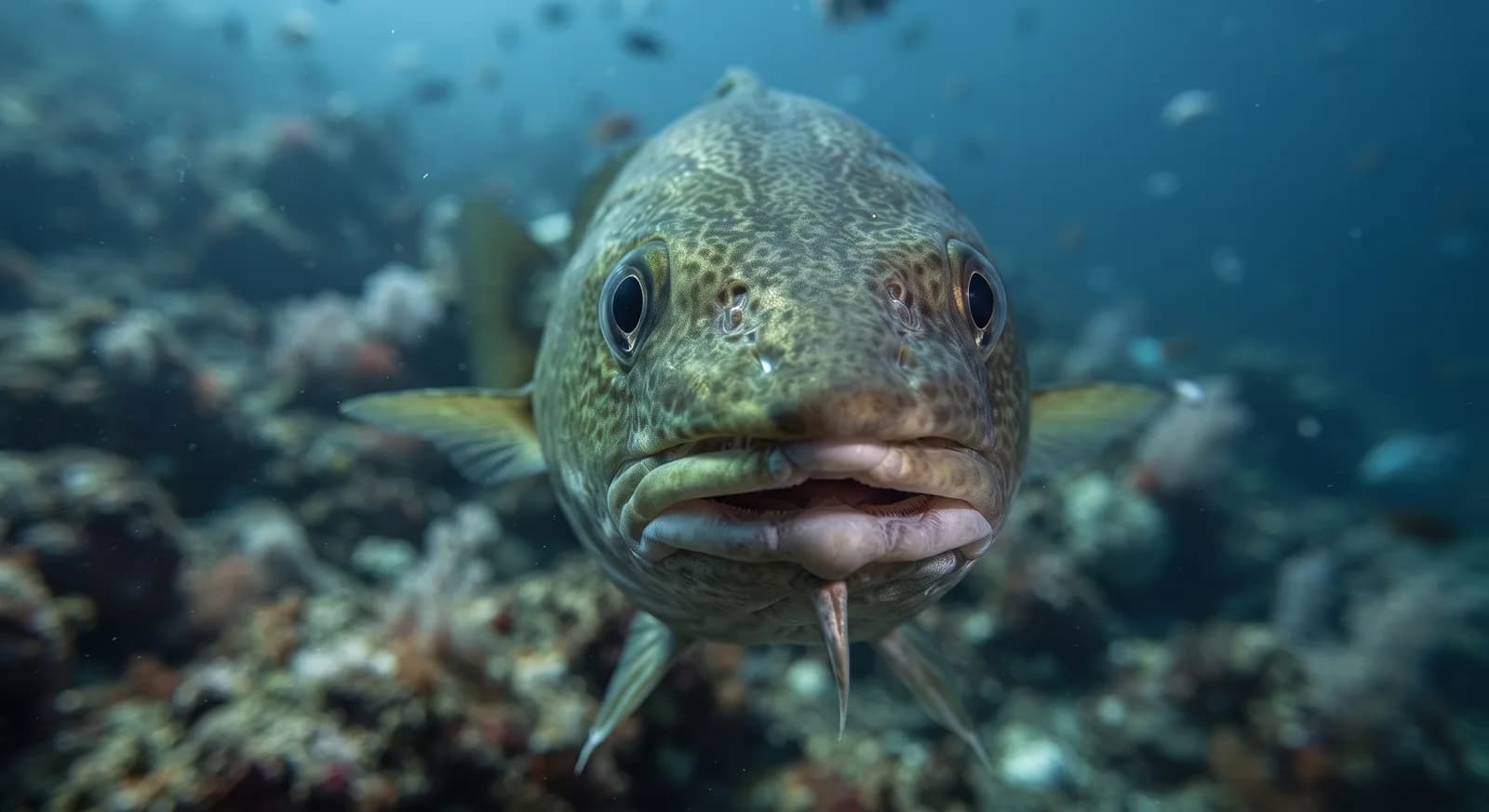
Bacalao del Atlántico
Gadus morhua
Ballena de Groenlandia
Balaena mysticetus
Barnacla canadiense
Branta canadensis
Barnacla carinegra
Branta bernicla
Bellota de mar del norte
Balanus balanus
 Near Threatened
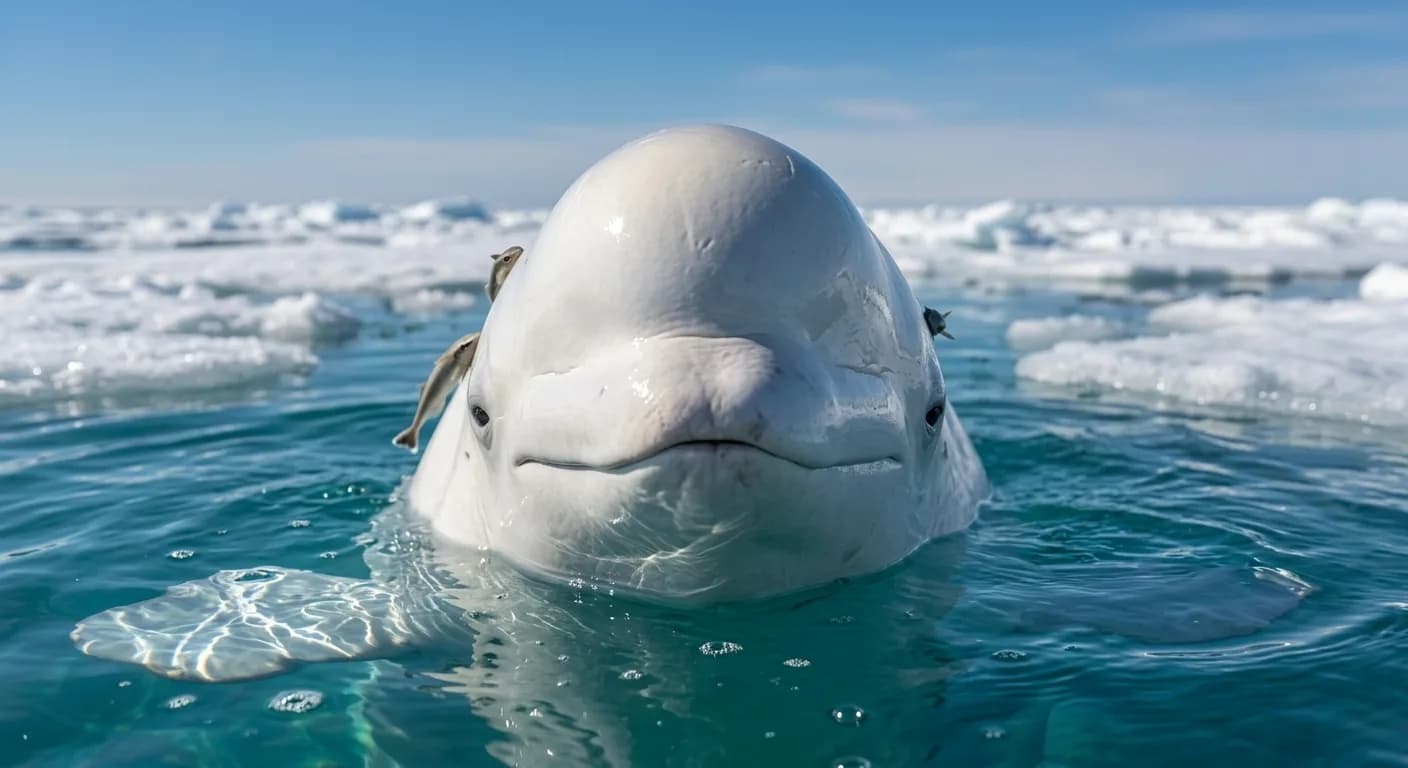
Beluga
Delphinapterus leucas
Camarón boreal
Pandalus borealis
Chorlito dorado americano
Pluvialis dominica
Chorlito gris
Pluvialis squatarola
Flora and ecosystems
Ecosystems found in Canada, where Quttinirpaaq lies.
Experiences in this park
Similar parks
Which other parks are like this one?
Keep exploring
Based on what we already know about Quttinirpaaq.
Your rating
How many stars would you give Quttinirpaaq?
Comments
Share your experience visiting Quttinirpaaq, or a tip for other travellers.
Be the first to comment.