- Skeleton type
- Vertebrate - internal bony skeleton (mammal)
- Habitat and environment
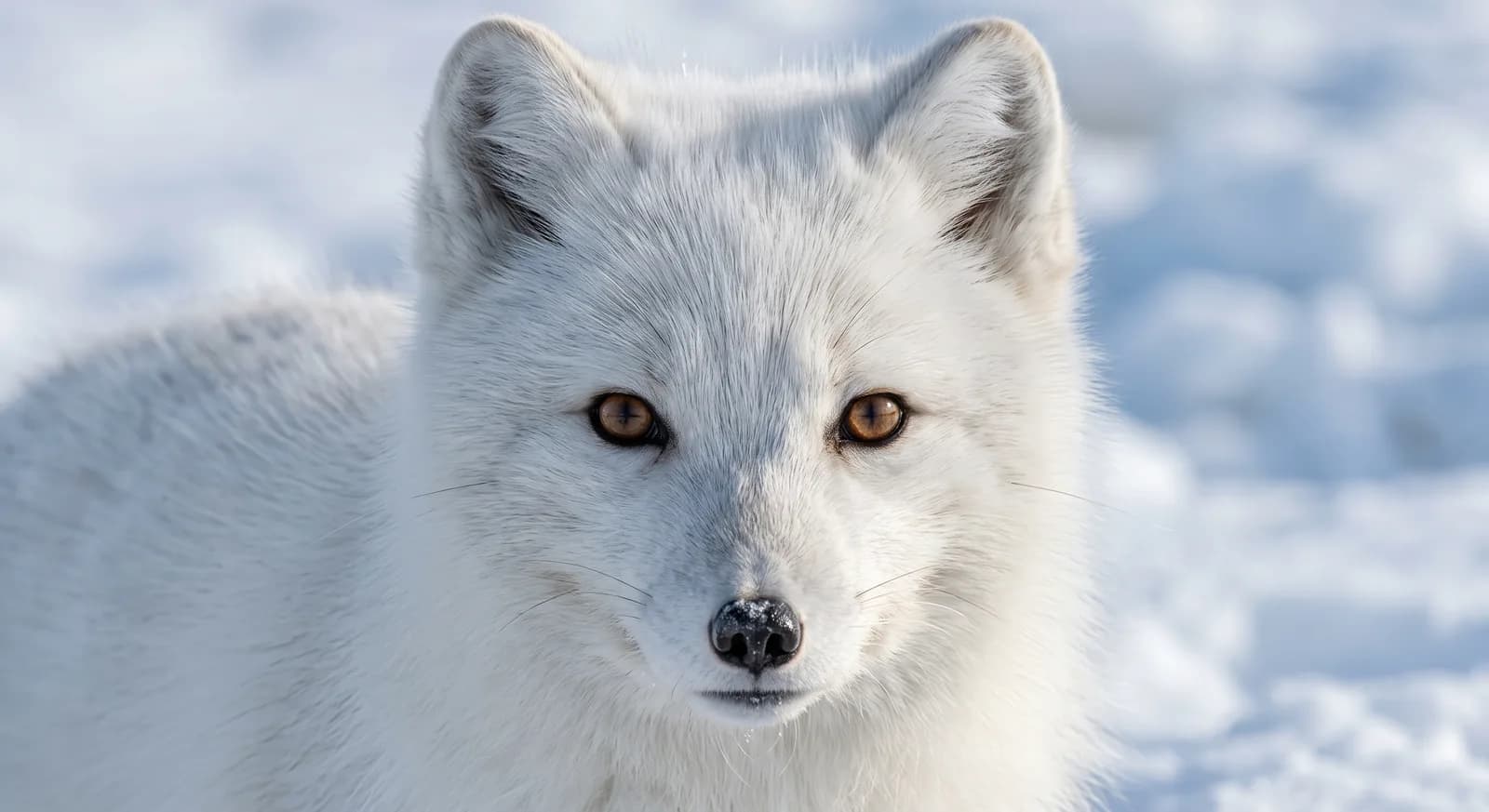
- Arctic tundra and coastal country right around the circumpolar north
- Birth weight
- 57-150 grams at birth (usual reference ~70 g)
- Size at birth
- Tiny at birth, with a dark coat
- Sexual maturity
- 9-10 months
- Gestation / incubation
- 49-57 days (usual reference 52 days)
- Litter / clutch size
- 5 to 25 cubs per litter, the largest of any carnivore
- Life expectancy in captivity
- Documented record of up to 16.3 years in captivity
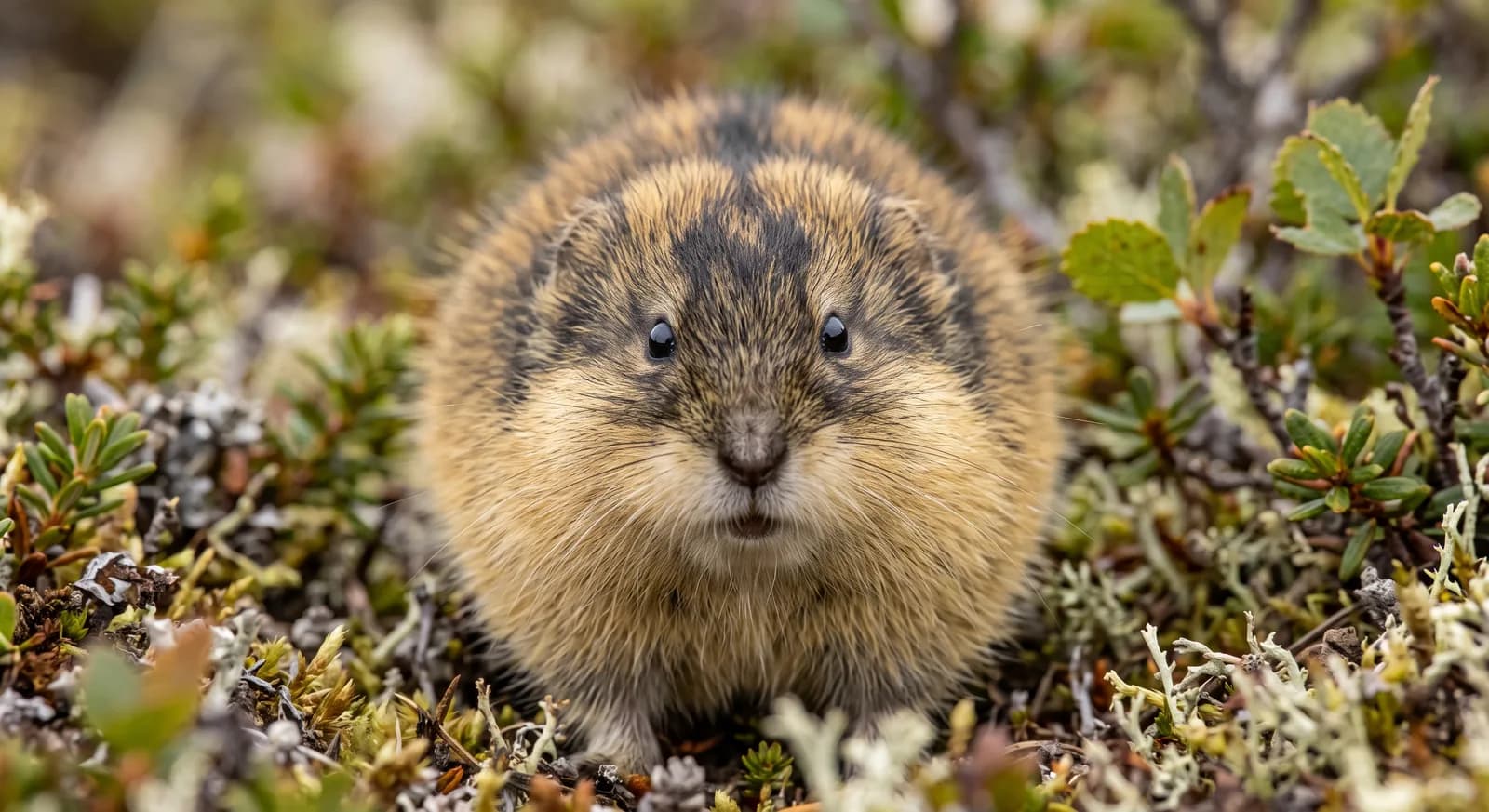
Sources consulted: AnAge (genomics.senescence.info); Britannica; Animal Diversity Web; A-Z Animals; Nature Table (WordPress); Arctic Portal; Animals We Like; Animalia.bio; IUCN Red List: Preocupación menor desde 2004, con una población global amplia; la abundancia fluctúa en ciclos de 3-4 años siguiendo a la de lemmings y topillos || IUCN Red List, evaluación de Vulpes lagopus; Wallén et al. 2023; WWF