Skip to content
WAnimals
  • Map
  • Species
  • Parks
  • Diving
Log inCreate account
WAnimals

The guide for travellers and animal lovers: discover, plan and share your wild adventures around the world.

Discover wildlife

  • Species
  • Ecosystems
  • Glossary
  • Tags

Explore places

  • Map
  • Countries
  • Parks
  • Diving

Plan experiences

  • Guides

Learn

  • Blog

Resources

  • About us
  • How we build our profiles
  • Help centre
  • Contact
  • Install the app

Follow us

Account

  • Log in
  • Create account

© 2026 WAnimals. All rights reserved.

Terms of servicePrivacyCookiesLegal notice
MapSpeciesParksDiving
  1. Home
  2. Species
  3. Band-bellied Owl

One of the 10 owls on WAnimals

Birds · Strigiformes · Strigidae

Band-bellied Owl

Pulsatrix melanota

Least Concern

The species is abundant and widely distributed; it faces no significant short-term risk.

Spotted something wrong?

The band-bellied owl is a nocturnal raptor of the montane forests of the Andes, with a dark facial disc crossed by strongly marked white eyebrows that give it the look of wearing spectacles, and a finely barred breast. It hunts small mammals, birds and large insects from perches in the understorey. It is unobtrusive and little known, and most records come from its call, a deep, repeated hooting.

Weight

400 g – 700 g

Size

41 cm – 48 cm

Life expectancy

15 years

Diet

Carnivore

Feeds mainly on other animals.

Activity

Nocturnal

Active mainly at night.

Social structure

In pairs

Usually lives in pairs, sometimes for life.

RainforestMountain
5countries18same family

Fun facts

  • Its white eyebrows over a dark facial disc give it the look of wearing spectacles, a feature it shares with the other owls of its genus and one that is surprisingly visible in the gloom of the cloud forest.
  • It is so unobtrusive that in many Andean countries it is better known by its voice than by its appearance: wildlife surveys almost always record it by call rather than by sighting.

Life cycle and biology

Skeleton type
Vertebrate - internal bony skeleton (bird)
Habitat and environment
Montane cloud forest and Andean foothill rainforest, between 700 and 2,500 metres
Sexual maturity
2 years
Gestation / incubation
35 days of incubation
Litter / clutch size
2 eggs

Sources consulted: IUCN Red List · Animal Diversity Web · Wikipedia (es)

Where to find it

Loading map…

Related species

Other species in the catalogue with the most in common with Band-bellied Owl — same habitat, park, country, tags or family.

Same taxonomic family

Keep exploring

Based on what we already know about band-bellied owl.
Share an experience, a fun fact or a tip for seeing the band-bellied owl.
See full glossary
This page in other languages: Español · Deutsch · Français · Português · Italiano
See its range on the interactive map→
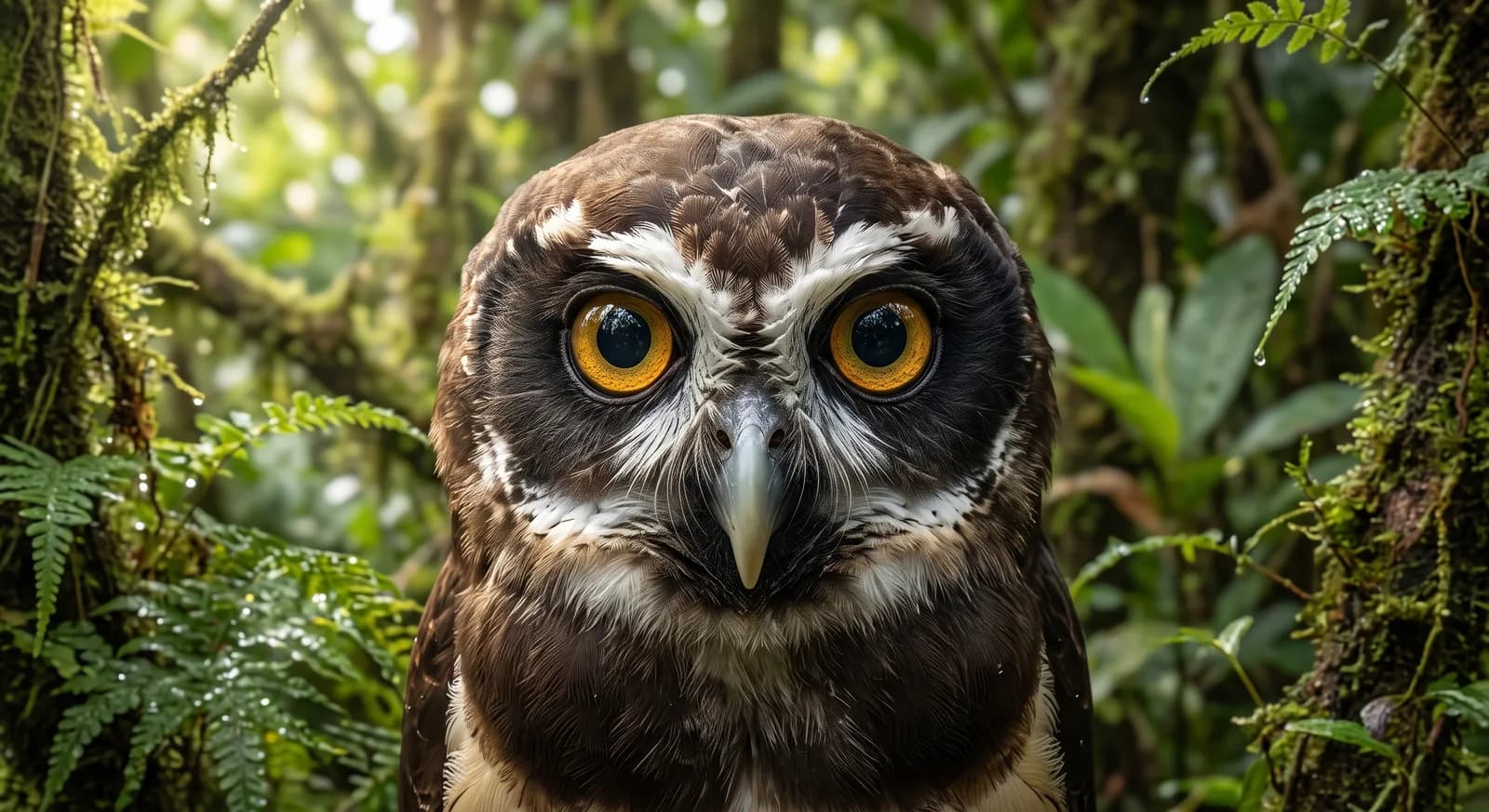
Spectacled OwlLeast Concern

Spectacled Owl

Pulsatrix perspicillata

Least Concern

Great Horned Owl

Bubo virginianus

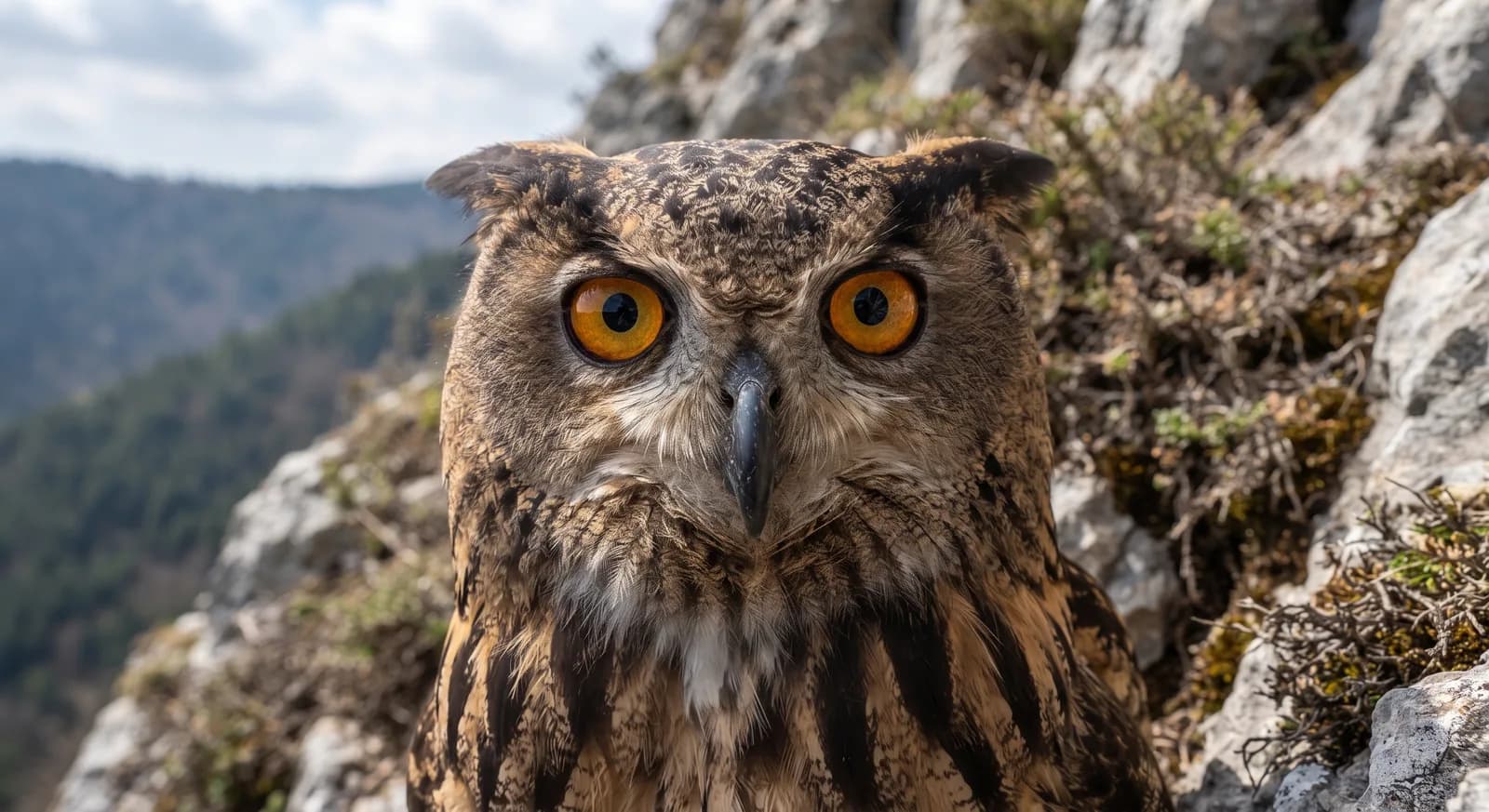
Eurasian Eagle-OwlLeast Concern

Eurasian Eagle-Owl

Bubo bubo

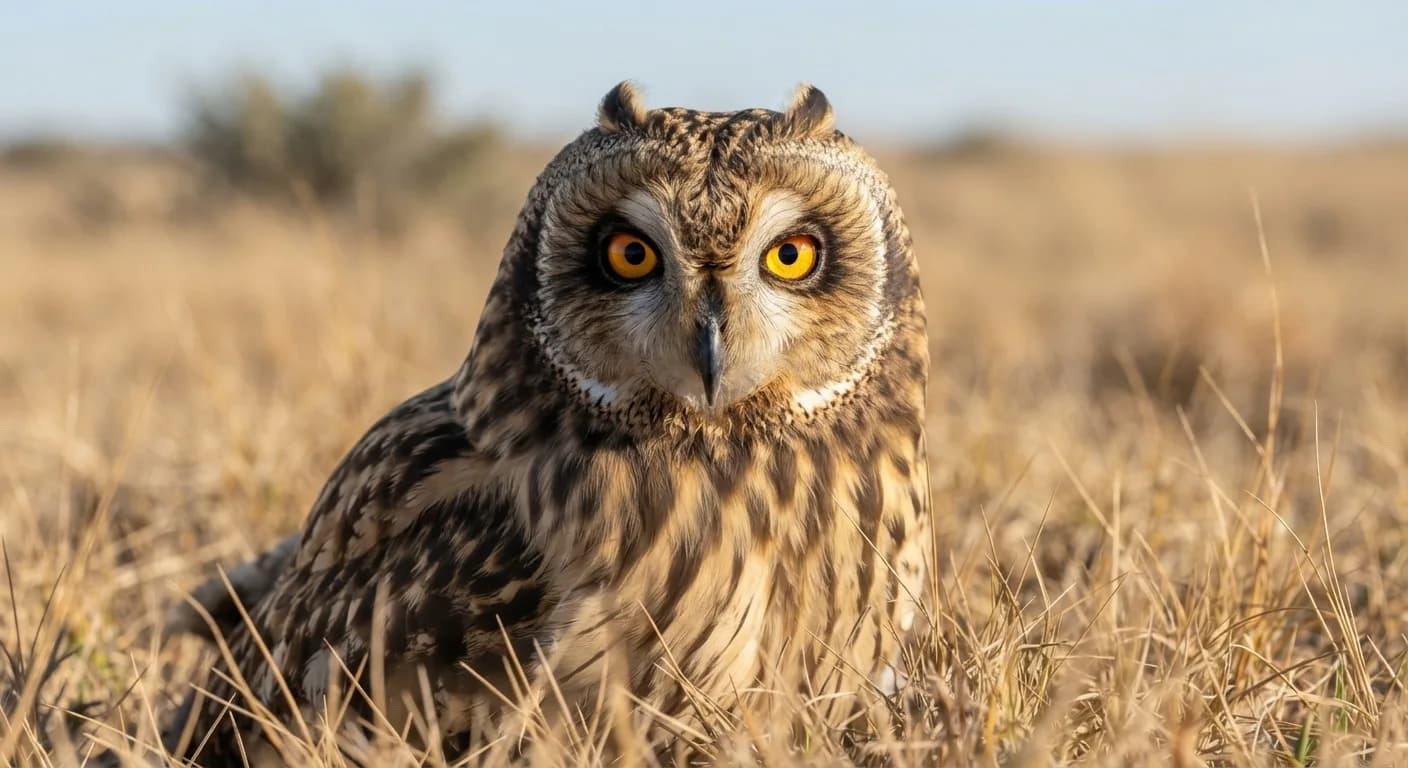
Short-eared OwlLeast Concern

Short-eared Owl

Asio flammeus

Elf OwlLeast Concern

Elf Owl

Micrathene whitneyi

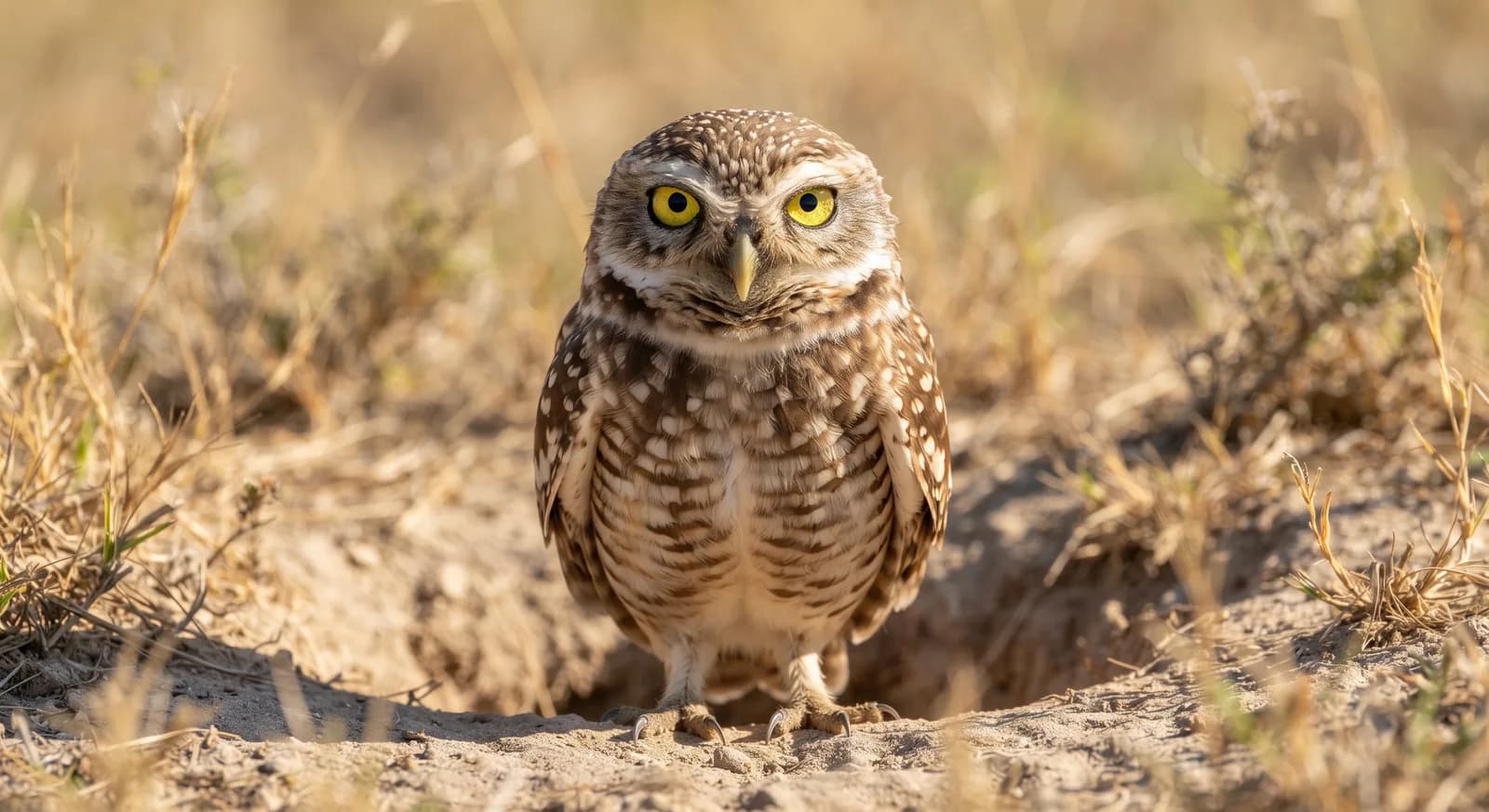
Burrowing OwlLeast Concern

Burrowing Owl

Athene cunicularia

CountriesBolivia
TagsCarnivore
Carnivore
Nocturnal
In pairs
Bird
Rainforest
Mountain
Bolivia
Colombia
Ecuador
Peru
Venezuela