Skip to content
WAnimals
  • Map
  • Species
  • Parks
  • Diving
Log inCreate account
WAnimals

The guide for travellers and animal lovers: discover, plan and share your wild adventures around the world.

Discover wildlife

  • Species
  • Ecosystems
  • Glossary
  • Tags

Explore places

  • Map
  • Countries
  • Parks
  • Diving

Plan experiences

  • Guides

Learn

  • Blog

Resources

  • About us
  • How we build our profiles
  • Help centre
  • Contact
  • Install the app

Follow us

Account

  • Log in
  • Create account

© 2026 WAnimals. All rights reserved.

Terms of servicePrivacyCookiesLegal notice
MapSpeciesParksDiving
  1. Home
  2. Species
  3. Blue-naped Mousebird

Birds · Coliiformes · Coliidae

Blue-naped Mousebird

Urocolius macrourus

Least Concern

The species is abundant and widely distributed; it faces no significant short-term risk.

Spotted something wrong?

The blue-naped mousebird is a mousebird with a very long tail, a turquoise patch on the nape and a bare red area around the eye. It lives in the most arid parts of the Sahelo-Somali belt and moves in groups that creep through thorny vegetation with remarkable agility. Like its relatives, it sleeps in a cluster hanging from a branch.

Weight

38 g – 65 g

Size

33 cm – 36 cm

Life expectancy

12 years

Diet

Herbivore

Feeds mainly on plants.

Activity

Diurnal

Active mainly during the day.

Social structure

Family group

Lives in small family groups with close bonds.

SavannaDesert
12countries1same family

Fun facts

  • Like all mousebirds, it can rotate all four toes forwards or backwards, which lets it hang upside down from branches while it eats, a posture no other bird adopts with such ease.
  • It sleeps in a cluster: the group hangs packed together in a dangling mass and goes into night-time torpor, lowering its body temperature to save energy in the desert.
  • It is one of the few small birds with an almost entirely plant diet, tough leaves included, and it has an adapted digestive system that other birds of its size do not have.

Life cycle and biology

Skeleton type
Vertebrate - internal bony skeleton (bird)
Habitat and environment
Thorn savannah, dry scrub and acacia woodland of the arid African belt
Birth weight
Altricial: born blind, naked or with sparse down and entirely dependent
Size at birth
Altricial: born blind, naked or with sparse down and entirely dependent
Sexual maturity
12 months
Gestation / incubation
14 days of incubation
Litter / clutch size
3 eggs

Sources consulted: Wikipedia (en): Blue-naped mousebird

Where to find it

Best time: All year round in the arid savannahs of the Sahel and East Africa, by day; it flies in groups, with a very elongated outline because of the tail.

Loading map…

Related species

Other species in the catalogue with the most in common with Blue-naped Mousebird — same habitat, park, country, tags or family.

Same taxonomic family
Related to
Related to
Related to
Related to
Related to

Keep exploring

Based on what we already know about blue-naped mousebird.
Share an experience, a fun fact or a tip for seeing the blue-naped mousebird.
See full glossary
This page in other languages: Español · Deutsch · Français · Português · Italiano
See its range on the interactive map→
Least Concern

Speckled Mousebird

Colius striatus

Least Concern

Bush Hyrax

Heterohyrax brucei

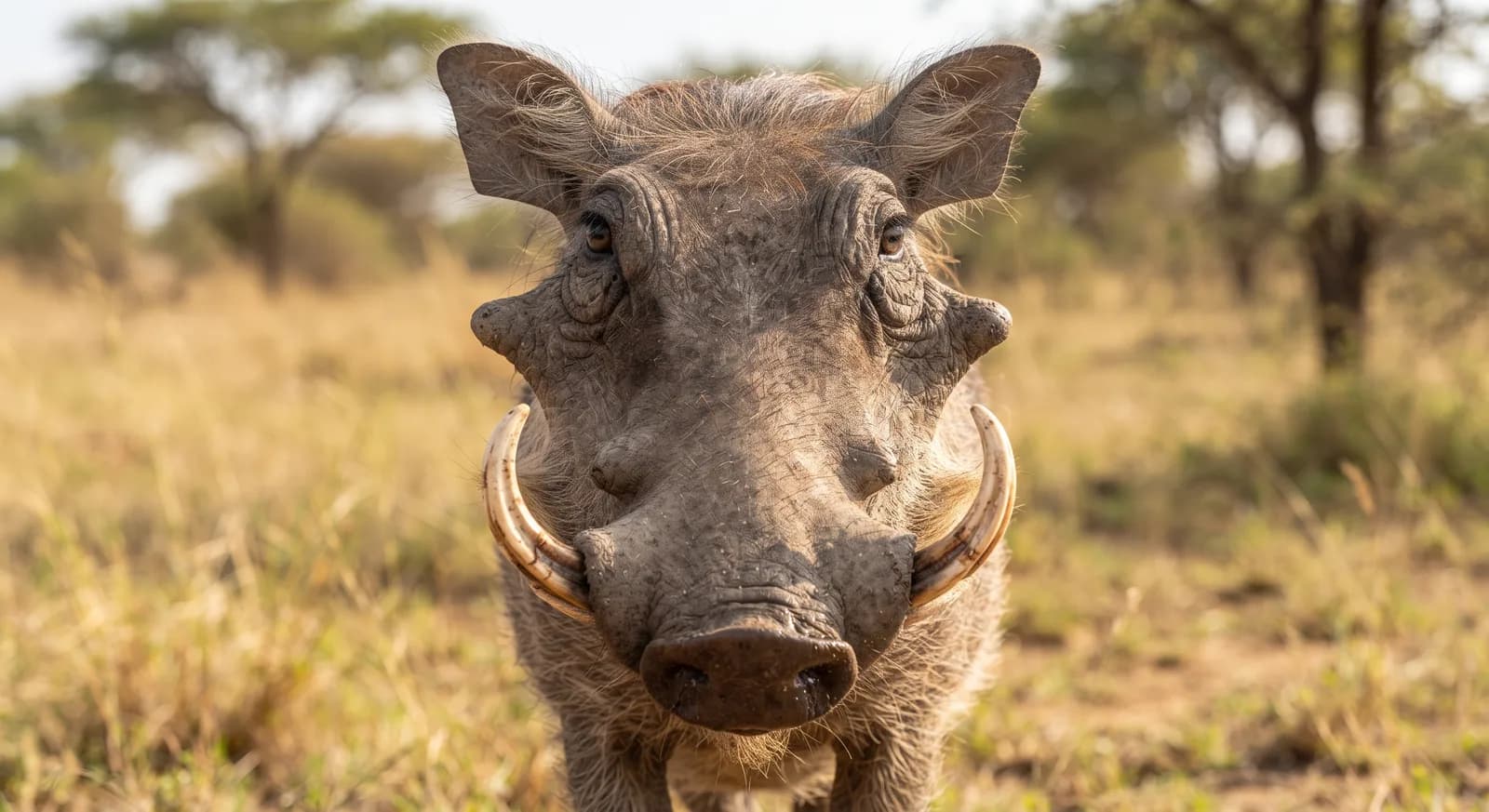
Common WarthogLeast Concern

Common Warthog

Phacochoerus africanus

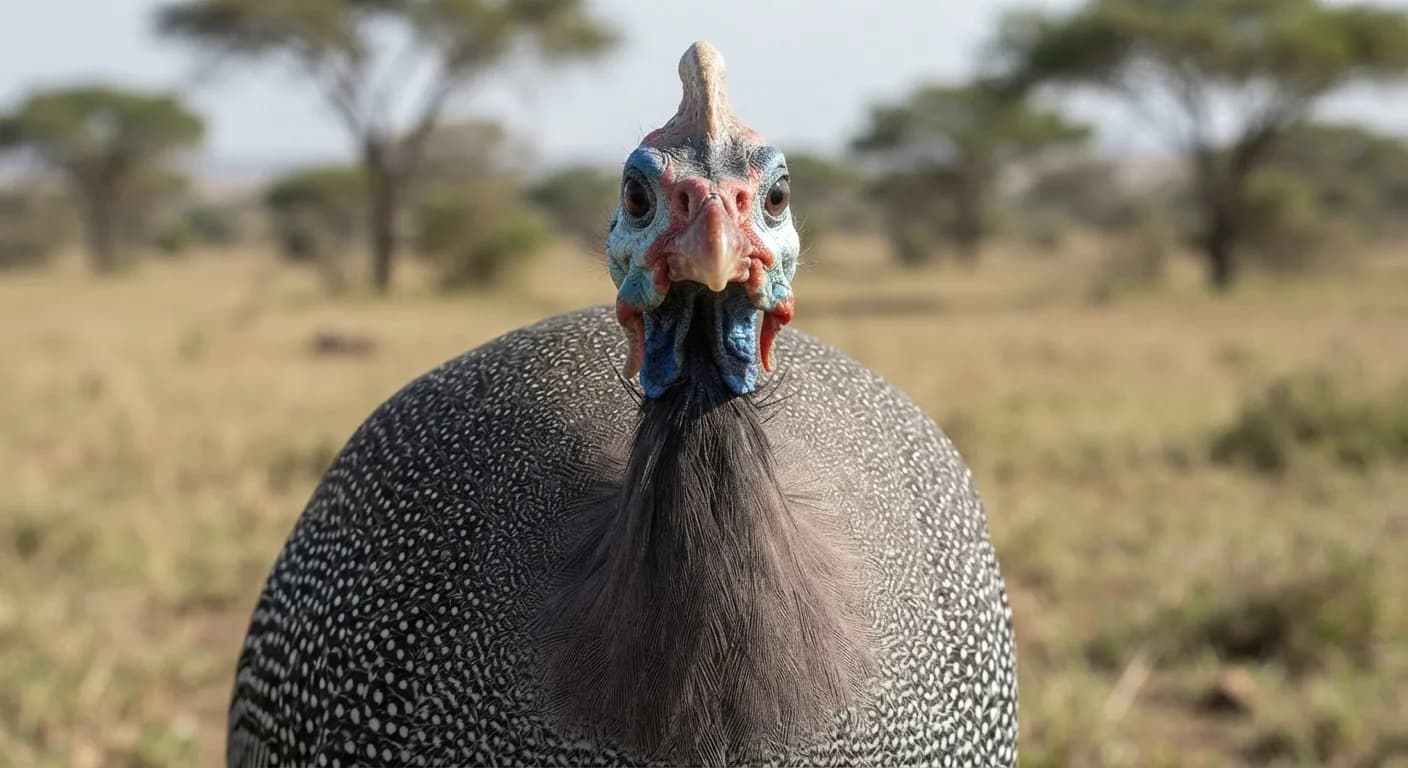
Helmeted GuineafowlLeast Concern

Helmeted Guineafowl

Numida meleagris

Least Concern

Black-bellied Sandgrouse

Pterocles orientalis

Least Concern

Violet Turaco

Musophaga violacea

CountriesCameroon
TagsHerbivore
Herbivore
Diurnal
Family group
Bird
Savannah
Desert
Cameroon
Chad
Ethiopia
Kenya
Mali
Niger
Cameroon
Chad
Ethiopia
Kenya
Mali
Niger
Nigeria
Senegal
Somalia
Sudan
Tanzania
Uganda