Skip to content
WAnimals
  • Map
  • Species
  • Parks
  • Diving
Log inCreate account
WAnimals

The guide for travellers and animal lovers: discover, plan and share your wild adventures around the world.

Discover wildlife

  • Species
  • Ecosystems
  • Glossary
  • Tags

Explore places

  • Map
  • Countries
  • Parks
  • Diving

Plan experiences

  • Guides

Learn

  • Blog

Resources

  • Help centre
  • Contact
  • Install the app

Follow us

Account

  • Log in
  • Create account

© 2026 WAnimals. All rights reserved.

About usHow we build our profilesTerms of servicePrivacyLegal notice
MapSpeciesParksDiving
  1. Home
  2. Species
  3. Emerald Tree Boa

One of the 10 boas on WAnimals

Reptiles · Squamata · Boidae

Emerald Tree Boa

Corallus caninus

Least Concern

The species is abundant and widely distributed; it faces no significant short-term risk.

Spotted something wrong?

The emerald tree boa is an arboreal constrictor of intense green with white lines along the back, which spends the day coiled in symmetrical loops over a horizontal branch with its head in the centre. At night it hunts by ambush: it hangs the front part of its body in a hook shape and strikes at the birds and rodents that pass underneath.

Weight

1 kg – 1.8 kg

Size

1.5 m – 2.1 m

Life expectancy

20 years

Diet

Carnivore

Feeds mainly on other animals.

Activity

Nocturnal

Active mainly at night.

Social structure

Solitary

Lives and hunts alone, joining others only to breed.

Sighting difficulty

Easy

Rainforest
12countries27parks11same family

Fun facts

  • biologíaIt lives in the trees of the Amazon, its deep green hiding it almost completely among the leaves; the young are born orange or red before they change colour.
  • Its resting posture is unmistakable: it coils its body into stacked, perfectly symmetrical loops over a branch, with its head resting in the centre, an image that has made this species an icon of nature photography.
  • It senses heat with labial pits so sensitive that it can locate and strike a bird in total darkness, guided only by its thermal signature.
  • Its front teeth are the longest of any non-venomous snake in proportion to the skull, adapted to pierce the dense plumage of birds before gripping them.

Life cycle and biology

Skeleton type
Vertebrate - internal bony skeleton (reptile)
Habitat and environment
Canopy of lowland rainforest of the Amazon basin and the Guianas
Sexual maturity
4 years
Gestation / incubation
7 months of gestation
Litter / clutch size
10 live young

Sources consulted: https://en.wikipedia.org/wiki/Emerald_tree_boa

Where to find it

Loading map…

The pins mark the parks where its presence is documented.

Where to see it

Parks and dive sites where this species has been documented — showing 10 of 27.

Related species

Other species in the catalogue with the most in common with Emerald Tree Boa — same habitat, park, country, tags or family.

Same taxonomic family
Shares a park
Shares a park
Shares a park

Keep exploring

Based on what we already know about emerald tree boa.

Comments

Share an experience, a fun fact or a tip for seeing the emerald tree boa.

Be the first to comment.
See full glossary
This page in other languages: Español · Deutsch · Français · Português · Italiano
See its range on the interactive map→
ManuPeru
TambopataPeru
Cordillera AzulPeru
YasuníEcuador
AmacayacuColombia
MadidiBolivia
Noel Kempff MercadoBolivia
CanaimaVenezuela
KaieteurGuyana
South Suriname Nature ReserveSuriname
See all 27 parks
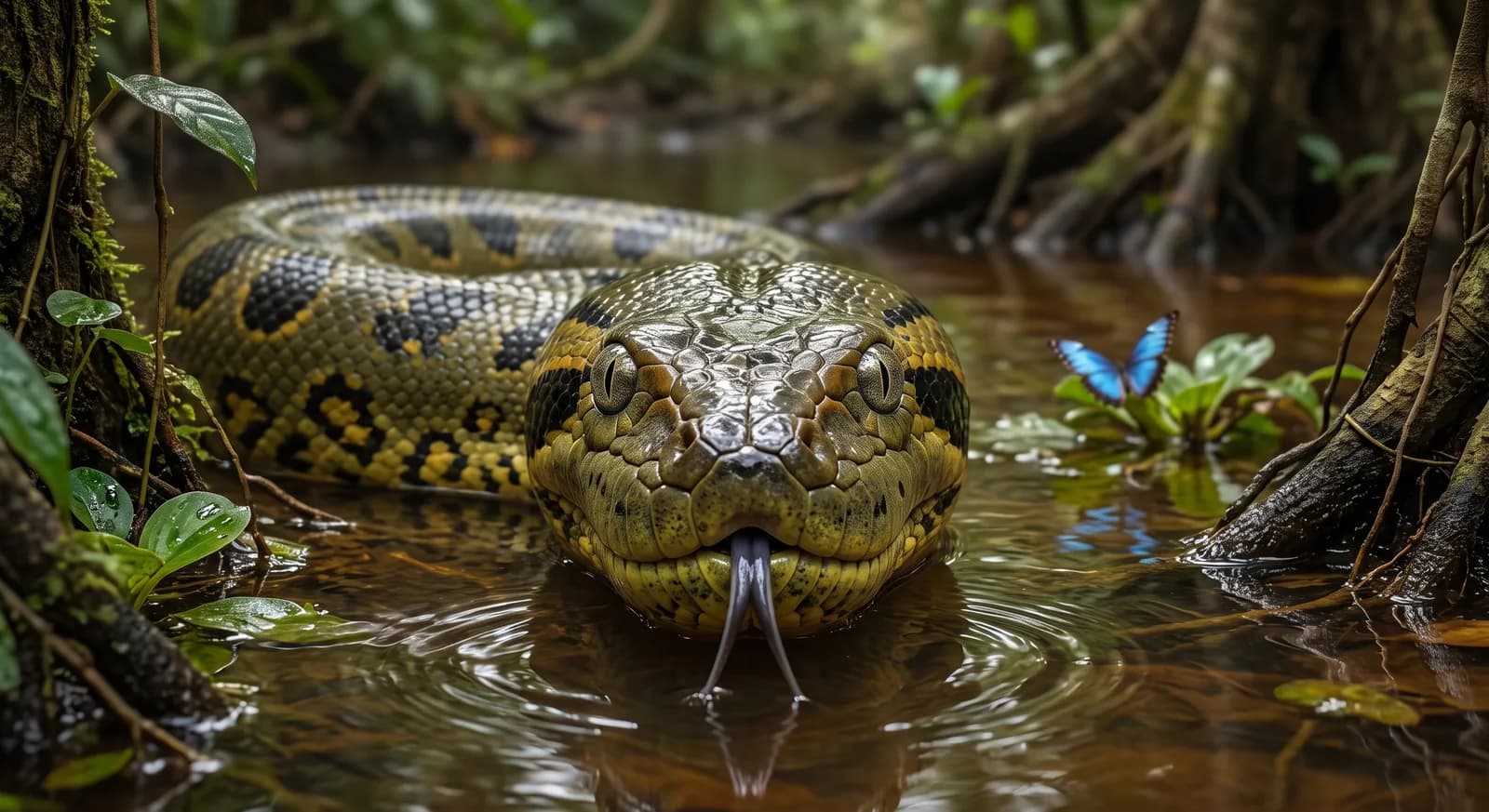
Green AnacondaLeast Concern

Green Anaconda

Eunectes murinus

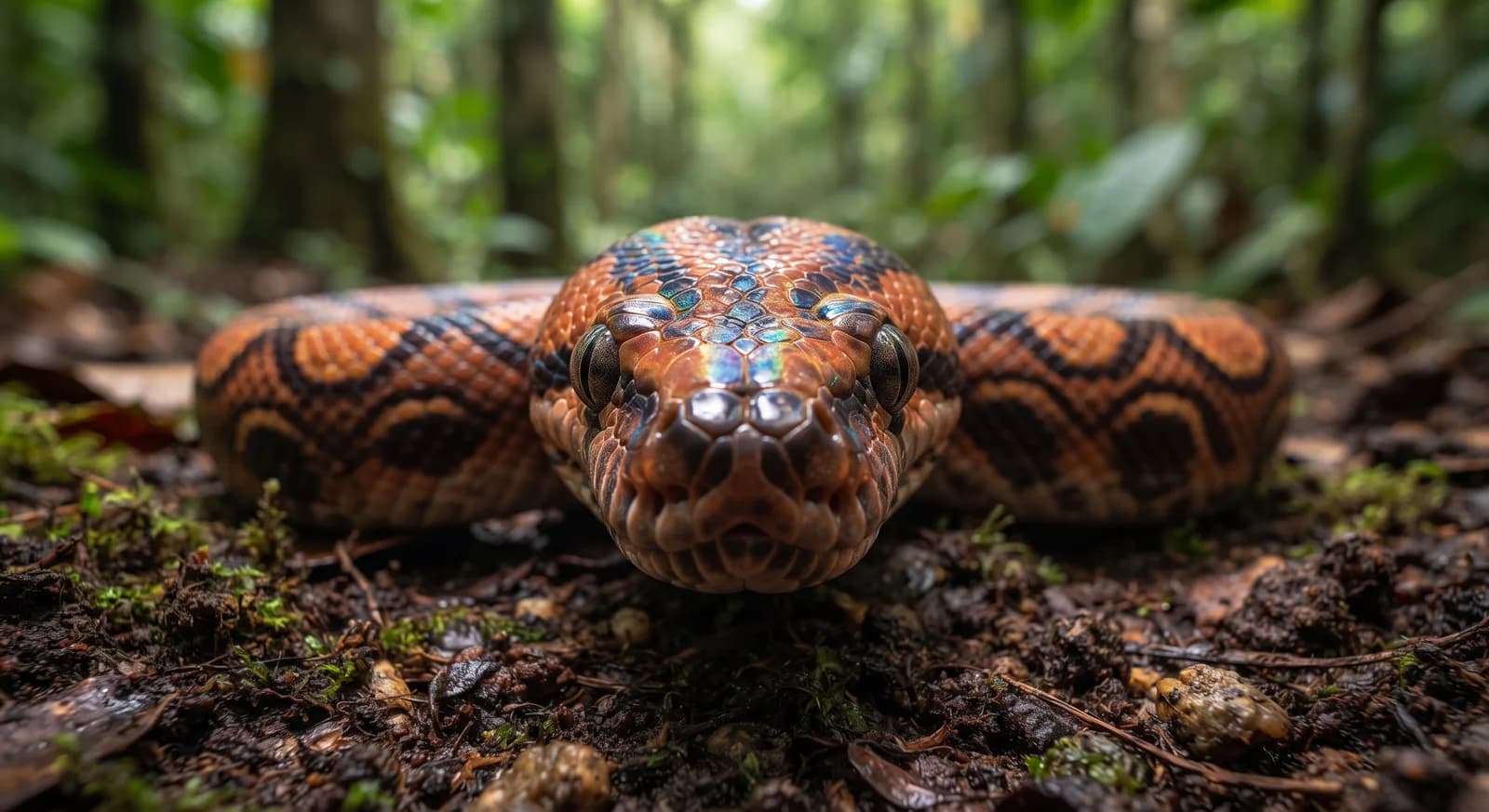
Rainbow BoaLeast Concern

Rainbow Boa

Epicrates cenchria

Yellow AnacondaLeast Concern

Yellow Anaconda

Eunectes notaeus

Least Concern

Water Opossum

Chironectes minimus

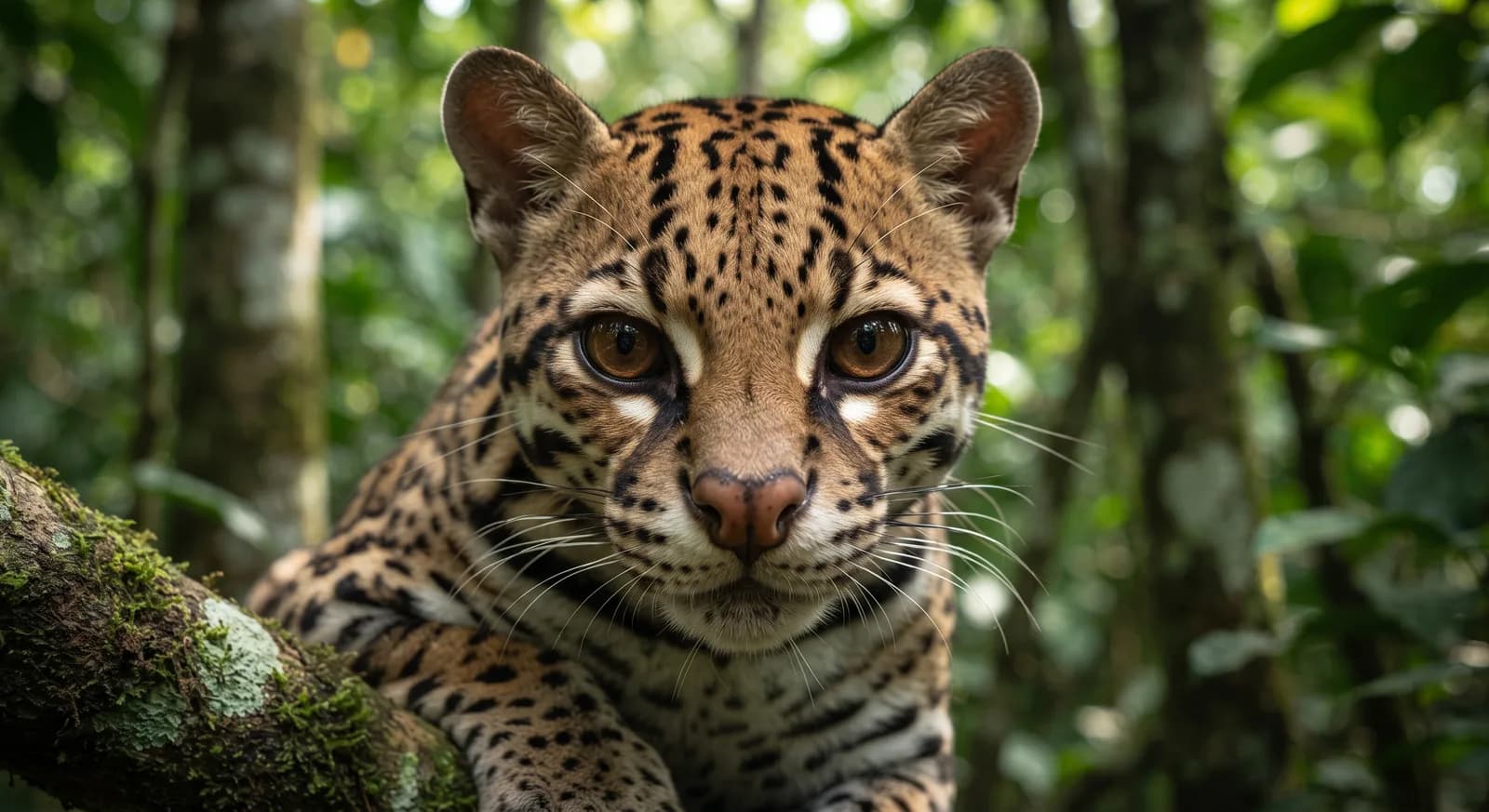
OcelotLeast Concern

Ocelot

Leopardus pardalis

Least Concern

Dwarf Caiman

Paleosuchus palpebrosus

CountriesPeru
ParksManuPeru
TagsCarnivore
Carnivore
Nocturnal
Solitary
Reptile
Rainforest

South America11

North America1

Peru
Bolivia
Brazil
Colombia
Suriname
Ecuador
Argentina
Bolivia
Brazil
Colombia
Ecuador
French Guiana
Guyana
Paraguay
Peru
Suriname
Venezuela
Trinidad and Tobago