Skip to content
WAnimals
  • Map
  • Species
  • Parks
  • Diving
Log inCreate account
WAnimals

The guide for travellers and animal lovers: discover, plan and share your wild adventures around the world.

Discover wildlife

  • Species
  • Ecosystems
  • Glossary
  • Tags

Explore places

  • Map
  • Countries
  • Parks
  • Diving

Plan experiences

  • Guides

Learn

  • Blog

Resources

  • About us
  • How we build our profiles
  • Help centre
  • Contact
  • Install the app

Follow us

Account

  • Log in
  • Create account

© 2026 WAnimals. All rights reserved.

Terms of servicePrivacyCookiesLegal notice
MapSpeciesParksDiving
  1. Home
  2. Species
  3. Great Auk

One of the 2 auks on WAnimals

Birds · Charadriiformes · Alcidae

Great Auk

Pinguinus impennis

Extinct

No living individual remains anywhere in the world.

Spotted something wrong?

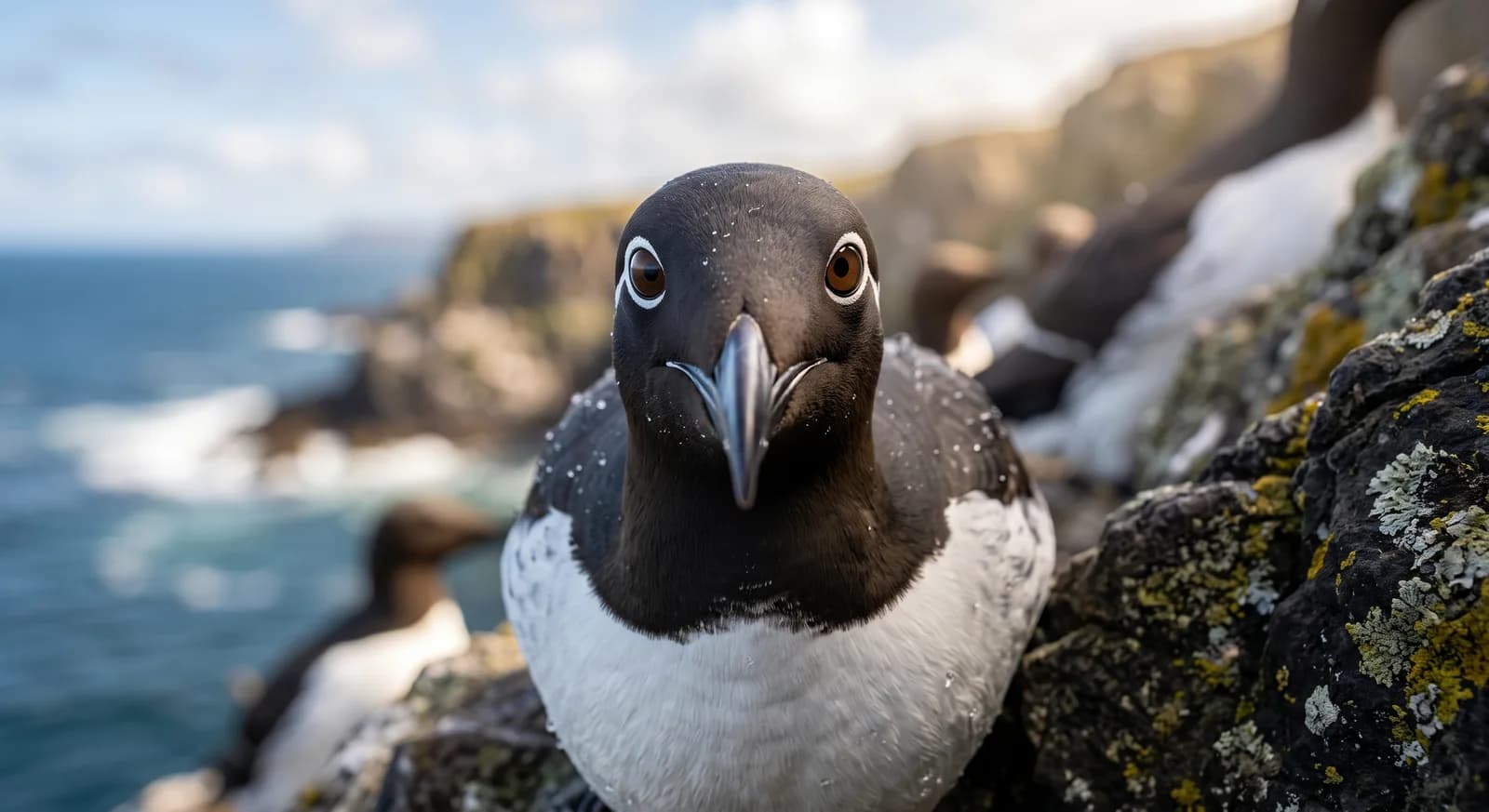
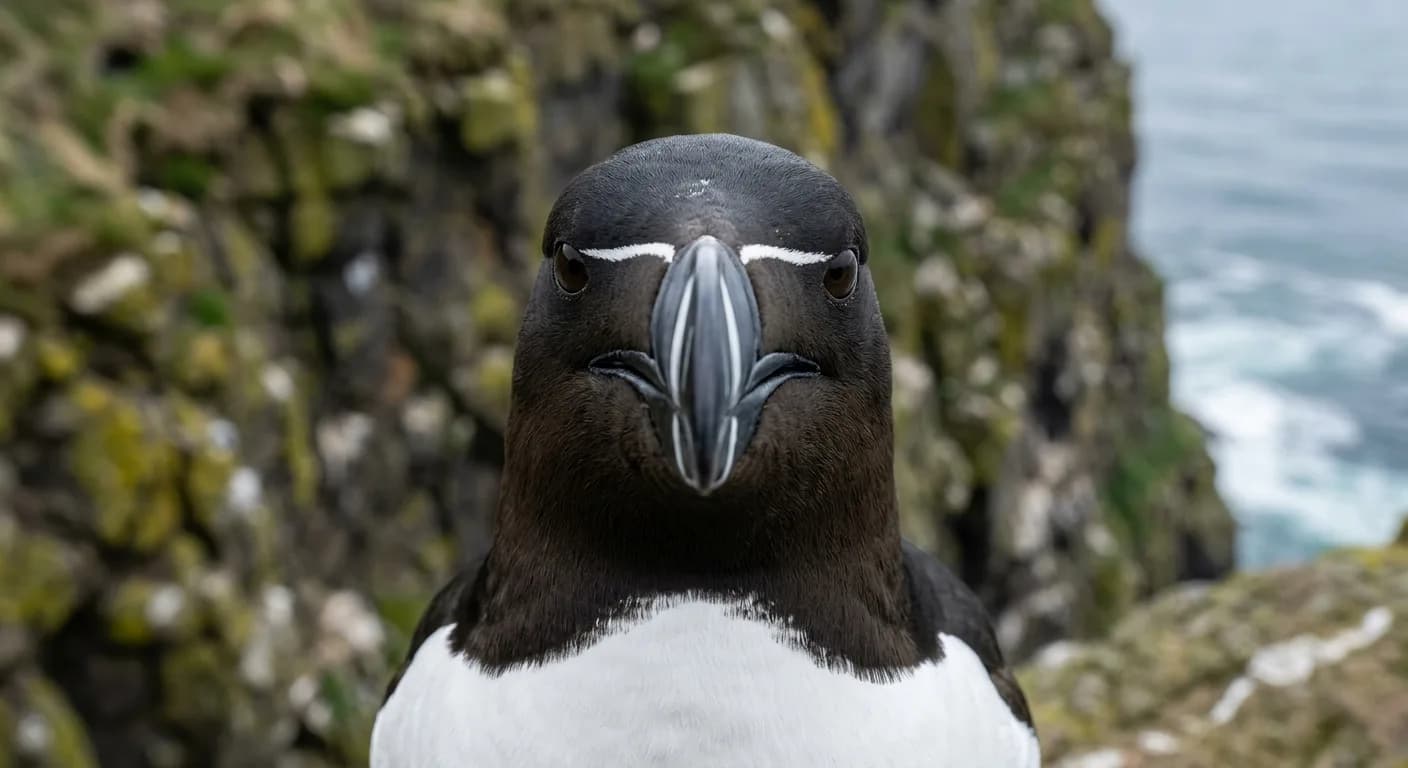
The great auk is an extinct species of charadriiform bird of the family Alcidae. It was the largest of the auks. Unlike today's auks, the great auk was unable to fly, although it was a good swimmer and diver. By the end of the sixteenth century it had already disappeared from continental Europe. It survived in Iceland for some decades. It became completely extinct in the middle of the nineteenth century.

Weight

4 kg – 5 kg

Size

75 cm – 85 cm

Diet

Carnivore

Feeds mainly on other animals.

Activity

Diurnal

Active mainly during the day.

Social structure

Colony

Lives in large concentrations, often for breeding reasons.

OceanPolarIslands
8countries7same family

Fun facts

  • GeneralA flightless northern seabird; the last known pair was killed in Iceland in 1844.
  • It was the original penguin: European sailors called it "penguin", and when explorers in the south found similar birds they applied the same name to them, although they were not related at all.
  • The last two known individuals were strangled on the Icelandic island of Eldey on 3 June 1844 at the request of a collector, and one of them was incubating an egg that was broken in the struggle.
  • Its extinction was one of those that prompted the first bird protection laws in the United Kingdom, back in the nineteenth century.
  • It was the original "penguin": European sailors applied that name to this auk centuries before reaching the southern hemisphere, and the Antarctic birds were named after it for the resemblance, despite not being related. The last known pair was strangled on the islet of Eldey (Iceland) on 3 June 1844, and the egg the female was incubating broke in the struggle. About 80 mounted specimens and about 75 eggs survive in museums.

Life cycle and biology

Skeleton type
Vertebrate - internal bony skeleton (bird)
Habitat and environment
Cold waters of the North Atlantic; it bred on rocky islets with easy access from the sea
Size at birth
The chick may have developed exceptionally fast and left the colony at barely nine days old
Gestation / incubation
About 44 days of incubation, by both parents
Litter / clutch size
1 egg

Sources consulted: Wikipedia (es): Pinguinus impennis

Where it lived

Loading map…

Related species

Other species in the catalogue with the most in common with Great Auk — same habitat, park, country, tags or family.

Same taxonomic family

Keep exploring

Based on what we already know about great auk.
Share an experience, a fun fact or a tip for seeing the great auk.
See full glossary
This page in other languages: Español · Deutsch · Français · Português · Italiano
See its range on the interactive map→
Ancient MurreletLeast Concern

Ancient Murrelet

Synthliboramphus antiquus

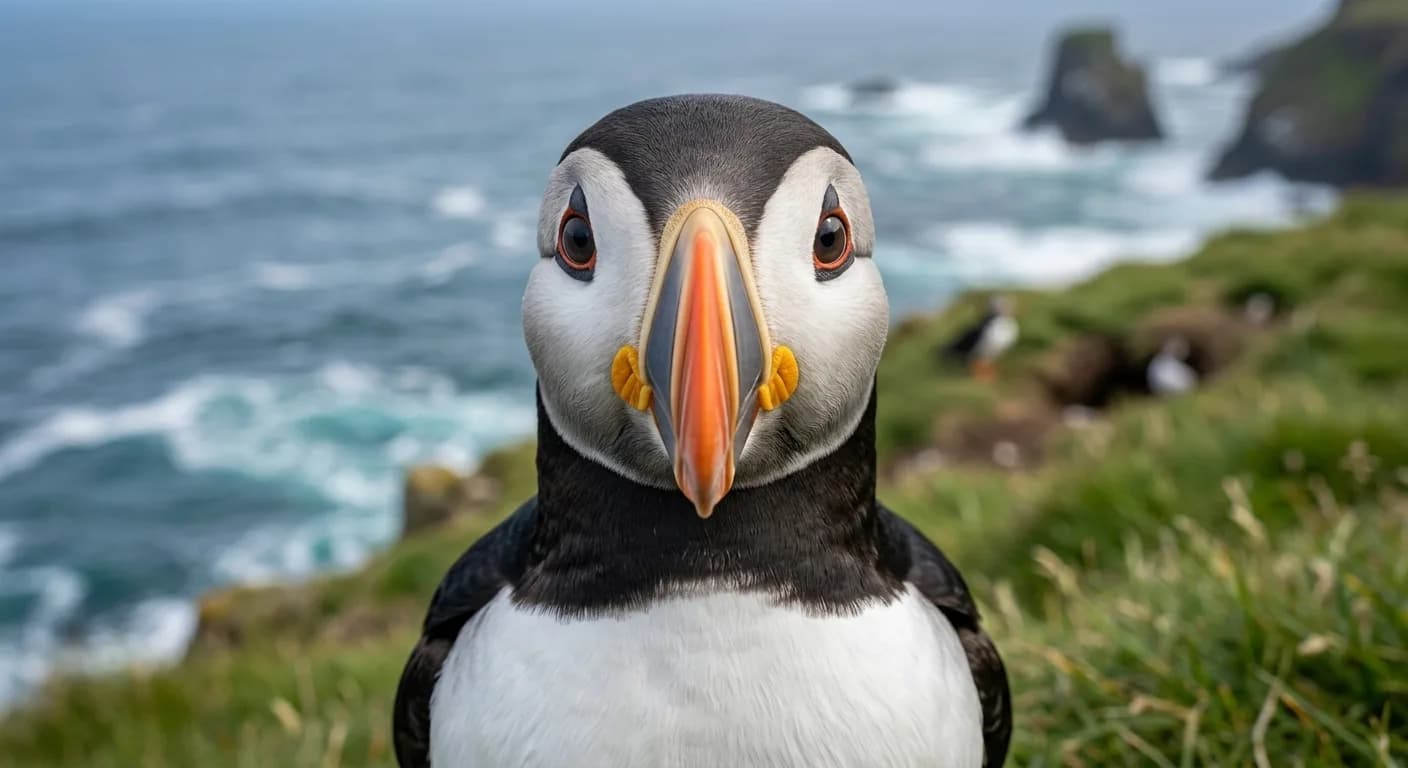
Atlantic PuffinVulnerable

Atlantic Puffin

Fratercula arctica

Vulnerable

Scripps's Murrelet

Synthliboramphus scrippsi

Common MurreLeast Concern

Common Murre

Uria aalge

Least Concern

Horned Puffin

Fratercula corniculata

RazorbillLeast Concern

Razorbill

Alca torda

CountriesCanada
TagsCarnivore
Carnivore
Diurnal
Colonial
Bird
Ocean
Polar
Islands
Canada
Denmark
Greenland
Iceland
Ireland
Norway
United Kingdom
United States