Skip to content
WAnimals
  • Map
  • Species
  • Parks
  • Diving
Log inCreate account
WAnimals

The guide for travellers and animal lovers: discover, plan and share your wild adventures around the world.

Discover wildlife

  • Species
  • Ecosystems
  • Glossary
  • Tags

Explore places

  • Map
  • Countries
  • Parks
  • Diving

Plan experiences

  • Guides

Learn

  • Blog

Resources

  • About us
  • How we build our profiles
  • Help centre
  • Contact
  • Install the app

Follow us

Account

  • Log in
  • Create account

© 2026 WAnimals. All rights reserved.

Terms of servicePrivacyCookiesLegal notice
MapSpeciesParksDiving
  1. Home
  2. Species
  3. Honey Bee Mite

Arachnids · Mesostigmata · Varroidae

Honey Bee Mite

Varroa destructor

Not Evaluated

It has not yet been assessed against the IUCN criteria.

Spotted something wrong?

Varroa destructor is an external parasitic mite that attacks and feeds on the honey bees Apis cerana and Apis mellifera. The disease the mites cause is called varroosis and is the main disease affecting bees today, spread across most of the world's beekeeping areas.

Size

up to 0.2 cm

Diet

Carnivore

Feeds mainly on other animals.

Social structure

Solitary

Lives and hunts alone, joining others only to breed.

6countries

Fun facts

  • GeneralThe leading cause of hive losses worldwide; it parasitises bee larvae.
  • parasitismoIt is an external parasite of honeybees that feeds on their fat body and can pass on viruses, and is one of the main factors in the worldwide decline of bee colonies.
  • Its original host is the Asian honeybee Apis cerana, which has coevolved with it and keeps it in check; the jump to the European honeybee Apis mellifera in the twentieth century set off a global pandemic.
  • For years it was believed to feed on haemolymph, but it has been shown to consume the fat body, the organ the bee needs to survive the winter and to detoxify.
  • It is the single greatest cause of the worldwide decline in honeybee health.
  • For fifty years it was believed to suck haemolymph, as a tick sucks blood. A 2019 study showed otherwise: it eats the fat body, a tissue equivalent to the mammalian liver, digesting it externally.
  • That matters a great deal, because the fat body regulates hormones, the immune response, pesticide detoxification and winter survival. It explains the range of damage that simple loss of haemolymph could not account for, and why some treatments failed.
  • Mites fed haemolymph in the laboratory lived no longer than those given nothing at all; those fed fat body lived longer and laid more eggs.
  • It jumped from the Asian honeybee, Apis cerana, to the European one in the early twentieth century, and with it came a direct route for inoculating viruses into the bee's body, above all deformed wing virus.

Life cycle and biology

Skeleton type
Invertebrate - chitin exoskeleton (arachnid)
Habitat and environment
Honeybee hives

Sources consulted: Wikipedia (es): Varroa destructor · ScienceDirect (Hughes 1989) · Science Advances, How colonial animals evolve · Wikipedia, Zooid

Where to find it

Loading map…

Related species

Other species in the catalogue with the most in common with Honey Bee Mite — same habitat, park, country, tags or family.

Related to
Related to
Related to
Related to
Related to
Related to

Keep exploring

Based on what we already know about honey bee mite.
Share an experience, a fun fact or a tip for seeing the honey bee mite.
See full glossary
This page in other languages: Español · Deutsch · Français · Português · Italiano
Temperate forest
See its range on the interactive map→
Least Concern

Greater False Vampire

Megaderma lyra

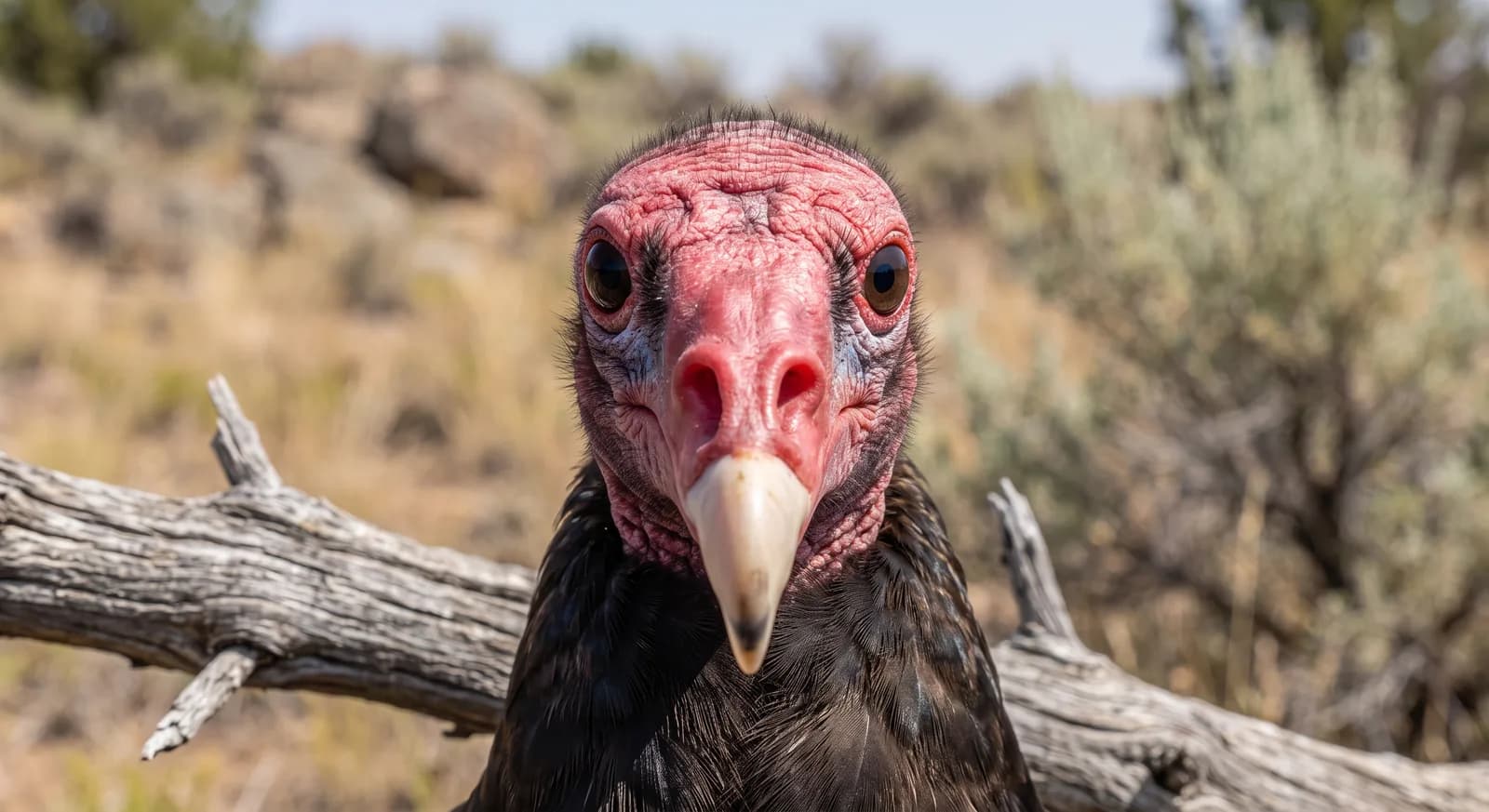
Turkey VultureLeast Concern

Turkey Vulture

Cathartes aura

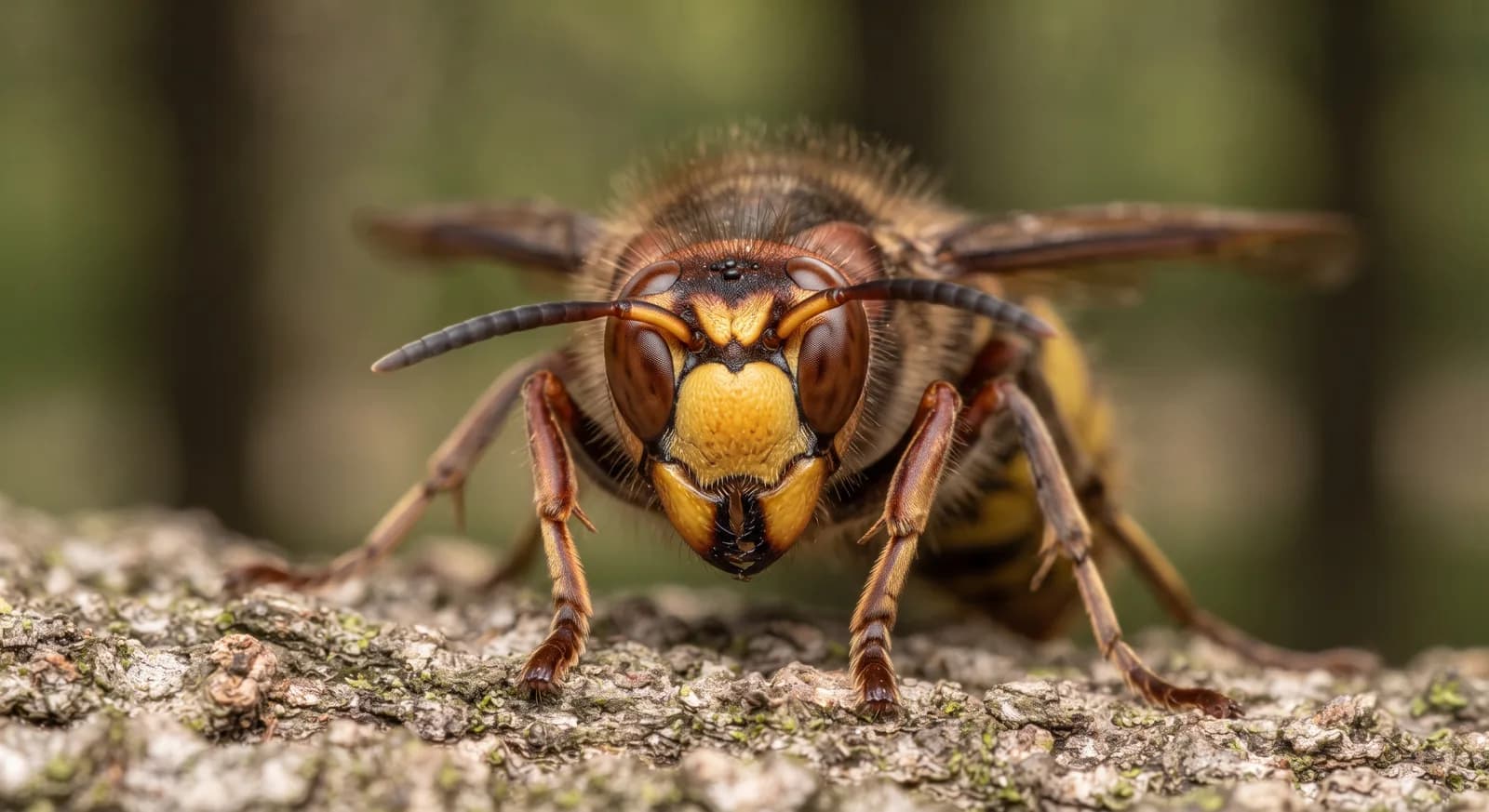
European HornetNot Evaluated

European Hornet

Vespa crabro

Not Evaluated

Southern Black Widow

Latrodectus mactans

Not Evaluated

Brown Recluse

Loxosceles reclusa

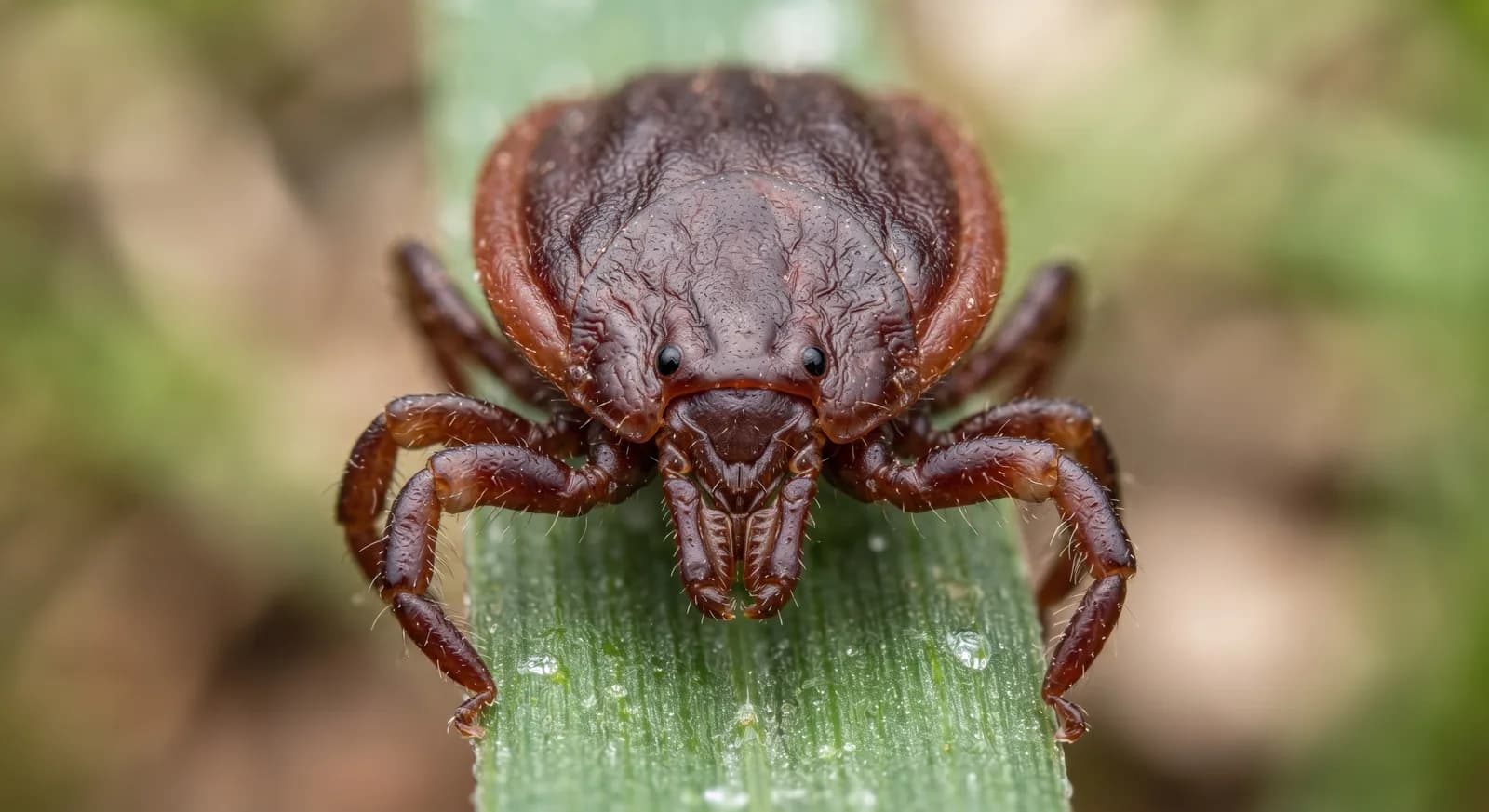
Castor Bean TickNot Evaluated

Castor Bean Tick

Ixodes ricinus

CountriesBrazil
TagsCarnivore
Carnivore
Colonial
Temperate forest
Arachnid
Brazil
China
France
Germany
Spain
United States