Skip to content
WAnimals
  • Map
  • Species
  • Parks
  • Diving
Log inCreate account
WAnimals

The guide for travellers and animal lovers: discover, plan and share your wild adventures around the world.

Discover wildlife

  • Species
  • Ecosystems
  • Glossary
  • Tags

Explore places

  • Map
  • Countries
  • Parks
  • Diving

Plan experiences

  • Guides

Learn

  • Blog

Resources

  • About us
  • How we build our profiles
  • Help centre
  • Contact
  • Install the app

Follow us

Account

  • Log in
  • Create account

© 2026 WAnimals. All rights reserved.

Terms of servicePrivacyCookiesLegal notice
MapSpeciesParksDiving
  1. Home
  2. Species
  3. Iberian Wild Goat

One of the 5 goats on WAnimals

Mammals · Artiodactyla · Bovidae

Iberian Wild Goat

Capra pyrenaica

Least Concern

The species is abundant and widely distributed; it faces no significant short-term risk.

Spotted something wrong?

It is endemic to the Iberian Peninsula alone, and its populations went into severe historical decline, close to extinction in the early 20th century, but have recovered markedly through conservation work.

Weight

35 kg – 80 kg

Size

1 m – 1.4 m

Life expectancy

12 years

Diet

Herbivore

Feeds mainly on plants.

Activity

Diurnal

Active mainly during the day.

Social structure

Herd

Lives in large groups as a strategy against predators.

Mountain
3countries12parks86same family

Fun facts

  • It has recovered in areas such as Sierra Nevada and Cazorla-Segura.
  • It grazes and browses a wide range of mountain plants.
  • It lives in mountain country above 800 m with rocky outcrops in the Iberian Peninsula.
  • locomociónIt can climb near-vertical rock on split hooves that mould to the surface, and is often seen on steep cliffs across the Iberian Peninsula.

Life cycle and biology

Skeleton type
Vertebrate - internal bony skeleton (mammal)
Habitat and environment
Mountain country above 800 m with rocky outcrops and coniferous and broadleaf woodland in the Iberian Peninsula
Birth weight
Born precocial
Size at birth
Born precocial
Sexual maturity
Female: 1.5-2 years | Male: matures at around 2 years, but does not usually breed until 5-6
Gestation / incubation
161-168 days
Litter / clutch size
1 young per birth (occasionally 2)

Sources consulted: Dimensions.com · Animal Diversity Web · PMC (sarcoptic mange ELISA study)

Where to find it

Best time: From November to December, during the rut, when the males fight on the slopes; in Gredos and the Sierra Nevada it is easily watched all year round.

Loading map…

The pins mark the parks where its presence is documented.

Where to see it

Parks and dive sites where this species has been documented — showing 10 of 12.

Related species

Other species in the catalogue with the most in common with Iberian Wild Goat — same habitat, park, country, tags or family.

Same taxonomic family
Shares a park
Same taxonomic family
Shares a park

Keep exploring

Based on what we already know about iberian wild goat.
Share an experience, a fun fact or a tip for seeing the iberian wild goat.
See full glossary
This page in other languages: Español · Deutsch · Français · Português · Italiano
See its range on the interactive map→
Picos de EuropaSpain
Ordesa y Monte PerdidoSpain
Sierra de las NievesSpain
Peneda-GeresPortugal
Sierra de GuadarramaSpain
Cadí-MoixeróSpain
MontsenySpain
Sant Llorenç del Munt i l'ObacSpain
Sierra de AndújarSpain
Sierra de EspadánSpain
See all 12 parks
Least Concern

Northern Chamois

Rupicapra rupicapra

Least Concern

Alpine Ibex

Capra ibex

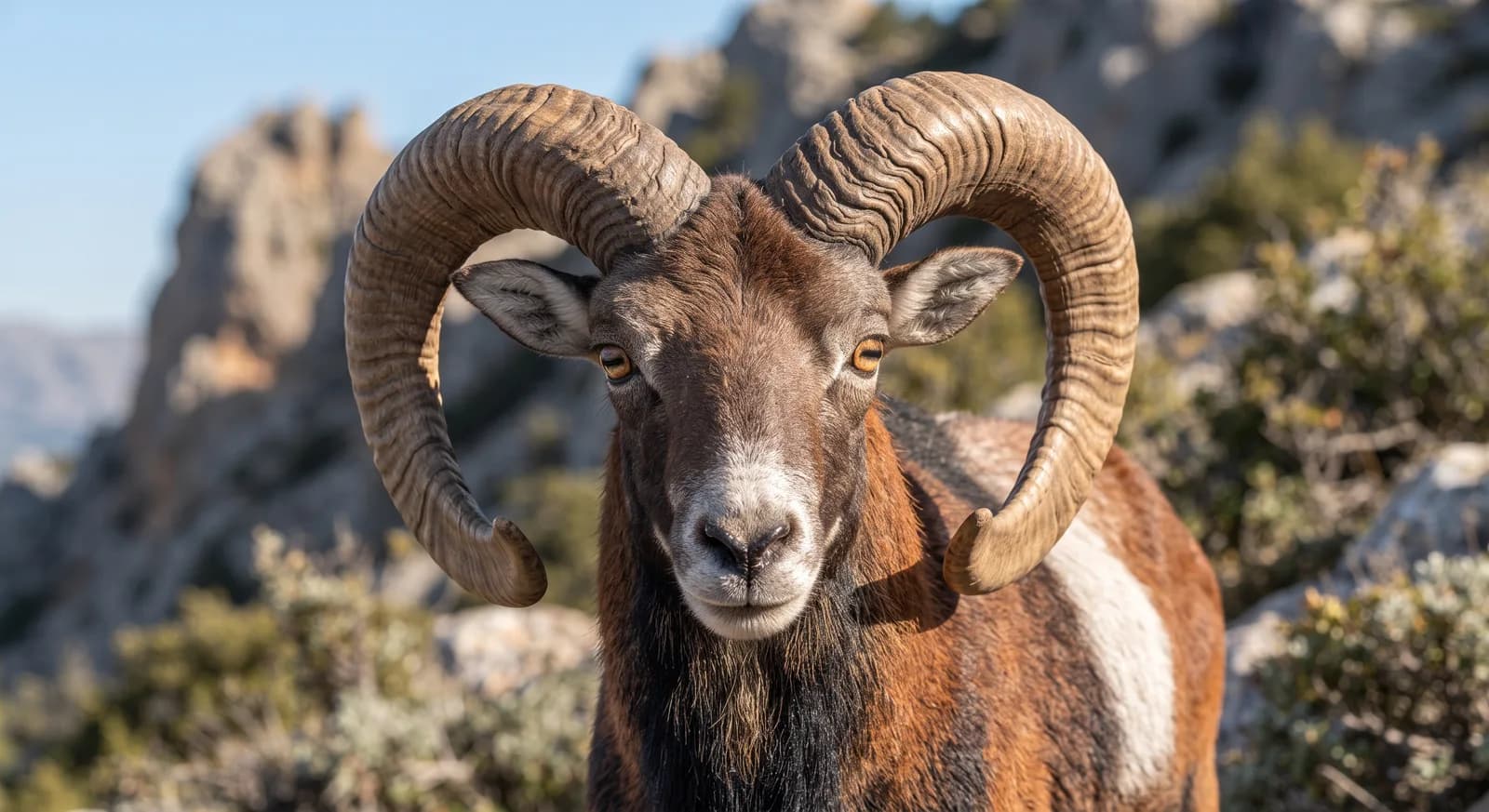
MouflonLeast Concern

Mouflon

Ovis orientalis

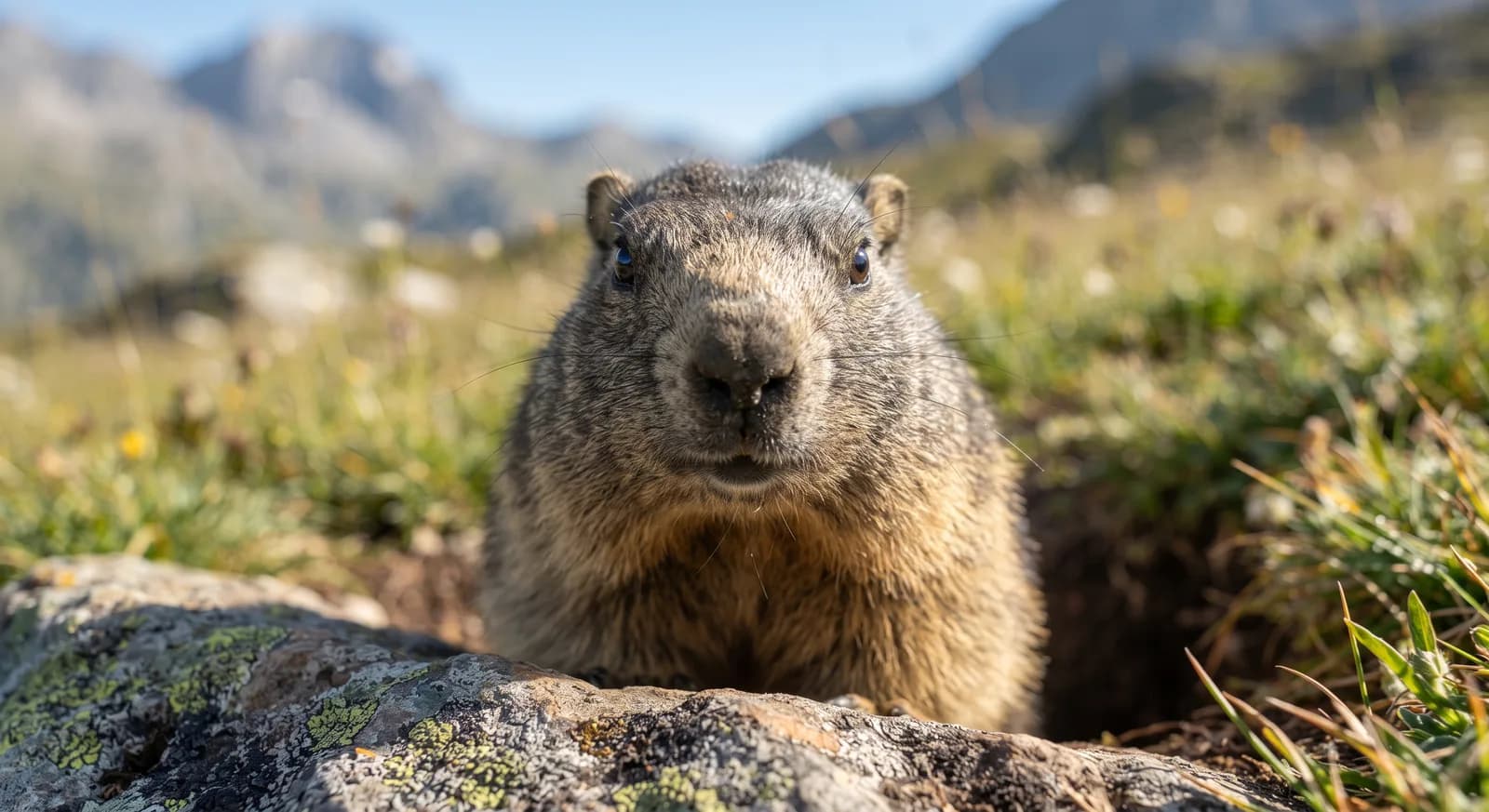
Alpine MarmotLeast Concern

Alpine Marmot

Marmota marmota

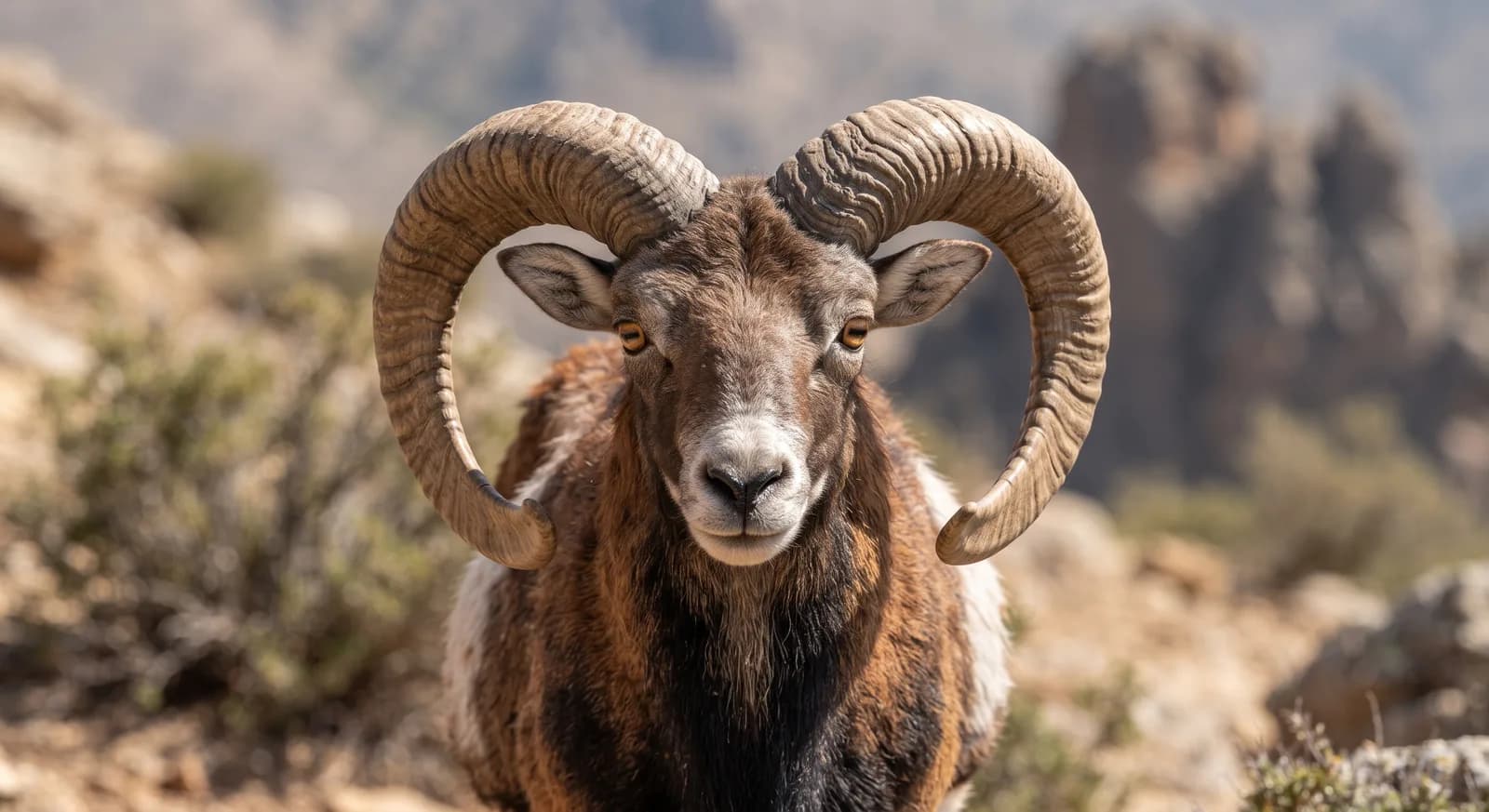
European MouflonNot Evaluated

European Mouflon

Ovis aries musimon

Western CapercaillieLeast Concern

Western Capercaillie

Tetrao urogallus

CountriesSpain
ParksPicos de EuropaSpain
TagsHerbivore
Herbivore
Diurnal
In herds
Mountain
Mammal
Spain
Portugal
France